In today’s modern metropolises, most of which were built around the idea of getting around by car, the most time-consuming, expensive, and inefficient way to get around is now by, well, the car. That’s why many people are rediscovering the motorcycle, one of the world’s most efficient (and fun!) forms of motorized transportation. While motorcycles used to be the province of hardcore riders and enthusiasts, advances in technology — and increases in traffic — are making them much more of an attractive option for more and more people. And when the commuting is done and the weekend arrives, you can’t have much more fun than heading out on an open road adventure — or to that inner-city fun spot — on your two-wheeled pride and joy. But you need a bike that fits how you need or want to ride, and you need the right gear and training to stay safe.
We divided the motorcycle genre into eight general categories (most have several sub-niches as well), to help you discover which best fits you. Then, learn about rider training and getting the right gear. If you have a question, leave it in the comments and we will get back to you.
Cruiser

The cruiser is perhaps the most romantic of the motorcycle types in this list. It’s cool, looks beautiful, sounds tough, and is a favorite of both actual biker types and millions of other riders. And, a cruiser could be a good first bike for a beginner. Why? Two reasons: You sit low and in control, and it is easy to ride, with smooth power delivery and more of a penchant for, well, cruising, than outright speeding antics.
That’s not to say cruisers can’t go fast. A subset of the cruiser bike type is the “power cruiser” and it’s just what you think it is: Faster than your typical cruiser. Because cruisers are so popular, there are literally dozens of new models to choose from, in every size category — from 250cc city machines to 2,000cc ground pounders. (“cc” refers to cubic centimeter, which is how most motorcycle engines are measured.) The used market for cruisers is also gigantic.
Your best bet as a beginner is likely something 1,200cc or smaller, as that is manageable in the city while giving you open road capability as well.
Sport

On the other end of the spectrum from cruisers lie sportbikes. These bikes are built for speed and aren’t shy about it, with top-end machines clearing 200 horsepower and 200mph capabilities. Most can easily outrun even the most exotic of supercars. Great fun, but obviously, sportbikes are likely not the best choice for a beginner.
Fortunately, if you really do feel the need for speed, there are options for beginner riders. Bike makers have recently been making more sport bikes in the 300cc to 500cc range, and they retain the rakish good looks of their racier siblings as well as some of the tech, such as ABS brakes, fuel injection, ride modes, and more. But their power is more manageable and less likely to eject you into hyperspace like the track-focused top-tier machines. If you level up to a 600cc machine, just be aware that despite it still having a “small” engine, they can be tremendously powerful.
If you decide a sportbike is going to be your first bike, be sure to get some training and the right riding gear. Then, to really get a grip on the performance capabilities of your machine, sign up for some track days and get some pro-level riding instruction — and some amazing high-speed riding thrills. You will wonder why you didn’t start riding years ago.
Standard

There was a time when most all motorcycles were just do-it-all “motorcycles” and not the super-specialized machines that require us to write lengthy buying guides, because most bikes now have a more specific focus.
Today, we call a “regular” motorcycle a “standard,” and for many new riders, the flexibility of a standard motorcycle is far more approachable. You can load it up with saddlebags, a windscreen, backrest, your significant other, and hit the open road. Or, strip all that stuff off and simply putt around town, to work, or wherever.
Standards come in sizes ranging from 250cc to about 1,200cc, so you need to throw a leg over a lot of bikes to see what feels right and if it fits your budget. As a bonus, many standard bikes made today come with a surprising amount of tech, from ABS brakes to phone charging cubbies and even automatic transmissions. A good standard size for a beginner is 500cc to 700cc, depending on your physical size. But that engine size is plenty big enough to get you and a passenger across town or even across the country.
Dual-sport/ADV

What do you get when you cross a dirt bike with a street bike? A bike that can be ridden on or off the pavement, and legally at that. Where riders used to add DIY light kits to dirt bikes and then get them licensed at the DMV (the first true “dual-sports”), today nearly every bike maker makes specifically designed dual-sport models. Dual-sport bikes are also often referred to as “adventure bikes” or “ADV bikes.”
The ADV/adventure bike/dual-sport is the Swiss Army knife of motorcycles, making it a good first bike. They are tough, simple, usually lightweight, tough, good on gas, and fun to ride. Did we mention tough? Good thing, because off-road riding can beat a bike up, but dual-sport bikes that are made today can take it. They range in size from 250cc machines that can carve up city traffic or off-road trails like butter, to 1,200cc intercontinental transporters that let you bring anything you need to survive crossing the Atacama.
What you will need is probably something in between, and a 650cc dual-sport is probably the most popular size as it combines a lighter-weight engine in a slim frame, but with enough power to roll you and your gear to the ends of the Earth. Be aware that most dual-sports are tall, so you need some inseam to touch your feet down, but even if you’re short, talk to a dealer or bike shop about installing “lowering links” that can drop the seat height so you can stay safe. Then, go get lost!
Touring

Want a bike but still want the comforts of a car? You need to check out touring bikes, often called “dressers” because they are “dressed up” with a lot of options, like stereos, GPS, heated seats, windscreens, lots of carrying capacity, automatic transmissions, and more.
Unless long-distance riding is really what you have your heart set on, you might want to consider another bike as a first bike, since touring bikes are usually quite large, heavy, powerful, and complicated. As an option, you might also want to look into a subset known as a “bagger.” This type of bike reduces the weight and features (and price), but remains a large and powerful machine. But it might be a better idea to find a good used standard-style bike, add some lightweight saddlebags, a bug screen (aka, small windshield), and then see if the open road is where you really want to be. Once you get some miles under your belt and you’re ready, you can appropriately level-up to a “full boat” mileage machine with more confidence.
Dirt
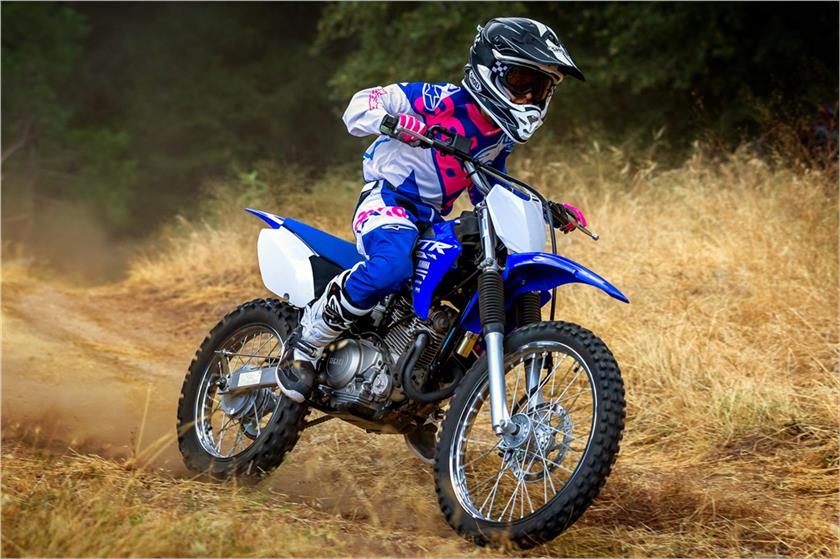
A pure dirt bike is the ideal solution for anyone who is interested in off-road riding. Unlike their dual-sport cousins, dirt bikes are not street legal, but if you live near some wide-open spaces (or can get to them), you can really have fun.
Dirt bikes tend to be tall — like dual-sport bikes — but there are many to choose from. Dirt bikes range in size from 50cc models for the kids to 450-500cc monsters for experienced riders; a beginner should take a look at bikes in the 200cc to 350cc range. This author rides a 250cc machine despite having years of riding experience (and being a big person). But out in the dirt, bigger isn’t always better, and today’s 250cc machines are very powerful while remaining light and maneuverable — traits that will serve you well in the dirt.
Proper gear is essential when riding in dirt, and as a side benefit, learning to ride in the dirt, where the bike can skid, slip, slide (and even crash) without fear of traffic, speed limits, and other urban obstacles will actually make you a better street rider if you ever decide to go that route. Keep in mind you will need to transport your dirt bike to the dirt, so a pickup, trailer, or rear-mounted rail-type bike carrier for your car is required.
Electric

As with cars, non-gasoline electric motors are coming to motorcycles. If you plan to do most of your riding in an urban setting, there really is no better way to carve up traffic than on a modern electric motorcycle. It’s fast, fun, and simple — a perfect beginner’s bike.
Currently, range and cost continue to be issues, but if you can swing it, you will be at the cutting-edge of transportation technology, and you will have a blast being there. Bikes like the $18,000 Zero DSR (shown above) represent the best of the “affordable” electric bikes, while specialty boutiques make machines that cost tens of thousands of dollars more. But if you’re looking to get from Point A to Point B quickly, quietly, and without a drop of fuel, the electric motorcycle is where it’s at.
And yes, the upfront cost can be high, but tax breaks and credits from both state and federal sources can bring the cost down by thousands of dollars, and keep in mind your electric bike won’t ever need gas, oil changes, tune-ups or the other major expenses that complicated gas-powered machines will need. Those fuel and maintenance costs add up far faster than you might think, making electric bikes a good deal in the long run. Touring isn’t really an option quite yet for
Scooter

Scooters used to be dangerous rattletraps with spotty brakes, buzzy engines, and little wheels that made for a skittish ride. No longer: The modern scooter is more powerful, safer, more comfortable, and packed with tech, making them a great choice for getting around town. They can still have small wheels, but scooter makers have mastered the art of rider control on these lightweight machines, so after some practice, you will be riding like a pro.
And scooter engines can get pretty big now, up to 650cc or larger, with enough juice to get you, a passenger, and a fair amount of gear anywhere you want to go at highway speeds. Scoots start at 49-50cc, which is the cutoff point for requiring a bottom-tier motorcycle endorsement on your driver’s license. They only go about 30mph, which for many big cities is plenty fast. Moving up to a 150cc or bigger machine will require an endorsement, but you also get more speed, more carrying capacity, and often, more tech, including ABS, fuel injection, a phone cubby, and more.
Freeway-capable scooters tend to be 300cc and larger, and scooters have another advantage over motorcycles: better weather protection. Also, the vast majority of scooters are “twist and go,” meaning no gears to change. There is no shortage of scooter makers in the world, especially from China, South Korea, and places where getting around by scooter is part of life. But, if you really want to go full-on hipster, nothing but a Vespa from Italy will do.
New bike, or used?
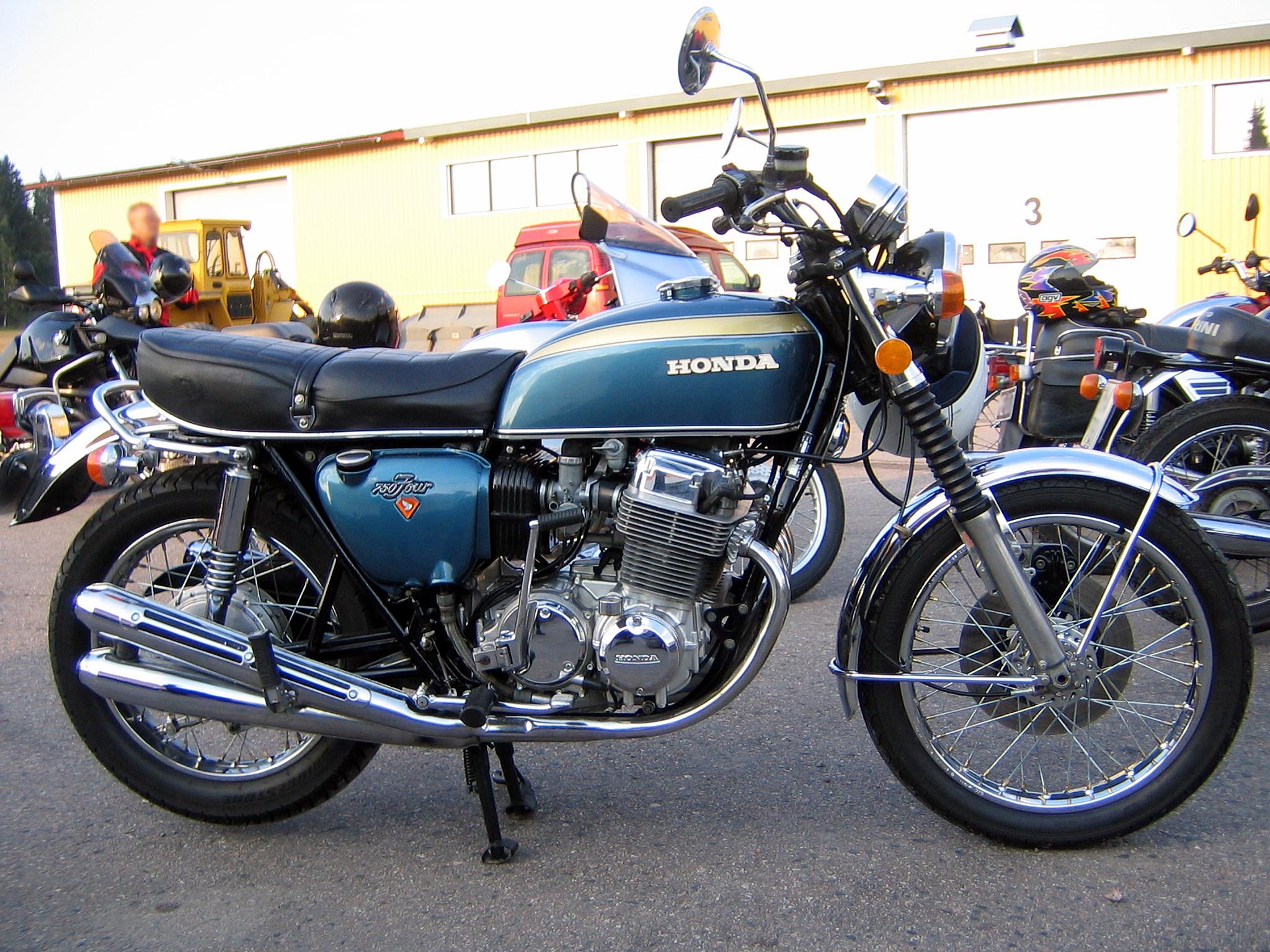
If you have your heart set on that shiny new machine down at the showroom, we totally understand. You get all those new-bike perks: It’s going to run perfect, comes with a warranty, and has that new bike smell.
But don’t cross a used bike off your list just yet. Many new riders will suffer some sort of mishap as they’re getting up to speed and improving their skills. That’s why a used bike can be a great first bike. It hurts a lot less to ding up that $1,500 machine than the $15,000 one. But before you hand over your cash, take that bike to a trustworthy bike mechanic and pay (if need be) to have it checked out. Funny noise? Oil drip? Weak brakes? Those could all point to dangerous and expensive problems down the road, so ask the owner if he has service records and so forth.
If you have a friend who is an experienced rider, see if they’ll go bike hunting with you. But in the end, a solid review by a bike shop is the best way to see if that used machine is good to go -– or a disaster waiting to happen.
Stay safe, go to school
Ready to pull the trigger on your first ride? Slow down. Before you make that purchase, take a Motorcycle Safety Foundation rider education class. MSF classes are required by a number of U.S. states, and many countries now have similar rider programs and pre-license riding class requirements.
Riding a motorcycle (or scooter) is not like riding a bigger bicycle. You need to understand how to make it go, stop, and turn, and how to deal with traffic while riding (dirt bikes excepted). Doing it wrong can have lasting — and permanent — consequences. MSF courses range from instruction for first-time riders, to advanced classes for honing your skills as you get more experience. Best of all, they supply the bike for beginning rider classes, usually 250cc cruiser types that are easy to learn on. It’s a great chance to ride in a protected environment with professional instruction before you venture out into traffic on your own bike. Trust us, you will learn plenty, including the fact that motorcycles turn in exactly the opposite way you think they do. You’ll need to set aside a weekend and a few hundred dollars for the class, but it’s time and money well spent when it comes to your safety.
Be smart: Gear up
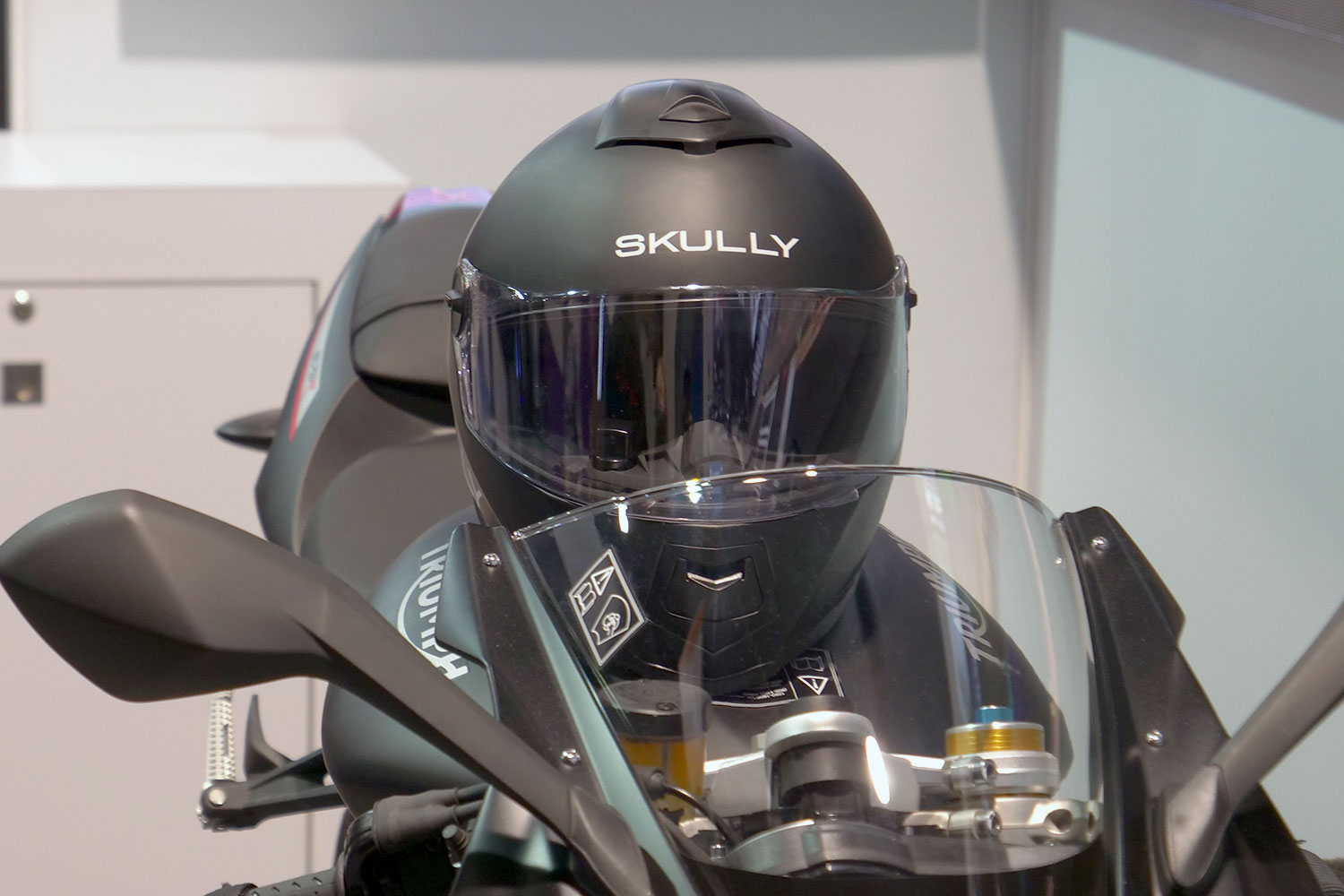
There is an old saying in motorcycling: all the gear, all the time (also known as “AT-GATT“). Riding a motorcycle, obviously, is much different than driving a car. You need to gear up which, at a minimum, means a full-face helmet, a purpose-made motorcycle jacket with pads, gloves, boots, and protective pants. That sounds like a lot of gear, but that is required to avoid most injuries in case you crash, something beginning riders tend to do with predictable regularity as they learn to master their new machines.
Modern motorcycle gear is effective, comfortable, and looks as badass or as plain-Jane as you want it to. Trust us, road rash, which takes place as your bare skin is scraped away while sliding down the pavement, really hurts, and leaves unattractive scars. “If only I’d worn my gear,” many a rider has said from a hospital bed. Had they worn their gear, they probably could have popped up from the mishap with some bumps and bruises and walked away, having only to shell out a few hundred bucks for some new gear rather than a small (or very large) fortune for hospital bills.
And while an open-face helmet can be tempting, we always recommend a full-coverage lid to protect your precious noggin and that winning smile. It also keeps the bugs, rain, and road debris off your face. So gear up and have fun doing it; modern motorcycle gear looks great and tells everyone you’re smart about riding safe — and it works.
Bill Roberson is Digital Trends’ resident motorcycle expert and has been riding for decades. For more information, check out his motorcycle guide at our sibling publication, The Manual.
Editors' Recommendations
- The best cars for camping
- From dongles to diagnostics, here’s all you need to know about OBD/OBD II
- What to pack in a car emergency kit