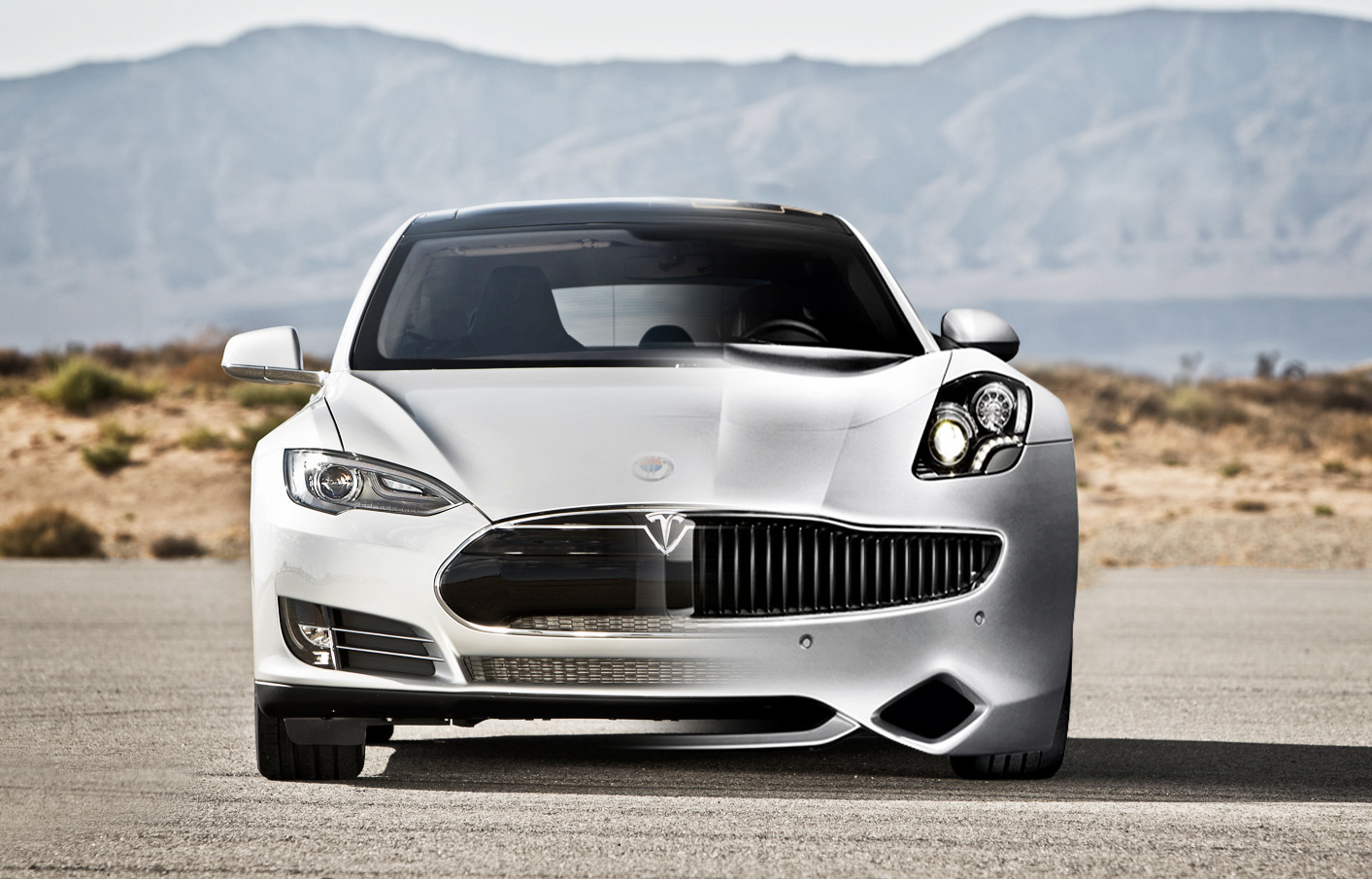
Last week, I wrote about how I thought that Tesla was getting chewed up by the Twitter fight between a New York Times reporter and Elon Musk, its famous and hard-to-control CEO. But as I looked at the test Tesla offered to put it through and thought more about the car a bit, I has another realization: The Tesla Model S and Fisker Karma would both be better off if they just swapped drivetrains.
I arrived at this conclusion after a conversation I had with Michael Dell (yes, that Michael Dell) some time ago on the Karma. Both he and I were looking to buy one, and decided not to for very different reasons: me because its performance sucked, and Dell because it needed weekly software updates (something I’d been unaware of).
In looking at both cars, it suddenly struck me that both the Model S and Karma have power plants completed mismatched to the rest of the car. Here’s what I mean.
The workhorse with the heart of a cheetah
When you look at the Tesla Model S, it looks like a high-end Japanese car. It has decent back-seat legroom; it has a very nice, tablet-like control center; it has been very reliable (so far); and it’s a car that you would likely want to use daily. Its performance (in the higher cost performance configuration) is in supercar territory, with a 0-to-60 time approaching 4 seconds or in line with a new Jaguar XK-RS.
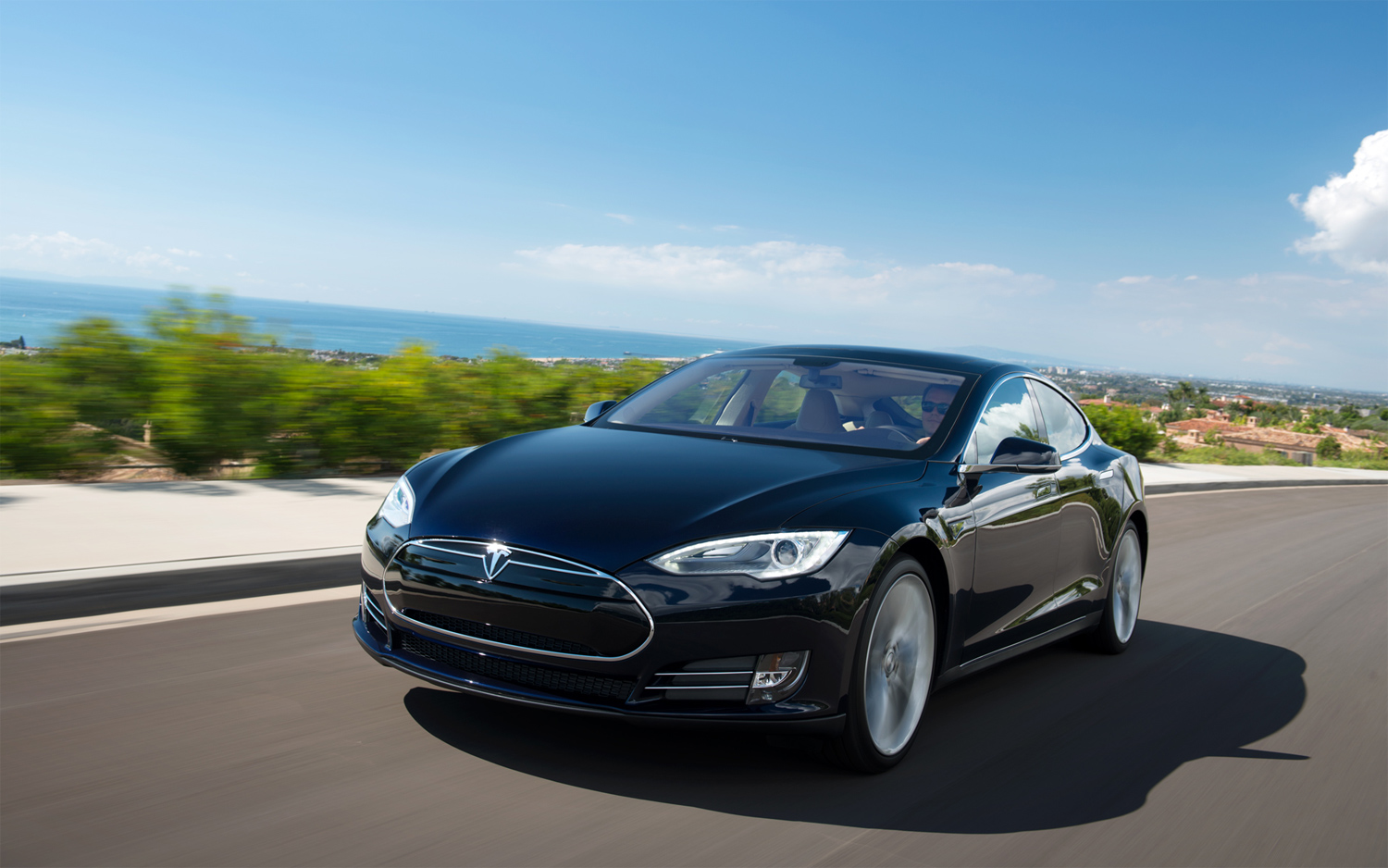
On the other hand, as the problems last week illustrated, it really isn’t a great long-distance commuter. You’re better off driving it under 100 miles round trip, and charging it at home at night so you have plenty of power buffer. So while the car has the body and configuration of a touring car or long-distance commuter, it has the heart of a performance car that you’d only drive occasionally, and for short distances.
The cheetah with the heart of a workhorse
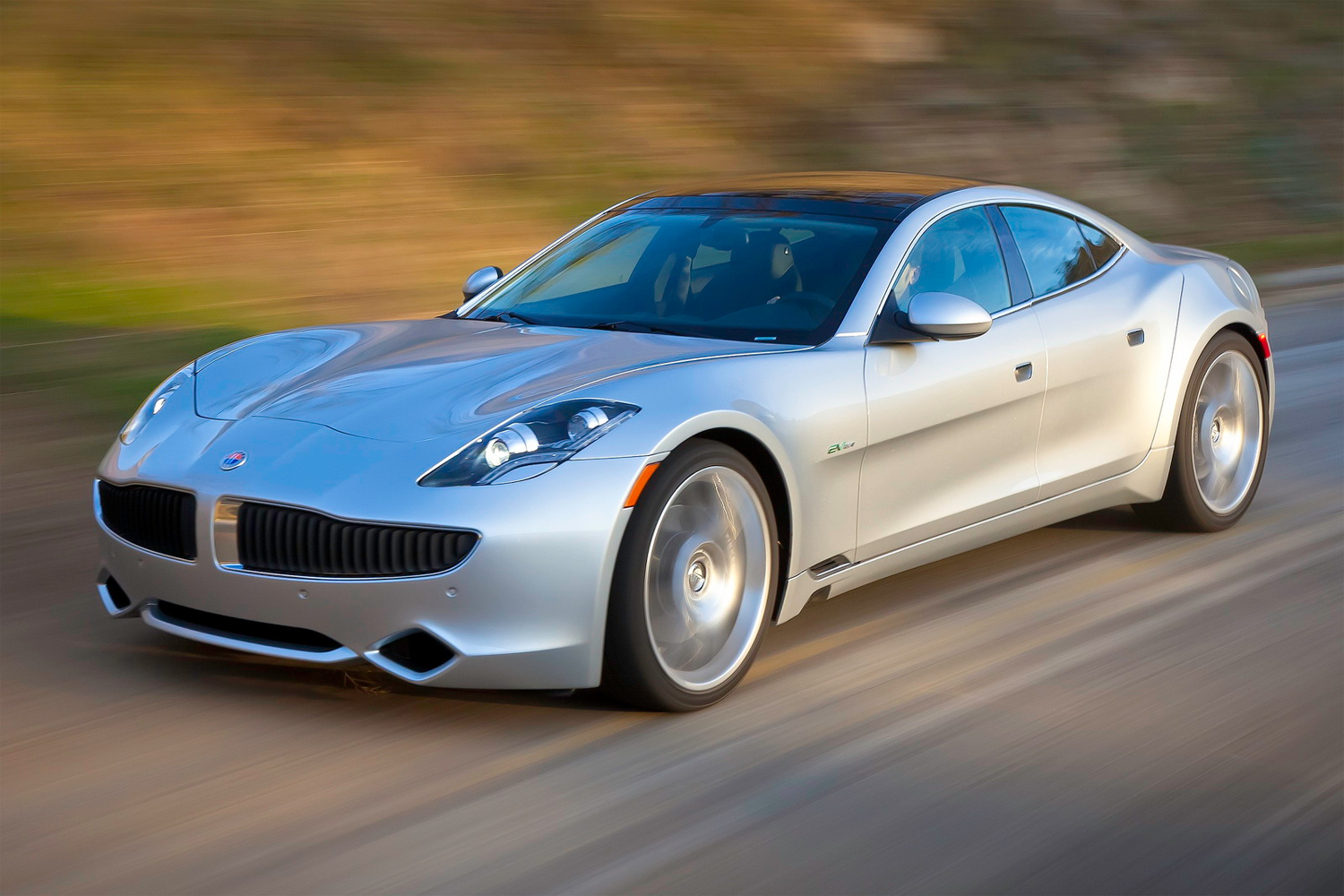
To look at the Fisker Karma is to lust for it. It has the design cues of an exotic, with a really long hood, huge wheels and tires, and a mean, aggressive posture. It sits so low the battery pack goes between the passengers, and like many exotics, it isn’t known for reliability. All the technology inside means you do have to struggle with a bit before you get a handle on it. Unlike the Model S, it uses an electric-hybrid drivetrain, so while it has the same published range of 300 miles, you can fill it with gas and take it on long trips. However, these issues with reliability and comfort suggest the Karma is really better suited for short hops. I’d doubt anyone would really want to drive it long distances, particularly far away from dealerships that could repair it.
Performance is lackluster for a supercar, with a 0-to-60 time around 6 seconds. A stock 2013 Honda Accord EX-L Coupe would pretty much dust it. This wouldn’t matter as much if you were driving a sedan like the Tesla S, that car doesn’t look like a racer, but the Fisker does. That means a lot of kids are going to be laughing at your expense from stop lights.
Heart transplant
If you put the Fisker Karma power plant in the Tesla Model S, you’d get performance in line with the base model and gas-car range consistent with the look and configuration of the car. You’d have a true luxury commuter. If you put the performance version of the Model S drivetrain in the Fisker Karma, you’d get an electric that could keep up with a Jaguar XK-R, and likely dust most performance cars at any light (electrics are particularly strong from 0 to 30mph). You’d likely drive it short distances, so the range thing wouldn’t be that important.
Power plants with purpose
In today’s world, a commuter car still makes more sense with either an ordinary gasoline engine, or a gas-electric hybrid configuration. But for an exotic, pure electrics are just fine, particularly if you are a bit of a stop-light racer. You can dust the other car before you exceed the speed limit, and since they’re quiet, your engine won’t be the one the cop hears. Unfortunately, the existing Tesla Model S and Fisker Karma have this configuration backwards. It’s a shame Fisker and Tesla separated, because clearly both cars could have been more compelling with a few features borrowed from one another.
Editors' Recommendations
- Tech giant reveals nice price for new EV to take on Tesla
- Here’s how Ford will give EV customers Tesla Supercharger access
- Tesla offers behind-the-scenes look at Cybertruck bullet test
- Tesla introduces ‘congestion fee’ for Supercharger stations
- Tesla says Cybertruck resellers could face harsh penalties