1. Home
  2. Cars
  3. Legacy Archives

NHTSA says ‘V2V’ technology could prevent 500,000 crashes per year

Add as a preferred source on Google

While self-driving cars get the lion’s share of press, the National Highway Traffic Safety Administration (NHTSA) has steadily moved ahead with the implementation of vehicle-to-vehicle communication, or V2V.

The agency released an advanced notice of proposed rule making, announcing its intention to regulate the technology, which is a first step toward putting it on cars you’ll actually be able to buy.

Recommended Videos

V2V-equipped cars can’t drive themselves, but they can “talk” to each other, giving drivers a greater awareness of potential obstacles and, researchers hope, preventing many accidents.

This is accomplished by harnessing the many sensors and cameras already available in some new cars to a Wi-Fi-like communication system that would allow vehicles to send information on speed, position, and other factors back and forth.

The NHTSA has been conducting research, including a massive test involving around 3,000 cars on public roads in and around Ann Arbor, Michigan. So far, officials are liking the results.

Related: Will a V2V mandate make driving safer?

The agency is focusing on two systems – Left Turn Assist (LTA) and Intersection Movement Assist (IMA) – that warn drivers of potential collisions in four-way intersections. It believes they could prevent up to 529,000 crashes and save 1,083 lives per year.

Both LTA and IMA would overcome blind spots, giving drivers an earlier warning of a car running a red light, or preventing a car from making a left turn if oncoming traffic is sensed.

The NHTSA describes the technology as “ready to implement,” and will seek public comment on its rule making proposal. However, it may be some time before V2V achieves widespread use.

Like self-driving cars, it will probably be up to state and local governments to actually regulate V2V, and carmakers will also have to figure out how to integrate it into their vehicles affordably.

It may be even longer before V2V has a significant affect on crash rates, as it will need to reach a critical mass of adoption. The more cars in the network, the more comprehensive the coverage.

Stephen Edelstein
Stephen is a freelance automotive journalist covering all things cars. He likes anything with four wheels, from classic cars…
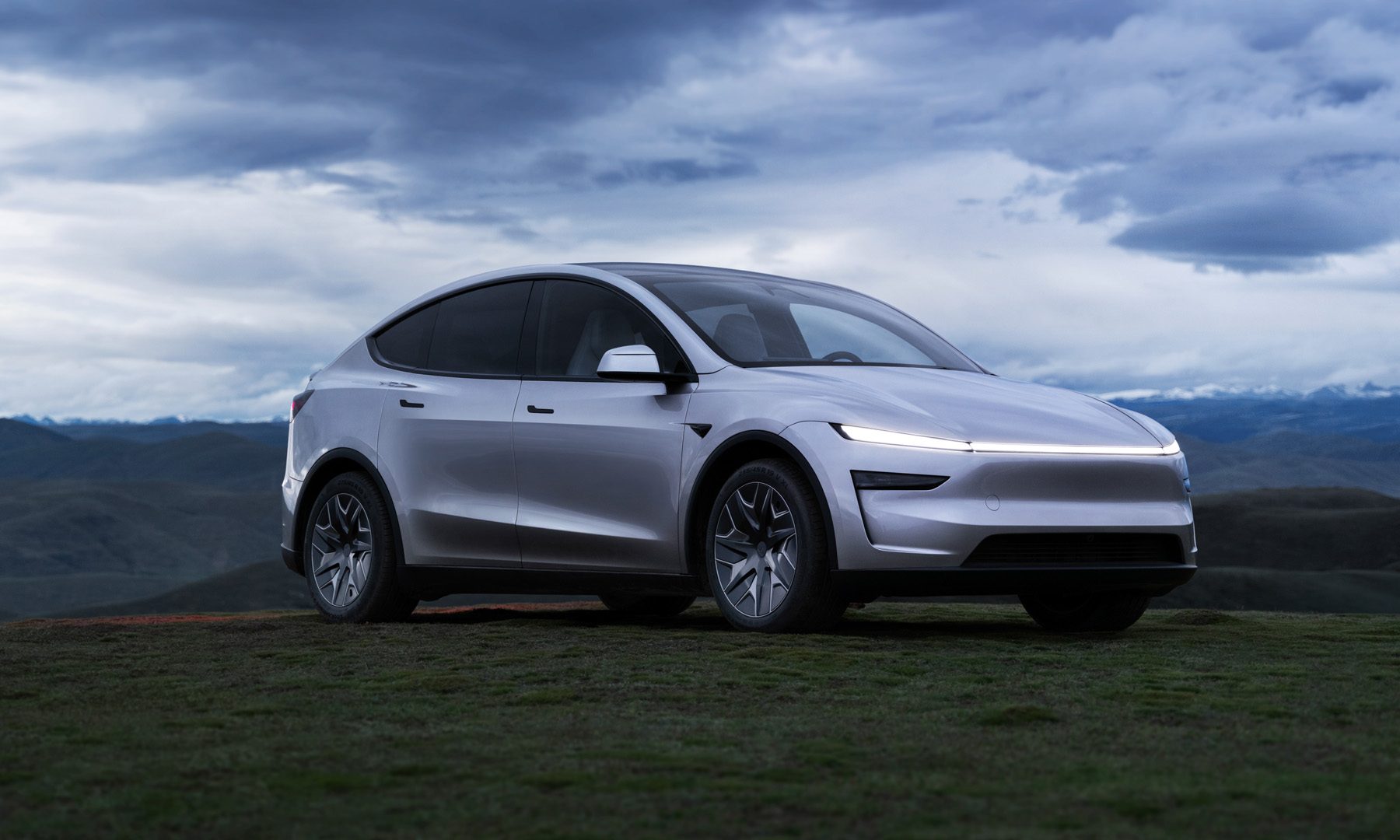
Tesla’s hidden door problem might end up fixing every car in America
This could permanently change how emergency exits are designed in American passenger vehicles.
Tesla Model Y Long Wheelbase Featured

Tesla's electronic door handles have been a safety talking point for years, mostly on Reddit threads and EV forums where people debate whether sleek design is worth the tradeoff when a car is on fire and power is out. 

Now the US government has formally weighed in (via The Washington Post). The outcome, I’d say, is bigger than most people think.

Read more
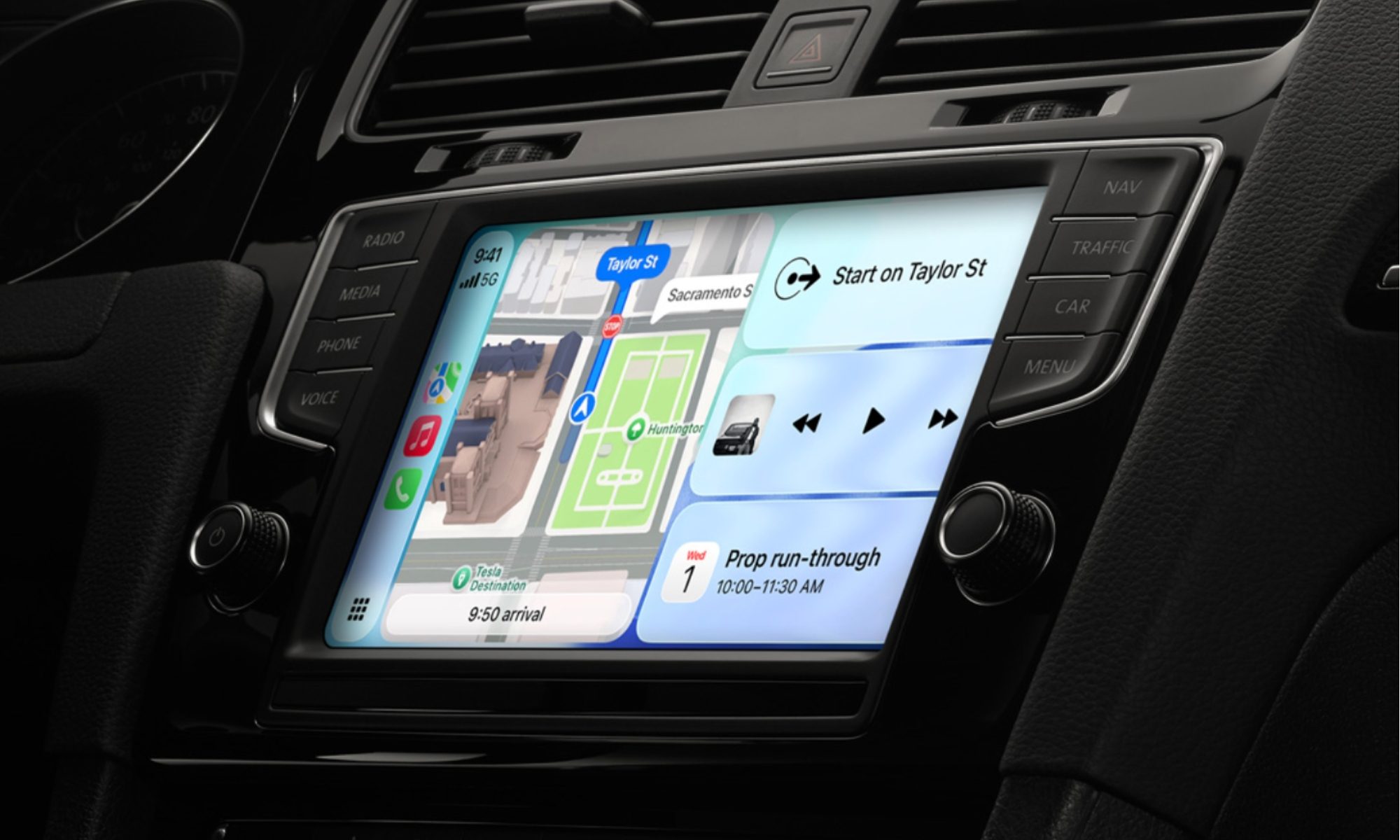
Ford’s UEV platform will feature Apple Maps built in
The integration will run through Apple's new MapKit for Automotive SDK and skip CarPlay's phone-mirroring approach.
Car, Transportation, Vehicle

Ford's upcoming budget electric vehicle won't force you to choose between a built-in map and one borrowed from your phone. Apple announced today that Ford's Universal Electric Vehicle (UEV) platform will ship with Apple Maps running natively on the car's screens. The feature will arrive in 2027 through Apple's new MapKit for Automotive SDK, a toolkit that lets automakers build Apple Maps straight into their dashboards.

An infotainment system that doesn't need your phone plugged in

Read more
WhatsApp’s new in-car experience is built around hands-free control
CarPlay and Android Auto users can now hear and reply to messages, view call history, and reach favorite contacts without touching their phone.
WhatsApp new CarPlay experience featured

Meta is overhauling how WhatsApp works in the car, giving CarPlay and Android Auto users a lot more to do than just sending texts and making calls. The company announced the change in a newsroom post today, alongside several other updates rolling out to the messaging app.

WhatsApp finally works hands-free in the car

Read more