500-zuckerberg

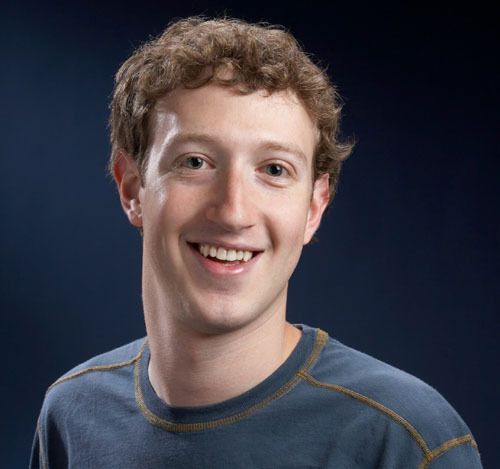
Speaking at an awards show this weekend, Facebook's Mark Zuckerberg described expansive online sharing of personal information as a new "social norm" - privacy be damned.

Speaking at an awards show in San Francisco over the weekend, Facebook founder Mark Zuckerberg described increased sharing of personal information with wider groups of people and businesses as a new “social norm,” pointing out the vast number of people on the Internet who post information about their lives to blogs and who have become “comfortable” sharing information about themselves—and their activities, habits, and purchases—with more and more people and businesses. And in doing so, Zuckerberg describes Facebook’s recent privacy overhauls—which default to sharing substantial information about users with the whole world—as keeping with with current social norms. In other words, in Zuckerberg’s world view, online privacy is not something Internet users expect.

Zuckerberg’s comments come as his company has recently revamped its default privacy settings for Facebook accounts so that, by default, users photos, profile, and status updates are accessible to the entire Internet—including search engines like Google, which have the capability to store the information in cache for an indefinite period of time, effectively making it “immortal” on the Internet. If users do not wish to share that data with the entire world, they have to specifically alter their privacy settings to block that information from being shared.

The Electronic Privacy Freedom Foundation has filed a complaint (PDF) with the Federal Trade Commission alleging that Facebook’s privacy practices endanger its users in an age of online predators, surveillance, and identity theft, and that the company is engaging in “unfair and deceptive practices.” Groups signing on with EPIC’s complaint include the American Library Association, the Center for Digital Democracy, and the Consumer Federation of America.

Zuckerberg may be correct in asserting there is a growing generation of Internet users who don’t care whether information they post to Facebook or other social networking services is widely shared with the world, businesses, and other Internet users; certainly, that sort of real “lifestyle” data is invaluable to advertisers who seek to target Internet users based on their interests and habits. However, lack of online privacy—and users’ cognizance of it—may also generate a backlash, wherein the information users choose to share with the world is exaggerated, half-true, or outright fictional as users create online personas to protect the privacy of their real lives. In that way, lack of online privacy actually works counter to the business interests of social networking sites, because the information they’re providing to their users—and advertisers—may not be a close match with reality.

Showing 11 comments

  1. How social media could someday affect your credit score, insurance, and more | SNID- Master in Social Network Influence Design at 11:12am 28th January 2012 [...] CEO Mark Zuckerberg — Time’s 2010 Man of the Year — once famously declared privacy is not a “social norm” and Facebook and other companies have consistently borne out that idea in the online world, [...]
  2. Tweet lightly: How social media could someday affect your credit score, insurance, and more | TrendMonitor at 7:34am 28th January 2012 [...] CEO Mark Zuckerberg — Time’s 2010 Man of the Year — once famously declared privacy is not a “social norm,” and Facebook and other companies have consistently borne out that idea in the online world, [...]
  3. Tweet lightly: How social media could someday affect your credit score, insurance, and more (Digital Trends) | Daily Cyprus Online News at 3:35am 28th January 2012 [...] CEO Mark Zuckerberg — Time’s 2010 Man of the Year — once famously declared privacy is not a “social norm,” and Facebook and other companies have consistently borne out that idea in the online world, [...]
  4. Tweet lightly: How social media could someday affect your credit score … at 3:31am 28th January 2012 [...] CEO Mark Zuckerberg — Time’s 2010 Man of the Year — once famously declared privacy is not a “social norm,” and Facebook and other companies have consistently borne out that idea in the online world, [...]
  5. Tweet lightly: How social media could someday affect your credit score, insurance, and more – How To Get To 850 Credit Score at 6:57pm 27th January 2012 [...] CEO Mark Zuckerberg — Time’s 2010 Man of the Year — once famously declared privacy is not a “social norm,” and Facebook and other companies have consistently borne out that idea in the online world, [...]
  6. Tweet lightly: How social media could someday affect your credit score, insurance, and more at 5:01pm 27th January 2012 [...] CEO Mark Zuckerberg — Time’s 2010 Man of the Year — once famously declared privacy is not a “social norm,” and Facebook and other companies have consistently borne out that idea in the online world, [...]
  7. Zuckerberg: Kids under 13 should be allowed to use Facebook at 9:19am 24th May 2011 [...] to ensure younger users were safe. Zuckerberg has inflamed critics in the past declaring privacy is not a “social norm,” and Facebook has long been subject to criticism and litigation surrounding disclosure of personal [...]
  8. Bill at 10:58pm 17th January 2010 Forgive me. You are correct, my comments are directed at Mark Zuckerburg, not James as I agree with him.
  9. Ian Bell at 10:26pm 12th January 2010 I am confused...I think James comment agreed with yours? Isn't he saying privacy is important?
  10. Bill at 9:51pm 12th January 2010 You have to be kidding me. Privacy is every bit as important is your business model or your naive ideas about social norms. If you don't think so, let someone compromise your identity, impersonate you online, or steal from you using a phishing scam or other social engineering. Why don't you go one step further and move to China, or stay in a cheap hotel in Detroit with the door unlocked while you are at it. The last thing anyone needs is to be an electronic target for advertisers or anyone else for that matter. Get your head out of your ass. As an internet user, you do not speak for me.
  11. James at 11:23am 11th January 2010 Zuckerberg is getting way ahead of himself. People are not openly sharing more information on Facebook, his sites new settings are doing it without their knowledge, that is all. The whole reason why Facebook grew to where it is, is because of it's inherent privacy settings. You need a legit email and association to school or business to join in the first place. Now the flood gates are open though and everyone will be able to join. Spammers and hackers rejoice!
Close Suggestion CES 2010 Video: We Talk Tablet Trends and Check Out the HP TM2
View Article