Earlier this week, scientists unveiled a prototype robotic firefighter at the Naval Future Force Science & Technology Expo, revealing details about its successful demonstrations held last fall aboard the USS Shadwell, a decommissioned naval vessel.
The “Shipboard Autonomous Firefighting Robot,” or SAFFiR for short, is a project by the Office of Naval Research that aims to prevent shipboard fires from sending sailors to a watery grave. It’s been in the works for years, and now the Navy is finally ready to show it off.
“We set out to build and demonstrate a humanoid capable of mobility aboard a ship, manipulating doors and fire hoses, and equipped with sensors to see and navigate through smoke,” said Dr. Thomas McKenna, ONR program manager for human-robot interaction and cognitive neuroscience. “The long-term goal is to keep Sailors from the danger of direct exposure to fire.”
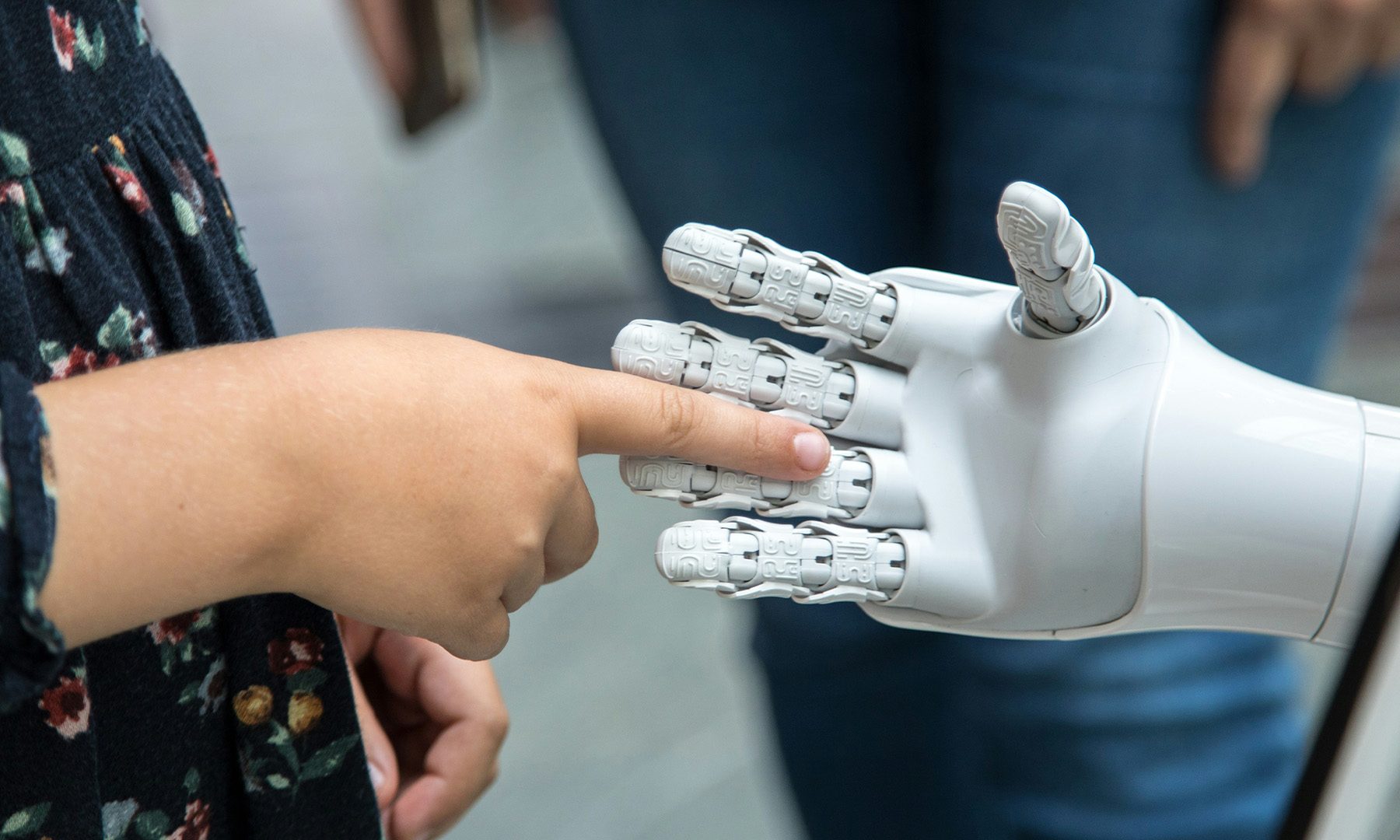
To do this, the SAFFiR is equipped with a boatload of advanced technology. Sensors, including infrared stereovision and a rotating laser for light detection and ranging (LIDAR), enable the humanoid to see through dense smoke. It’s also got hands that can manipulate objects, open doors, and handle a hose.
But seeing through smoke and aiming a hose is just one part of the equation. According to the team who built the bot, the hardest part of the process was designing the robotic equivalent of “sea legs” that allow SAFFiR to stay upright aboard a rollicking ship.
Related: Check out the ‘ambulance drone’ that could one day save your life
“Balancing on any type of terrain that’s unstable –especially for bipedal robots– is very difficult,” said Brian Lattimer, associate professor for mechanical engineering at Virginia Tech. “Whole-body momentum control allows for the robot to optimize the locations of all of its joints so that it maintains its center of mass on uncertain and unstable surfaces.”
It’s still a work in progress at this point, but the team has made some big steps forward in the past few months. Last November, the ONR conducted the first successful test of SAFFiR, during which the robot walked across uneven surfaces, identified what was on fire, grabbed a hose, and extinguished the flames. For this test, a human at a computer console directed the robot, but eventually SAFFiR will do all of these things on its own — hopefully paving the way for a new generation of autonomous disaster response bots.