1. Home
  2. Emerging Tech
  3. Legacy Archives

Apple requests iTunes monopoly lawsuit be dropped

Add as a preferred source on Google
itunes-logo
Image used with permission by copyright holder

Apple has requested that a federal judge dismiss an anticompetition lawsuit against the Cupertino, California-based company, which seeks to prove that Apple limited consumers’ choice with the use of proprietary software placed on its downloads, reports Bloomberg.

The lawsuit, started in 2005, claims that Apple stifled competition with an update made to its FairPlay DRM, a proprietary software, in July 2004, which prevented music downloaded through other services from working on its iPod devices. The update was launched just days after RealNetworks Inc boasted that songs from its Harmony online store could be played on iPods.

Recommended Videos

Apple’s legal counsel, Robert Mittelstaedt, argues that the restrictions on which music worked with iPods are not anticompetitive, but were imposed as a quality-control measure.

“Apple’s view is that iPods work better when consumers use the iTunes jukebox rather than third party software that can cause corruption or other problems,” Mittelstaedt said during a court hearing.

To backup its claims, Apple cited 58 consumer complaints as the reason for its decision to update iPods to not work with other companies’ downloads. US District Judge James Ware, to whom Apple made its dismissal request, asked whether Apple had conducted any scientific tests to confirm the dangers of allowing downloads from other sources. Apple said it had not.

Last month, a separate judge, Magistrate Judge Howard R. Lloyd, ordered that Apple CEO Steve Jobs submit to questioning in the case. Apple eventually agreed, with the stipulations that  Jobs not be asked about any matters outside of the 2004 iPod update, and not exceed more than two hours. Jobs came in for questioning on April 12.

As of March 2009, music sold on iTunes no longer comes loaded with restrictive proprietary software.

Judge Ware said he would decide whether or not to dismiss the case by May.

Andrew Couts
Features Editor for Digital Trends, Andrew Couts covers a wide swath of consumer technology topics, with particular focus on…
A Florida pastor asked ChatGPT if he was okay. It nearly got him killed.
When "just relax and recover" turns out to be the worst medical advice you could get.
ChatGPT on iPhone

Scott Winters, a pastor from Florida, is suing OpenAI after ChatGPT allegedly gave him what his lawsuit calls "extremely dangerous" medical advice, advice that nearly cost him his life.

What happened to the pastor?

Read more
Scientists made robots curious like toddlers, and it helped them learn language twice as fast
Give a robot curiosity, and it starts learning language (and misbehaving) just like a toddler.
robots and kids photo

Scientists have been trying to figure out how kids pick up language so fast for decades, and a new study out of the Okinawa Institute of Science and Technology (OIST) might have cracked part of the puzzle: curiosity.

Researchers built a virtual robot with a brain-inspired neural network and set it loose in a simulated 3D world full of shapes, colors, and simple commands like "push left magenta dumbbell." 

Read more
You can now buy a computer mouse controlled entirely by your tongue
Augmental has opened public sales of the MouthPad, and introduced a new wearable that lets you type hands-free.
Augmental MouthPad and Vox featured

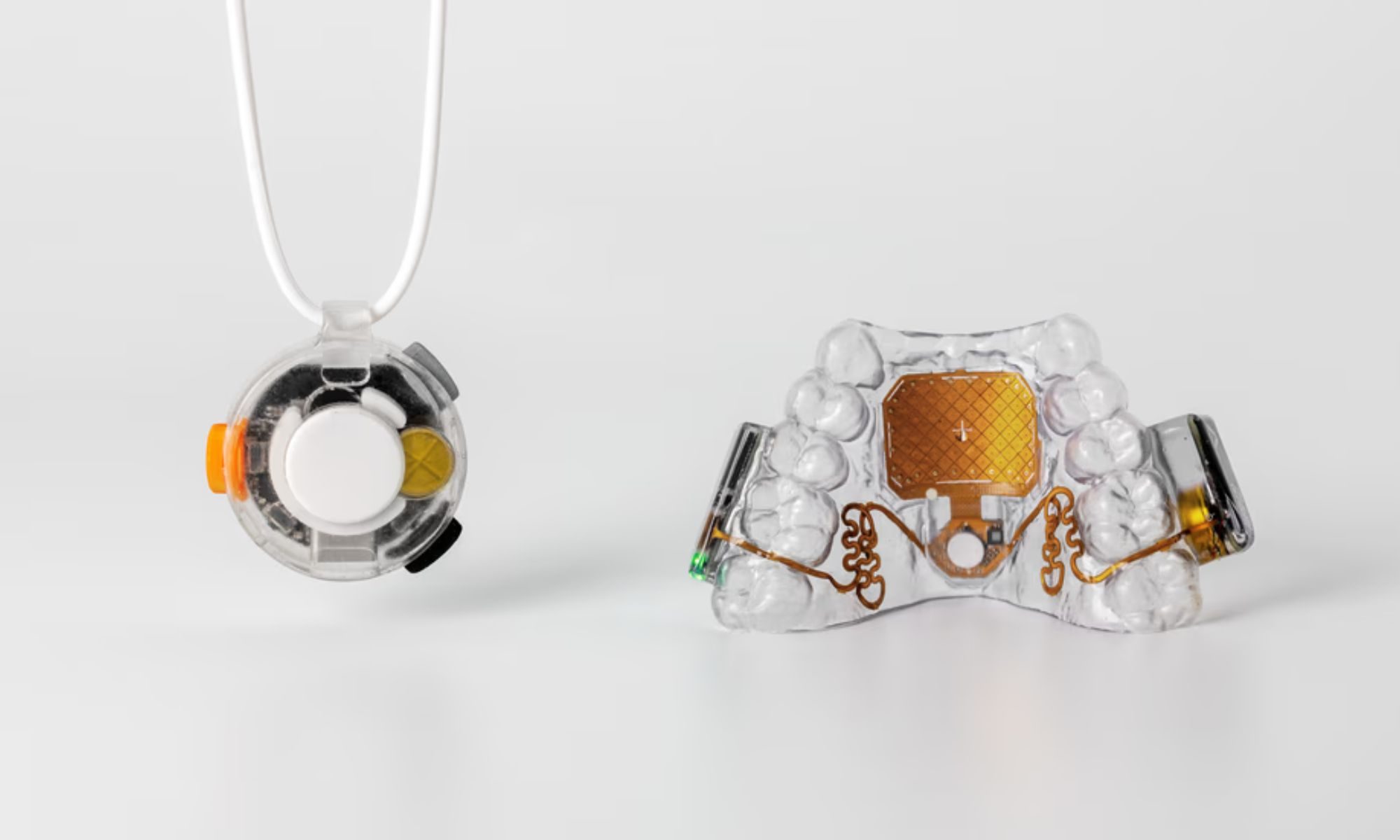
Augmental first showed off its tongue-controlled MouthPad as a CES curiosity in 2024. Today, the device is a real product you can buy, with the company opening public US sales alongside a beta release of Vox, a companion wearable built to handle the typing half of Augmental's hands-free computing promise.

A retainer that doubles as a mouse

Read more