Ubisoft, Activision, and many others: Go ahead and ask those publishers where the big money is. Franchising! Establish your intellectual property and keep it out there. Call of Duty hasn’t missed a year since 2005, a non-stop stream of guns and bullets with ever-increasing sales and scale. Assassin’s Creed has donned its cowl on a perennial basis since 2007 (though 2008 was a bit of a cheat with the Nintendo DS release Assassin’s Creed: Altair’s Chronicles.) The thinking is that if you’re going to spend the massive sums necessary to make HD games, you’ve got to keep product out there earning.
At least one publisher refuses this strategy. Don’t expect 2K Games to push its development partners to get Borderlands 3, BioShock 4, or Grand Theft Auto VI on shelves within a year of their predecessors.
“It’s our view that if you want intellectual properties to be permanent, then you run the risk in circumstance of having consumers fall out of love with that franchise,” explains 2K parent company Take-Two Interactive CEO Strauss Zelnick. He points to Call of Duty: Black Ops II’s flat sales compared to Call of Duty: Modern Warfare 3 as an example. “[Activision] obviously views the world differently. Ours do better each time. Our view is it’s hard to make permanent intellectual properties if you annualize it, with the exception of sports titles. So far that’s proven to be the case. IP that is annualized eventually seems to hit the wall and we don’t want our IP to hit the wall.”
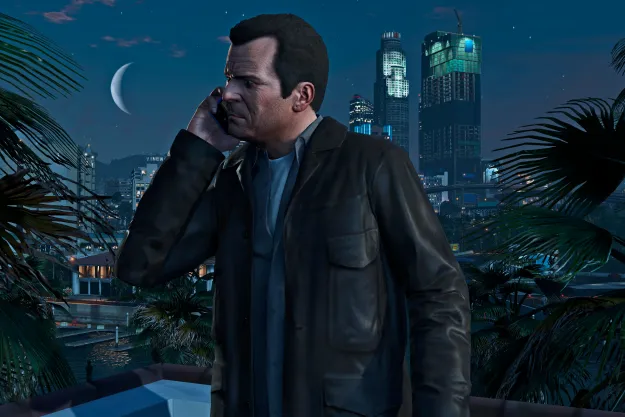
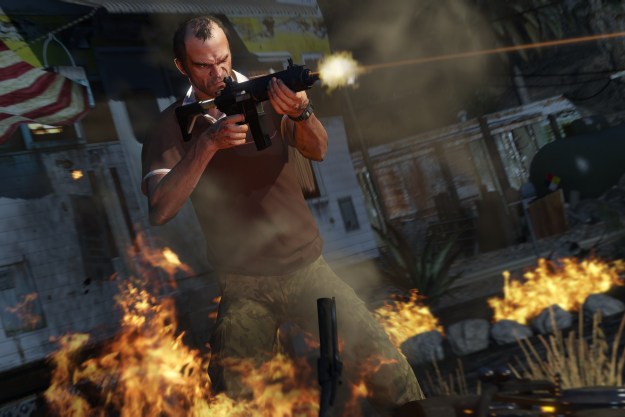
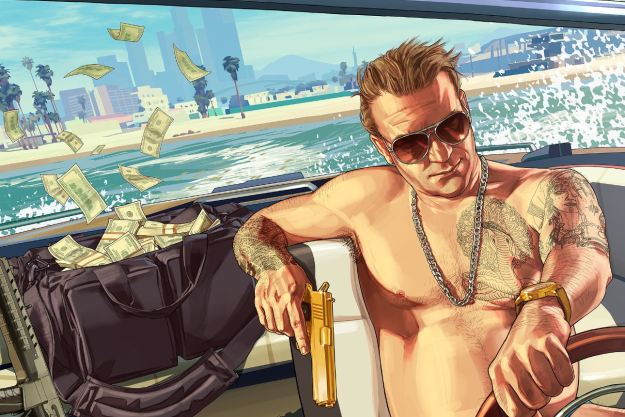
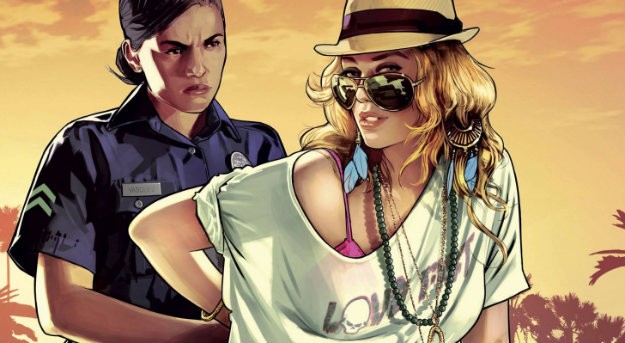
This isn’t to say that Take-Two isn’t reliant on brands. The company relies heavily on titles made by Rockstar Games to turn a profit, and its suffered losses in recent years when those Rockstar games haven’t connected with consumers. Grand Theft Auto IV and Red Dead Redemption helped the company turn in record earnings in 2008 and 2010, but this year the lower than expected sales of Max Payne 3 (in addition to the delay of titles like BioShock Infinite) hit the company hard.
Taking the time and capital necessary to produce a great game like Borderlands 2 is paying off for the company, though. It let Gearbox Software take its time with development and in the meantime maximized the possible audience for the original Borderlands in between.
Activision should look to its own history of saturating the market with franchises. Over-releasing titles in the Tony Hawk and Guitar Hero series killed those properties and the publisher is running the risk of doing the same for Call of Duty.
Editors' Recommendations
- Xbox Game Pass kicks off 2024 by adding an all-time great remake
- How to play Grand Theft Auto games through Netflix
- 5 key details we noticed in the first Grand Theft Auto 6 trailer
- Grand Theft Auto 6 trailer: when it’s coming and how to watch
- Three classic Grand Theft Auto games are coming to Netflix next month