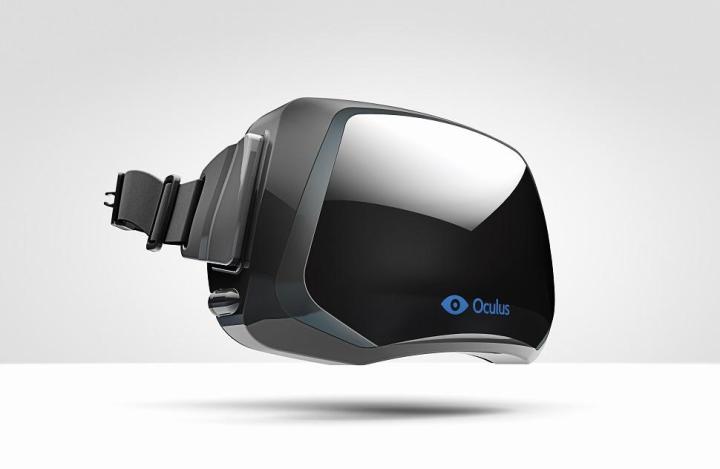
One of the final hurdles between Oculus Rift existing as just a prototype and actually hitting store shelves has been cleared, with Oculus VR confirming that it’s secured $75 million in venture funding. The money comes in the form of series B funding led by the venture capital firm Andreessen Horowitz. As part of the deal, Marc Andreessen, the co-founder of the VC and one of the men behind Mosaic and Netscape, will join Oculus VR’s board of directors.
“We believe Oculus will not only alter the gaming landscape but will redefine fundamental human experiences in areas like film, education, architecture, and design,” Andreessen said. “Oculus is at the tip of the iceberg of its potential, and we’re incredibly excited to help them change the world.”
Oculus VR CEO, Brendan Iribe, went on to confirm that the the ultimate goal behind Andreessen’s involvement is to help produce a retail version of the Oculus Rift, and “[make] virtual reality something consumers everywhere can enjoy.”
The hardware is currently available in prototype form, with developer kits selling for $300 from the Oculus VR website. More than 40,000 developer kits have been sold so far.
The original Oculus Rift began as a Kickstarter product seeking $250,000. It went on to take in more than $2.4 million, and followed that up by raising $16 million in Series A venture funding. That money helped Oculus VR ramp up its operation to the point where it could produce and ship the SDK models and increase its staff size. In August 2013, it announced the high-profile hire of id Software founder John Carmack, who joined the startup as its Chief Technology Officer. In November, Carmack decided to focus his attention full time on Oculus VR, and resigned from id.
“The games industry is well past the point where more pixels, texels, flops, and frames displayed on the same fixed screens are really changing the experiences that players get,” Carmack said following the news of the funding. “What will revolutionize gaming is putting the gamer inside the game. That is our goal at Oculus, and this Series B will help us get there.”
The new funding from Andreessen Horowitz will allow Oculus to further increase its staff and production capabilities. Andreessen Horowitz was founded in 2009 and focuses on funding tech-related companies; it’s previous investments include Groupon, Instagram, Skype, and Zynga.
Oculus has yet to suggest a price or a release date for the retail Oculus Rift, but most assume we’ll see VR headset on store shelves at some point in 2014.