 Check out our review of the Ouya Android-based gaming console.
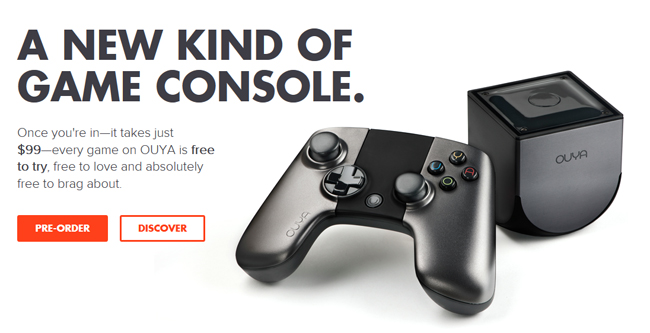
This year has already brought many exciting developments in the realm of gaming hardware, and many more lie ahead, but Ouya has managed to distinguish itself. The $100 Android-powered console soared along on a wildly successful Kickstarter campaign last year, generating more than $8.5 million in funding. And on March 28, it finally lands in backers’ hands.
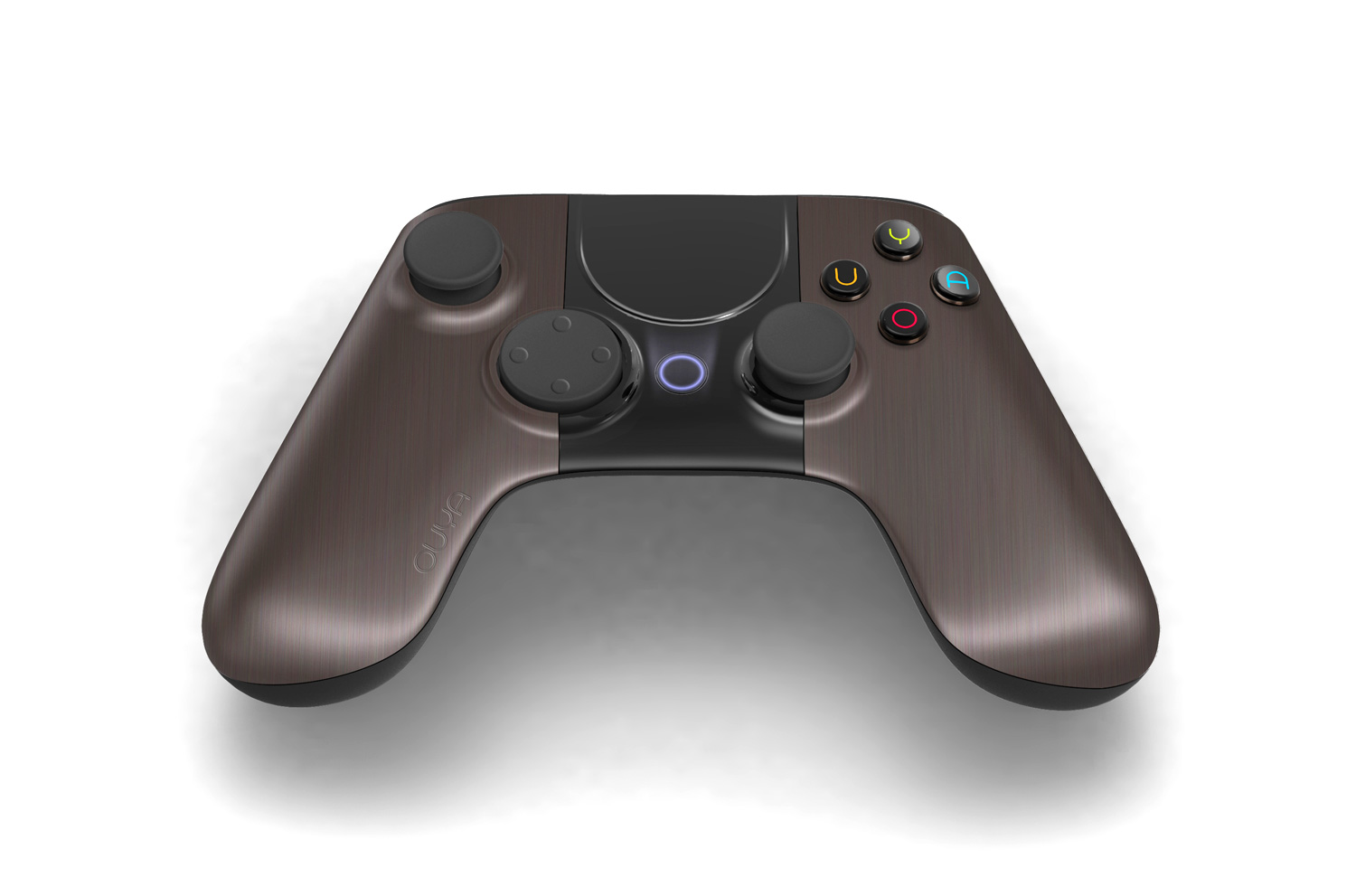
In the spirit of full disclosure, this is probably the place for me to mention that I’m an Ouya backer. I stepped up immediately to put down money on what I considered – and still consider – to be a pre-order for a product that I’m interested in. When Ouya offered a limited-edition version of the console in brown brushed-metal in the final week of funding, I stepped up my order because I am a collector of such things.
So what is it that got me and more than 63,000 other backers to lay down cash for product that doesn’t yet exist?
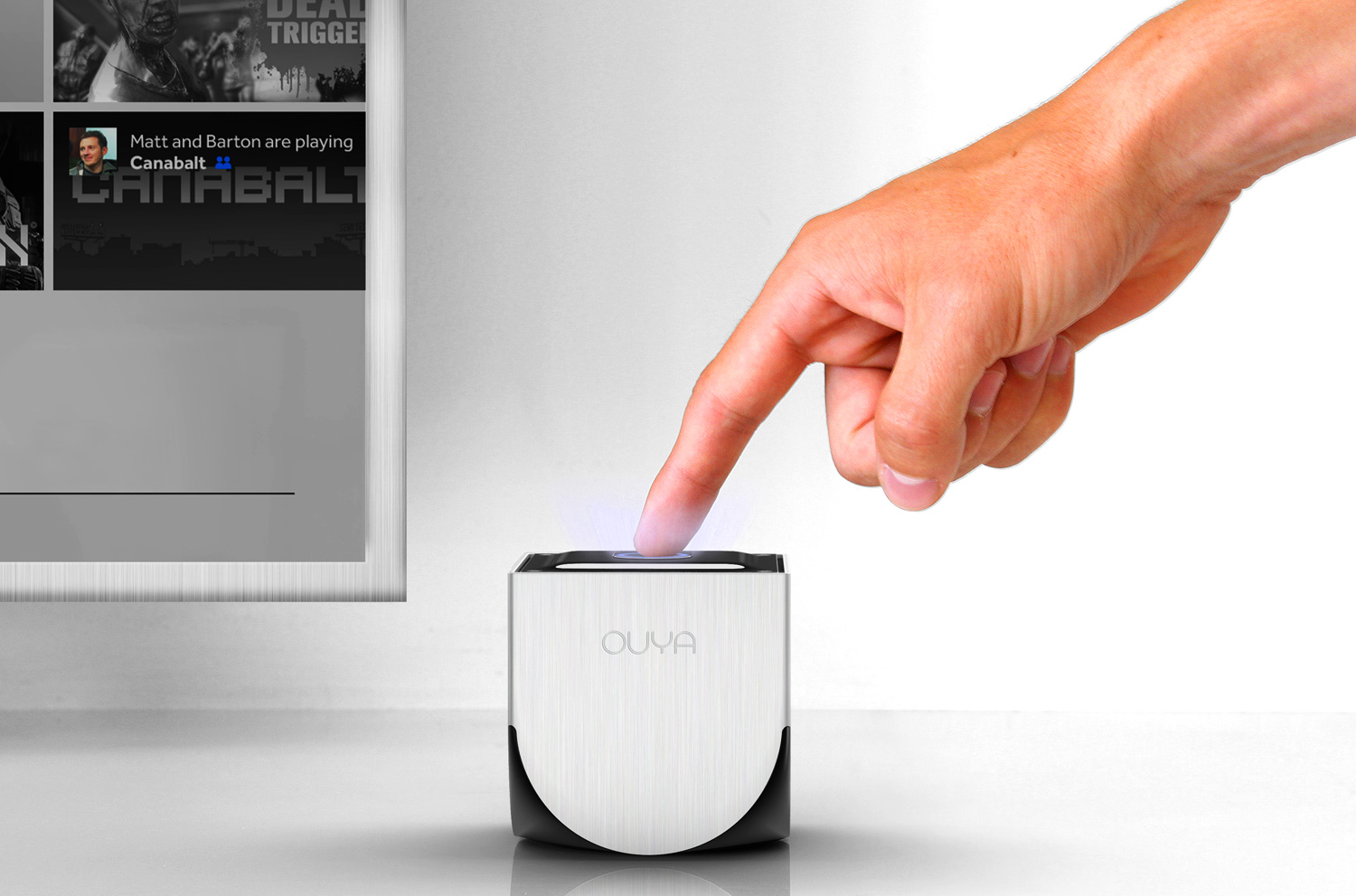
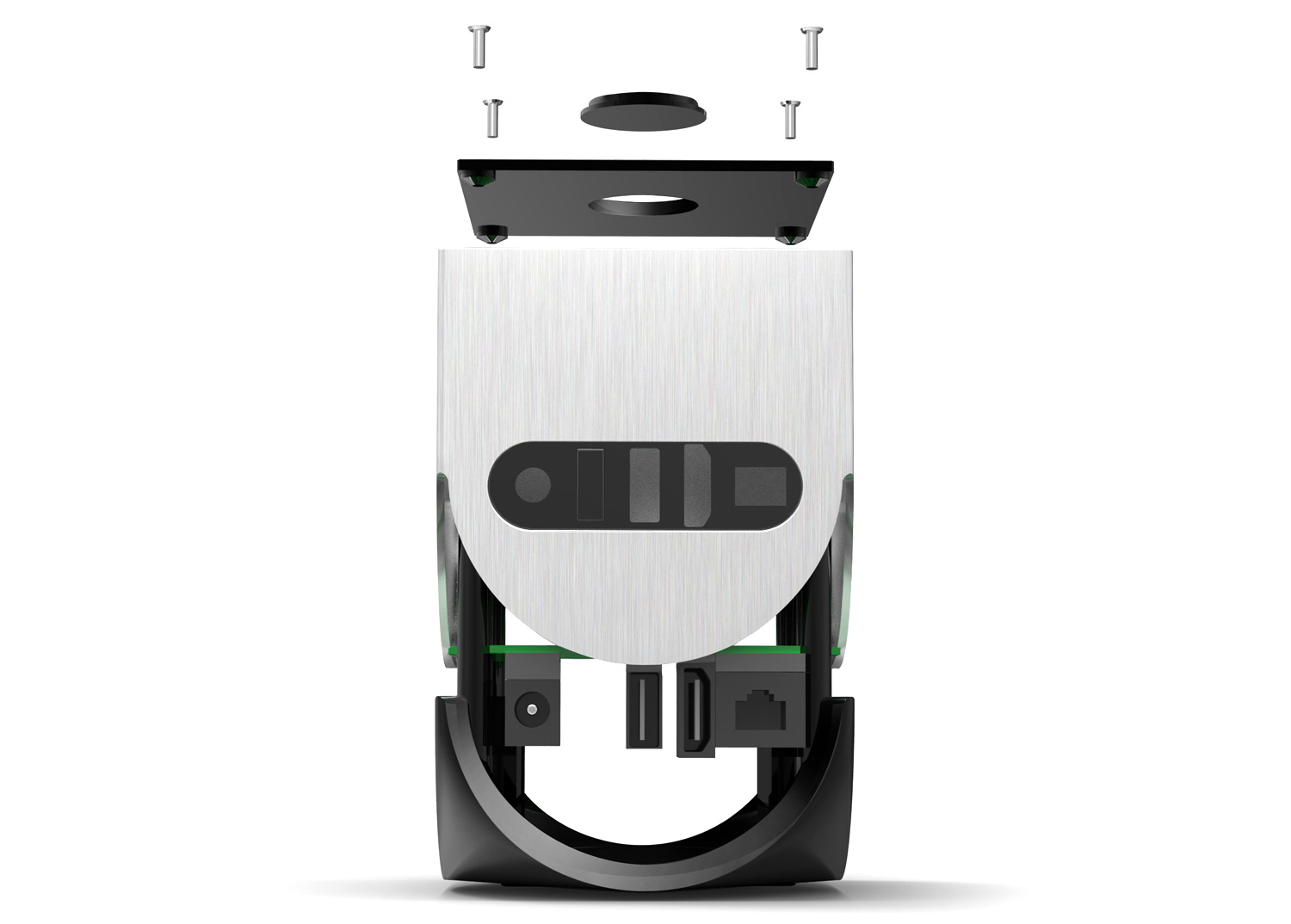 It isn’t the hardware. Ouya is a sexy little device, designed by Jawbone headset creator Yves Behar, but its innards are nothing groundbreaking. The Tegra 3 quad-core processor was still fresh when the console was announced, but mobile tech hardware jumps from one generation to the next very quickly these days. Uhrman promised yearly hardware upgrades – a sensible move for ensuring that Ouya keeps pace with what’s out there – but that pledge was made only recently at the 2013 D.I.C.E. Summit last month.
It’s not the free-to-play, open-platform approach either, at least not entirely. It is very cool that the Ouya was designed with easy hardware modding in mind, and that the Ouya Store is supposed to offer free-to-play experiences. But you can get the same thing from a home computer plugged into your TV though, and then some. There’s a significant price difference, of course, but in this situation you very much get what you pay for.
What, then, is so ridiculously appealing about this little, Rubik’s Cube-sized console?
 Hype has a lot to do with it, no question, but said hype is fueled by the talents of a team of industry veterans. Ed Fries, the man who introduced the upstart Xbox to a world of PlayStation 2 gamers, now sits on the advisory board for the upstart Ouya. This console is ultimately just a mobile platform turned into a TV-friendly, gamepad-controlled device. Behar’s involvement resulted in a piece of hardware that is immediately eye-catching. And even before thatgamecompany’s Kellee Santiago came on board to head up developer relations, Ouya had already attracted a commitment from some significant names.
Really, that’s what is most exciting about Ouya right now: The combination of a talented team, sexy design, and downright unusual approach was compelling enough to gamble a Benjamin on its success. Then the developers stepped up. In force.
Former Infinity Ward creative strategist Robert Bowling was one of the early adopters, promising to deliver a prequel to The Human Element, a game he planned to put out in 2015 with a new studio. Portal creator Kim Swift and her own Airtight Games (Quantum Conundrum) also began work on a console exclusive. Another Kickstarter success, Double Fine Adventure, is a confirmed exclusive for console platforms as well. This story repeats quite a bit. Developers and publishers of all sizes seem to be flocking in the direction of Ouya.
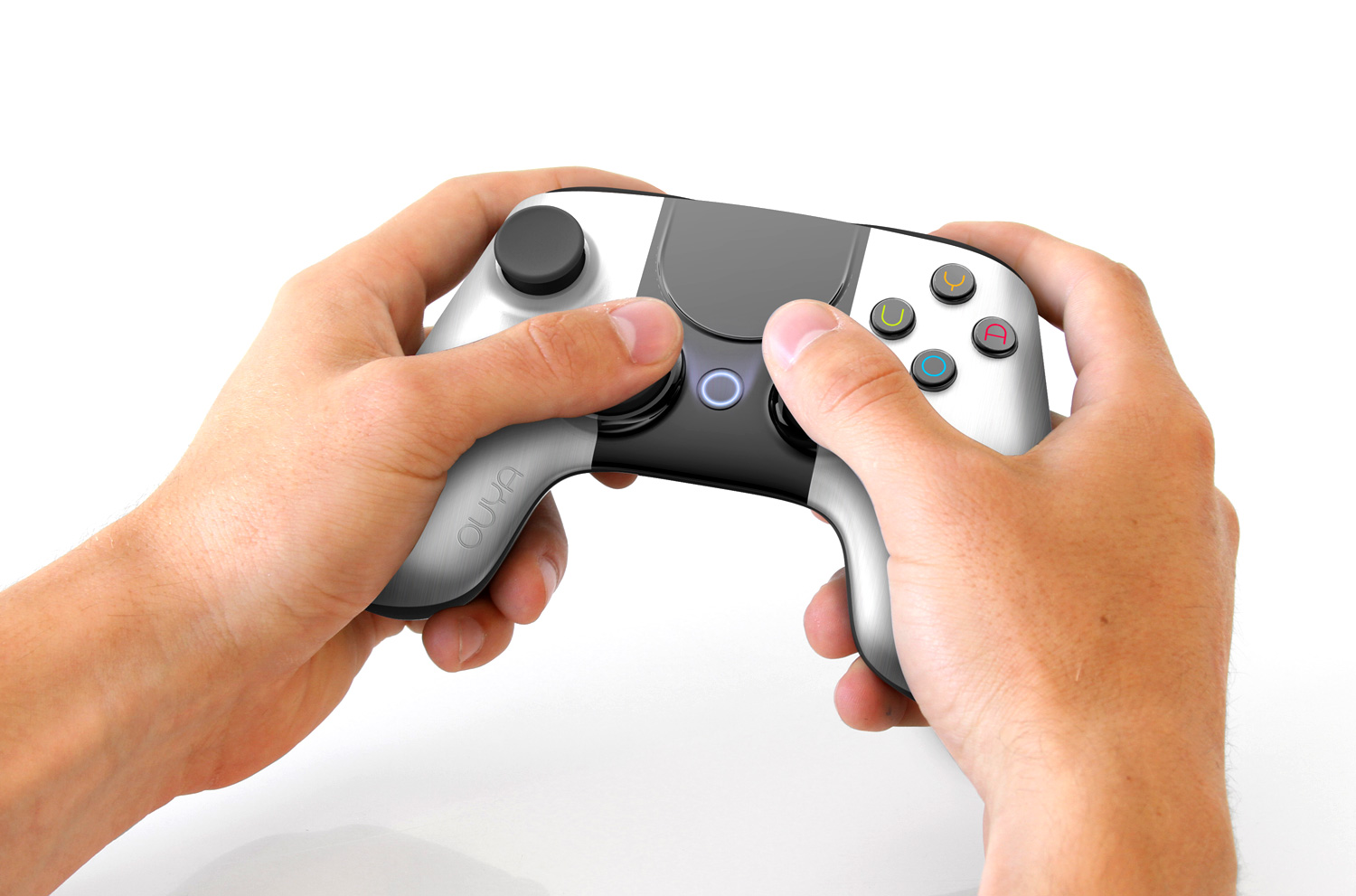
Then there’s the recent CREATE game jam that Kill Screen sponsored in partnership with Ouya. Featuring a panel of judges that included the likes of Phil Fish, Austin Wintory, and Felicia Day, a handful of finalists were selected to receive complimentary Ouya dev kits and a place for their winning designs (once completed, of course) in the console’s game catalog. The level of interest in what is ultimately a rather unknown quantity (the backer support is astounding, but the platform remains unproven) continues to grow.
The pressure is on now, though. Ouya’s masterful pre-release campaign caps off in a few weeks when the first consoles ship out to backers. At that point, Ouya becomes more than a dreamy open-source paradise for creators and consumers alike. The real test of its strength will begin.
I’m still 100 percent excited to get my console in the mail. I don’t have any real sense of what I’ll be playing on it at launch at this point, but the anticipation of a new tech toy wins out for the time being. I still can’t help but wonder what comes next. Promised exclusives are a great thing, but just how great they end up being on this virgin platform remains to be seen.
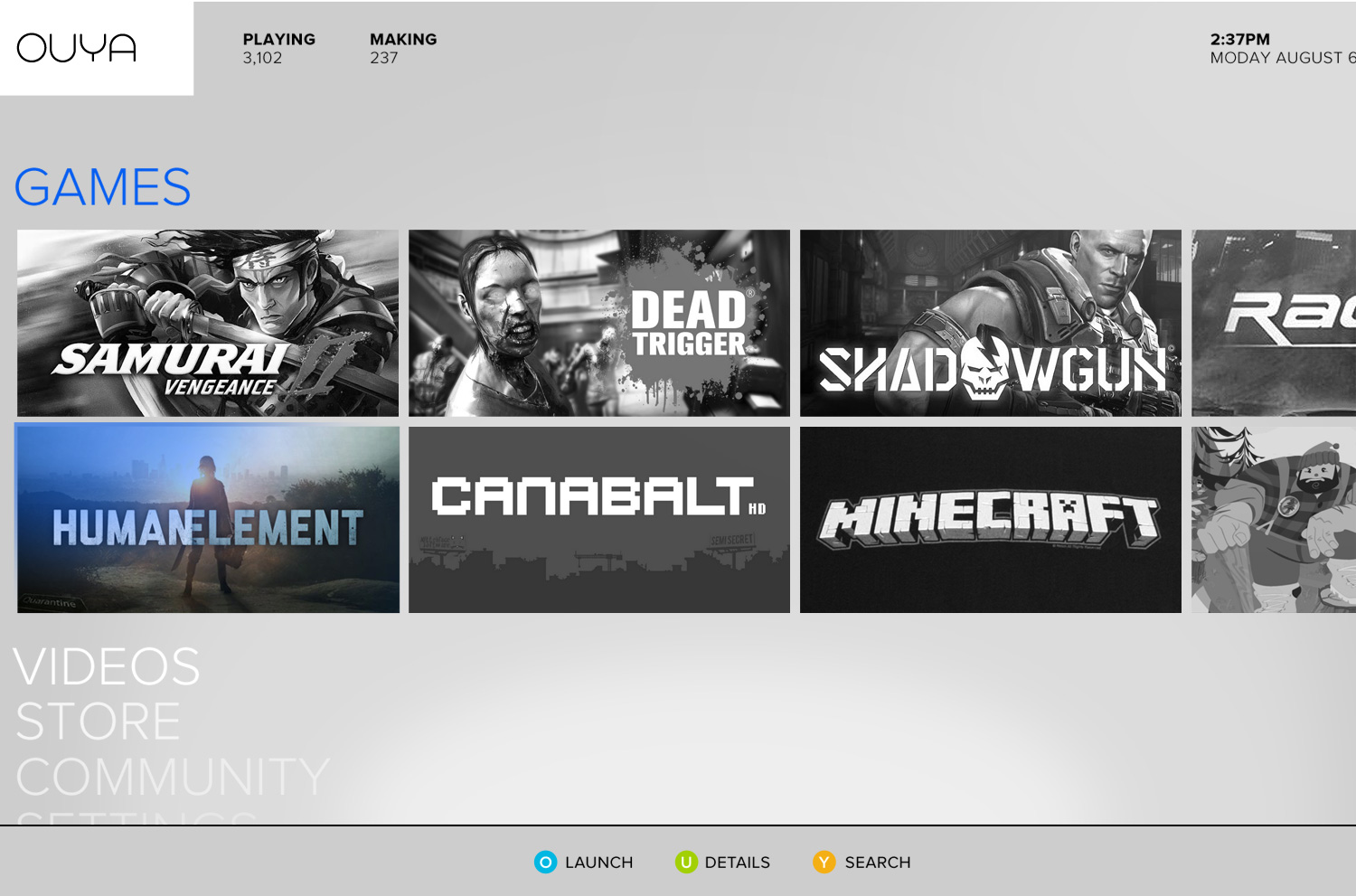
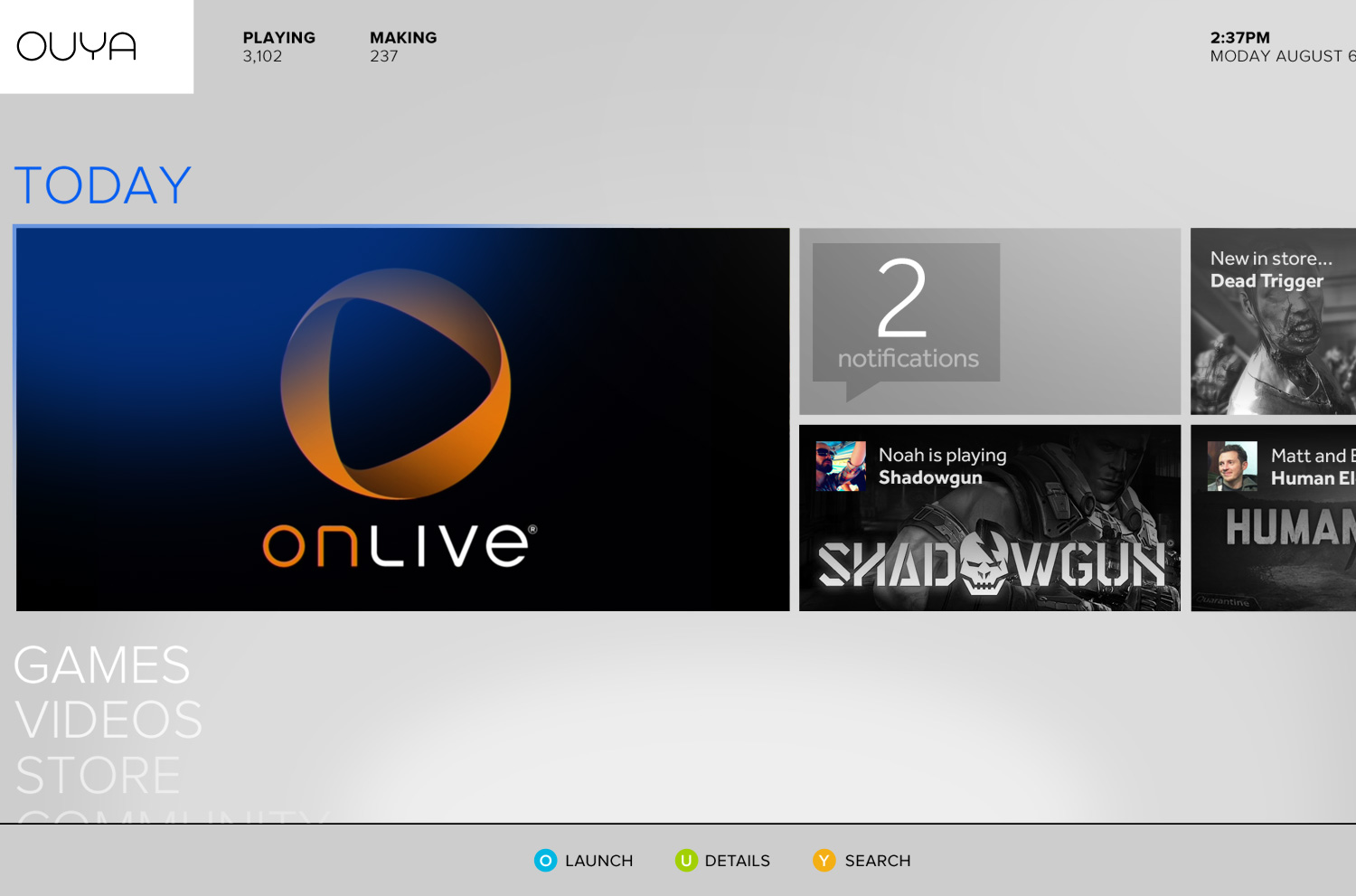
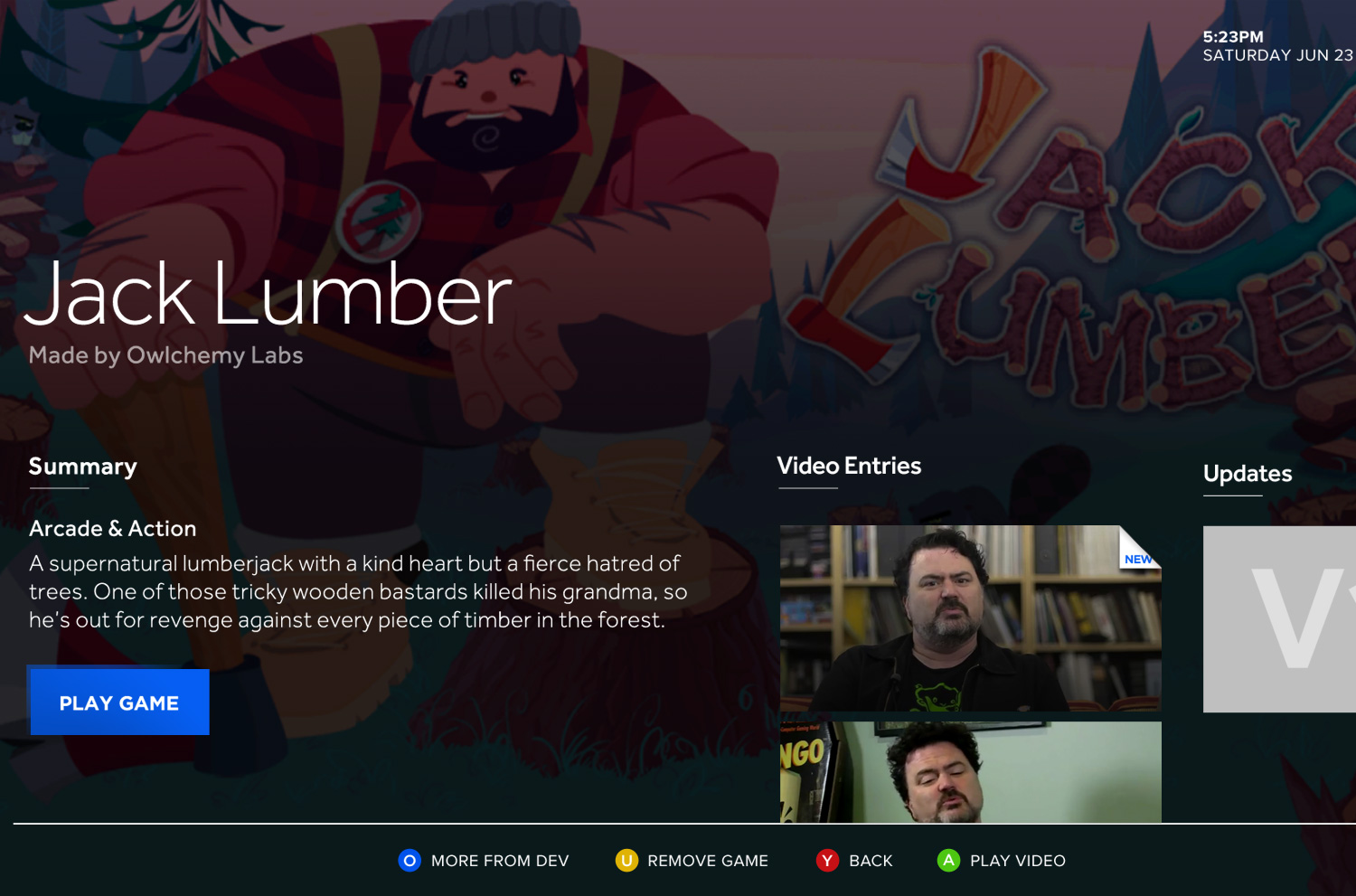
The launch, fueled by $8.5 million in backer funds, will be a big deal, no question. Beyond that… who knows? There’s a retail launch in June that may well be made or broken by what happens at the end of this month. Ouya, ultimately, is still a gamble. The folks behind it have taken all of the necessary steps to tilt the odds in their favor, but there’s no sure thing here the way there is with the launch of hardware from Microsoft, Nintendo, or Sony. My excitement remains, and yours should too if you’re a backer, but take care to temper your expectations.
Editors' Recommendations
- You can try Google Play Games on PC today as beta expands to the U.S.
- Google Play is helping developers meet gamers where they are
- Why Steam Deck doesn’t stack up to Xbox Game Pass Ultimate on Android