- Home
- Audio / Video
Audio / Video
About
News, reviews, and discussion about the entire A/V world, ranging from 4K TVs and home theater setups to the latest in headphone technology and speakers.


This 40-inch smart TV is a no-brainer while it’s discounted to $148












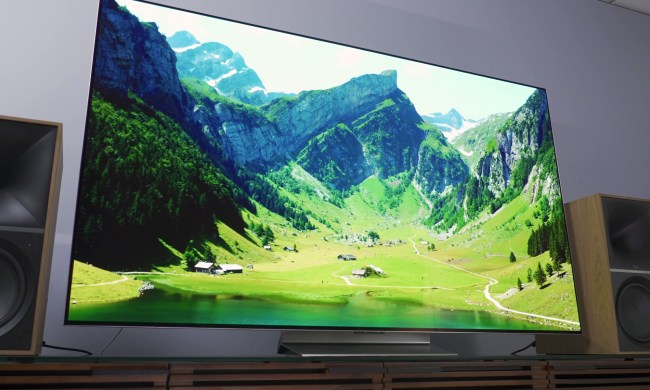
How to mirror your smartphone or tablet on your TV

What is Google TV? Here’s everything you need to know

IPS vs. VA displays: Which is best for your monitor or TV?

The 10 best short throw and ultra short throw projectors
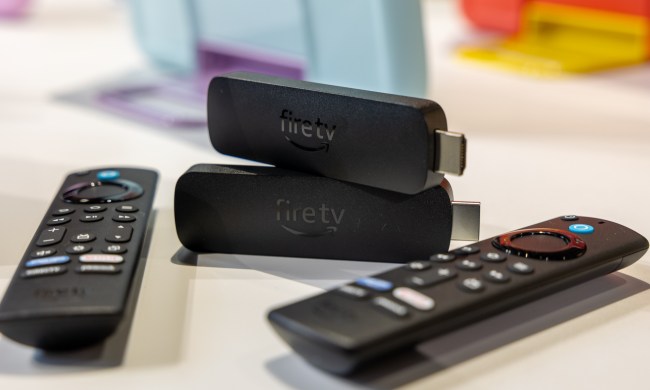
The most common Fire TV Stick issues and how to fix them
The best soundbars of 2024: a sound upgrade for your TV

The best subwoofers for 2024: Klipsch, KEF, Kanto, and more

LG soundbars are ridiculously cheap at Best Buy today

This Anker portable projector is on sale for $400 — 50% off!

The best projectors for 2024: from 4K to ultra short throw
Roku closes the barn door, badly, after a half-million accounts are compromised

This outdoor TV has a $600 discount in time for summer

Rare deal drops this 75-inch QLED from Samsung to $850
![[EMBARGO IMAGE 04/12] Cambridge Audio CXA81 integrated amplifier.](https://www.digitaltrends.com/wp-content/uploads/2024/04/cambridge-audio-CXA81-MKII-amplifier-front-lifestyle-01.jpeg?resize=650%2C390&p=1)
Cambridge Audio’s CXA81 Mk II amplifier gets a tune-up and a sweet new DAC

Best Buy deals: Save on laptops, TVs, appliances, and more
What is Tidal? The hi-fi streaming music service fully explained

Sony’s ULT Power Sound headphones and speakers go big on powerful bass

Let’s discuss an Apple TV 4K with a camera

You’ll be shocked how affordable this 75-inch 4K TV is right now

Sennheiser Momentum Sport earbuds take your temperature the easy way

These KEF wireless bookshelf speakers are $300 off at Crutchfield

This 65-inch Mini-LED TV just had its price slashed to under $500
Audio / Video News


Headphones


Audio / Video Reviews


Music Streaming Services



Phil spent the 2000s making newspapers with the Pensacola (Fla.) News Journal, the 2010s with Android Central and then the personality behind Modern Dad, and is currently an editor with Digital Trends. Phil’s online work has taken him all over the United States, as well as Europe and Asia.
When he’s not writing, editing, or shooting video, Phil serves as president of the Pensacola Youth Soccer 501(c)(3) nonprofit, has worked on multiple local political campaigns and is a part-time photographer and videographer. He’s also a candidate for Pensacola City Council, District 1.
Phil is a native of Pensacola, where he resides with his wife, daughters and a dog named Max.
Find Phil on Mastodon, or on Threads.