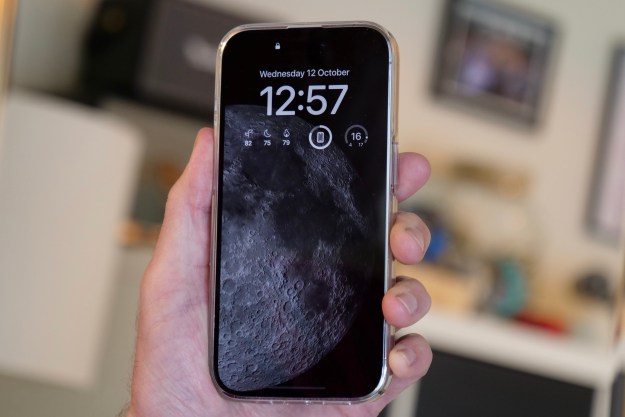
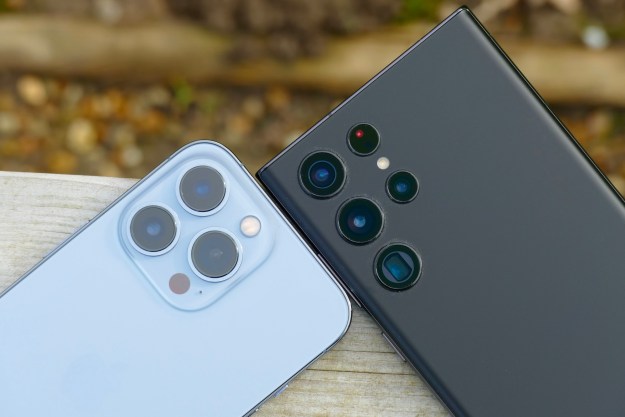
Remember the term iPhone Killer? It’s one that’s rarely used these days, but after the original Apple iPhone went on sale in 2007, it was used with reckless abandon to describe almost every competing smartphone subsequently released. The trouble was, none of the phones were even vaguely capable of striking down Apple’s hugely popular phone. The reason for their feebleness in the heat of battle wasn’t because they were technically inferior – often quite the opposite – it’s that they were fighting the wrong battle in the first place. The irony is, now that there really is an iPhone Killer available, nobody really uses the phrase anymore.
Most of you will already know the identity of the iPhone Killer, but we’re still going to save its reveal for the last minute, murder mystery style. Before the unmasking, here’s a look back at a few of the warriors – from the admirable to the pathetic – sent to strike down Apple’s all-powerful iPhone since its 2007 debut.
2007: Touch Pro and Prada
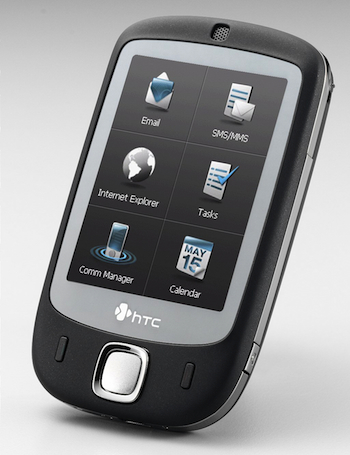
In 2007, the iPhone’s year of release, most of Apple’s rivals thought using a touchscreen – any touchscreen – was the key to success. HTC did it best with the beautifully styled HTC Touch, a smartphone that featured the TouchFLO UI, HTC’s precursor to Sense, but sadly it ran on Windows Mobile 6, which was hateful. The 2.8-inch screen was resistive too, which meant you had to press down on it with pressure, and it came with a little stylus to help press Win Mobile’s ridiculously minuscule buttons.
 The only phone which came close to challenging the iPhone for popularity was the Nokia N95. Released before the iPhone (which is why it’s relegated to being an honorable mention), it had a 2.6-inch screen, a 5-megapixel camera, GPS, a cool dual-slide screen and the Symbian operating system. It was the smartphone to have at the time.
LG takes the crown for worst attempt with its overly flashy, terribly conceived attempt at iPhone killing, the KE850 Prada. Sure, it was attractive enough, but it was outrageously expensive, and had a painfully imprecise resistive screen and a stylus on a keychain. It, along with the Samsung Armani, ushered in a string of fashion phones too, none of which were any good at all.
2008: The G1 and the birth of Android
This was the first year Google came on the scene with Android, and it’s difficult not to see it’s first phone, the T-Mobile G1, without feeling nostalgic. It’s the little details that make it something of a classic, from the trackball below the screen to the scissor action to reveal the keyboard and of course, the Android operating system. Subsequently released without carrier branding as the HTC Dream, this is the one that started it all. If you’re wondering why the G1 didn’t kill the iPhone, it was Android’s age-old problem, it was just too geeky.
Elsewhere, manufacturers were struggling with Windows Mobile, on the Sony Ericsson Xperia X1 and Samsung Omnia i900 for example, or weird modified feature phone systems, like the LG Voyager and Samsung Instinct. Again, they were relying on a touchscreen to attract punters. None were as bizarre as the Neonode N2 though, a tiny 2-inch screen phone with a modified version of Windows Mobile CE and a gesture control system to make up for the fact the whole thing was just too damn small.
Right at the end of 2008, Research in Motion gave us the BlackBerry Storm, with its SurePress (read: a button under the screen) 3.2-inch touchscreen and no Wi-Fi. It wasn’t a success.
2009: Droid and Palm Pre
Now, things start to get serious. Palm came back on the scene with the Pre, one of the better challengers of the year thanks to its innovative operating system, but a bungled international launch, questionable build quality, and limited public interest meant it never even had a chance to challenge Apple’s all conquering iPhone 3GS, released in June that year.
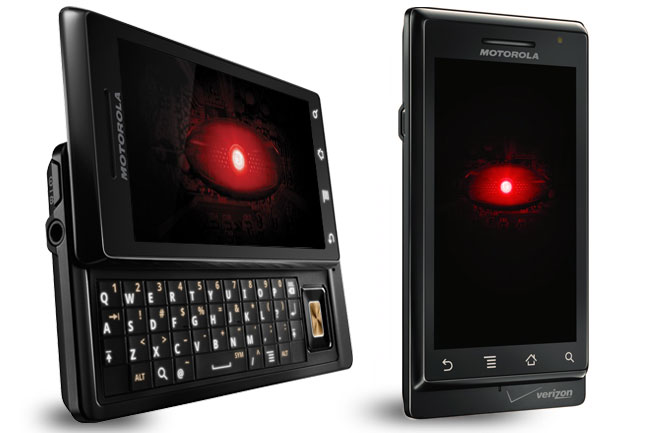
Just as 2009 was about to end, the Motorola Droid was released on Verizon and later internationally as the Milestone, along with Android 2.0. This pushed Android and Motorola into the limelight and thanks to a good product and an exciting ad campaign, the first Droid sold very well. But it still looked a bit old-fashioned next to the iPhone, as it combined its 3.7-inch touchscreen with a slide-out keyboard.
Less successful new phones include the flawed-but-attractive Sony Ericsson Xperia X10, Toshiba’s TG01, the Nokia N97 and Sony Ericsson’s Satio, which took almost eight months to go on sale after its announcement, only to be withdrawn because of problems with its Symbian operating system.
2010: The Evo, Galaxy S, and Windows Phone 7
2010 was a massive year for mobile phones, but the Apple iPhone 4 stood resolute, with its impressive new design and high resolution Retina display. It was joined by a series of strong competitors such as the first Samsung Galaxy S, the Nokia N8 and the Google Nexus One. However, the HTC Evo 4G was the year’s most exciting new hardware, with its 4G WiMax connectivity, massive 4.3-inch screen, 1GHz processor and Android 2.1 OS, while Microsoft debuted the most exciting software – Windows Phone 7.
It was also a year of sequels and phones that began to blur into one. Devices such as the LG Prada 3.0, the Droid Incredible and Droid X, Palm Pre 2, and the BlackBerry Storm 2 weren’t bad phones (well, the Storm 2 was a bit) they were just faceless, and that was a big problem when trying to compete with the iPhone 4.
2011: Galaxy rises
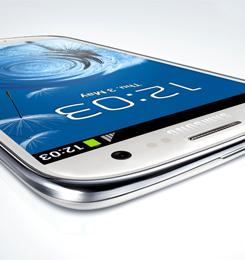
Here’s where everything started to change and Apple only has itself to blame, thanks to the lackluster iPhone 4S – a great phone that looked identical to the iPhone 4 on the outside, at a time when the public was demanding innovation. Samsung swooped in with the Galaxy S2. Equipped with a dual-core processor, an unfeasibly thin chassis and a gorgeous Super AMOLED Plus screen, it was more exciting than any Samsung phone before it. HTC tried valiantly with the Sensation series, as did Motorola with the Razr, but this was the year when the fight for supremacy became a two horse race.
2012: A true iPhone equal arrives
That brings us to the denouement, and it has taken five years for someone to realize that to kill the iPhone you first needed an army, and only Samsung has managed to build one strong enough to take it on. Pockets of resistance have existed before, but only amongst the geeky, and it wasn’t until the Galaxy S3 was announced that the people had a champion. Samsung’s marketing machine has pushed the Galaxy S3 so effectively, often using extreme, rabble rousing techniques, it has been embraced by legions – in exactly the same way as the iPhone. Now, with an army behind it, the strength of the Galaxy S3’s hardware can finally be used to Samsung’s advantage.
So is the iPhone dead? No, of course not, but for the first time in five years, it has met its match.
Editors' Recommendations
- iPhone 16: news, rumored price, release date, and more
- iPhone SE 4: news, rumored price, release date, and more
- Here’s how Apple could change your iPhone forever
- How to connect an iPhone to a Mac with or without a cable
- How to use iMessage on an Android phone or tablet