 The Associated Press and other news organizations are asking a judge to unseal the search warrant affidavit used to raid the home of a technology blogger who posted pictures and details of an iPhone prototype.
Court documents listing the legal reasons for searches are usually made public within 10 days. But the affidavit supporting the April 23 raid of Gizmodo.com editor Jason Chen’s house and car remains sealed.
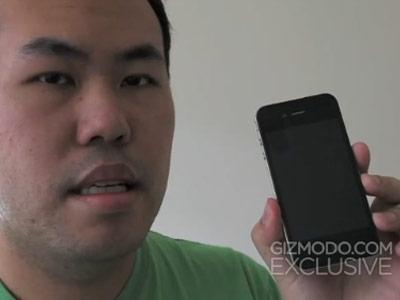
Gizmodo had posted photos of what appeared to be a next-generation iPhone 4G found in a California bar. Apple Inc. later acknowledged the device belonged to the company.
Joining in the court filing are Bloomberg News, CNET News, the Los Angeles Times, Wired.com, the California Newspaper Publishers Association and the First Amendment Coalition.
They argue that the affidavit will help determine whether the raid was appropriate. California law protects journalists from having to turn over certain material during a search.
Editors' Recommendations
- Why you should buy the iPhone 15 Pro instead of the iPhone 15 Pro Max
- 3 reasons why I’ll actually use Anker’s new iPhone power bank
- There’s a big problem with the iPhone’s Photos app
- 10 iPhone productivity apps you need to download right now
- Best iPhone 15 deals: How to get Apple’s latest iPhone for free