 Consumers are spending a larger share of their budgets online. Earlier this year, Forrester projected that online shoppers would spend $226 billion, up 11 percent from the $202 billion spent last year. This year’s online retail forecast represents seven percent of total retail sales, a number that has been rising steadily. This shift has led to an increase of personal data captured online, and with that, heightened concerns over data privacy. While privacy has long been an issue online, a recent study has shown that consumers are showing an increased willingness to share their data in return for a more personalized and targeted shopping experience.
We’re willing to hand over the data
A new study conducted by Accenture found that the majority of consumers in both the U.S. and UK are willing to have trusted retailers use some of their personal data in order to present personalized and targeted products, services, recommendations and offers.
The study, which surveyed 2,000 U.S. and UK consumers, found that while 86 percent of those surveyed said they were concerned that their data was being tracked, 85 percent said they realized that data tracking make it possible for retailers to present them with relevant and targeted content. Notably, almost half (49 percent) of those surveyed said they are receptive to having trusted brands track their data in return for a personalized shopping experience—providing relevant recommendations, targeted offers, and information on future product availability.
When consumers were asked to choose between personalized shopping experiences based on their past consumer behavior, or non-personalized experiences in exchange for having retailers not track their data, 64 percent of respondents said they’d prefer the personalized experience. Another 64 percent of U.S. and U.K. consumers surveyed said they would be willing to have brands send them text messages when shopping at brick and mortar stores to provide personalized offers based on previous purchase history.
But while 73 percent of consumers surveyed said they prefer do business with retailers who use personal information to make their shopping experience more relevant, the vast majority of consumers (88 percent) think that companies should give them the flexibility to control how their personal information is being used to personalize their shopping experience.
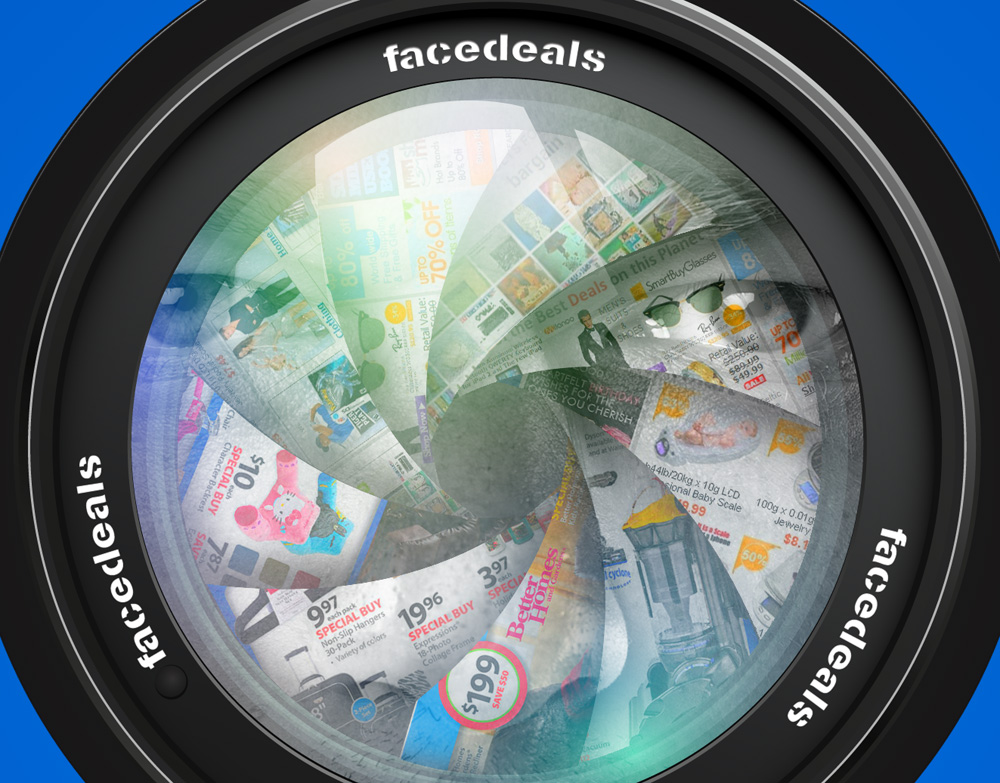
 Dave McMullen, partner at Redpepper, an integrated advertising and marketing company, explained that his company is working on an app that allows consumers to opt-in to sharing their preferences with brands in return for personalized offers, adding that the only way consumers are going to be willing to have their data tracked is if they in turn get something out of it. “Retailers want to know more about their customers, yet their customers are wary of providing more information about themselves because they know they’re being tracked and targeted,” McMullen said. “Generally, people feel little motivation to offer up more details about themselves because they don’t see any benefit from it … The Facedeals application we’re developing at Redpepper will allow opt-in users to share their preferences with brands and automatically receive special offers from them upon visiting their locations—offers for products and services they’ve already declared interest in. The bottom line is that brands have to get better at giving people something they want in order to win their trust and inspire customers to share information about their lives.”
Rachel Brooks, the founder of Citizen Made, a company specializing in product customization software, said most consumers now expect that their experiences online will be customized. “A personalized web experience is something that most have become accustomed to; whether it is from a curated news feed, targeted flash sales, or even designing your own product directly on a site. We’ve truly entered an interactive economy.”
This trend toward personalization will only continue. Earlier this year Kleiner Perkins partner Aileen Lee shared her thoughts on the trend towards personalization. “In the future, the best retail sites will know you much better and show you things that are much more relevant … We are just at the beginning of a revolution of e-commerce, and existing retailers are going to have to get better at personalizing the experience for consumers.”
So what exactly is personalization?
Many companies today are offering consumers personalized content—from search engines to social media sites to music streaming sites. But what exactly is personalization when it comes to e-commerce?
Dan Darnell, the VP of product and marketing at Baynote, a company that specializes in personalized shopping experiences, explained personalization as a way for retailers to match consumers with their offerings.
“Think of personalization as a matchmaking game between the consumer’s needs and what your website has to offer,” Darnell said. “With personalization, you pay attention to what the consumer is looking for and then match them with the most relevant products or content. When personalization is done right, the consumer may not even notice, but the benefit is a more relevant experience that cuts through the clutter. The benefit to the retailer or website is increased revenue or engagement. It’s really a win-win for everyone.”
Breaking down e-commerce personalization
Personalization has taken different shapes over the past couple decades.
There are two primary ways to access user data that can then be used to personalize eTail shopping experiences for consumers: explicit data and implicit data. Explicit data has less privacy implications, because consumers are directly offering up preference and demographic information in the form of questionnaires and surveys.
Implicit data, on the other hand, is data not directly offered by the individual, and is comprised of three main personalization types:
Profile data, which includes personality identifiable data (PII), bases personalization around individual-based data like names, email addresses or account numbers that can identify a particular consumer as an individual. Companies like Amazon and Nexflix base their recommendations on this type of data.
On the one hand, the benefit of this type of personalization is that it’s specifically tailored to the individual—so consumers get a highly customized experience. On the other hand, however, not only is the individual’s personal data tracked, but data accumulated based on past profile information can sometimes produce outdated results. For example your past purchase history (which may have included gifts for your sister’s baby shower or your boss’s retirement party) will be reflected in the way an eTailer personalizes your experience—despite the fact that those gifts are not a reflection of your wants and needs.
Rule-based personalization, also known as segment or bucket-based personalization, is based on shared identifiers like age, gender, location and other demographics. Personalization based on this type of data groups consumers in to like-buckets based on similarities, and then makes general predictions based on the group. This type of personalization, however, is not as intimate and might lump in demographically similar consumers who in reality have different tastes and interests.
Intent-based personalization uses a customer’s real time data, tracking things like search queries and click-throughs to personalize the shopping experience. This type of data can be largely anonymous, and the data collection part typically occurs only during the current session—so things like past purchase history are not taken into consideration. This type of personalization is closest to an in-store experience where you tell the sales associate exactly what you’re in the market for at a specific moment in time, and the sales associate then provides you with relevant recommendations.
There are two main ways online retailers can use this data to personalize the shopping experience for consumers. The first way is to offer consumers personalized recommendations and offers.
The second way is to offer a dynamic, personalized site experience in which data is used to not only provide targeted recommendations and offers, but in which the actual site content displayed changes from user-to-user. This technology, however, is not yet as commonly used as personalized recommendations and offers.
Is data for personalization a fair trade?
All of this personalization offers both pros and cons to online shoppers.
In terms of results, personalization offers consumers a quick and targeted way to access the products and services most relevant to them—helping decrease search time and increase the likelihood of finding the product or service of interest. At the same time, however, this personalized experience often times eliminates the discovery process and could result in a failure to show consumers certain offerings of interest that their data might not have revealed.
In terms of privacy, while customers are increasingly showing an interest in having trusted brands personalize their shopping experience, they are essentially bartering their data in return for the convenience and experience; and while consumers might be comfortable sharing their data with the brands and retailers they already have relationships with, some of those brands may be sharing that same data with third party sites.
Whether you’re on board or not, the personalization train is moving
With the increased use of technologies like Near Field Communication and Radio-Frequency Identification, apps that track geolocation like FourSquare, and online retail sites that capture user data, consumers will likely grow more and more accustomed, and willing, to having their data tracked—so long as they’re getting something valuable in return. For now, it seems as though consumers are willing to share their data with trusted brands who can offer them something in return, that something being a personalized shopping experience. But the choice may be gone soon, replaced by a digital world in which whether we like it or not, everything is a personalized experience chock full of our data.
Editors' Recommendations
- Why is Twitter called X now? Here’s everything you need to know
- How to undo reposts on TikTok (and why you should)
- Instagram’s expanded blocking lets you block a person’s backup accounts
- Twitter is building a menu option for Twitter Shops
- 3 reasons why Instagram Reels is failing to compete with TikTok