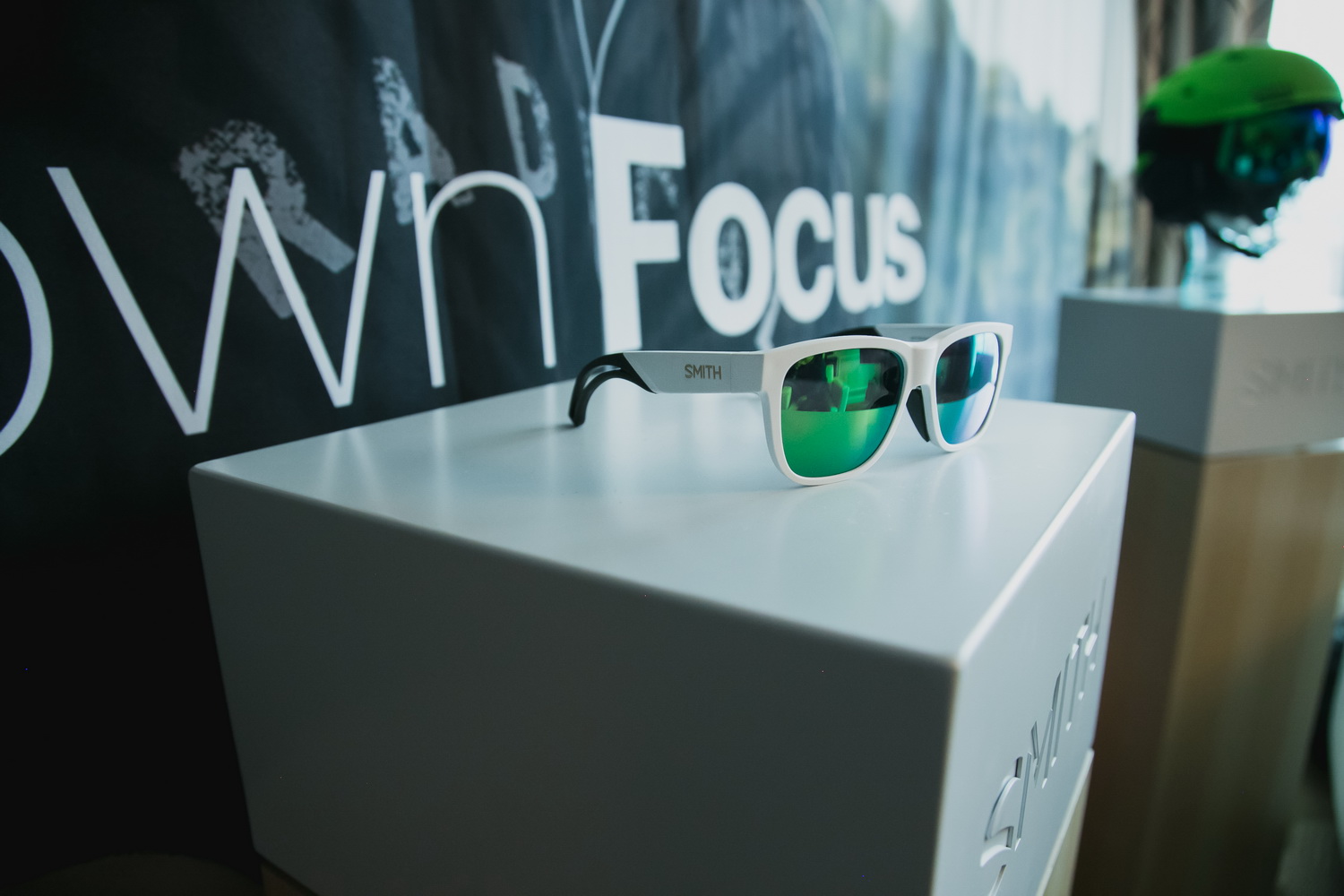
Smith’s Lowdown Focus smart glasses are fascinating, and the benefits intriguing; but not everyone will want to wear sunglasses to find out.
What if you could focus your concentration with a snap, engaging your brain as easily as a bodybuilder uses his muscles to lift weights? Whether you’re an athlete in training, a lecturer about to teach a class, or just want to get the best out of your day; concentration is a skill that we’d all benefit from.
The Smith Lowdown Focus are a pair of smart sunglasses that promise to help you get your brain’s attention on demand by using brain-sensing technology from Muse. It’s full, official title is the “Lowdown Focus MPowered by Muse,” but since no sane person no-one is going to remember a name like that, we’ll just call it the Lowdown Focus.
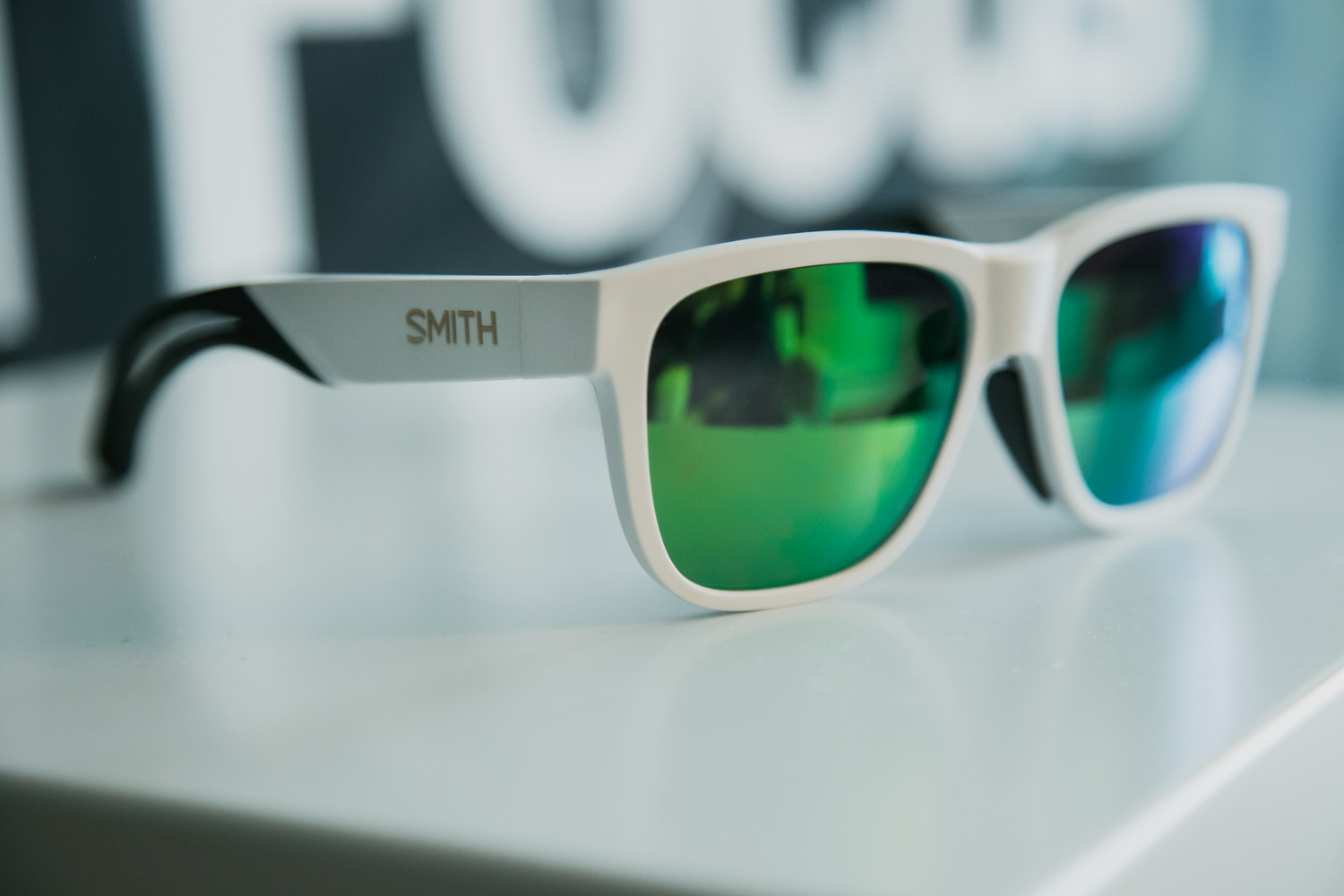
The glasses are based on Smith’s — a popular sports eyewear brand known for its cycling and snowboarding glasses — Lowdown model, and despite being packed with technology, they closely resemble the non-smart pair. This is not geek techery like Google Glass. It’s stylish.
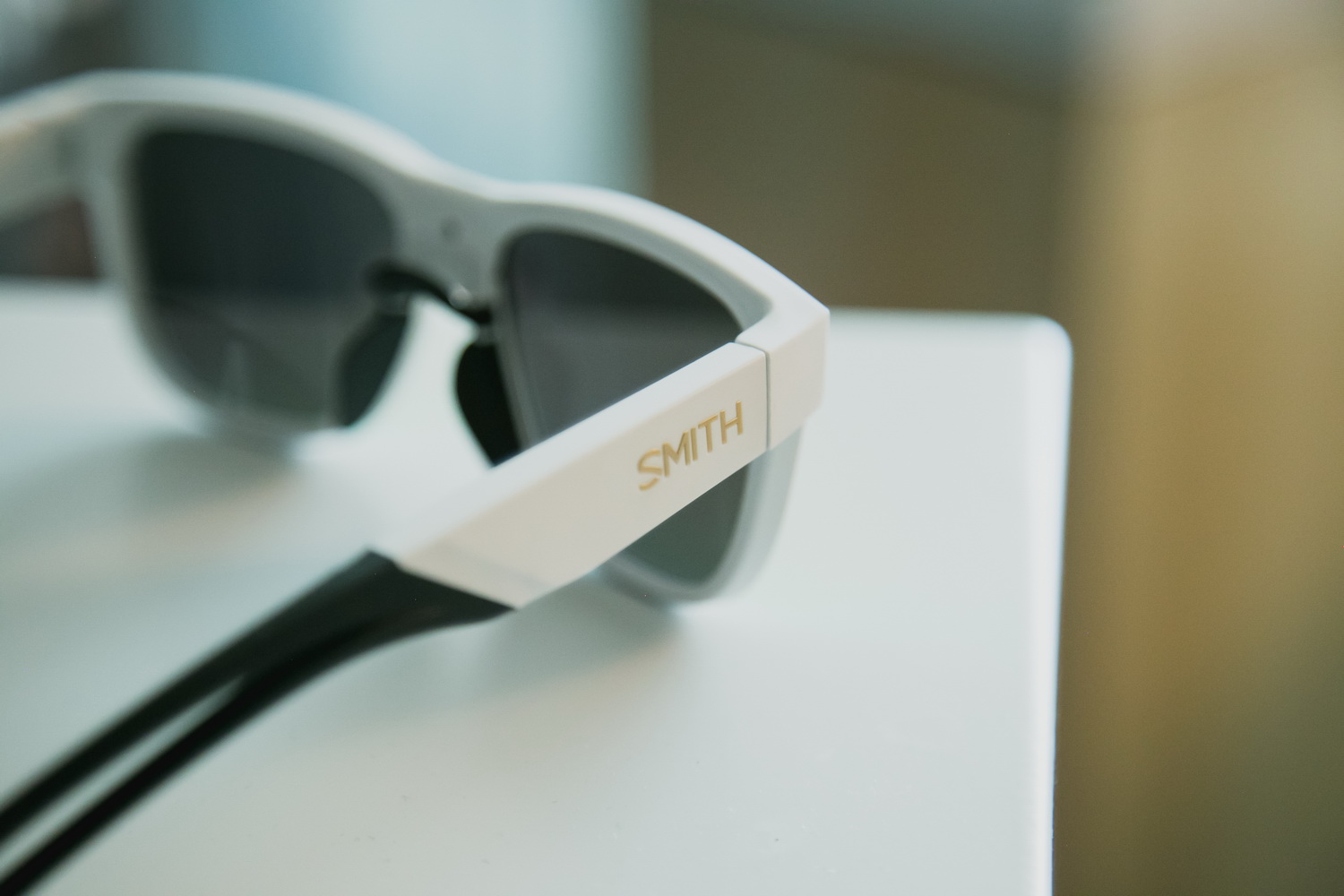
Brain sensing EEG, EOG, and EMG monitors are hidden inside the nose pieces and the arms, where they listen to your brain as it wanders instead of concentrating on what you actually want to pay attention to. The data is fed into an app where it’s converted into the audio equivalent of a set of dumbbells. By using a simple mindfulness meditation program — it merely focuses on your breathing — you can “feel” the difference between complete mental focus, and unproductive mental procrastination. It’s the mental equivalent of weight lifting.
By using the Smith Lowdown Focus consistently, you’ll begin to recognize the sensations associated with mental focus, and theoretically be able to pull your mind into that state more readily, eventually you won’t even need the glasses. Why would you want to do this? Imagine you’re on the starting line of a race, about to take an exam, or really need to concentrate on an essay you’re writing. Focus is imperative. Life is full of distractions, and we’re not very good at ignoring them, but the Smith glasses and Muse’s technology can condition your mind like athletes condition their bodies.
Stylish, but effective
The Lowdown Focus glasses are lightweight and very comfortable. They’re not heavy on your nose, or awkward behind the ears. I wear glasses normally, and notice instantly when a pair is going to get uncomfortable. These probably won’t, even after extended periods of use. Smith’s 100-year history in eyewear pays huge dividends here, and the Lowdown Focus is another great example of the fashion and design world perfectly crossing over into wearable technology. They also look very cool, and come in a variety of colors and lens tints. Sadly, they do not support prescription lenses at the moment.
Linked with Bluetooth, the Lowdown Focus app requires you to wear headphones to hear your brain activity. The idea is to concentrate on your breathing — there’s no need for any hardcore breathing techniques here, just breath normally —and listen to your brain activity, which is audibly illustrated by the sound of waves. When you hear loud, violent waves crashing onto the beach, your mind is less focused. The more focused you get, the more the waves settle down, and the sweet spot is when you hear a birdsong. Achieve this, and you’ve nailed it. Plus the more often you can recover from an unfocused state to a focused state, the better. That’s the equivalent of a monster bicep curl at the gym.
It’s not the sensation you’d expect when you start to “control” the wave sound by adjusting your brain’s focus. There’s no jarring change. It flows along pleasantly, and when you hear the birds sing, you get encouraged to focus harder. Oddly, this may end up having the opposite effect, where you’re thinking too much about it, thus losing focus. Practice will make perfect, which is exactly the idea. You’re trying to learn the art for use in all situations, remember. The system’s clever, too. If you’re not even trying to focus, it kicks you out of the experience, nicely telling you that you’re wasting its time. It may as well have told me, “Well, if you can’t be bothered, neither can I.” This means you can’t fail at it, because it doesn’t let you: Do the mental exercise, or do not. There is no try.
Help you get your brain’s attention on demand.
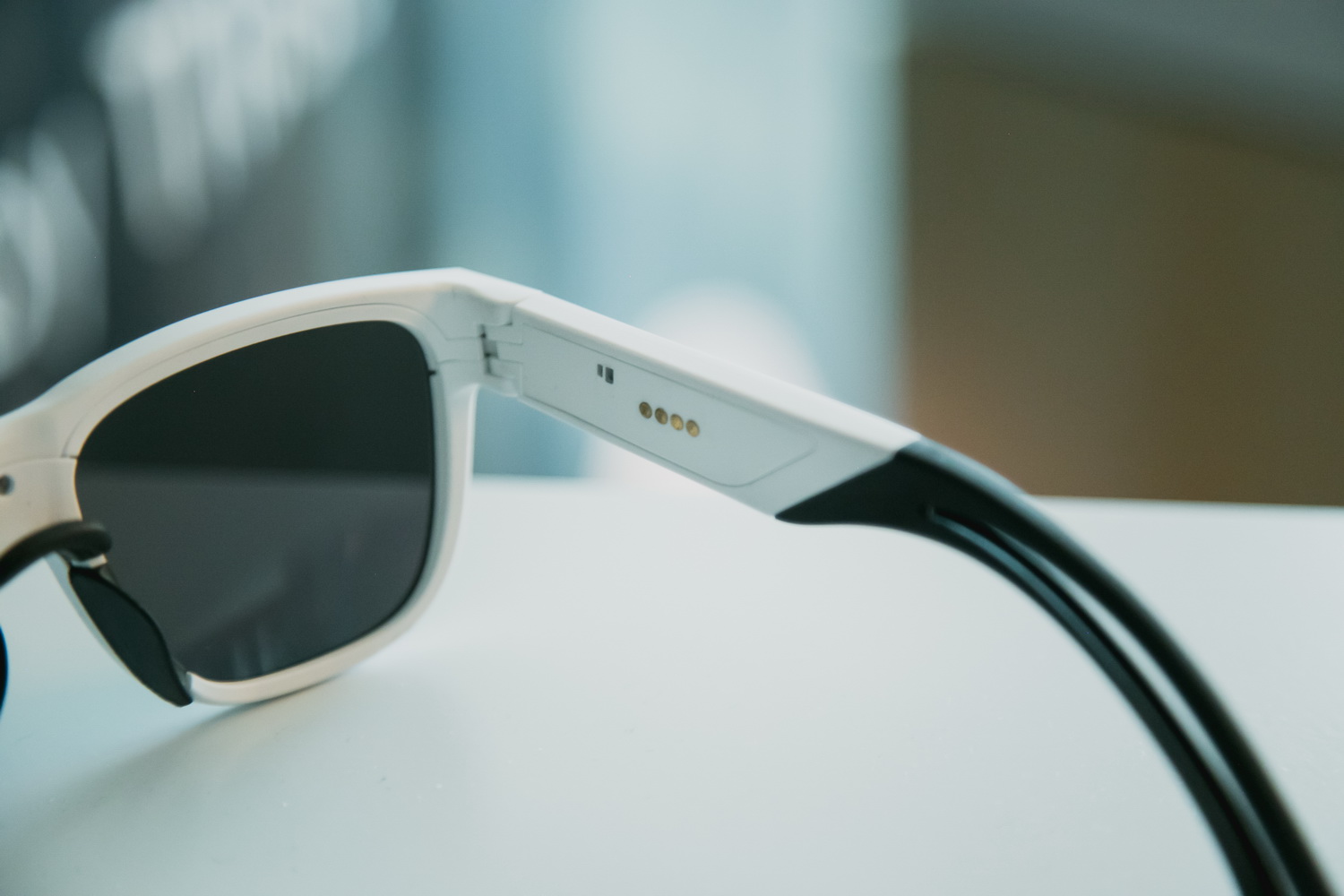
The app provides feedback on your performance, giving you an overall score to beat in the future, and it breaks down the number of focus recoveries and bird songs you’ve earned. There are also different modes for building focus, motivation, and relaxation. The glasses work as a fitness tracker with an accelerometer built in, plus there are sensors for temperature, humidity, UV, and pressure — helpful metrics for sporty types. The battery is charged using a proprietary magnetic connector, and lasts for a week before needing to recharge, which is good for its size.
Sunglasses won’t be for everyone
The Lowdown Focus is full of fascinating technology, and a fascinating take on mindfulness, which is becoming a theme in the tech industry, plus the science behind Muse’s brain-sensing is well-established. However, the decision to teach focusing skills using sunglasses is somewhat confusing. Would you want to wear them to get in the zone if you were sitting down at your desk? It is hard to imagine anyone wearing one pair of sunglasses all day, everyday, to enjoy the benefits of the Lowdown Focus’s additional sensors.
The concept of training the brain like a muscle to improve your effectiveness in situations that need complete concentration is really cool, and from our quick test, the implementation is excellent. It’s the continued problem of wearable technology on the head that isn’t solved. Not everyone wants to wear sunglasses all the time, especially if they need corrective lenses, and they simply aren’t suitable for all situations. This may end up limiting how many people adopt it.
Regardless, we look forward to giving them a longer term test to understand the benefits of Muse’s technology, and establish if the brain really can be trained this way. The Smith Lowdown Focus smart glasses are going to cost around the $350 or $400 mark, and will be on sale in August or September.
Highs
- Cool, everyday design
- Fascinating technology
- Potentially beneficial effects
- Easy to understand and use
Lows
- No prescription option
- Sunglasses may not be suitable for everyone