1. Home
  2. Phones
  3. Mobile
  4. News

Digital Trends may earn a commission when you buy through links on our site. Why trust us?

Another report suggests the iPhone 15 Pro will be pricier

Add as a preferred source on Google

Apple is expected to manufacture a slightly smaller number of iPhone 15 handsets compared to the iPhone 14 last year, but the company is eyeing an increase in revenue when the device launches in the fall.

How? Because it’s considering increasing the cost of the iPhone 15 Pro models.

Recommended Videos

News of the possible price rise for the iPhone 15 Pro and iPhone 15 Pro Max comes via a Bloomberg report on Monday, which cited “people familiar with the matter.”

It chimes with a report last month from The Economic Times that suggested the entire lineup could see an increase of 10% to 20%, though Bloomberg’s report doesn’t say by how much the prices might increase.

Since the rollout of the iPhone 11 Pro four years ago, Apple’s iPhone Pro and iPhone Pro Max models have retained a starting price of $999 and $1,099, respectively.

The news of pricier Pros will come as a disappointment to those saving their cash for one of the tech giant’s premium phones, but Apple appears confident that it won’t deter folks from making the purchase.

Apple will likely produce around 85 million handsets this year, the sources said, which is 5 million down from Apple’s request for the iPhone 14 last year.

The company’s apparent decision to opt for the high production figure seems like a bold move, especially considering the challenging global economic conditions and forecasts suggesting that the smartphone market is set to experience shrinkage this year ahead of a recovery in 2024.

Its production targets may be under pressure, though, after recent reports suggested Apple was having some manufacturing issues with the display for the Pro models.

Apple is expected to unveil the iPhone 15 in the fall. Here’s everything we know — or think we know — about the upcoming handset.

Trevor Mogg
Contributing Editor
Not so many moons ago, Trevor moved from one tea-loving island nation that drives on the left (Britain) to another (Japan)…
The Minimal Phone 2 looks dramatically better than the original, and I’m genuinely here for it
Plastic is out, metal is in, and Minimal Phone 2's renders suggest the digital detox phone concept finally has the hardware to match its ambition.
Electronics, Mobile Phone, Phone

I've been following the Minimal Phone since its initial crowdfunding days. The first iteration had the right idea trapped inside the wrong body, I’d say. Plastic build, no 5G, an underwhelming camera, and e-paper ghosting that frustrated early adopters; all these issues kept the phone from reaching a wider audience. 

Now, founder Armen Youssefian has posted what appears to be a 360-degree render of the Minimal Phone 2 on X, and from what I can see, the team has done its homework.

Read more
The EU says TikTok still isn’t doing enough to protect kids
Regulators say the platform's privacy settings don't go far enough under the Digital Services Act.
TikTok Creative Featured

The European Commission has accused TikTok of falling short on protecting minors, saying the platform's current account settings don't meet the child safety standards required under the Digital Services Act (DSA). The findings are preliminary, but if upheld, TikTok could face a fine of up to 6% of its global annual revenue.

Why the EU thinks TikTok isn't doing enough

Read more
Qualcomm is set to ratchet up chip prices in September, and your next gadget upgrade could bear the brunt
The price hike could touch every Snapdragon-powered device category.
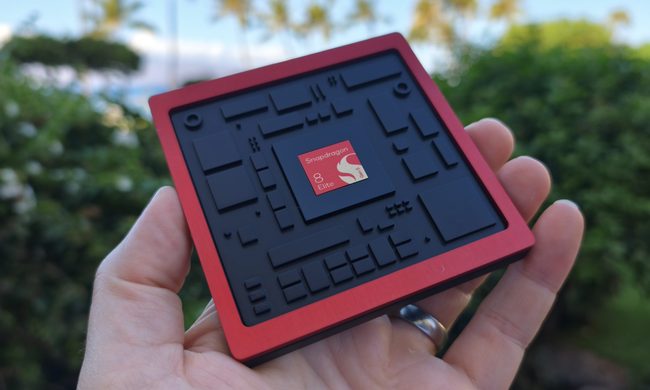
The new Qualcomm Snadragon 8 Elite Gen 5

I want you to sit with this for a second. Qualcomm, the company whose Snapdragon chips sit inside your Android phone and tablet, your Windows laptop, your Meta smart glasses, your Galaxy Watch, and your wireless earbuds, reportedly sent a letter to every major customer telling them prices are going up by double digits. 

The price hike will be in effect from September 1, 2026, a recent Bloomberg report claims. Essentially, all the companies placing their chip orders after that will pay a higher price. 

Read more