

What’s happened? BMW and Amazon have announced a major upgrade to BMW’s built-in voice assistant system, integrating Alexa+, Amazon’s next-generation AI assistant built on Alexa Custom Assistant. According to Amazon, the new system will deliver more natural conversations, better context awareness, and personalised responses inside BMW vehicles.
- BMW becomes the first automaker to adopt Alexa+ in vehicles, combining Amazon’s large-language model architecture with BMW’s driving context.
- The new system moves beyond fixed voice commands toward “true conversational experience,” allowing drivers to speak more naturally and expect richer interactions.
- Integration will appear in select upcoming BMW models, though exact availability dates and model lists are yet to be revealed.
- The joint announcement emphasises that BMW will maintain its brand feel and user experience while leveraging Amazon’s AI tech stack (including AWS and Bedrock).
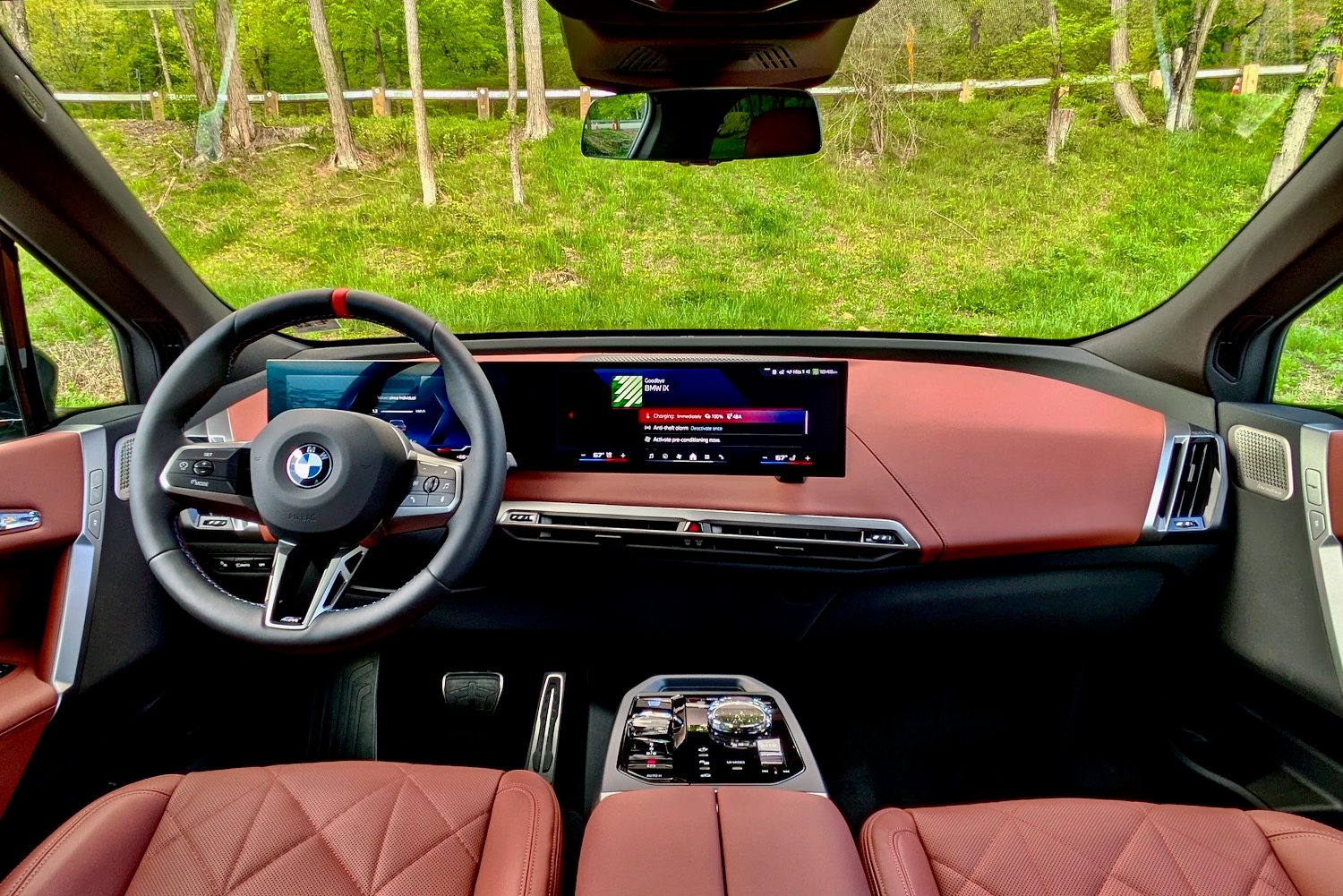
Why this is important: This move marks a big step in how voice assistants operate inside cars. Now, it’s no longer just about controlling climate or music, but becoming more like a conversational co-pilot. That matters because drivers increasingly expect more natural voice interactions while keeping their hands on the wheel and eyes on the road. By merging Alexa+ with BMW’s systems, both companies are betting that richer context-aware voice services will set the tone for next-gen in-car experiences. Furthermore, BMW has the opportunity to differentiate its infotainment by offering “smarter” responsiveness than generic voice assistants in other vehicles.
From a business viewpoint, it signals the growing importance of AI and voice services in vehicles, not just hardware and drives. As automakers push toward software-defined vehicles, in-car assistants become more central, with things like handling navigation, vehicle controls, media, and even smarter suggestions based on driving context. BMW and Amazon’s partnership shows how the auto and tech industries are converging around these services.
Why should I care? If you’re in the market for a BMW (or already own one), this means your car’s voice interface may get a meaningful upgrade soon — one that feels more natural and less rigid than typical in-car assistants. You’ll likely be able to ask more complex queries like “Play my road-trip playlist, tell me the nearest EV charger, and ping my home to turn on the lights,” all without figuring out command keywords.
It also means that your vehicle can begin to act more like part of your personal ecosystem: Alexa’s smart-home reach (once brought into the car) could let you control not just the vehicle but your home while on the road. For drivers who value convenience, reduced distractions, and more seamless integration with smart devices, this update could raise the in-car tech game. Still, it’s worth keeping expectations realistic: you’ll need a compatible BMW model and possibly additional subscriptions, and full rollout details remain to come.
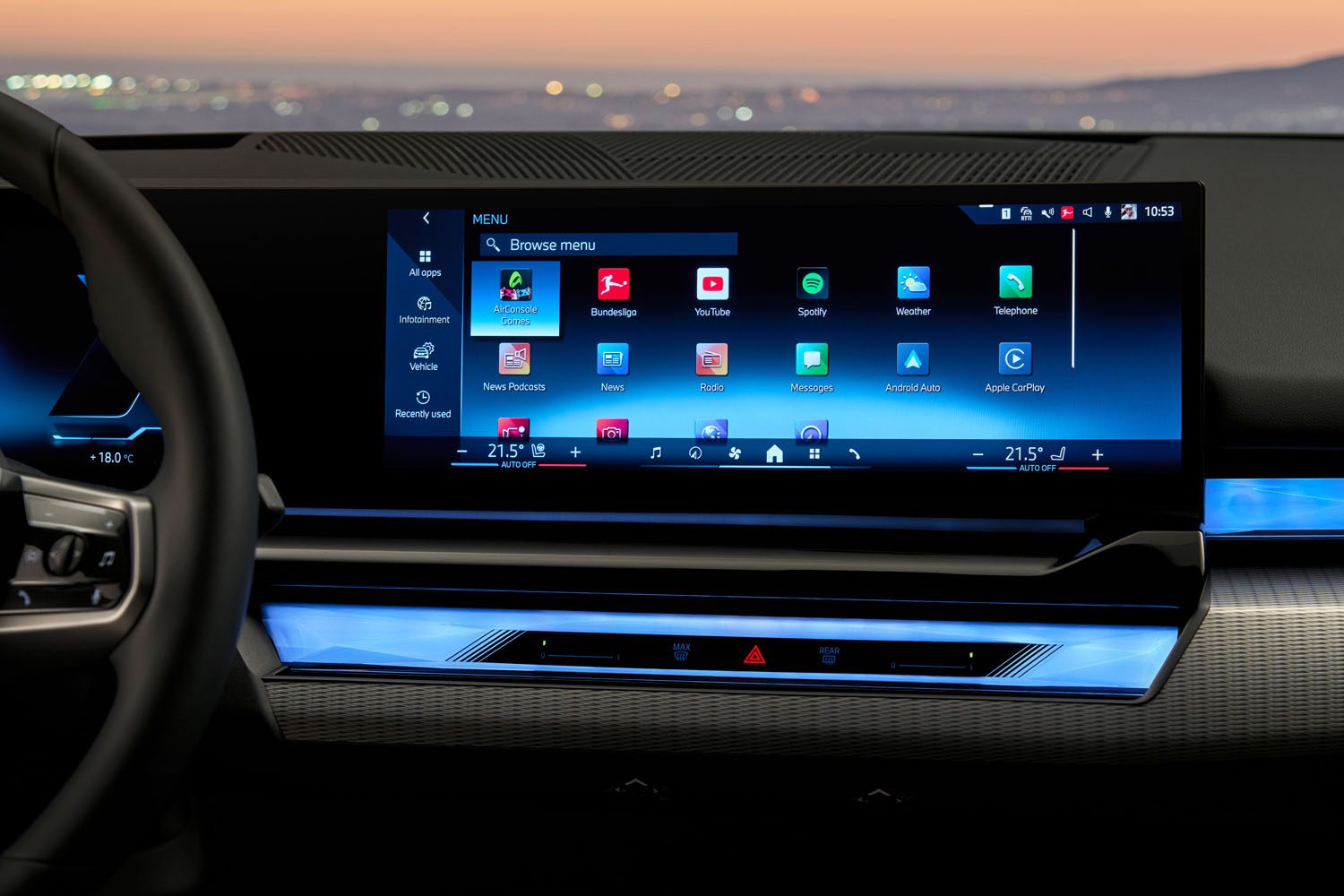
Okay, so what’s next? BMW and Amazon haven’t published a full rollout schedule yet, but the companies say the Alexa+ upgrade will appear in select BMW models “soon”. Keep an eye on BMW’s official communications or dealer announcements for exact model years. In the meantime, you can prepare by making sure your BMW (if eligible) has the latest software updates and staying tuned for when this next-gen voice capability becomes available. As voice assistants evolve, expect future updates to add features like more local offline processing (important when you’re in low-connectivity areas), deeper integration with vehicle systems, and personalised driving experiences that learn from your habits.


