  1. Home
  2. Cars
  3. News

Hackers tore down a Flock camera, and what they found inside is raising new privacy concerns

The files recovered from one camera reveal a surveillance system doing more than simply reading license plates.

Add as a preferred source on Google
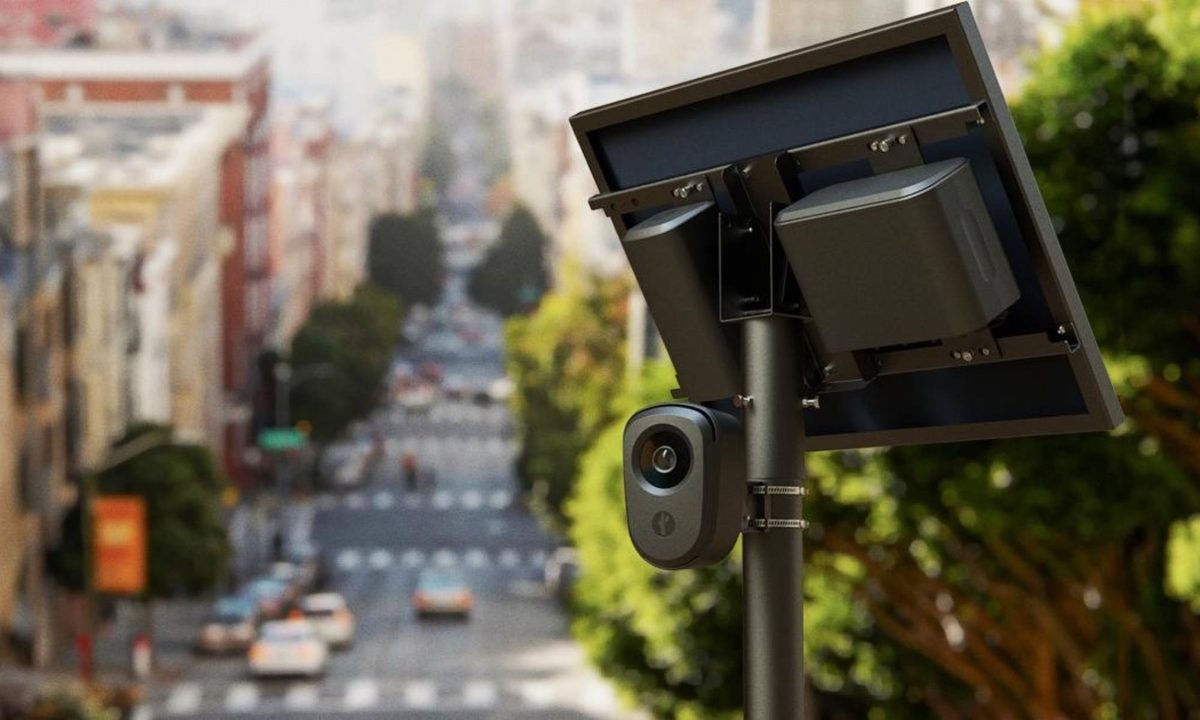
Flock LPR installed on a pole
Flock Safety

A hacker collective calling itself stegan0gram physically yanked a Flock Safety camera down from above a roadway, cloned its internal storage, and shared the files with 404 Media and and the transparency nonprofit Distributed Denial of Secrets, which passed the data to WIRED. The two outlets teamed up to dig through the data, and what they found paints a much clearer picture of what these license plate readers are actually doing behind the scenes.

Flock has always claimed its cameras are protected by solid on-device encryption. That claim didn’t hold up. The hackers found two unencrypted sections in the camera’s Android system, and one contained an encryption key that unlocked a stash of vehicle-detection videos and images. As one of the hackers put it, “Why just destroy them when we can reverse engineer them and find the secrets of those spying on us?”

What does the camera actually see?

Here’s the part worth paying attention to. The software isn’t just reading plates; it’s built to detect people too, logging exactly where someone shows up in the frame and how confident it is about that detection. When WIRED ran the recovered detection models against test footage, they picked out a person in a simple selfie without much trouble.

Recommended Videos

Over roughly three weeks of recovered logs, this single camera photographed about 50,200 vehicles and generated close to 1.6 million images, with one day alone crossing 4,400 vehicles. The plate detector wasn’t always accurate either, at one point mistaking a motorcyclist’s American flag patch for a license plate.
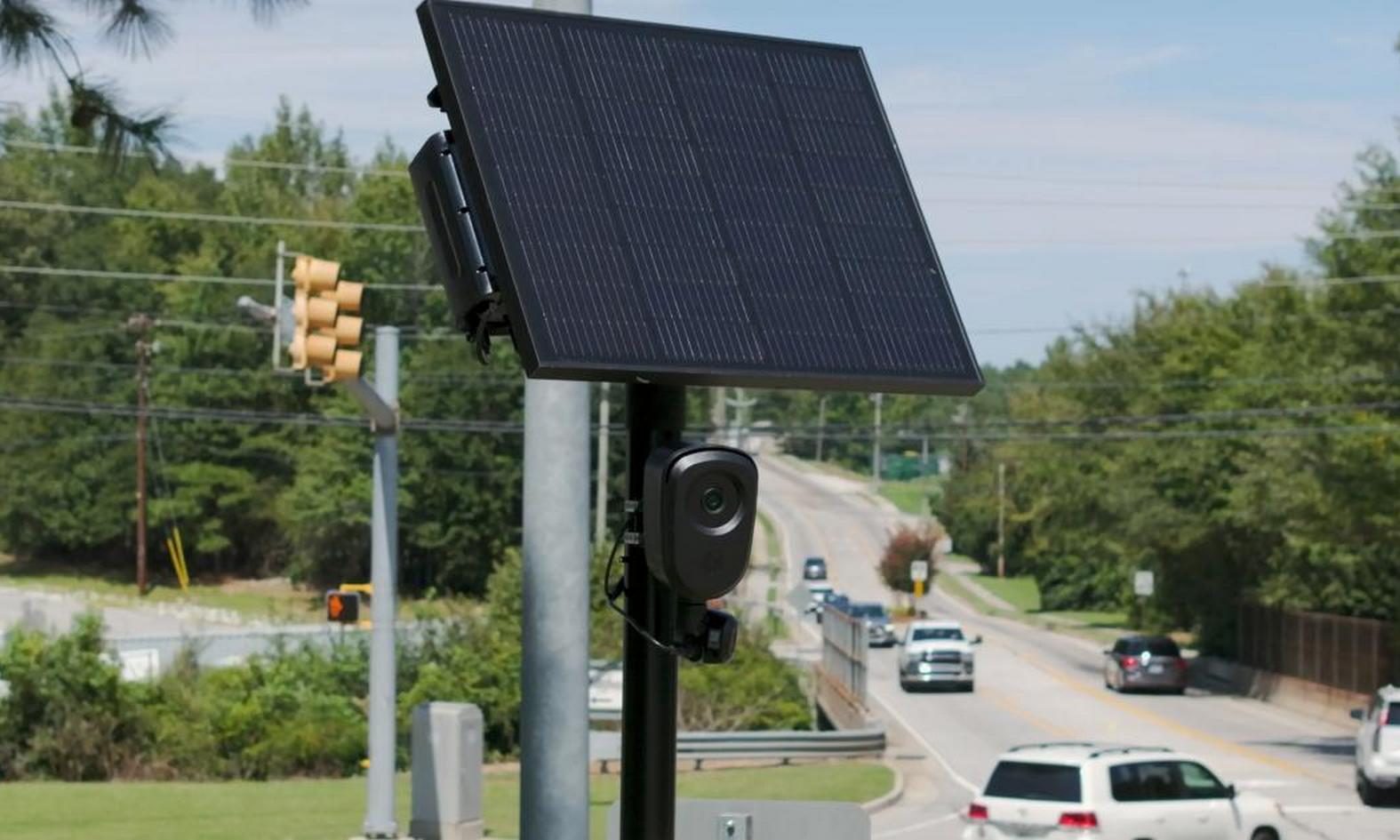
Flock, unsurprisingly, isn’t thrilled. A spokesperson called the camera’s removal illegal and said the company never received a report through its official vulnerability channels.

This all lands at a time when Flock’s nationwide camera network is already facing scrutiny over how freely police departments can search plate data across state lines. Whether this hack changes public opinion or just pushes Flock to tighten security, one thing feels obvious. People are done quietly letting these cameras watch them.

Rachit Agarwal
Rachit is a seasoned tech journalist with over ten years of experience covering the consumer technology landscape.
BMW’s new electric SUV coupe has 428 miles of range and offers impressively fast charging
BMW’s new iX4 can add 184 miles before your coffee gets cold
BMW iX4

BMW has officially revealed the iX4, and while the swooping coupe-SUV shape will probably get most of the attention, the numbers under the hood are what's really impressive. The BMW iX4 50 xDrive is rated for a preliminary maximum of 428 miles of EPA range, powered by a 112.2kWh usable battery and dual electric motors producing 463 horsepower.

The company claims it can sprint from 0-60 mph in 4.7 seconds. Just like the BMW iX5, the iX4 is a redesign of the brand's X4.

Read more
Rivian’s new Pet Cam lets you check on your dog right from your phone’s lock screen
The new feature combines the R2's interior camera with Pet Mode, giving you a quick way to make sure your pup is comfortable while you're away.
Rivian R2 Pet Cam

Leaving your dog in the car, even for a quick coffee run, always comes with a little worry. Is your pup okay? Rivian wants to put those worries to rest with its 2026.36 software update, which brings a new Pet Cam feature to the R2.

According to Rivian, over 60% of its owners bring their dogs along for the ride, so it's no surprise the company keeps adding pet-friendly features. Pet Mode already keeps the cabin cool and comfortable. Now, Pet Cam lets you actually see how your pet is doing.

Read more
Google’s Waze app is being misused by speeding drivers to dodge police fines
The crowdsourced incident reporting system in Waze is being misused by speeding drivers to dodge police action.
Incident reporting in Waze.

Waze is a popular navigation app that is used by millions of users across the globe. One of its standout features is a crowd-sourced incident reporting system, which now even ties into Google Maps, as well. The built-in Disruptions and incidents feature lets users add warnings about accidents, closed lanes, ongoing construction, traffic jams, and other road hazards on the map.

The objective is to use this crowdsourced incident reporting system to warn other drivers so they can adjust their routes accordingly. The Volpe Center for Transportation Research is even using the same data from Waze to predict crashes and deploy emergency responders. Well, it appears that rash drivers have found another way to use these alerts. According to research by the University of the Sunshine Coast, this live alert system is now being used to drop info about police presence on the map, so that other drivers can slow down in time and avoid speeding tickets.

Read more