  1. Home
  2. Cars
  3. News

Hyundai delays its homegrown self-driving software by two years, calls in Nvidia to bridge the gap

Hyundai’s home-grown system is taking longer than expected, so Nvidia will handle the heavy lifting in the meantime.

Add as a preferred source on Google
Hyundai ioniq car
Hyundai

If you were waiting for your Hyundai car to get self-driving capabilities, you will have to wait for at least two more years. According to Reuters, Hyundai Motor Group’s proprietary driver-assistance system won’t launch until late 2029. Until then, the South Korean automaker is partnering with Nvidia to speed things up, and honestly, it says a lot about how hard building autonomous driving software really is.

What’s coming before Hyundai’s own software is ready?

Starting in 2028, Hyundai will lean on Nvidia’s Hyperion 10 platform to power its Level 2+ and Level 2++ driver-assistance systems. To keep costs down, these early vehicles will skip pricey lidar sensors and rely on cameras, ultrasonic sensors, and radar instead. It’s the same approach Tesla is taking for its own vehicles.
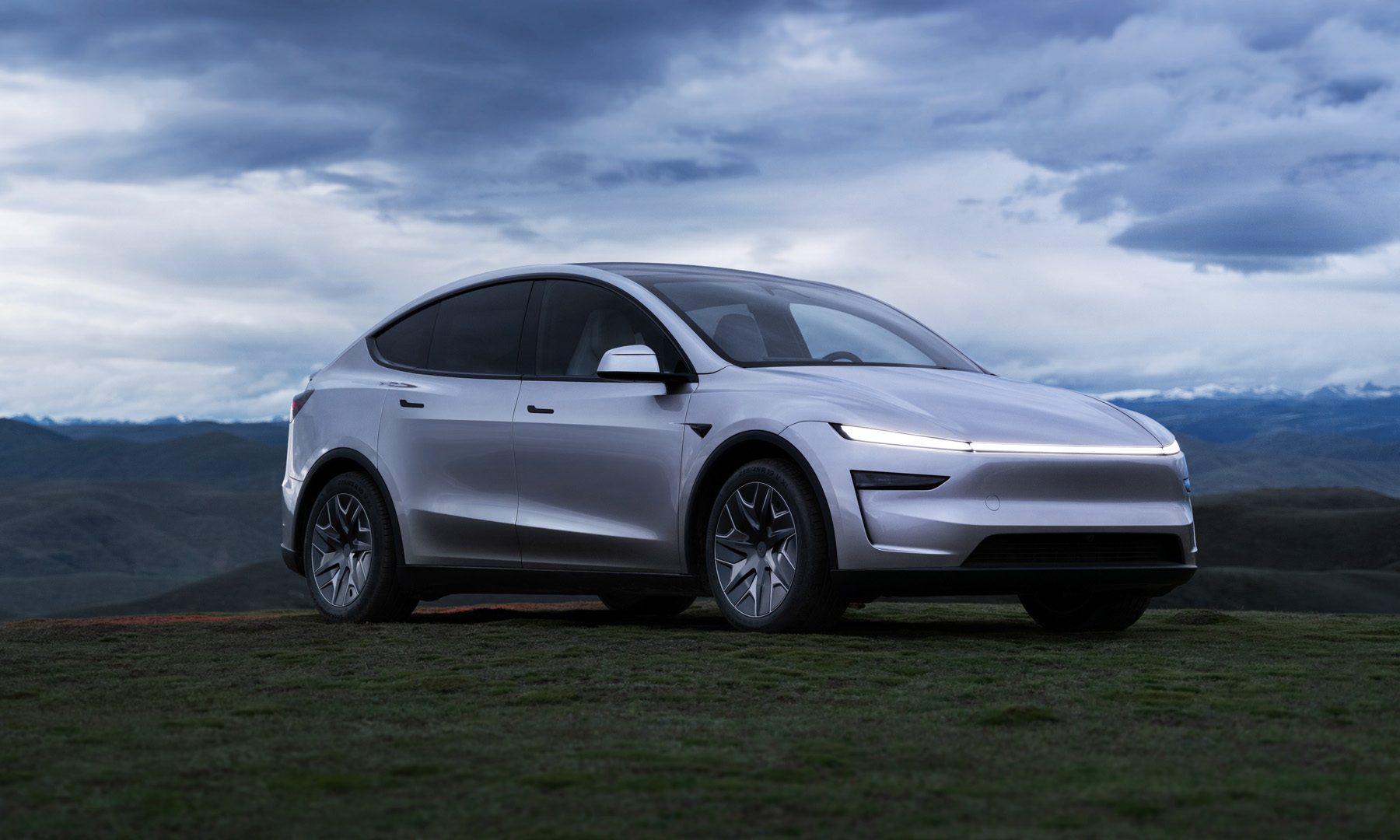
Lidar isn’t completely out of the picture, though. Hyundai is still weighing it for future Level 3 systems, which would let drivers take their hands off the wheel under certain conditions. Level 2+ generally covers highway driving, while Level 2++ handles trickier city streets, kind of like Tesla’s Full Self-Driving. Either way, you’re still expected to keep your eyes on the road.

Why lean on Nvidia now?

Park Min-woo, a Hyundai Motor Group president who joined in January after years at Nvidia, is the one steering this shift. He was quick to frame it as a partnership, not a handoff. “Our partnership with Nvidia is not about leaving our destiny entirely in their hands,” Park said, adding that Hyundai plans to co-design the tech and use the data to build its own platform, called Atria.
That’s a departure from former exec Song Chang-hyeon’s approach, who pushed hard for in-house development before his abrupt exit in December. Hyundai and Kia, which together sell over 7 million vehicles a year, are also banking on their massive global fleet to gather driving data faster than rivals, hoping to take the lead by 2033.

Rachit Agarwal
Rachit is a seasoned tech journalist with over ten years of experience covering the consumer technology landscape.
Tesla reveals redesigned Roadster, and it can go airborne using thrusters
The Roadster comes with rocket-inspired thrusters that allow it to fly. Briefly, of course.
Tesla Roadster

Tesla has just revealed its next-gen Roadster, and this one is pretty wild. At the launch event in Texas. the car drove inverted on a ramp, fired up the thrusters, and landed safely. Another stunt had the car speed up and fly over the entire line-up of Tesla electric cars. It's wild to see, and apparently, the thruster-based system that allows it to launch into the air, levitate, and slowly descend to the ground will be available on the production spec car when it goes into production next year.

The new Roadster comes equipped with a multi-mode fan & ground sealing system that pulls air from underneath the vehicle, allowing it to generate enough suction that it can hold the car upside down even when it's not moving. Then we have the side-mounted thrusters, which are powered by cold-gas and feature electric actuators to make adjustments within a fraction of a second, allowing the car to stabilize when it's mid-air.

Read more
BYD’s new $35,200 electric sedan goes 626 miles and fully charges in just 9 minutes
The Da Han EV packs a second-generation Blade Battery and enough power to make a luxury sedan properly quick.
BYD Da Han EV Official Image

BYD has officially launched the Da Han EV in China, and its headline figures are enough to make even some premium electric cars look a little less impressive. The new flagship sedan promises up to 626 miles (or 1,008 km) of range on China's CLTC testing cycle and can charge its battery from 10% to 97% in just nine minutes, provided it has access to compatible high-power charging infrastructure. Prices start at 235,900 yuan, or approximately $35,200, making it a relatively affordable proposition for a large luxury electric sedan.

BYD's Da Han EV wants to make range anxiety yesterday's problem

Read more
Google Play for your car is getting a fresh look and a bunch of fun new apps
The update makes it easier to find dashboard apps and adds more entertainment options for charging stops and other parked moments.
Google Play in car hoirzontal

Think about how much time you spend sitting in your car every week. There’s the school run, the daily commute, and those long breaks while your EV charges. Google wants to make those moments a little more fun with its latest update to cars with Google built-in.

If you are not familiar, Google built-in ships in over 100 car models from 16 different brands. It gives you apps like Google Maps and Gemini on the dashboard without needing your phone.

Read more