
It’s no longer the only company with self-driving cars on the road, but Tesla was one of the first brands to make this innovative functionality available to the public. Thanks to an array of cameras, sensors, and AI technology, most Telsa vehicles are capable of driving themselves to some degree. However, this doesn’t mean drivers can take a nap behind the wheel. In fact, none can be used without driver supervision — and there are some serious limitations to the tech.
Tesla currently offers features known as Tesla Autopilot and Full Self-Driving. But what’s the difference between the two? And is one more reliable than the other? Here’s everything you need to know about Tesla’s Autopilot and Full Self-Driving technology.
Tesla Autopilot
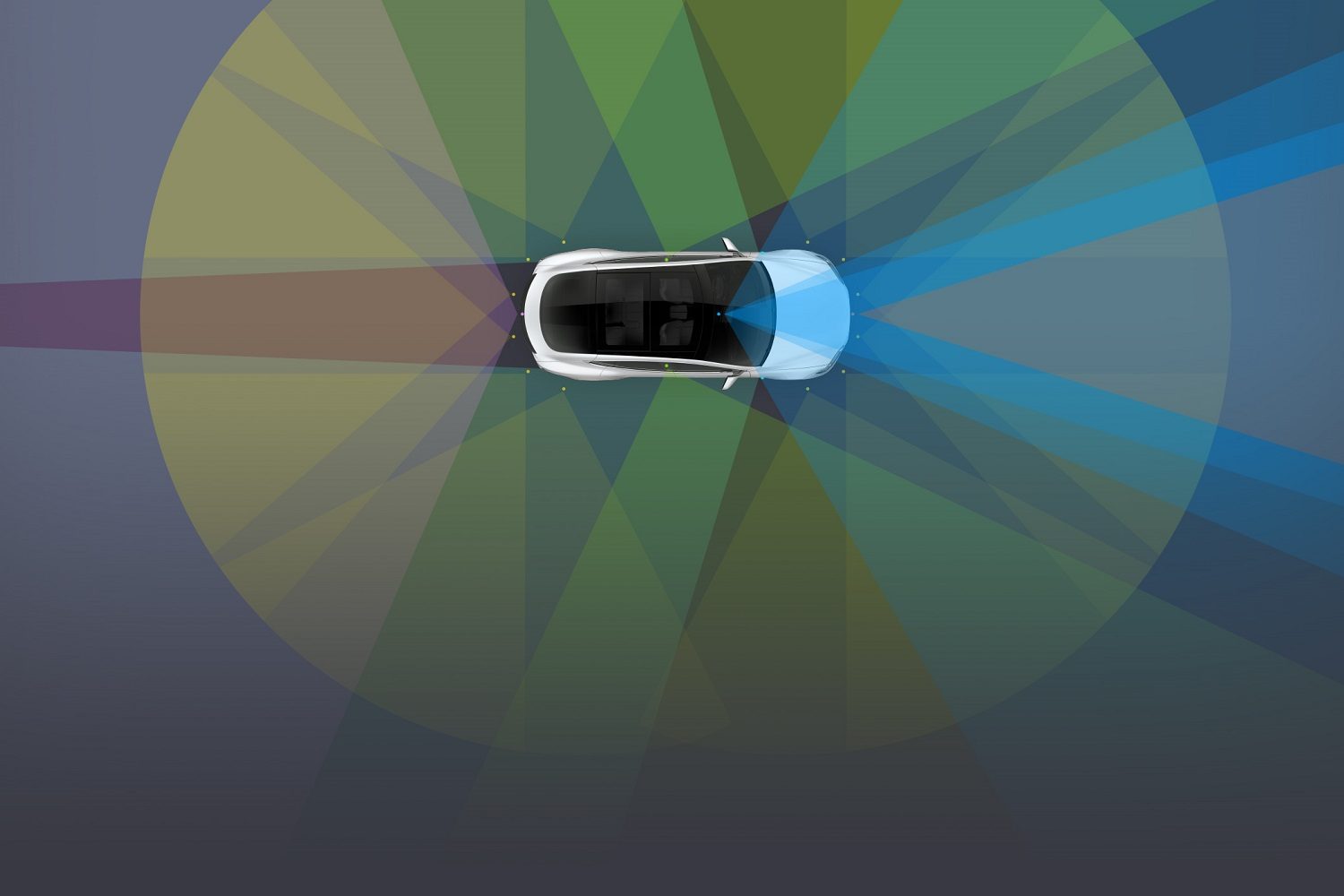
Tesla Autopilot was the company’s first autonomous mode, and was introduced in 2014. It’s still the least advanced of the options, but it’s also included for free with all new Tesla cars — so it’s kind of like an added bonus.
Autopilot is designed to be used with full driver supervision, and is essentially an advanced version of cruise control. It has lane-centering and adaptive cruise control, meaning the car can both stay in the center of a lane and can slow down and speed up depending on what’s in front of it.
These are features that aren’t necessarily exclusive to Tesla. Together, they’re basically an advanced cruise control, which is on offer by other cars.
Tesla Enhanced Autopilot
Tesla Enhanced Autopilot adds some features that other cars don’t have. It’s also not free — it costs $6,000.
Enhanced Autopilot allows the car to park on its own, and also has features like auto lane change, meaning the car can change lanes as it sees fit. This feature also ties into the “Navigate on Autopilot” feature, which allows the car to drive from a highway’s on-ramp to its off-ramp, theoretically without the driver’s input — though the driver should still stay aware.
It also includes Summon and Smart Summon, which allow the car to drive to you in a parking lot — no remote control necessary.
Some of these are features that you can’t really find anywhere else — though features like lane changing are set to become more common.
Tesla Full Self-Driving (FSD)
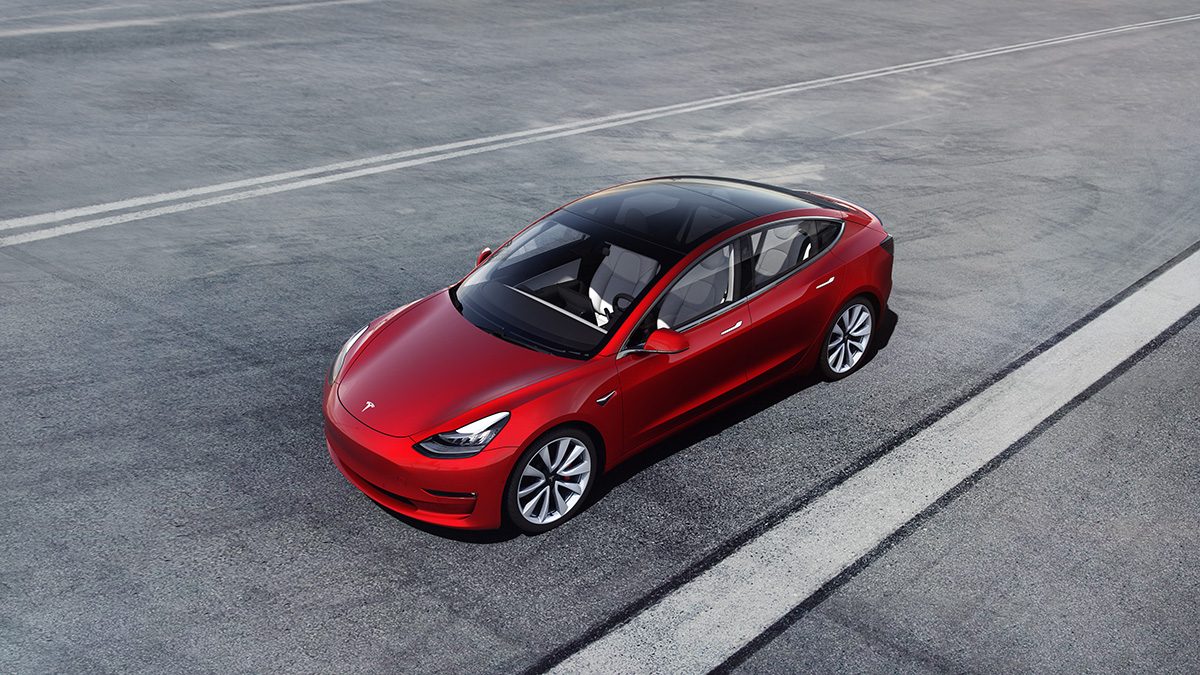
Last but not least is Tesla Full Self-Driving (FSD). It’s the most advanced option, but Tesla has labeled it as a “beta,” suggesting that it’s more of a way to test the feature with real-world drivers. Tesla debuted FSD in 2020, and has been periodically improving it ever since.
It’s the most expensive option on Tesla’s menu — it costs a hefty $15,000 upfront, or $200 per month if you prefer to pay for it as a subscription. For that money, it adds a major feature: the ability to start and stop at traffic lights and stop signs.
Tesla sees FSD as the eventual car-to-door feature, unlocking the ability to fully drive an individual from point A to point B. But it’s not quite there yet. You should still remain alert and ready to take control while using Full Self-Driving — the name is pretty misleading, as the car still can’t actually fully drive itself, and you shouldn’t expect it to.
So which mode lets you nap behind the wheel? Sorry, none of them. But that hasn’t stopped sleepy drivers from trying.
Tesla Autopilot controversies
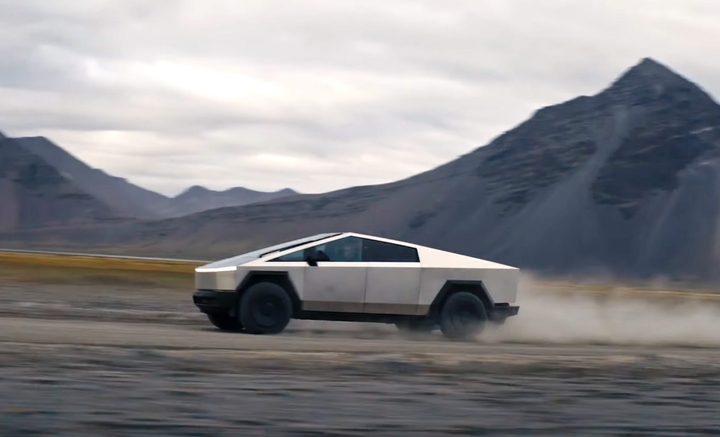
The self-driving capabilities of Tesla have been the subject of much scrutiny. For one, the National Highway Traffic Safety Administration (NHTSA) began investigating the use of Autopilot in 2021 due to several accidents in which the feature was involved. The results of the investigation eventually led to a recall of over 360,000 Tesla vehicles using the Full Self-Driving beta. According to the official report, the NHTSA found that the system could cause vehicles to “act unsafe” when approaching intersections and some failed to stop appropriately.
Aside from the recall, it’s important to note that Tesla itself does not claim that any of its self-driving features can be used without a “fully attentive driver.” According to its owner manual, the company says drivers should “never depend on Autosteer to determine an appropriate driving path” and that Autosteer is a “hands-on feature.” Whether or not drivers follow those guidelines is another story — but it’s clear that no Tesla is ready to drive you from point A to point B while you take a nap.


