
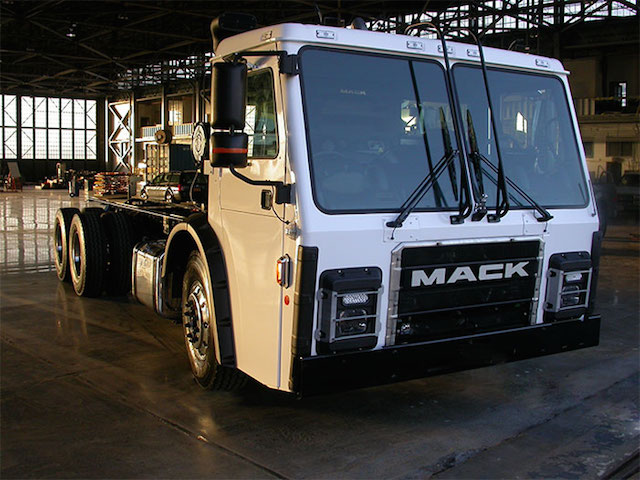
This hybrid electric truck takes an innovative approach on electric vehicle design by taking the truck’s worst fuel-wasting components and then replacing them with electrical components. The resulting efficiency is staggering.
Following a mostly failed effort to convert the nation’s garbage trucks from diesel to natural gas, electric engines provide an excellent alternative. Garbage trucks are fuel guzzlers and typically only average around 3 miles per gallon, according to Governing. The campaign to convert them to natural gas has been largely unsuccessful, and only about 10 percent of current garbage truck fleets run on natural gas.
In response to this failure, Mack Truck and Wright teamed up to develop a hybrid electric alternative. Wrightspeed already had a new electric powertrain named the Route in production, designed for buses and commercial trucks. Installation of the Route alone dramatically reduces fuel consumption and emissions by around 65 percent, according to Wrightspeed. The Route is an engineering beast capable of pushing 66,000 pounds up 40 percent inclines It is no wonder that Mack Trucks jumped at the chance to put this powertrain into their LR.
The powertrain, however, is not the only feature of this truck juiced with electricity. The LR has four electric motors, and reportedly runs 24 miles on electricity alone. Wright announced the LR is capable of charging directly from the grid, and incorporates a range extender that burns fuel, makes electricity, and charges the batteries on the go to extend the truck’s range.
These trucks require a huge amount of stopping power to handle their weight, and that is no easy task. The LR uses the stopping power of a 730kW regenerative braking system also designed by Wrightspeed. The braking system not only stops the rig in its tracks, but also increases the fuel efficiency of the truck by regenerating during all the stops and starts a trash truck makes on its daily route.
Even though the truck is not completely electric beyond its initial 24-mile range, the real innovation comes from engineering individual mechanical components of the truck to run on electricity, and as a result, drastically reduce emissions and fuel consumption.
Editors' Recommendations
- Fake engine noises in electric cars need to die
- Cybertruck production reportedly halted over pedal issue
- Genesis Neolun concept is an electric SUV inspired by tradition
- Here’s how Ford will give EV customers Tesla Supercharger access
- New Model 3 ‘takes out the baby fat,’ Tesla designer says in new video


