


Shopping for a pre-owned electric vehicle in North America puts buyers on dealership lots during a historic turning point. Driven by a massive wave of expiring three-to-four-year-old leases, the used EV market is booming. Sales surged over 10% year-over-year, with early-generation commuters like the Chevrolet Bolt, Nissan Leaf, and Hyundai Kona Electric routinely listed under $18,000.
On paper, this trend looks like an incredible entry point for budget-conscious drivers. However, legacy car dealers and traditional vehicle valuation guides are struggling to navigate a massive catch: the odometer on a used EV no longer tells buyers how worn out the car actually is.
With traditional gas vehicles, an engine with 40,000 miles is almost universally healthier than one with 90,000 miles. With electric cars, two identical three-year-old models sitting side-by-side with the exact same 45,000 miles on the dashboard can have vastly different battery lives. Nobody can spot this difference simply by looking at the paint job or checking the VIN.
The 13.5% battery gap: What the diagnostic data reveals
A large-scale global battery diagnostic study analyzed over 500,000 used EV tests across 20 popular models. While the overall headline was reassuring – showing median battery health holding strong above 90% even past 90,000 miles – buried inside the numbers was a clear warning for pre-owned buyers: the individual variation within the exact same model line can span up to 13.5% in State of Health (SoH).
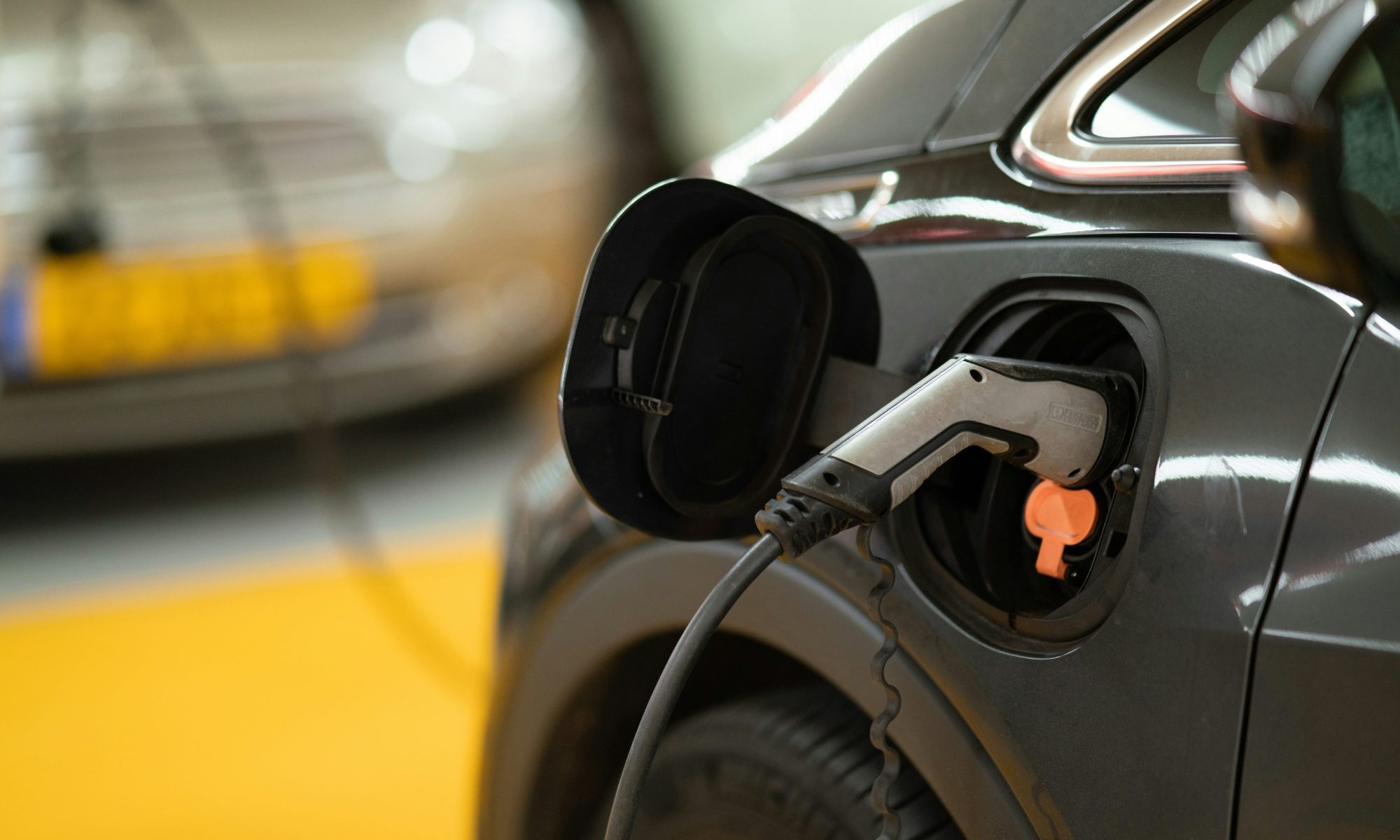
In practical ownership terms, that 13.5% gap represents a huge operational difference. A well-maintained three-year-old EV might retain 95% of its original factory range, allowing owners to commute daily, run the cabin heater in January, and take highway road trips without worry.
Conversely, an identical model abused by its previous owner might sit at 81.5% SoH, translating to a permanent loss of 35 to 45 miles of real-world range per charge, slower DC fast-charging speeds, and a vehicle worth thousands less on the open market. Under traditional dealership pricing rules, both of those vehicles sit on the lot with the exact same price tag. And that is a major pain point.
How a 4-car-a-day pace is crushing used EV values
To understand why used EV valuation is becoming so chaotic, looking across the Pacific reveals striking market shifts. Data reported by Bloomberg indicates that Chinese automakers introduced around 650 new or refreshed car models in the first half of the year alone – an astonishing rate of almost four new car models per day.
To put that hyper-compressed timeline into perspective, Bank of America Securities’ annual Car Wars report projects just 159 new model launches in the U.S. spread across the next four years, following a decade low of only 29 model launches in 2024. China introduces more models in a single month than the U.S. market sees in an entire year.
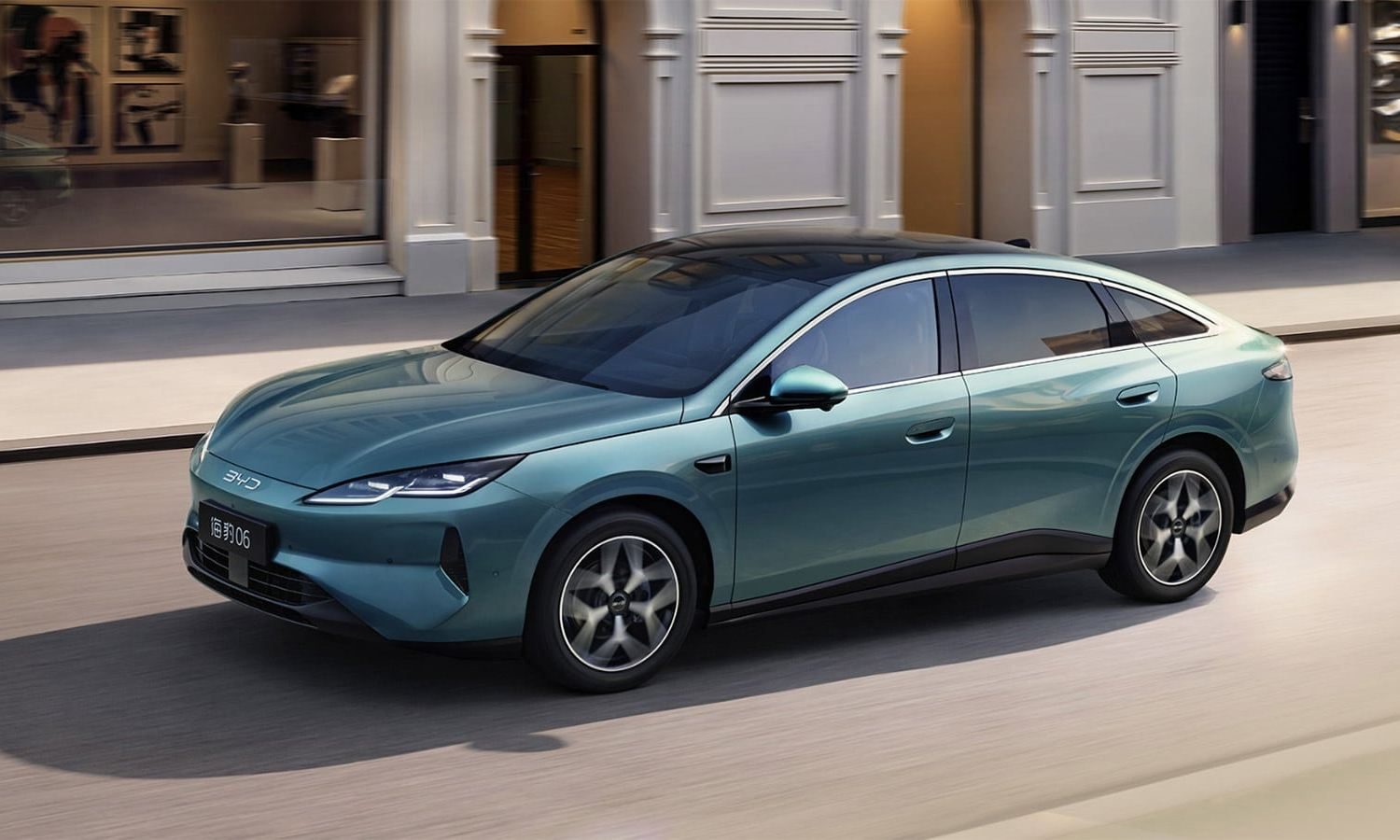
The market volume is so intense that BYD Executive Vice President He Zhiqi publicly dubbed the pace “completely insane” on Weibo, warning that domestic competition is so brutal that new car buzz cannot even be maintained for three months before going cold. At the World Power Battery Conference, CATL Chairman Robin Zeng cautioned that rushing vehicles to market at this rate risks serious quality issues and batch-level battery failures.
This relentless tech velocity is causing severe friction in secondary markets. In China, four out of five used EV dealers are growing reluctant to accept trade-ins older than five years or out of factory warranty. Rapid tech upgrades render older software, charging speeds, and battery chemistries obsolete almost overnight, causing five-year-old EVs to lose up to 70% of their original value. While North American buyers are shielded from Chinese EV imports by tariffs, the global pace of EV innovation is spilling over locally. As battery technology improves and new vehicle MSRPs shift, older pre-owned EVs face steep depreciation curves.
What actually degrades a used EV battery?
Batteries do not age simply because the odometer turns. They degrade based on how the previous owner charged and maintained them. Fleet telemetry data highlights three primary operational habits that secretly age a battery pack.

According to the AVILOO report, first, vehicles fast-charged at high-power DC stations for more than 12% of their total plug-in sessions experience accelerated capacity loss compared to cars charged overnight on Level 2 home plugs. Second, batteries routinely charged to 100% and left parked in high ambient temperatures suffer accelerated chemical degradation. Third, smaller battery packs (like those in early Nissan Leafs) degrade faster per mile than large 75+ kWh packs because a smaller battery goes through far more full charge-and-discharge cycles to cover 50,000 miles.
The consumer inspection protocol: How to avoid buying a tired battery
Shopping for a pre-owned EV requires avoiding purchase contracts based on mileage alone. A simple three-step inspection protocol protects vehicle budgets: First, demand an independent State of Health (SoH) diagnostic test report (via OBD tools like AVILOO or Recurrent) to measure actual usable battery capacity rather than trusting a dealer stating the dash display shows 100% full, which only measures current state of charge.
Second, evaluate SoH benchmarks closely. An SoH of 90% or higher indicates excellent condition to buy with confidence. A range of 85% to 89% SoH represents normal aging for a three-to-five-year-old vehicle. Anything below 83% SoH serves as a red flag requiring a heavy discount to offset lost range or a decision to walk away.
Third, call the manufacturer with the VIN to confirm that the factory battery coverage transfers seamlessly to secondary owners, as most major automakers offer an 8-year / 100,000-mile high-voltage battery warranty guaranteeing the pack will not drop below 70% SoH.
The bottom line
The shift toward electric mobility has fundamentally rewritten the rules of buying a pre-owned car. In the era of gas engines, the odometer was a reliable proxy for how much life a car had left. Today, an electric vehicle’s true condition is written in its battery degradation curve—a metric shaped by charging habits, climate exposure, and pack architecture rather than simple mileage.
For North American consumers, a used EV remains one of the most compelling bargains on the market, offering low running costs and modern safety without the steep sticker price of a new model. However, navigating this market successfully requires a shift in mindset. Before signing a contract or handing over a deposit, insisting on an independent battery health check ensures you pay for the car’s actual remaining capability, not just the number on its dash.
In the modern used car lot, mileage tells you where the car has been, but the battery test tells you where it can still take you.
RELATED COVERAGE:
- EV batteries are lasting much longer than the industry expected
- Cambridge experts find an utterly simple fix for longer-lasting EV batteries. Just put some pressure on it.
- This new battery tech will let you fast-charge your EV without hurting battery health
- A chemical bath could bring your old EV battery back to near-full strength


