
The city of London on Monday announced it would revoke Uber’s operating license for the second time in two years over “persistent safety problems.” The move means that the app might soon be banned in a city that’s grown accustomed to easy rideshares, just as many American cities rely on similar apps.
For reasons that include safety issues for both riders and drivers, further congestion in cities, workers’ protections, and bucking regulations, Uber, Lyft, and similar apps have been a target of ire since they first appeared on the streets and disrupted how ordinary people around the world commute. That means they’ve been banned and fined multiple times over now — and while some American cities want to crack down on ridesharing apps, there’s little many of them can do to outright ban them as London, Uber’s largest European market, is attempting to do.
London has significantly more power to crack down on Uber than most U.S. cities. The city previously revoked the company’s license in 2017, though Uber gained a 15-month license after an appeal. In May, Uber itself alerted Transport for London (TfL), the city’s transit authority, to an ongoing issue: Unauthorized drivers using someone else’s credentials or fake profiles to use the app. The issue seems to be what clinched TfL’s decision to revoke the license.
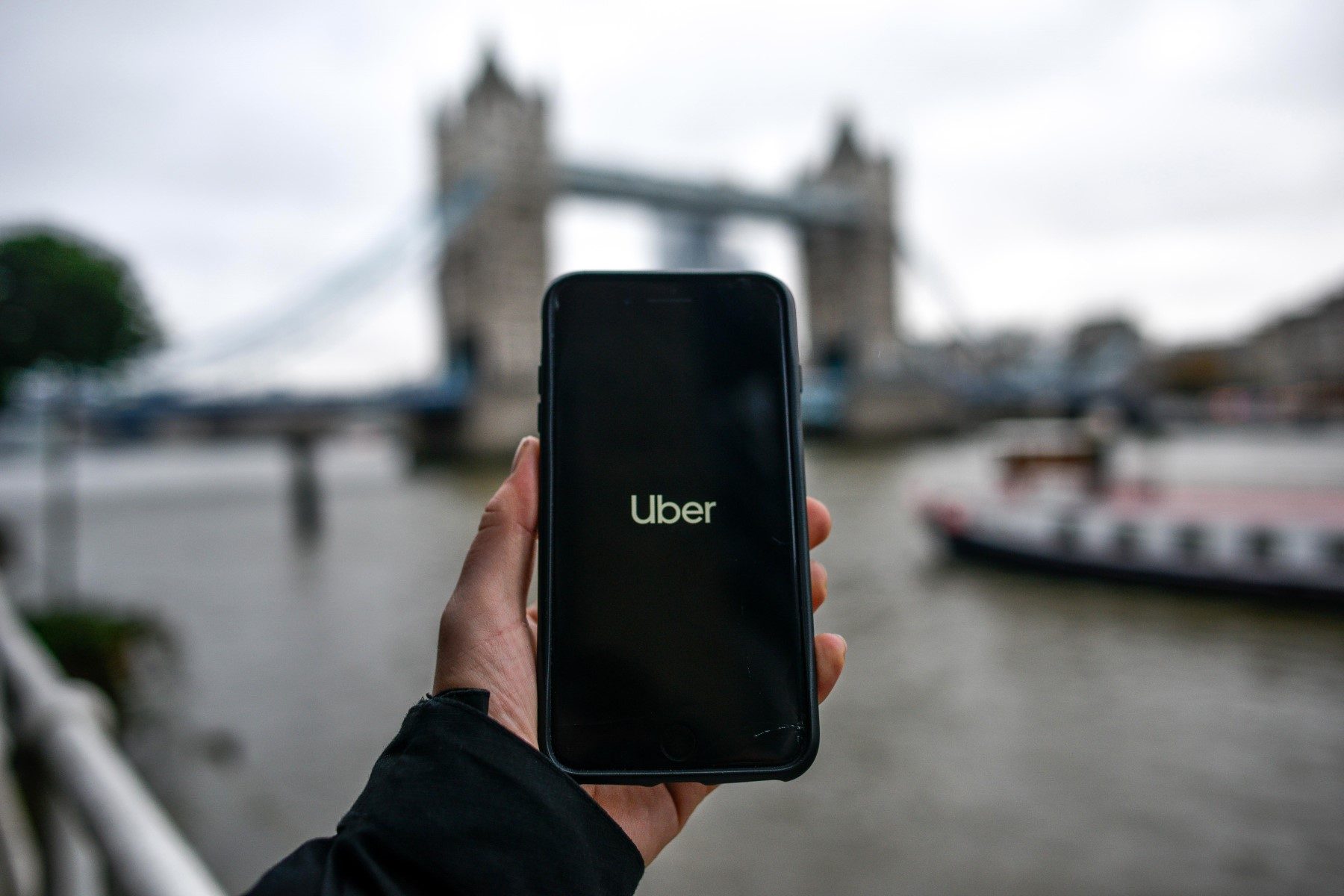
Jamie Heywood, Uber’s regional general manager for Northern and Eastern Europe, said in a statement to Digital Trends that “TfL’s decision not to renew Uber’s license in London is extraordinary and wrong, and we will appeal.”
A lack of authority
In this case, the city of London had the authority to yank the license when it saw safety issues that it felt needed to be dealt with.
The same is not true of many places in the U.S. Cities like San Francisco and Los Angeles, two of the biggest in the country, are unable to regulate how rideshare services operate within their own borders — that is up to the discretion of the state of California.
Congestion in San Francisco is up, with 47 percent of it directly attributable to rideshares.
“Especially for a state as large as California, regulating TNCs [Transportation Network Companies, or rideshares] in the Bay Area isn’t the same as in the Central Valley or in L.A.,” said Ian Griffiths to Digital Trends. Griffiths is the policy director for Seamless Bay Area, an advocacy group looking to improve transit connections for San Francisco and the environs. “It’s not a state like Massachusetts, where there’s only one metro region and it isn’t so big,” he said. “The fact that you wouldn’t have the ability at the lower level in the state [California] to restrict the number of TNCs or have other regulations, it’s like we’re missing a level of regulation for those services.”
The California State Public Utilities Commission, which is in charge of statewide regulation, did not respond to a request for comment.
Griffith emphasized that Seamless Bay Area is not against rideshares. But the tools are limited right now on the local level to regulate these apps. “We don’t have a clear regional framework for mobility governance in our region,” he said.
Meanwhile, congestion in San Francisco is up, with 47 percent of it directly attributable to rideshares, according to a report by the San Francisco County Transportation Authority.
“I understand that they have made themselves very easy to use and our public transit hasn’t been easy to use,” Cat Carter, the interim executive director of San Francisco Transit Riders, told Digital Trends, “but Uber has been very clear that they’re trying to compete with public transit. It’s just unsustainable.” Carter also said that public transit in the city would be getting better if it weren’t for Uber and Lyft causing traffic.
On November 5, San Francisco squeaked out a “yes” vote on Proposition D, which will enact a tax on all rides taken by rideshare companies in the city limits, effective January 1. But in terms of capping the number of rideshares, or enacting employee protections for drivers, the city has its hands tied by the state.
Other cities’ stances
Not every city wants to crack down on Uber. New York City, where Uber and Lyft are popular, released a statement saying it has no qualms allowing Uber to continue to operate: “We’re confident that the checks and balances New York City has help ensure passengers are serviced by vetted and licensed drivers that are a requirement for companies like Uber to continue operating here,” said Bill Heinzen, acting commissioner of the NYC Taxi & Limousine Commission, in a statement provided to Digital Trends.
Up the coast from San Francisco, Seattle is also about to enact a similar tax: On Tuesday, November 26, Seattle Mayor Jenny Durkan will sign a 51-cent tax on all rideshare rides into law.
Katie Wilson, general secretary of the Transit Riders Union of Seattle, told Digital Trends that her grass-roots organization definitely has concerns about Uber and Lyft, but it was highly unlikely the city would ever see an outright ban. “We’ve locked ourselves into getting revenue from [the new tax] for public projects,” she said. “So the city has an interest in this service growing.”
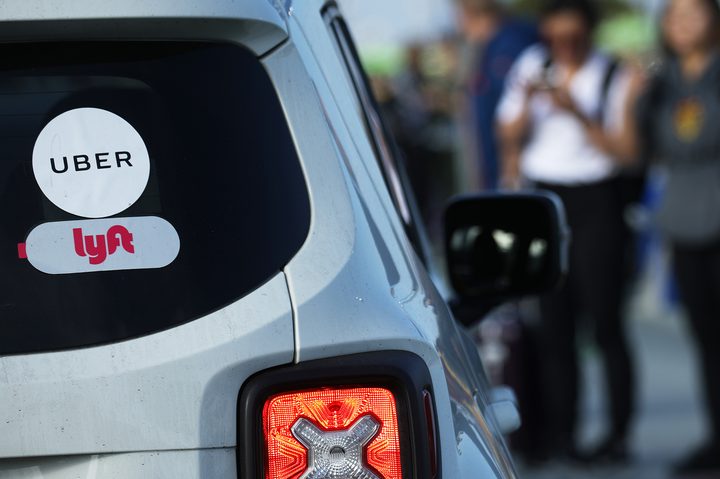
But Uber could be a better citizen, Wilson said. “They’re obviously not into being collaborative or transparent with governments, so that needs to change,” she said, whether that be with better data sharing or just providing more accurate information about the impact on the city.
San Francisco’s Carter echoed this sentiment, down to the frustration about not having access to data. “They need to partner with the cities they’re in better,” Carter said. “There will probably always be a place for them, but they need to be better civic actors.”
The Bay Area’s Griffiths also said he didn’t necessarily blame the company for pushing boundaries. “They’re operating in a Wild West context that we’ve created for them,” he said. “I don’t have high ethical standards for a private company to do more than what the law requires of them. They’re going do what they have to to increase their customer base. It’s the government’s job to issue policies. The onus is on the public sector to prioritize the regulations to shape [these companies’] growth.”
He added: “We should not be expecting institutions that we designed 50 years ago to be ready to regulate the modern world.”


