  1. Home
  2. Computing
  3. News

Acer announces refresh of Z series in anticipation of Computex

Add as a preferred source on Google

As we get closer to the first day of the global technology expo, Computex, being held in Taipei, Taiwan, companies are starting to jump the gun and announce their newest products ahead of schedule to get consumers excited about what we’ll see on the show floor next week.

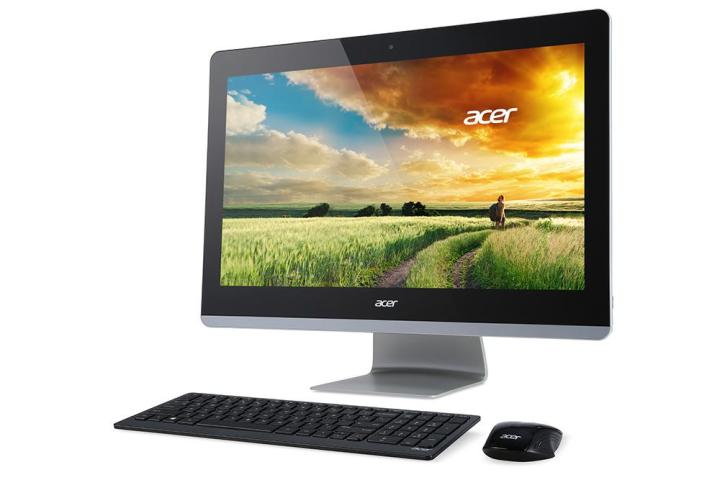
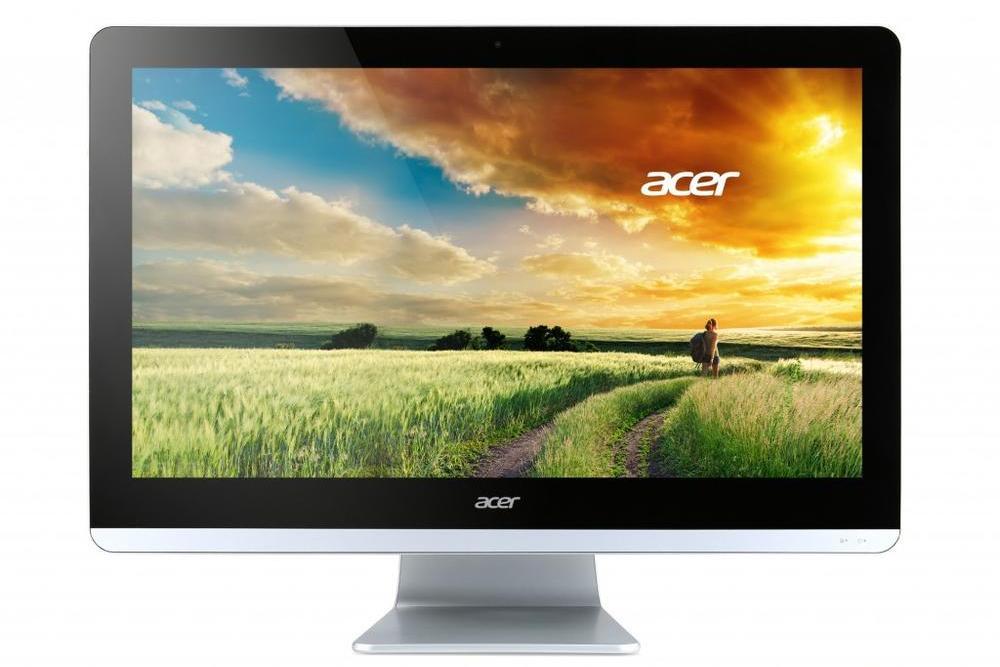
Not one to be left out of the party, Acer has announced the upcoming refresh of its Aspire Z Series all-in-one PCs, featuring the 19.5-inch ZC-700, and the 23.8-inch Aspire Z3-710. Both will feature a standard 1920×1080 LED display, and will ship with Windows 8.1 installed, though Acer has assured us the option to upgrade to Windows 10 will be free of charge when it eventually drops sometime this July, as it is with all systems running registered copies of Windows 7 or 8.
Recommended Videos

Improvements to the ZC-700 model will include stereo speakers with Acer TrueHarmony and Dolby Digital Plus Home Theater technology, a feature that will also come built-in with the Z3-710. Other than that, specifics about the upgrades for the ZC-700 are still pretty scarce, though Acer says we can expect more details to come forth as we lead up to its Q3 2015 release.

A bit more information was available about the Z3-710 however, including a choice of Intel Core, Pentium, or Celeron processors, upwards of 8GB of onboard RAM, as well as a maximum of 2TB of available storage space. All of this will be packed into a shell that’s just 36mm deep, a profile which makes the Z3 a full 15mm thinner than similar offerings from Apple and its iMac line of all-in-ones.

Both PCs will go on sale at some point in Q3 of this year, though Acer is still being coy with exact dates for now.

Chris Stobing
Former Digital Trends Contributor
Self-proclaimed geek and nerd extraordinaire, Chris Stobing is a writer and blogger from the heart of Silicon Valley. Raised…
Can You Turn a Mini PC Into a Local AI Agent?
Furniture, Table, Computer

This post is brought to you in paid partnership with MSI

Not every AI task needs the scale of the cloud. An employee searching company documents, a retail kiosk answering product questions, or a digital sign reacting to customer behavior all need fast responses, but they don't necessarily need to send every prompt to a remote data center. Running those workloads locally reduces latency, keeps sensitive information closer to where it's generated, and can lower the ongoing cost of AI deployments. As a result, many organizations are moving toward hybrid AI architectures that handle routine requests on-device while reserving cloud models for tasks that genuinely need more processing power.

Read more
Everything Apple announced at its September event: iPhone Duo, iPhone 18 Pro, new Apple Watches, and AirPods 5
Apple packed its biggest September event in years with a foldable iPhone, new watches, and smarter AirPods.
Computer, Electronics, Tablet Computer

The "Surprise and Shine" September launch event was one of Apple's crispest, most elaborate, and most loaded launch events in a while. Instead of leaving the minute details in the spec sheet or fine print, Apple actually included them in its keynote presentation, not just for its big reveal but for all the devices it unveiled on September 9, 2026. 

While the 'Surprise' bit was covered by the new iPhone Duo, 'Shine' probably refers to the new colors in the iPhone 18 Pro lineup. Beyond these, Apple also announced two new Apple Watches and a refresh for the regular AirPods (not the Pro ones). Given that there's a lot of ground to cover, here's everything Apple announced at its September 2026 event. 

Read more
Before You Pay More for DDR5, Think About How Much Memory You Need
The MSI Cubi 5 1MA makes a strong case for looking beyond the newest specs
MSI Cubi 5 1MA compact mini PC with Intel Core processor

There is an easy trap to fall into when buying a new PC. The newer specification usually sounds like the better one, so choosing DDR5 memory over DDR4 can seem like an obvious upgrade. But with memory prices climbing to unusually high levels, it is worth asking whether you will actually benefit from paying more for that extra speed.

For many people buying a PC primarily for work, the answer comes down to how they use it. Everyday tasks such as browsing, email, spreadsheets, presentations, and video calls generally do not need the extremely high memory bandwidth DDR5 offers. Having enough RAM to keep several of those tasks running comfortably can be far more relevant.

Read more