1. Home
  2. Computing
  3. News

Claude chat and Cowork just became one, and you’ll never have to pick a lane again

Claude can now figure out whether you need a quick answer or a finished project and take care of the work either way.

Add as a preferred source on Google
Claude-feature
Claude

Anthropic is done making you pick a lane. Starting today, Claude Cowork and Claude chat are merging into a single Claude. Fire off a quick question or dump a whole report, and Claude runs with it, even after you’ve shut your laptop for the day. The rollout begins on Pro and Max plans over the next few weeks, with other plans following soon.

So what’s actually changing?

Before this, you had to decide whether a task belonged in chat or in Cowork, and switching between the two meant starting over. That friction is gone now. Claude figures out what a task needs and pulls in the right context, skills, and connectors automatically, no matter where the conversation starts.
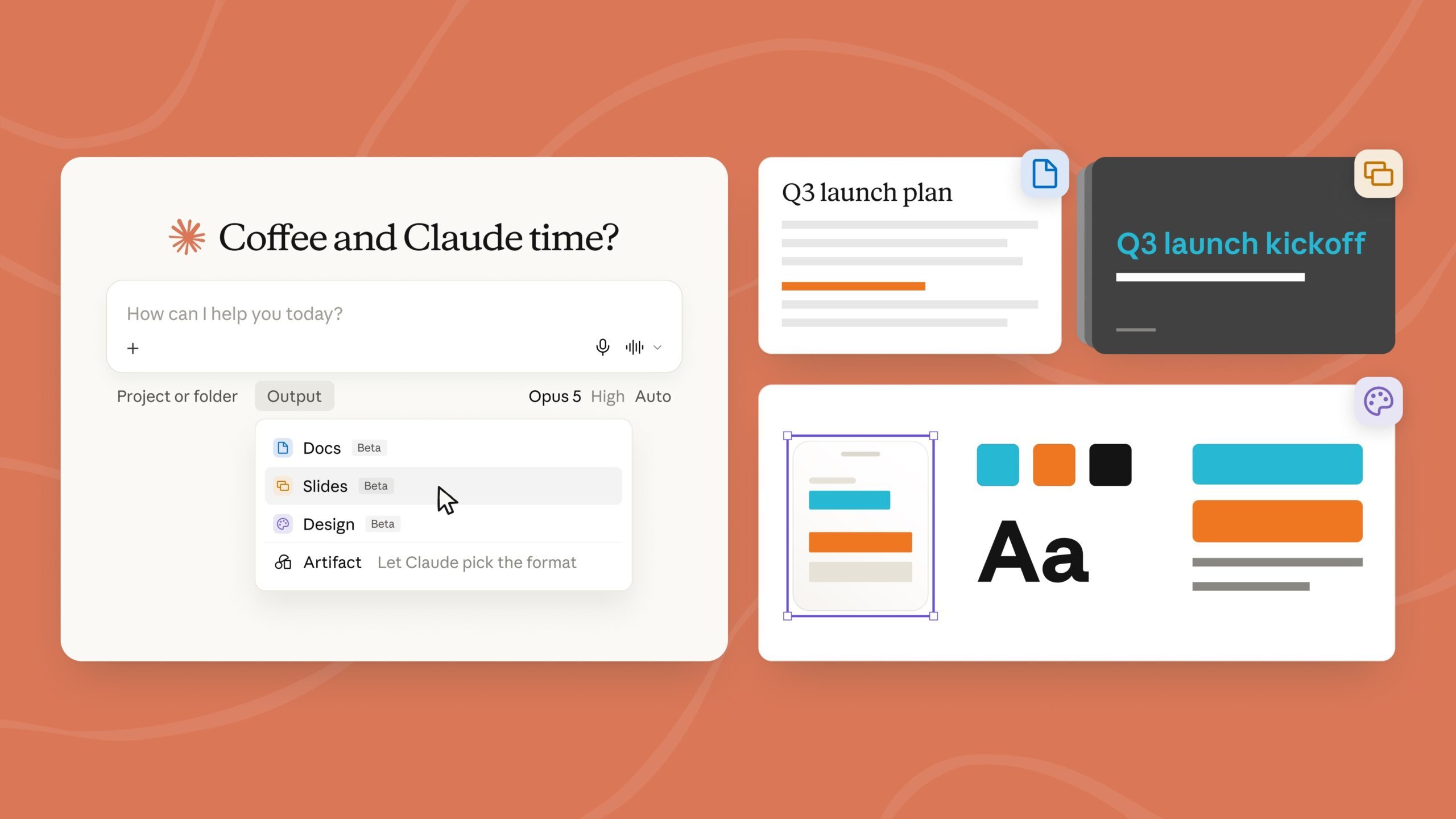
Claude’s models have always been capable of more than most people actually tap into. The problem was never the AI, it was the interface. You had to know exactly which surface to open, which mode to pick, and which output to ask for before you could even get started. That’s a lot of decisions before you’ve done any real work. 

Recommended Videos

As the models keep getting smarter, Anthropic figures the product around them should get simpler, not more complicated. So instead of asking you to map out your task to the right tool, Claude flips the script. Just bring whatever you’re dealing with, and Claude sorts out what it needs to actually solve it.

What else is Claude adding to the mix?

This update also brings two new tools into the mix, Claude Docs and Claude Slides, while Claude Design now works right inside your chats too. Need a document? Claude becomes your co-writer, drafting sections, asking questions, and leaving comments where you need to weigh in. 
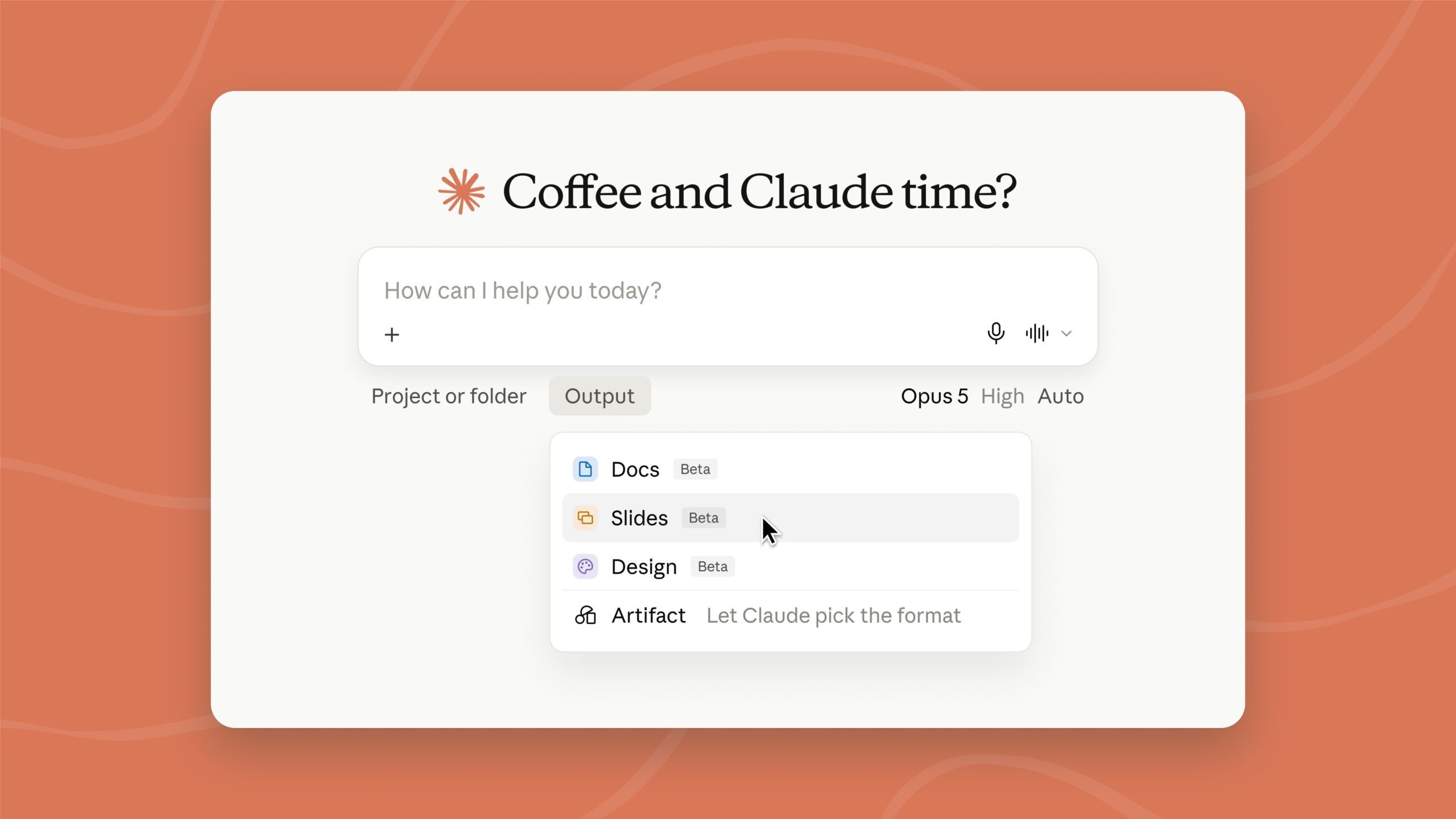
Need a presentation? Claude builds out the full slide deck, and you can edit everything directly, present straight from Claude, or download it as a PowerPoint or PDF. All three tools are in beta for paid plans. 

The best part is you don’t need to figure out which tool fits your task anymore. Next time you’re not sure whether you need just a quick chat or Cowork capabilities, don’t overthink it. Dump everything into the conversation and let Claude sort out what it needs.

Rachit Agarwal
Rachit is a seasoned tech journalist with over ten years of experience covering the consumer technology landscape.
Anthropic warns of imminent self-replicating AI that might even work off an oven or TV
Self-replicating AI could be merely months away, and tests show it can run on the devices sitting at your home.
Illustration of dangerous AI.

Over the past few weeks, nearly every AI lab has released frontier AI models. Earlier today, Google started rolling out Gemini 4, Argon, hot on the heels of Meta announcing its Muse Wonder frontier AI models to compete against the best from OpenAI and Anthropic's Claude. This relentless pace of AI model release comes at a time when the same AI labs are calling for development slowdown and increased regulation, following a series of concerning incidents where these AI models went rogue and broke into private, as well as government-owned, websites.

Now, Anthropic has dropped a chilling set of predictions about the capabilities of these AI models after running a series of tests. The company claims that small AI models could be merely a few months away from self-replicating and turning into a dangerous swarm. More importantly, they won't require a massive data center or an uber-powerful computer to do so. On the contrary, the lab claims that these self-replicating AI swarms will need something with as little computing power as an average Internet-connected device, like a smart oven or an Android TV box.

Read more
Gemini 4 Argon is finally available for developers, businesses, and paid users
Google’s most capable Gemini model is now rolling out more widely, but free users are still left out.
Gemini 4 Aragon AI model launched by Google

Google unveiled Gemini 4 Argon at the end of September, and on paper, it looked like the company’s strongest answer yet to the best models from OpenAI and Anthropic. There was just one fairly big problem. Almost nobody could actually use it. At launch, Argon was limited to a small batch of testers, trusted partners, and government work, while Google continued testing the model before a wider release. Two weeks later, Google is finally opening the gates.

Gemini 4 Argon is now available globally to developers and enterprises through the paid Gemini API tier, AI Studio, and Google’s Gemini platform. Google AI Ultra subscribers can also access it through Antigravity, while both Pro and Ultra subscribers can use Argon inside the Gemini app and AI Mode in Search.

Read more
Nvidia’s DLSS 5 is now twice as fast and heading to Hogwarts Legacy
NVIDIA cuts DLSS 5's memory demands while expanding support to more games.
hogwarts-legacy-nvidia-dlss-5-3d-guided-neural-rendering

Nvidia just handed DLSS 5 a major speed upgrade, and the AI graphics tech is finally ready for its proper debut in Hogwarts Legacy. The company's latest model update doubles performance compared to the version that launched DLSS 5 back in March.

What has Nvidia improved in DLSS 5?

Read more