  1. Home
  2. Computing
  3. News

Apple’s new Mac mini and Mac Studio are finally available after a month-long wait

The new Mac mini and Mac Studio are pricier, but Apple has several ways to bring the cost down.

Add as a preferred source on Google
Apple M6 Mac mini
Apple

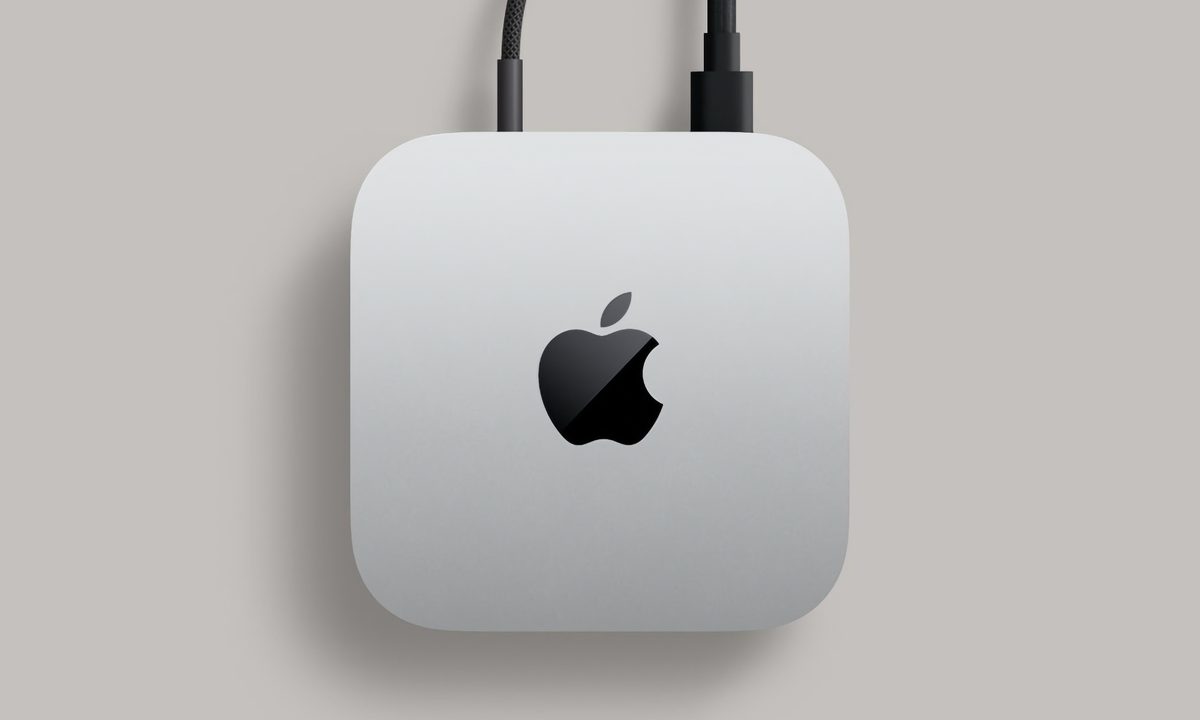
Apple’s new Mac mini and Mac Studio are officially on sale starting today, September 22. Both desktops are now available through Apple Stores, Apple’s website, the Apple Store app, and authorized resellers.

The Mac mini starts at $899 for the M6 model, while the M5 Pro version starts at $1,699. Mac Studio pricing begins at $2,499 for M5 Max and $5,499 for M5 Ultra.

Apple has a few ways to make the price sting less

Students and educators can save $100 on the Mac mini, bringing the M6 model down to $799 and the M5 Pro version to $1,599. Education pricing on Mac Studio starts at $2,299 for M5 Max and $5,099 for M5 Ultra. Apple Trade In is also available for buyers who want to exchange an existing computer for credit toward a new Mac.
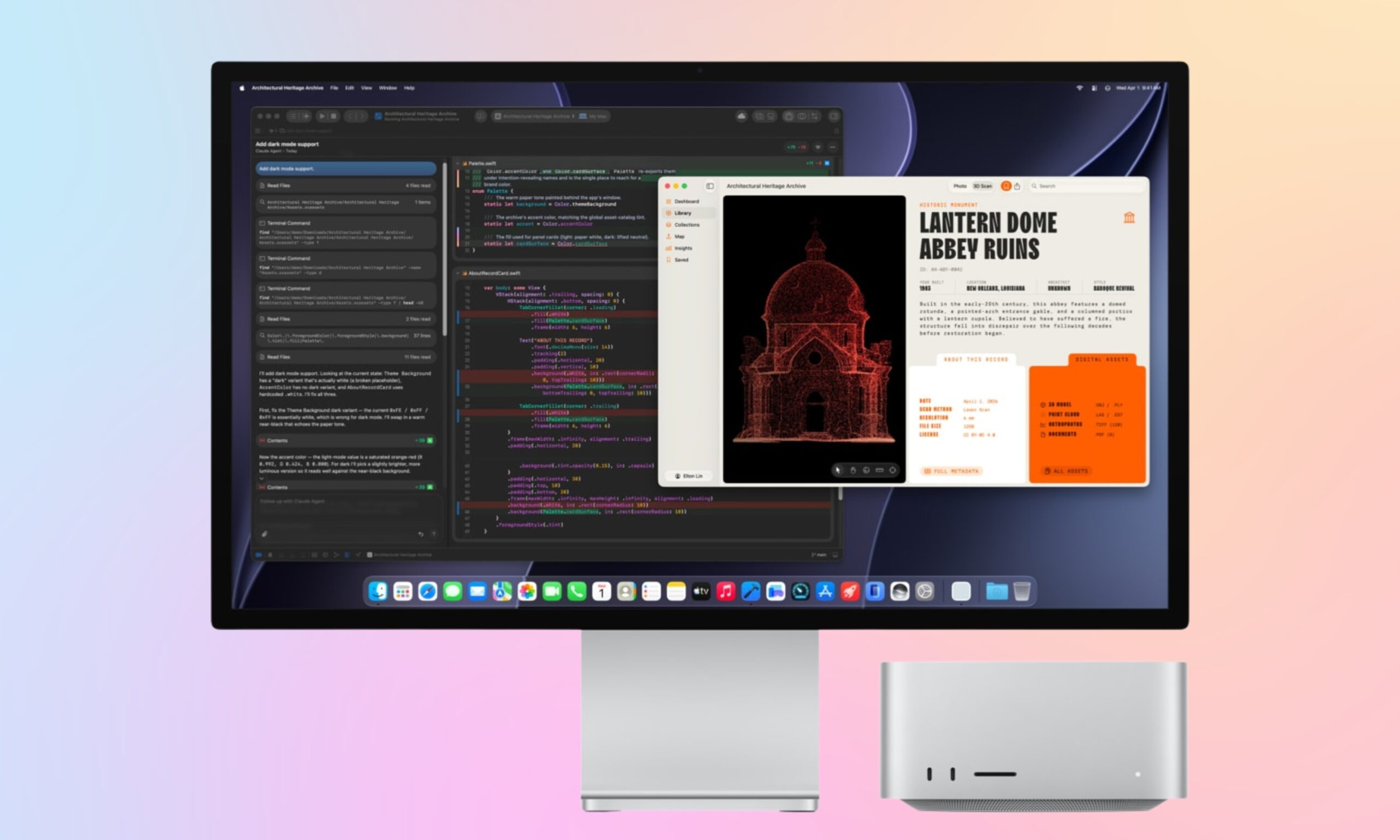
Mac Studio buyers in the U.S. get another option through Apple Upgrade. A 36-month lease starts at $48.99 per month for the M5 Max model and $110.10 per month for M5 Ultra, excluding taxes and trade-in credit. Customers can upgrade, buy the machine outright, or return it at the end of the lease. Configure-to-order options are live as well. The one exception is the Mac Studio with 512GB of unified memory, which will not arrive until late October.

The hardware upgrades are still pretty substantial

The M6 Mac mini gets a 12-core CPU and 12-core GPU, while Apple claims up to four times faster AI performance, twice the graphics performance, and 40 percent faster CPU performance than the M4 version. Memory starts at 16GB and can be configured up to 32GB. Buyers who need more power can move to M5 Pro, which tops out at an 18-core CPU, 20-core GPU, and 64GB of unified memory.

Recommended Videos

Mac Studio is the obvious heavy hitter of the two, as it can be configured with an M5 Max chip with up to a 40-core GPU and 128GB of unified memory. It also has an M5 Ultra version that stretches to a 36-core CPU, 80-core GPU, and a massive 512GB of memory with 1.2TB/s of bandwidth. Apple says the M5 Ultra can deliver up to 4.3 times the AI performance of the M3 Ultra.

Sudhanshu Kumar Mangalam
I’ve got about 4 years of experience, mostly covering gaming, PC hardware, and smartphones. In my free time, I like…
DigUp lets users find Mac files by describing them, not remembering their names
Can't remember where that screenshot, PDF or recording went? Just describe it and let AI do the digging.
DigUp App in Use screenshot

There's a particular kind of frustration that comes with knowing a file exists somewhere on a computer but having absolutely no idea what it's called. Was that screenshot saved as IMG_4837? Which PDF contained that clause? And where did that podcast recording mention the thing worth remembering? DigUp wants to end the filename guessing game, letting Mac users search for files by describing what they remember instead. The free, open-source app uses Google's EmbeddingGemma 2 to search across photos, documents, PDFs, audio recordings and videos, all without sending personal files to the cloud.

DigUp turns everyday descriptions into file searches

Read more
A new AI detector looks beyond words to check whether the ideas came from AI
This could help journals distinguish AI-written research from human work polished with AI.
ai-writing-book

Most AI detectors look for telltale signs of AI-generated text by examining word and sentence patterns. A new tool called IdeaLens takes a different route to solving this problem. It spots AI-generated research by looking at the ideas behind it instead of the wording itself (via TechXplore).

Researchers from the University of Maryland, Google DeepMind, and Simon Fraser University built IdeaLens to check whether a document's core arguments came from a human or a machine, regardless of who wrote the final draft.

Read more
Anthropic warns of imminent self-replicating AI that might even work off an oven or TV
Self-replicating AI could be merely months away, and tests show it can run on the devices sitting at your home.
Illustration of dangerous AI.

Over the past few weeks, nearly every AI lab has released frontier AI models. Earlier today, Google started rolling out Gemini 4, Argon, hot on the heels of Meta announcing its Muse Wonder frontier AI models to compete against the best from OpenAI and Anthropic's Claude. This relentless pace of AI model release comes at a time when the same AI labs are calling for development slowdown and increased regulation, following a series of concerning incidents where these AI models went rogue and broke into private, as well as government-owned, websites.

Now, Anthropic has dropped a chilling set of predictions about the capabilities of these AI models after running a series of tests. The company claims that small AI models could be merely a few months away from self-replicating and turning into a dangerous swarm. More importantly, they won't require a massive data center or an uber-powerful computer to do so. On the contrary, the lab claims that these self-replicating AI swarms will need something with as little computing power as an average Internet-connected device, like a smart oven or an Android TV box.

Read more