  1. Home
  2. Computing
  3. News

Digital Trends may earn a commission when you buy through links on our site. Why trust us?

As AI takes over schools, teachers are going back to basics to curb AI cheating

AI detectors kept getting it wrong, so schools are trying something that actually works.

Add as a preferred source on Google
ChatGPT on iPhone
Digital Trends

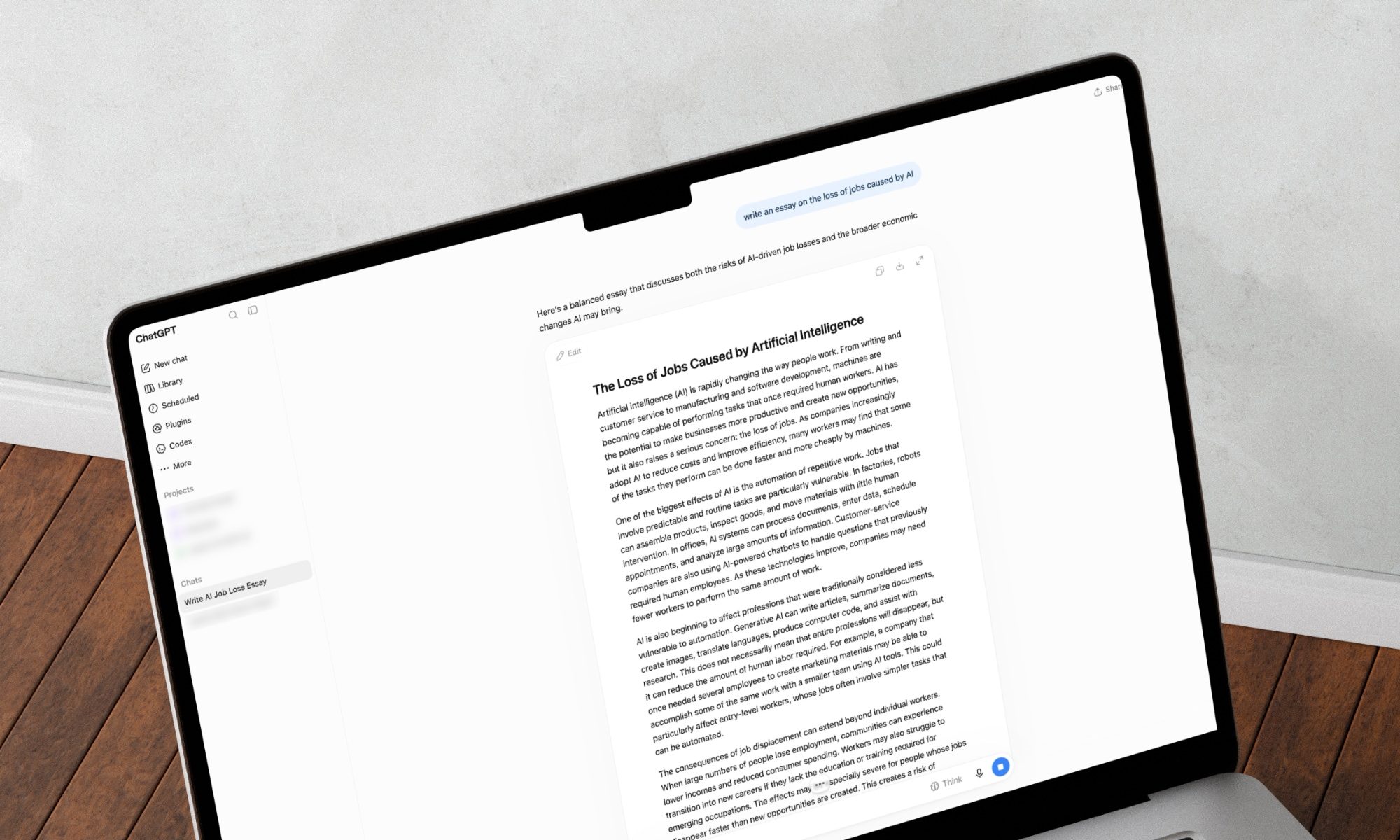
Last year, teachers spent most of their energy trying to catch students using ChatGPT to write essays. This year, many have decided that’s a losing battle, especially since the detectors meant to catch cheaters have been burning innocent students instead. 

A Bloomberg investigation found popular tools like GPTZero and Copyleaks wrongly flagged pre-ChatGPT college essays as AI-written, and one UC Davis senior was accused of cheating and handed a zero on his midterm, purely based on a detector’s score, even though he wrote every word himself.

Recommended Videos

As The Washington Post reports, Rachael Zeleny, who runs the writing program at the University of Baltimore, used to lean on a tracking app called Brisk that recorded every edit a student made in Google Docs. It worked, but she knew it wasn’t a real fix. “This is a Band-Aid, this isn’t a solution,” she told her instructors last year.

So what are teachers doing differently now?

Instead of grading a single polished essay, Zeleny’s students now turn in the messier parts of the process: handwritten outlines, video reflections on their work, and even transcripts of conversations they had with a chatbot. She also built AI characters through a platform called BoodleBox that argue with students in mock scenarios, like a heated school board meeting over banning books, to test how well they can build an argument on the spot.
Other educators are having a similar change of heart. Andrew Zeiser, who teaches supply chain management at John Carroll University, said the real worry isn’t whether students are using AI anymore. It’s whether they’re learning anything at all. His students now play a decision-making simulation game and then explain the reasoning behind their choices afterward, something a chatbot can’t easily fake.

Are schools and AI companies on the same page?

New York City and the Los Angeles Unified School District both rolled out temporary bans on generative AI just last week. Meanwhile, companies like OpenAI, Anthropic, and Google are handing out free classroom access to hook students and teachers early.
There’s an even bigger headache brewing too. Some AI tools can now act as agents, logging into a school’s learning portal and completing an entire test on a student’s behalf. Teachers barely have detection software figured out, and the next wave of AI is already knocking.


Rachit Agarwal
Rachit is a seasoned tech journalist with over ten years of experience covering the consumer technology landscape.
Apple’s busy month could see another batch of new devices in late October
More macs, updated HomePod mini, refreshed iPad mini, the long-awaited smart home hub, and more.
Apple-TV-4K

Apple's Fall launch slate for 2026 is looking absolutely stacked. The company has already lifted the covers from next-generation Mac hardware, alongside new iPhones, AirPods, and a couple of updated smartwatches. But it seems the company has a lot more to show before the year comes to an end.

It was recently reported that the company has set the date for an event on October 13, where it could reveal updated Apple TV hardware, its long-awaited smart home hub device, and a refreshed HomePod mini. Now, a fresh rumor claims that the companty has a second batch of product reveals lined up for late October.

Read more
Wikipedia says rogue OpenAI agents attacked its platforms and hammered its servers
Wikimedia says rogue OpenAI agents probed its services, made unauthorized edits and generated millions of requests, raising fresh concerns about AI agents and the open web.
OpenAI website open on MacBook

OpenAI's AI agents have been busy, and not in a good way. They have already hacked Hugging Face, and the company is under probe for hacking an Australian government website. In June, its agents swamped a United Nations website with search requests, then used pushy tactics to access its data. 

Now, the Wikimedia Foundation has revealed that these "rogue" agents paid Wikimedia’s website, including Wikipedia a visit too. Wikimedia launched its own probe and confirmed that OpenAI's agents had been active on its platforms without permission. The good news is that they didn't manage to breach any systems or data.

Read more
Some Googlebook features are off-limits if your phone is stuck below Android 17
Googlebook does not require Android 17 to work, but you’ll miss several major phone-connected features without it.
ASUS Googlebook 14

Googlebooks are finally here, and one of its biggest selling points is how closely it works with your Android phone. However, there is one catch - you need Android 17 for some of the most useful cross-device features.

Which Googlebook features need Android 17?

Read more