
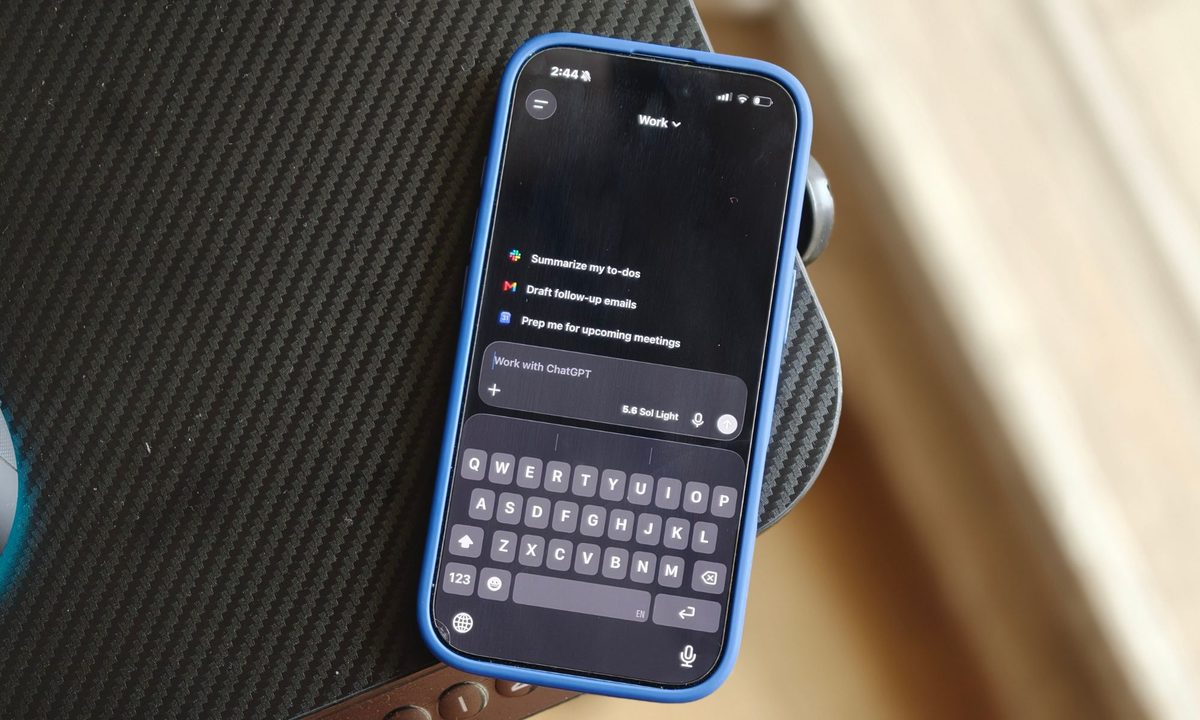
OpenAI is turning ChatGPT into something that looks increasingly like a workplace platform. At its Dev Day conference in San Francisco, the company introduced Space, a shared workspace where coworkers can work with each other, ChatGPT and AI agents on projects.
Space is the centrepiece of a broader set of workplace features that also includes Pages, collaborative Slides, expanded plugins and automations. Together, the tools show how OpenAI wants ChatGPT to move beyond answering questions and become a place where people actually create and manage work.
Space brings coworkers, files and AI agents into one place
The main idea behind Space is fairly simple: instead of keeping workplace conversations, documents and AI assistance in separate applications, teams can bring them together inside ChatGPT.
OpenAI describes Space as a shared environment where coworkers can collaborate with ChatGPT and with Dots, its newly launched AI agent personas that can carry out tasks on a user’s behalf. Pages and files can live together inside a Space, similar to how files would be organised in a cloud drive.

The more interesting part is that Spaces are designed to be active rather than simply storing information. OpenAI CEO Sam Altman demonstrated how users can give a page specific instructions, such as asking it to check a team channel and update the page with what it finds.
That could make Space useful for project management, research and recurring team tasks. Instead of manually checking different sources and updating a shared document, users could ask ChatGPT or an agent to handle parts of that process.
Space is therefore the foundation for OpenAI’s broader workplace strategy. But it isn’t working alone.
Pages, Slides and plugins turn ChatGPT into a workplace hub
OpenAI also launched Pages, a companion word processor designed around collaboration between humans and AI agents. Users can write and research content, generate charts, create images and visualise information inside Pages.
Then there are collaborative Slides, which are designed to compete with the presentation-making workflow associated with tools such as PowerPoint. Users will be able to describe a presentation inside ChatGPT, have it generated, and then allow coworkers and AI agents to edit it, comment on it, and work on it together. Slides will roll out in the coming weeks.

OpenAI is also expanding its plugin extensions, allowing developers to create app-like experiences directly inside ChatGPT. These can appear in the ChatGPT sidebar and include interactive panels and file viewers. Existing integrations include Slack, SharePoint, Airtable and Google Drive.
The company is making those integrations more automated too. OpenAI says support for the proposed MCP Events specification will allow connected applications to trigger automations based on events, while ChatGPT Sites can host plugins that users can share with colleagues.
The bigger picture is clear: Space is the shared workspace, while Pages, Slides, plugins and agents provide the tools that operate inside it. OpenAI is effectively trying to make ChatGPT a single place where teams can discuss work, create documents, build presentations, access external services, and delegate tasks to AI.
Related coverage:


