  1. Home
  2. Computing
  3. News

Performance art: Google USB Type-C cable reviewer fries his own Chromebook

Add as a preferred source on Google

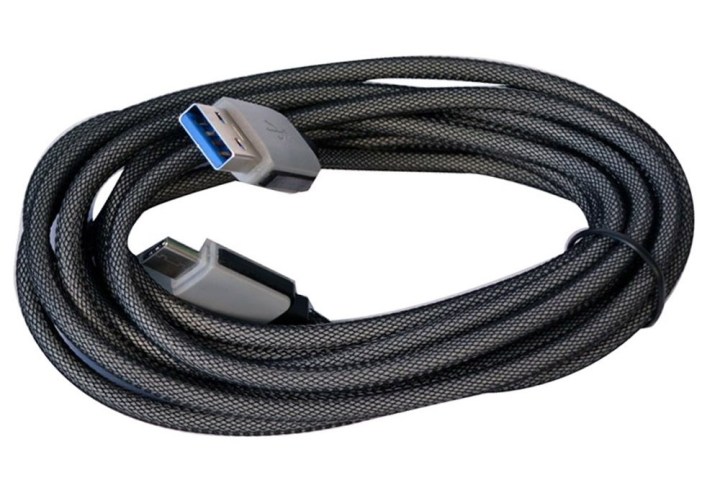
Be careful what you wish for. The latest generation of USB cables might be universal and capable of delivering much more power to our devices, but not all of them are working as intended. In fact, one crusading Google engineer who hoped to name and shame Amazon sellers shifting dodgy cables, has found one particularly bad one that fried his Chromebook during testing.

The man is Benson Leung. We covered the story of his journey to enlighten us all on the safe USB Type-C cables that are out there and the ones that are much less so. While some have proved to be duds, the Surjtech 3M USB A-to-C converter cable proved to be the worst of the bunch.

Recommended Videos

When Leung plugged it in and powered his devices on, he found that not only had his Chromebook Pixel’s USB ports been completed fried, making them unusable, but he’d also lost two USB power analyzers that were attached to the same line.

Related: Confused about USB Type-C? These stickers will help sort it out

When he investigated what had  happened, Leung found that the cable had actually destroyed the Chromebooks’s USB controller (as per Ars). While this might be annoying in itself, as that controller handles everything from USB charging to the use of external peripherals, it’s also made the Pixel unable to boot, as the controller could no longer be verified.

It turns out this was all caused by the developers of the Surjtech cable wiring it up incorrectly. They also used weaker resisters than they should have, which ultimately led to the problems Leung discovered.

Although he may have lost out on a functioning laptop, Leung may well have saved many others from a similar fate. While his review still remains online for posterity, the product in question has been pulled.

The question now remains whether Leung can get his bosses to fork over another Chromebook for him to continue testing with. He should get a decent staff discount at least.

Jon Martindale
Jon Martindale covers how to guides, best-of lists, and explainers to help everyone understand the hottest new hardware and…
Gemini Notebook’s latest update makes it a better study companion
Google is adding voice conversations, lecture recording, interactive quizzes, and short video overviews to its AI-powered notebook.
Gemini Notebook update for students

Google is giving Gemini Notebook, formerly NotebookLM, a major upgrade for students, adding new features designed to help them understand difficult concepts, capture lectures, and turn study materials into interactive learning tools. The update lands alongside a free year of Google's paid AI plan for eligible college students.

Gemini Notebook can now talk you through your notes

Read more
LG 39GX950B review: An ultrawide OLED that gets remarkably close to having it all
LG’s 39-inch 5K2K OLED combines high-end picture quality with seriously fast gaming
Electronics, Screen, Computer Hardware

see at bestbuy

Quick Verdict

Read more
Should we feel bad about deleting an AI? One expert says it’s time to find out
If AI can learn, remember, and make increasingly complex decisions, one expert thinks we should be more careful about how we say goodbye.
an on off toggle

Turning off an AI might sound as simple as hitting a switch, but according to futurist and University of Technology Sydney professor Rocky Scopelliti, that mindset needs to change fast. As first reported by TechXplore, Scopelliti's new book, The Conscious Code, Scopelliti argues that as AI systems get better at reflecting on their own choices, deleting them without a second thought could actually cause harm.

He's not asking us to hand robots legal rights. Instead, he wants us to accept what he calls a duty of good stewardship, basically treating AI responsibly because we're the ones holding the power, not because the AI is demanding it. As he puts it, our design choices can quietly cause damage by wiping out an AI's "learned moral dispositions" without warning.

Read more