

Four months after Google first showed us its vision for a Gemini-first laptop, the Googlebook is finally here. And if the word “Google laptop” still reminds you of the flimsy $300 Chromebook, the launch lineup could change your mind. The first wave includes machines from Acer, Asus, Dell, HP, and Lenovo, with prices starting at $899 and reaching $1,299.
Google is pairing premium materials, OLED touchscreens, haptic trackpads, and next-generation Intel or Qualcomm processors for a new desktop experience, which is built around Android, Chrome, and Gemini Intelligence. Google states that the category is specifically designed to work as an extension of your Android phone.
Five laptops, and none of them look particularly cheap
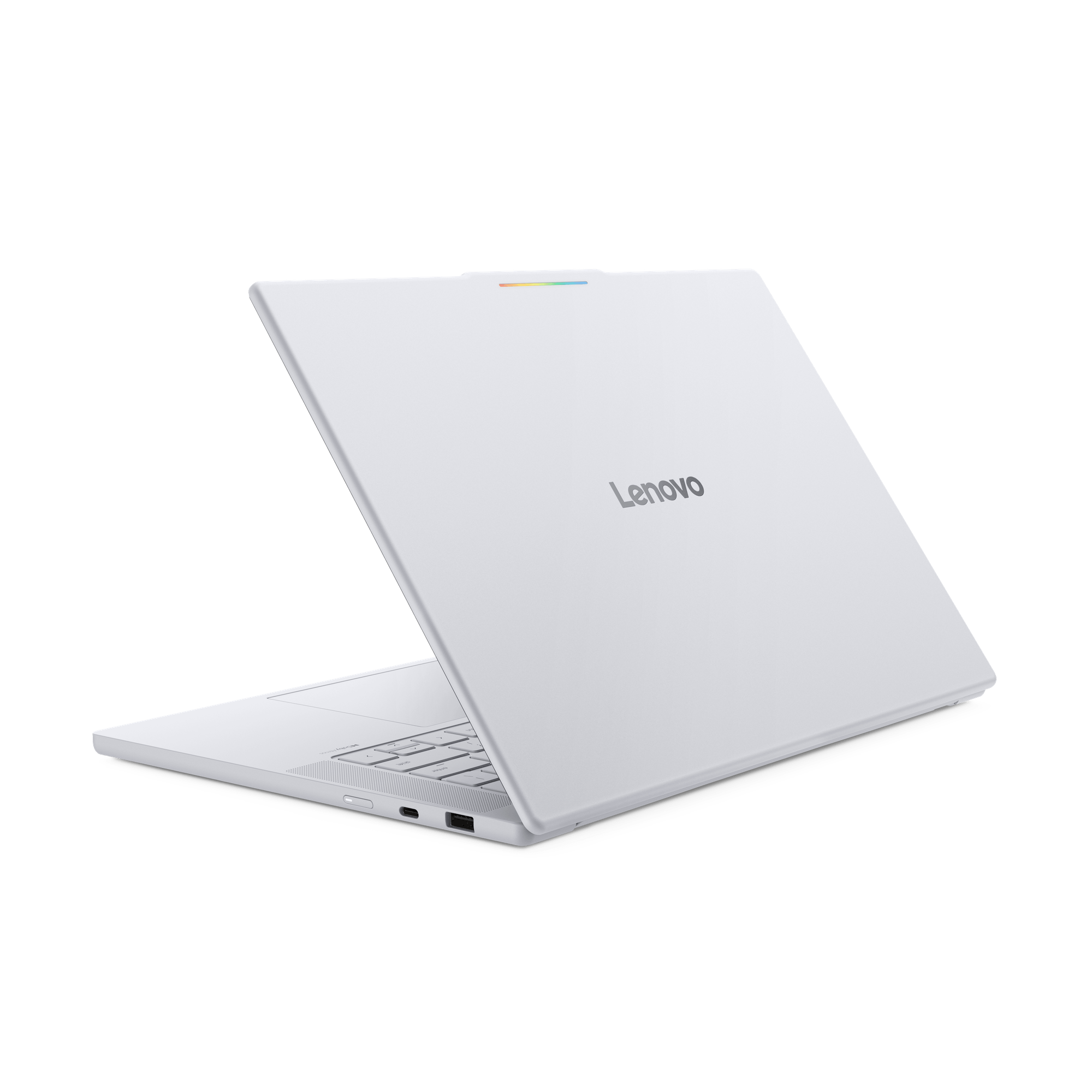
The Acer Googlebook 14 is the entry point at $899, with a 14-inch 2.8K OLED touchscreen, a convertible design, 16GB of memory, and Intel Core Ultra 5 or 7 Series 3 “Panther Lake” processors. Then we have Dell’s XPS Googlebook, which is a premium model that starts at $1,199. It is a slim 13.4-inch machine powered by Qualcomm’s Snapdragon X Elite, weighs just 2.2 pounds, and uses a machined-aluminum chassis.
| Model | Starting price | Processor | Display |
|---|---|---|---|
| Acer Googlebook 14 | $899 | Intel Core Ultra 5/7 Series 3 | 14-inch 2.8K OLED touch, convertible |
| Dell XPS Googlebook | $1,199 | Snapdragon X Elite | 13.4-inch 2.5K touch |
| HP Googlebook 14 | $1,299 | Snapdragon X Elite | 14-inch 2.8K OLED touch |
| Lenovo Googlebook 15 | $1,299 | Intel Core Ultra 5 Series 3 | 15.3-inch 2.8K OLED touch |
| Asus Googlebook 14 | $1,299 | Intel Core Ultra 5/7 Series 3 | 14-inch 2.8K OLED touch |
Moving towards the more premium-end, you also have models priced at $1,299. Buyers can choose between the Snapdragon X Elite-powered HP Googlebook 14, the 15.3-inch Lenovo Googlebook 15 with Intel Core Ultra 5 Series 3, and the 14-inch Asus Googlebook 14 with Core Ultra 5 or 7 chips. The company adds that Googlebooks will offer at least 16GB of RAM, SSD storage starting at 256GB, and up to 14 hours of battery life, depending on the machine.
Gemini is the big focus here
Leaving aside the hardware, Google is doing what it always does best focusing on the software experience, namely with Gemini. Magic Pointer lets you wiggle the cursor to summon Gemini against whatever is already on screen. The beloved Rambler is also making a return for structuring your natural speech into better text sentences. We also have Create My Widget, which can generate desktop widgets from natural-language requests.
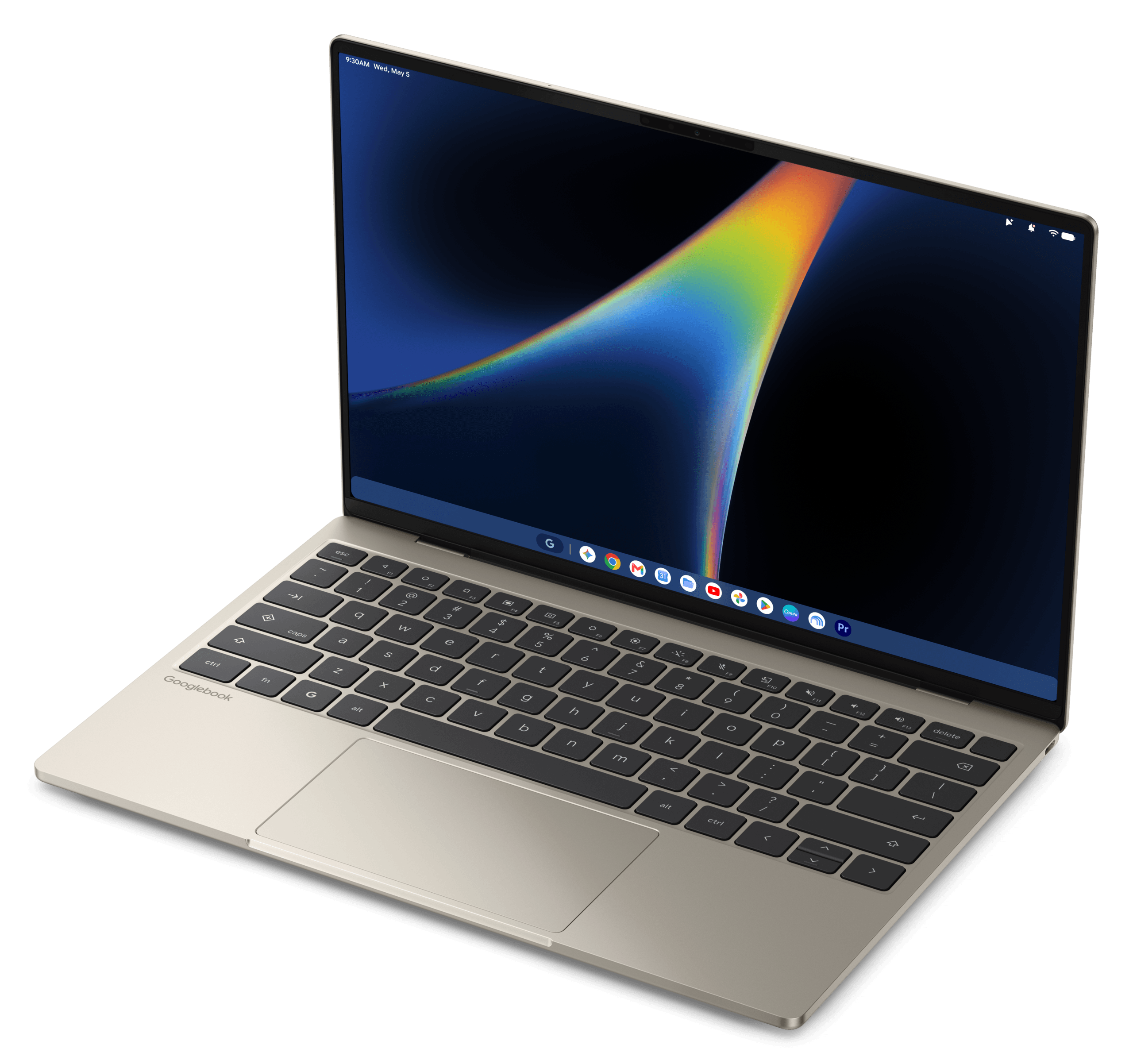
Google is leaning heavily into phone continuity. With Continue On, it lets you resume work from an Android phone on your laptop, the Files app can access phone content directly, and Cast My Apps can run phone apps in desktop windows without installing them locally. All of these are pretty useful, but Google particularly describes Magic Pointer and Create My Widget as two of Googlebook’s defining Gemini features.
Additionally, Googlebooks arrive with Google Play apps support, PWAs, Linux containers, and native creative software including Photoshop, Lightroom, and CapCut. Every Googlebook includes 12 months of Google AI Pro with 5TB of cloud storage, plus three months of YouTube Premium and other software offers.
Preorders open September 21 through the Google Store, Best Buy, and select retailers. The laptops arrive in US stores on October 4, followed by Canada, the UK, Ireland, France, Germany, and Australia on October 5.


