


Apple deals can be weird. A crossed-out price doesn’t automatically make something a bargain, especially when the discount is barely enough to cover lunch. These five are more convincing. The savings are decent, the products are current, and none of them need much creative accounting to make the price look good.
AirPods Pro 3 – $199 (20% off)
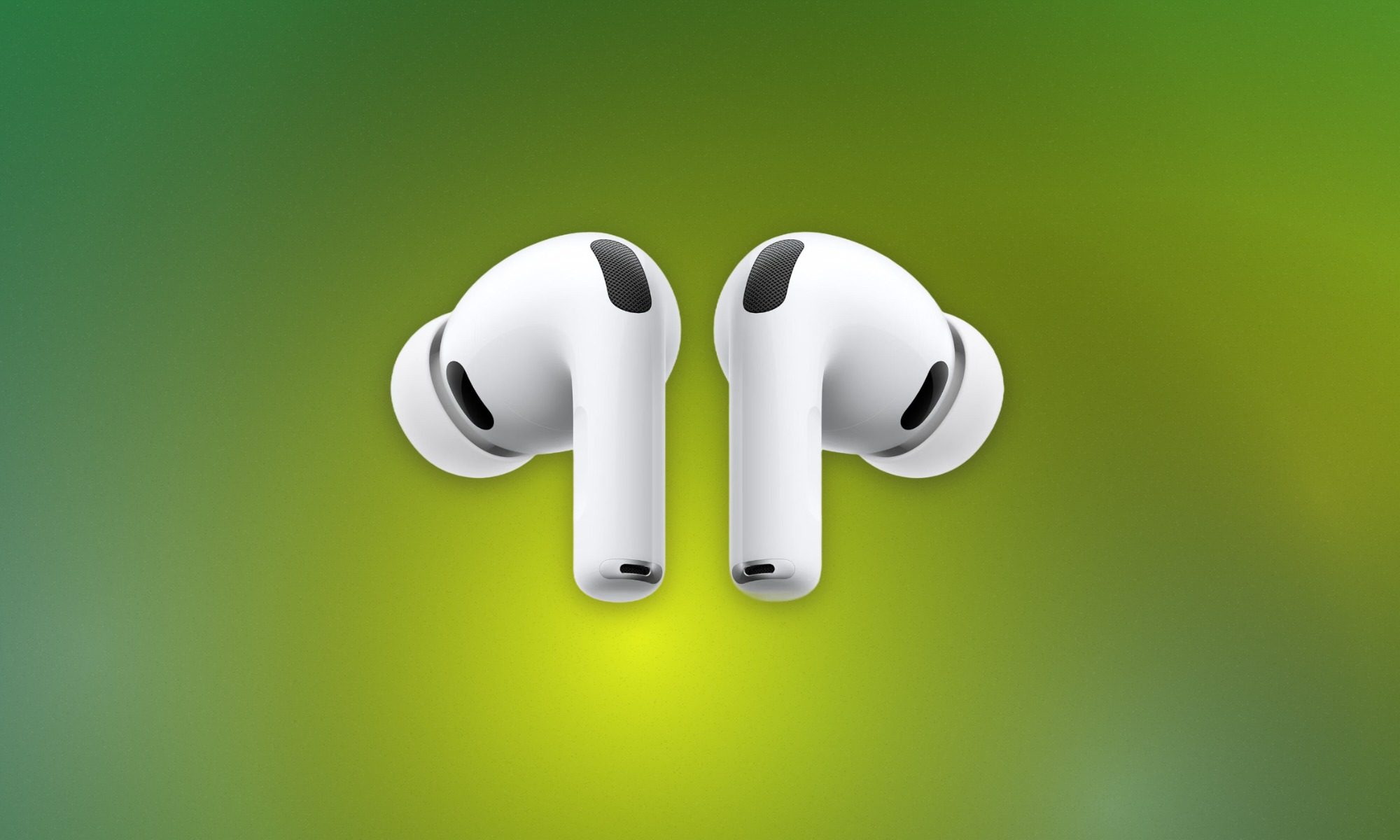
This is probably the easiest deal here to defend. The AirPods Pro 3 fall from $249 to $199, and that puts them in a much friendlier place for anyone already considering Apple’s premium earbuds. Our AirPods Pro 3 review found plenty to like beyond the audio quality, including excellent noise cancellation, improved fit, and reliable heart rate sensing.
| Key spec/feature | Details |
|---|---|
| Active noise cancellation | Yes, with Adaptive Audio and Transparency mode |
| Battery life | Up to 8 hours with ANC enabled |
| Fitness features | Heart rate sensing during workouts |
| Durability | IP57 earbuds and charging case |
| Charging | MagSafe case with USB-C |
AirPods Max 2 – $479 (13% off)
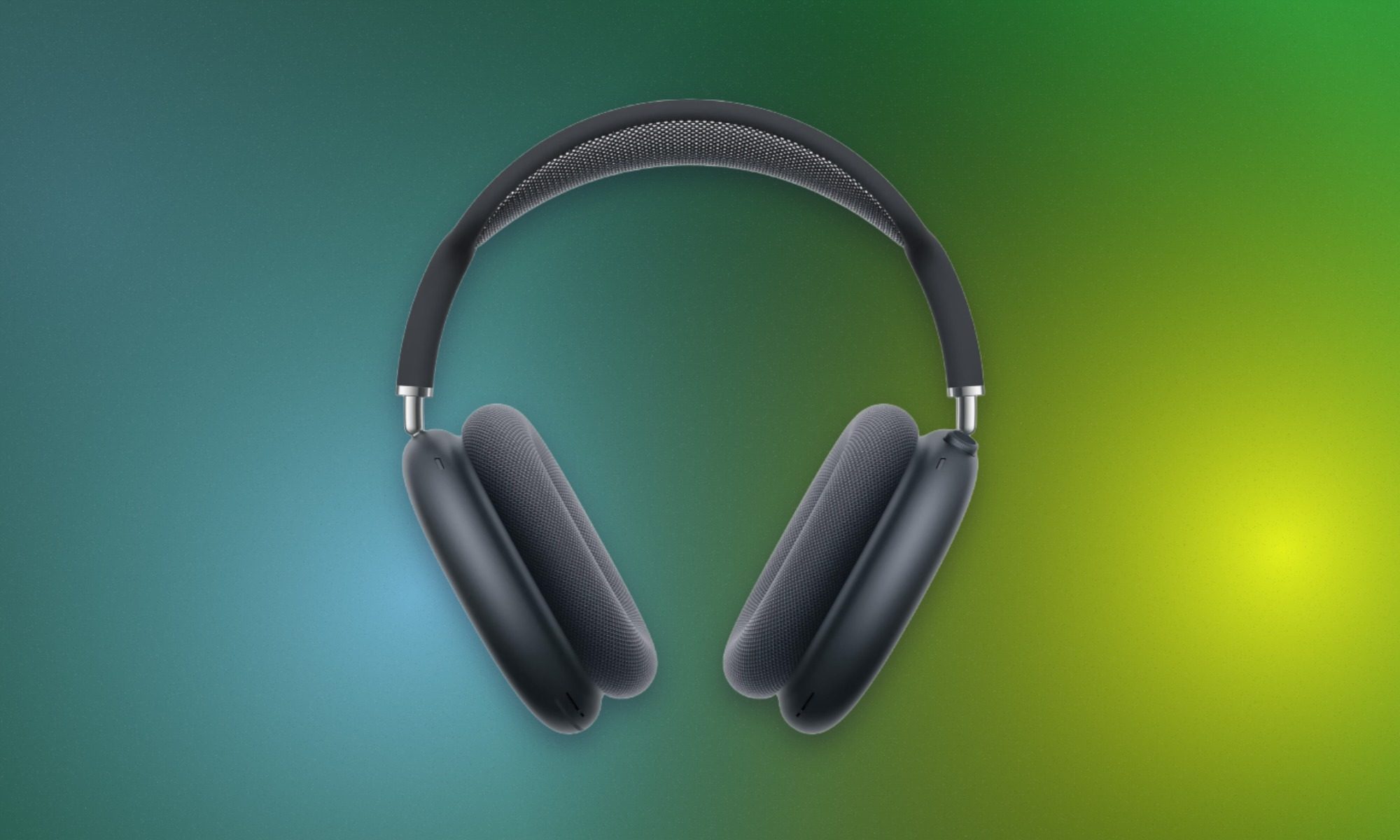
I’m not going to pretend $479 suddenly makes AirPods Max 2 cheap. It doesn’t. But $70 off is meaningful on something this expensive, and the appeal is obvious if you already live mostly inside Apple’s ecosystem. AirPods Max 2 brought an H2 chip and improved noise cancellation, along with Adaptive Audio and other features that brought Apple’s over-ear headphones closer to the newer AirPods Pro.
| Key spec/feature | Details |
|---|---|
| Active noise cancellation | Yes |
| Audio features | Adaptive Audio and Personalized Spatial Audio |
| Wired audio | Lossless and ultra-low latency over USB-C |
| Battery life | Up to 20 hours with ANC enabled |
| Charging | USB-C |
Apple iPad Air 11-inch M4 – $649 (13% off)
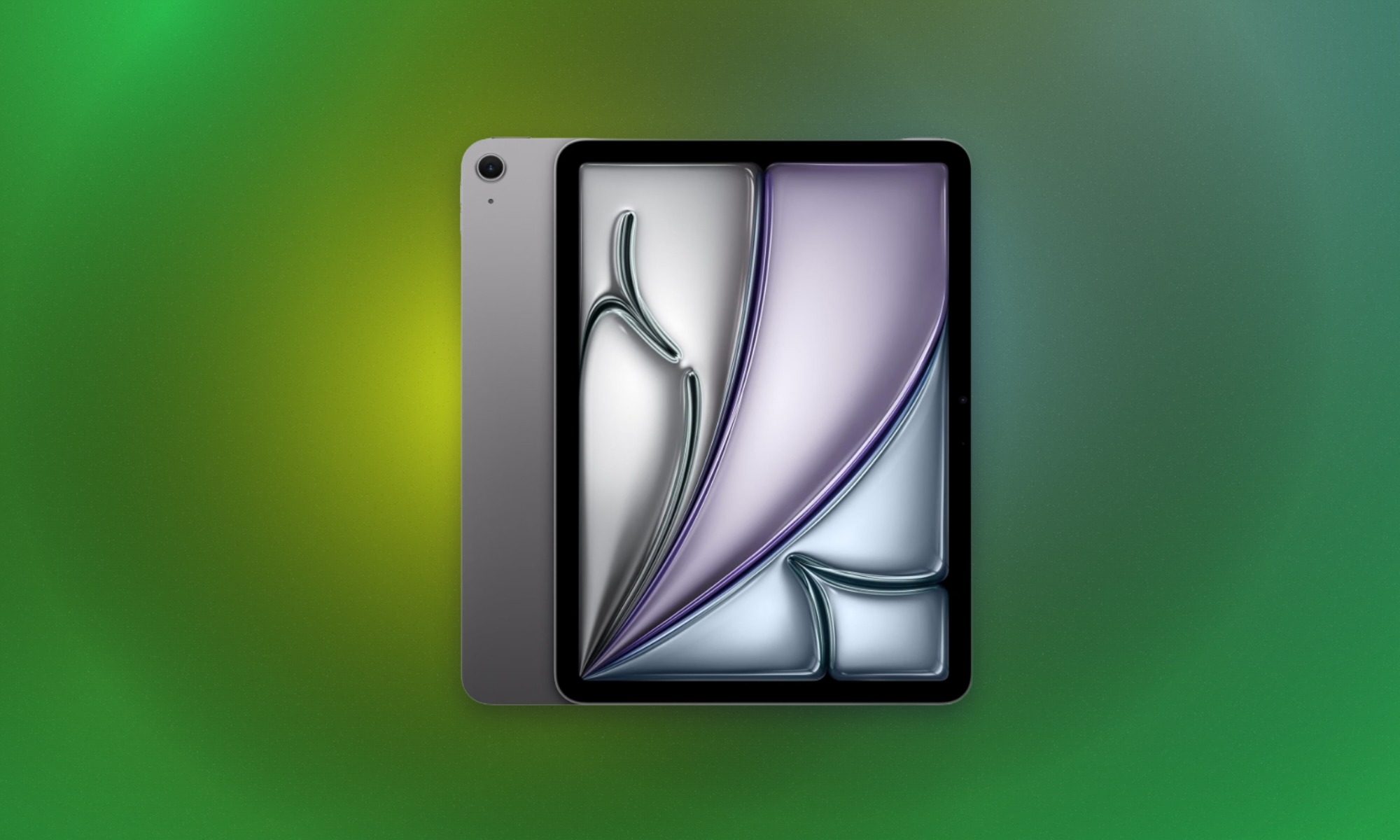
The iPad Air is the one I’d look at if the regular iPad feels a little too basic, but an iPad Pro feels like overkill. Apple’s M4 iPad Air upgrade brought more performance, memory, and better wireless connectivity, while this deal takes $100 off the 128GB model.
| Key spec/feature | Details |
|---|---|
| Processor | Apple M4 |
| Display | 11-inch Liquid Retina |
| Storage | 128GB |
| Wireless | Wi-Fi 7 with Apple N1 |
| Apple Pencil support | Apple Pencil Pro and Apple Pencil USB-C |
Apple iPad 11-inch A16 – $399 (11% off)
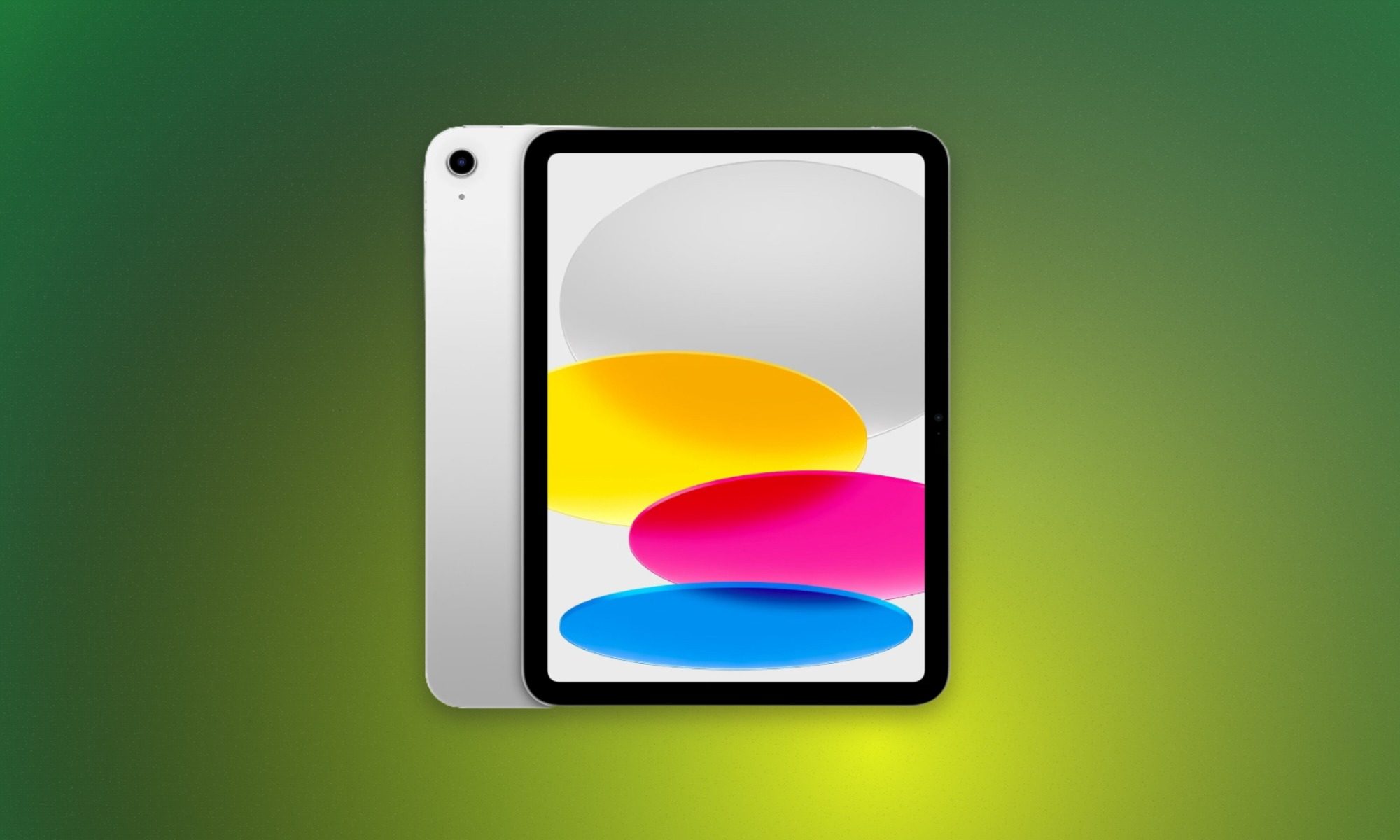
The regular iPad is a much easier recommendation for anyone who just wants a good tablet and doesn’t care about squeezing every ounce of performance out of it. We’ve previously called the A16 iPad a solid everyday option for streaming, browsing, schoolwork, travel, and lighter productivity. At $399, the 128GB model still covers that role comfortably.
| Key spec/feature | Details |
|---|---|
| Processor | A16 chip |
| Display | 11-inch Liquid Retina, 2360 x 1640 |
| Storage | 128GB |
| Front camera | 12MP landscape Center Stage |
| Connectivity | Wi-Fi 6 and USB-C |
Apple Pencil Pro – $99 (23% off)
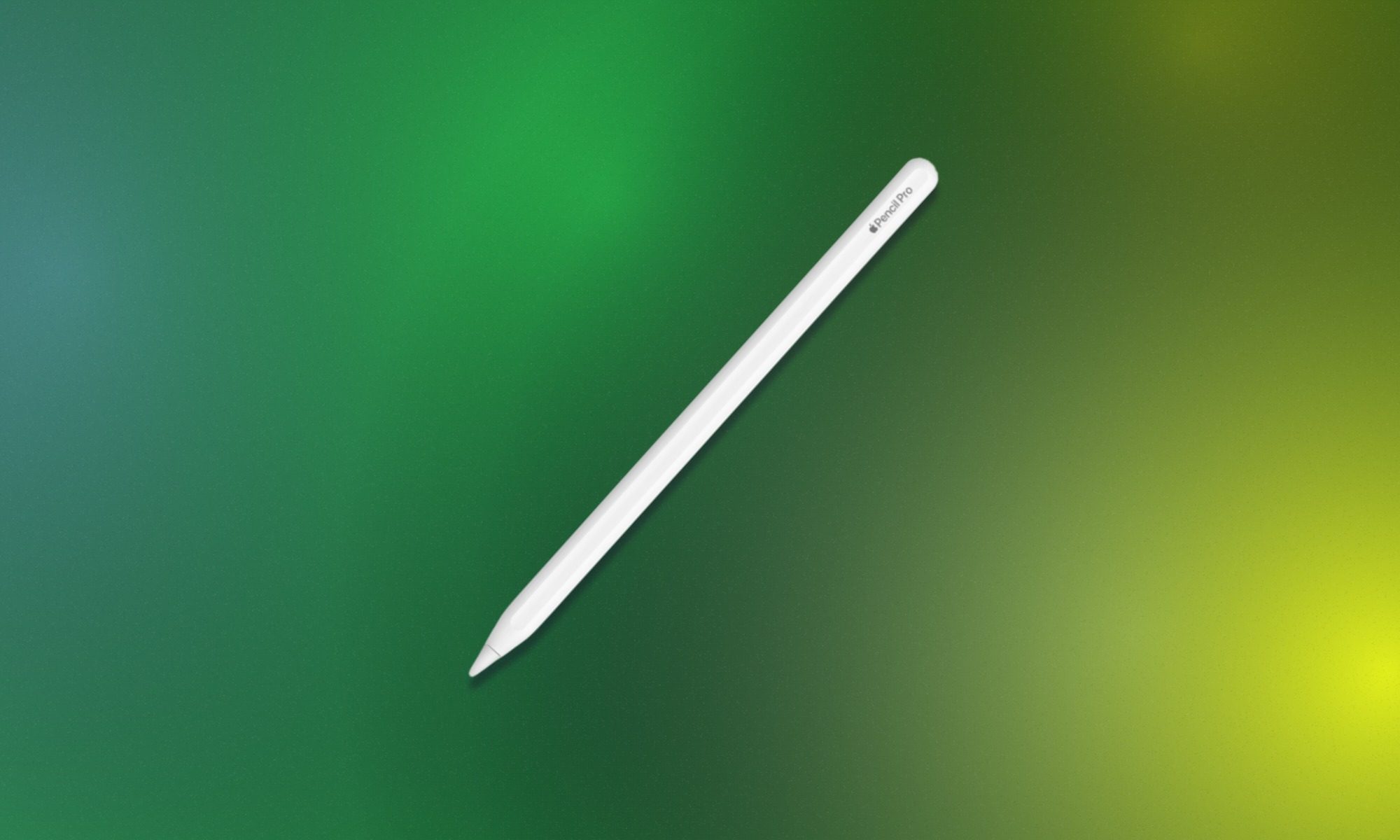
The Apple Pencil Pro is probably the least exciting thing here to buy on its own, but it makes a lot more sense if a compatible iPad is already in the cart. At $99, it’s $30 cheaper than usual and brings squeeze controls, barrel roll, haptic feedback, Find My support, and magnetic charging.
Just check compatibility first, because Apple Pencil naming remains more complicated than it has any right to be. It works with the M4 iPad Air above, but not the A16 iPad also featured in this roundup.
| Key spec/feature | Details |
|---|---|
| Controls | Squeeze and double tap |
| Drawing feature | Barrel roll with gyroscope |
| Feedback | Built-in haptic feedback |
| Tracking | Supports Find My |
| Charging | Magnetic attachment, pairing, and charging |


