1. Home
  2. Computing
  3. Gaming
  4. Reviews

LG makes a 38-inch ultrawide monitor worth emptying your wallet for

Add as a preferred source on Google
lg 38uc99 monitor eyes on lg21x9monitor feat
Rich Shibley/Digital Trends
Purple, Art, Graphics
This story is part of our coverage of IFA Berlin 2026

“Why you can trust Digital Trends – We have a 20-year history of testing, reviewing, and rating products, services and apps to help you make a sound buying decision. Find out more about how we test and score products.“

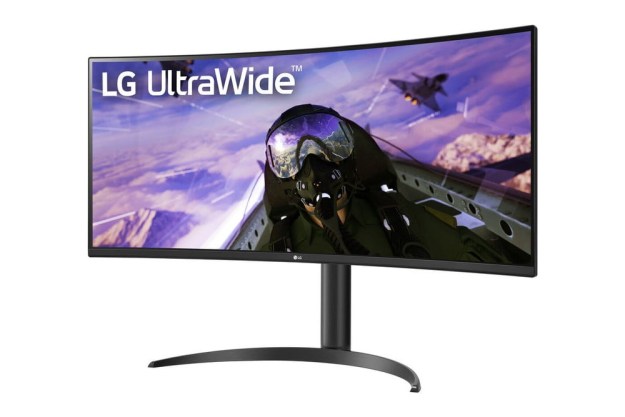
LG unleashed a monster in Berlin at this year’s IFA 2016. No, it’s not some genetically engineered terror — but instead a 38-inch ultrawide gaming monitor.

Recommended Videos

We stopped by LG’s booth for a look at the 38UC99, and found not one but three of the displays side by side. Together, they formed a widescreen gaming setup that’s wider than most people are tall. Fittingly, LG had a racing game set up on the trio of screens. It was hard to deny that the effect was stunning and, in cockpit view, it almost seemed as immersive as a VR headset. And that was on the bright show floor — it would be even more engrossing under ideal conditions.

Of course, very few people are going to buy three LG 38UC99 displays — but even one is impressive. The 38-inch panel turns heads with its width, but it’s actually rather tall as well, beating the vertical space of a nearby LG 27-inch monitor by an inch or two.

That’s important, because it gives the 38UC99 two lives. It’s a gaming monitor first, with 3,440-by-1,600 resolution and AMD FreeSync support. But it’s also useful when there’s work to be done, thanks to its great color gamut (spanning 99 percent of sRGB) and incredible size. In effect, the 38UC99 is like owning two large 4:3 monitors — and LG ships the monitor with firmware that can divvy up the screen automatically, if you so choose.

Of course, anyone eyeing the 38UC99 is going to return to its one big problem. The price. At $1,499, this isn’t a monitor most people can afford. It costs as much as two GTX 1080 video cards — more, in fact! But if you do have the money, and you want the most immersive gaming experience shy of a virtual reality headset, this display looks set to deliver. Its sheer size makes it unique, but it also delivers on the fundamentals of resolution, color gamut, and FreeSync support.

Matthew S. Smith
Matthew S. Smith is the former Lead Editor, Reviews at Digital Trends. He previously guided the Products Team, which dives…
Viture Pro 2 review: Affordable glasses that I loved more for work than play
One of the lightest and brightest XR glasses you will find for the price.
Viture Pro 2 smart glasses

Quick summary

Two years ago, I had the chance to test out the Viture Pro smart glasses. I was impressed by the chic design and the stunning display units, but there were a few minor hiccups that kept them from becoming an instant buy for XR fans. The asking price of $459, ultimately, made them a tough recommendation for anyone who is not a diehard enthusiast or doesn't have the spare cash to spend. The successor, however, is an altogether different beast.

Read more
Your Mac might have a screen sharing problem, and hackers already know about it
A patch is only useful once you install it.
macOS Tahoe 26 public beta running on the M4 MacBook Air 15

If you've been putting off that macOS update sitting in your notifications, this is the week to stop and install it. 

Apple quietly patched a serious screen sharing flaw in macOS earlier this month. While that usually means the issue is resolved, new evidence shows hackers already broke into unpatched Macs, hijacked them, and used them for cryptocurrency mining before the fix shipped.

Read more
The US is trying to kick foreign robots out, but the local supply chain might not be there yet
Building a robot supply chain from scratch takes years that Washington isn't giving anyone.
LG CLOiD Home Robot

The FCC has a track record of using its Covered List to squeeze Chinese tech out of American markets, and robots just became its newest target. Foreign-made humanoids, quadrupeds, and even robot vacuums now need to be mostly built in the U.S. to sell here (via Rest of World). 

So what does the new rule actually require?

Read more