Copilot+ PC might finally be heading for the exit, and after spending the last two years trying to figure out why anyone should care about the badge, I’m really not going to miss it. Microsoft and its hardware partners have been quietly pulling back on the Copilot+ PC branding.
Windows Central noted that Microsoft’s newest Surface computers no longer carry the branding prominently, and Surface CVP Brett Ostrum has now confirmed that those machines simply aren’t being called Copilot+ PCs anymore. This is in relation to the freshly unveiled Surface Pro 12-inch and Surface Laptop 13-inch that are powered by Qualcomm’s Snapdragon X2 Plus.
The official announcement talks plenty about AI, Copilot, and the Snapdragon chip’s improved on-device AI performance, yet the company doesn’t introduce either machine as a Copilot+ PC.
Copilot+ PCs aren’t really going anywhere

Keep in mind that Microsoft hasn’t announced that it’s phasing out the technical standard. Ostrum told Windows Central that the new Surface machines still meet Microsoft’s previous requirements for Copilot+ devices. Qualcomm SVP Kedar Kondap also explained that the original point of the category was to establish a hardware baseline, including powerful NPUs capable of enabling Microsoft’s local AI experiences.
Copilot+ PC features include experiences such as Recall, Cocreator, and Live Captions. The company’s Snapdragon explainer also continues with these as Copilot+ features. So your expensive AI laptop hasn’t suddenly lost its powers. Microsoft just seems far less interested in putting that particular badge front and center.
Was the name the problem all along?
I can’t say this comes as much of a surprise. I bought a Copilot+ PC myself, complete with an AMD Ryzen AI processor, a 50 TOPS NPU, and Microsoft’s dedicated Copilot key. Months later, I found myself using ChatGPT, Claude, and Gemini far more often than Microsoft’s own AI assistant.
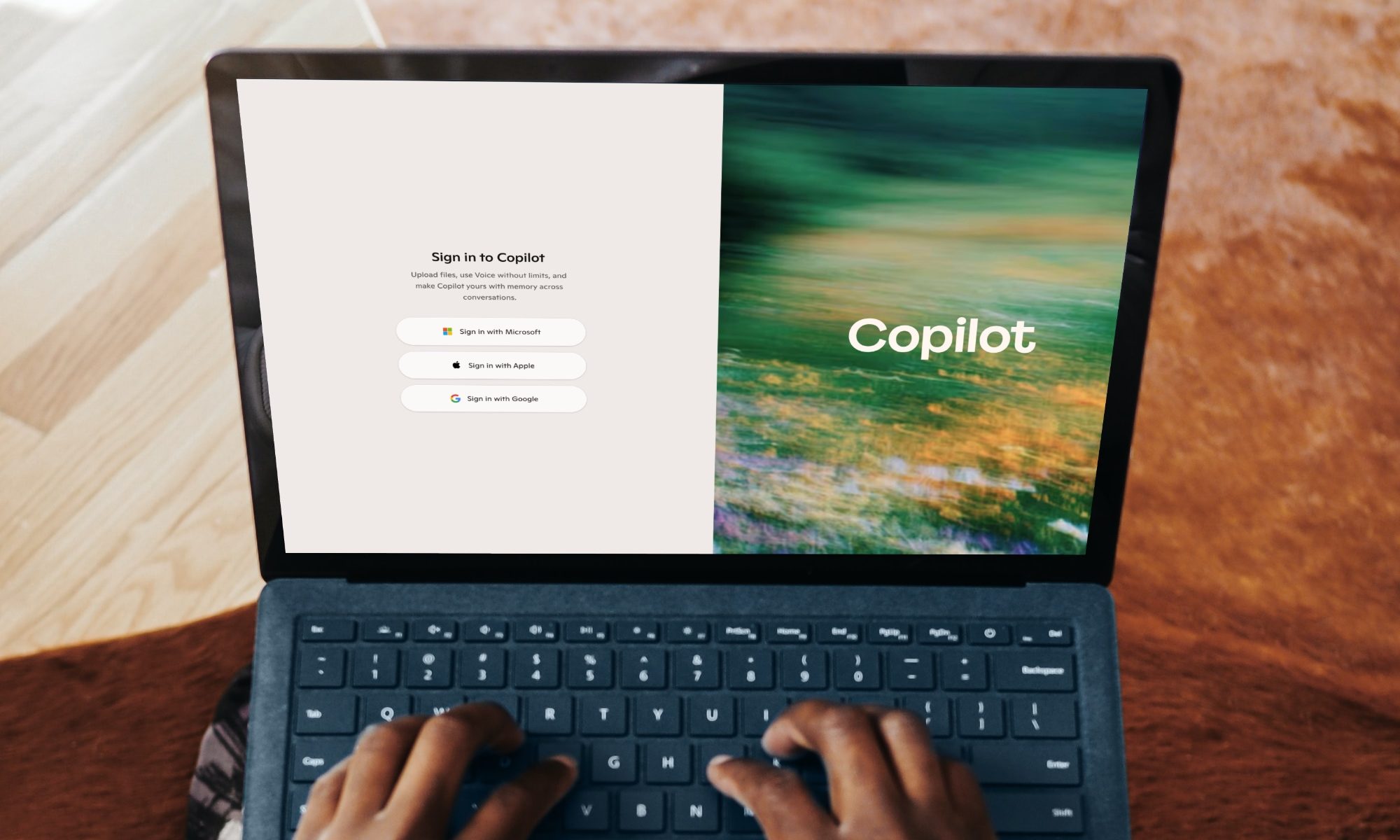
Part of the problem was always the name. Copilot+ PC sounded like a computer built around Copilot, despite the certification really describing a collection of hardware requirements and local Windows features. Copilot works perfectly well on machines without the badge.
Since the original introduction in May 2024, Recall was one of Microsoft’s headline features, only for it to be delayed following security criticism. The feature eventually returned after Microsoft reworked its protections. Even then, the entire rocky start meant Microsoft’s shiny new PC category started life carrying baggage.
Two years later, the hardware idea behind Copilot+ PCs has aged considerably better than the branding. Fast NPUs are increasingly standard across premium Windows machines, and local AI workloads aren’t disappearing.