
The schematics for the AMD AM5 socket have leaked, revealing more information about the architecture of the upcoming Zen 4 processors. These findings suggest that AM5, also known as LGA1718, might have more backward compatibility with AM4 coolers than initially thought.
Twitter user @TtLexington published renders of the AM5 socket that suggest the new Zen 4 processors might retain compatibility with already existing AM4 socket coolers. The design of the socket has already previously been leaked by @ExecutableFix. These previous 3D renders showed both the socket and its retention mechanism. TtLexington’s schematics seem to confirm the previous leaks.
The design of AM5 clearly suggests that there could be some backward compatibility with existing AM4 coolers. Previously, it was believed that switching to a Zen 4 CPU would require a new cooler. According to current information, LGA1718 will still require a new motherboard — one of AMD’s 600-series models.
This leak also seems to give credibility to previous information regarding the TDP for the upcoming AM5 processors. Code-named AMD Raphael, these CPUs are likely to launch with 120 watt and 170W TDP variants. The 170W AM5 CPU is going to require a 280mm liquid cooler, and these are already available for the AM4 socket. The 120W TDP variant is a new addition, increasing the TDP by 15W over the current highest AM4 standard available. These 120W CPUs are not going to require a liquid cooler and will instead need a midsized air cooler.
While the release of Zen 4 Raphael processors is still quite far away, a lot has been made known through various leaks. The renders previously published by ExecutableFix revealed a lot about the socket’s architecture. It seems that AM5 is going to closely resemble Intel’s mainstream LGA socket. Rumors also suggest that Zen 4 CPUs are going to be based on a 5nm core architecture and will feature 6nm input/output dies. The features pins on the AM5 socket are no longer placed underneath the processor. They are, instead, installed within the socket itself. This allows the pins to touch the LGA pads beneath the CPU. The renders also show land grid array packaging and a single latch.

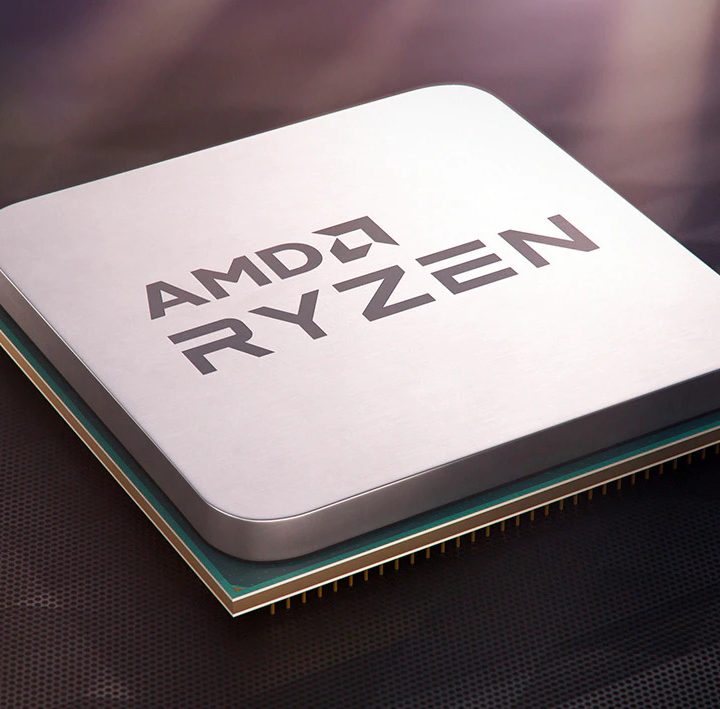
As the Zen 4 CPUs are going to be a marked step up from the current generation of processors, they are likely to generate a lot of heat. AMD seems to account for that in the design of the socket, as it will house an integrated heat spreader hat is larger than usual. This design choice should make it easier to manage temperatures across several chiplets. Combined with the 280mm liquid cooler required for the 170W TDP version of Zen 4, we can expect a lot of temperature management.
AMD Zen 4 Raphael is rumored to hit the market in the second half of 2022, bringing with it the release of DDR5 memory. It seems that AMD is planning to make this launch its biggest platform upgrade in several years.


