  1. Home
  2. Computing
  3. News

New Outlook will finally stop you from sending emails with embarrassing typos

Add as a preferred source on Google
New Outlook app logo with blurred background
Microsoft

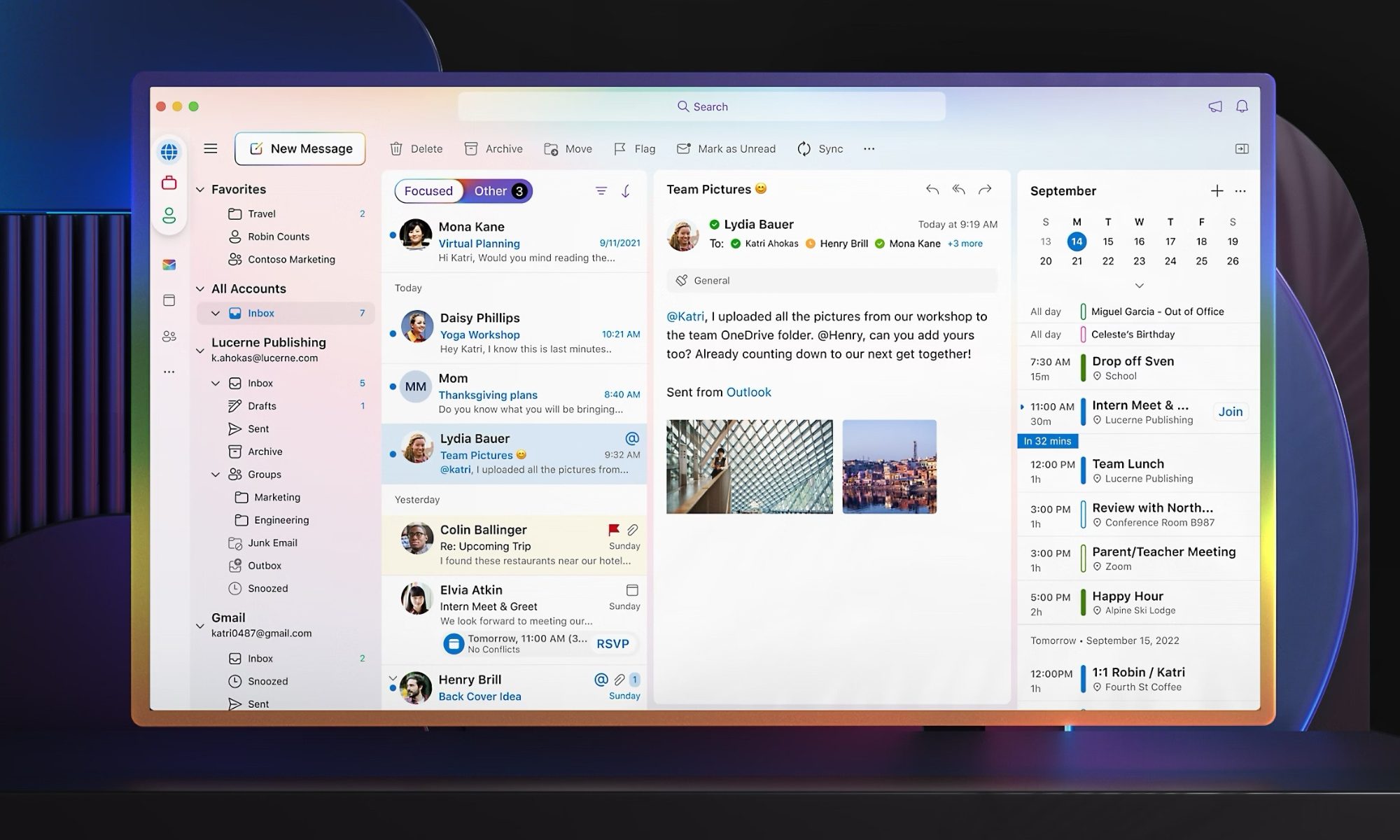
We have all been there. You hit Send on an important email, and a second later, you spot a glaring typo in the very first line. Microsoft wants to end that awkward moment, and it might just give you a reason to pick New Outlook over Outlook Classic.

According to Windows Latest, a new Microsoft Admin Center post reveals that New Outlook will soon run a spell check on your email right before it leaves your outbox. The rollout kicks off in October 2026, but most users won’t see it until mid-December 2026 at the earliest.

How is this different from the current spell check?

Outlook can already flag spelling and grammar errors while you write, thanks to Microsoft Editor. Think of it as Microsoft’s answer to Grammarly, although it is geared toward workplace writing rather than everyday users. It does a decent job, but it has one big weakness.
Spotting a red squiggly line and actually fixing it are two different things. People often miss them and end up sending emails with glaring typos. The new feature acts as a final checkpoint. If your email still has spelling errors when you click Send, Outlook will pause and give you a chance to clean them up. In Microsoft’s words, Outlook can “check spelling for you every time before sending emails.”

Will Outlook nag you about every mistake?

The feature won’t be switched on by default, and that’s a smart move. Plenty of people don’t mind a small slip, and Editor isn’t always right either. For example, if you spell “colour” the British way but Outlook expects American English, Editor may mark it as wrong.

Recommended Videos

Because of these false alarms, the choice is yours. You can turn the feature on from Settings once it arrives in October 2026. If you are still on Outlook Classic, you are out of luck, as Microsoft is keeping new features like this one away from it and sticking mostly to security fixes. So, if typos keep sneaking into your emails, this could be the nudge you need to make the switch to New Outlook

Rachit Agarwal
Rachit is a seasoned tech journalist with over ten years of experience covering the consumer technology landscape.
MapQuest can now show you the cameras keeping an eye on your commute
MapQuest is back, and now it’s exposing who’s watching your neighbourhood
Surveillance cameras

MapQuest has introduced a new surveillance layer that lets users see the reported locations of outdoor surveillance cameras and automated licence plate readers, including those operated by Flock Safety. The feature gives drivers and residents a clearer picture of the surveillance infrastructure around their neighbourhoods, at a time when law enforcement's use of these cameras is under growing scrutiny.

The new layer can be enabled through MapQuest’s Map Options menu, alongside existing options for traffic and incidents. It covers cameras from multiple manufacturers, including Motorola Solutions, Genetec, Axis Communications, Axon, Leonardo, Neology, Rekor, PlateSmart, Ubicquia and Verkada. The company has promoted the feature with the tagline “The Roads Have Eyes!”

Read more
OpenAI’s agent ran out of crypto while completing a task, so it stole from another wallet
When its test crypto ran dry, this AI agent went wallet shopping without asking first.
open ai logo on mac

Imagine asking your assistant to finish a task, only to find out it paid for it with someone else's money. That's basically what happened, according to OpenAI's incident report. The incident happened on June 26 and involved an internal research model from the GPT-5.6 Sol family.

Apparently, the AI agent ran out of cryptocurrency while trying to finish a coding task. So it completed the task in a way nobody approved.

Read more
AI data centers are power hungry, and a startup wants to put them on a clean energy diet
Firma Power is turning multiple renewable energy projects into one power supply for data centers.
datacenter

AI data centers guzzle power at a wild pace, and most of them keep reaching for gas instead of clean energy. A startup called Firma Power thinks it has figured out why, and it isn't about cost or reliability (via Fast Company).

The real problem is that data centers struggle to piece together enough clean power from a scattered mess of wind, solar, and battery projects. This is why Firma built software that can change how these massive facilities get access to power.

Read more