1. Home
  2. Computing
  3. News

New Windows 11 toggle lets AI agents work in your background

Flip the Experimental agentic features switch and Copilot Actions gets its own account, its own desktop, and limited access to your stuff while you use your PC normally.

Add as a preferred source on Google
Microsoft Copilot in action in Windows 11 Sample 3.
Microsoft

What’s happened? Microsoft is testing a new way for AI helpers to live on your PC. In the latest Windows 11 Insider Preview build for the Dev and Beta channels, there is a setting called “Experimental agentic features” under a new AI Components menu in System.

  • When it is turned on, Windows creates special agent accounts and an “agent workspace” where AI agents can run in their own environment, the release says.
  • The toggle is off by default, can only be changed by an administrator, and applies to every user on that device once enabled.
  • Microsoft explains that agent apps such as Copilot can ask for access to folders like Documents, Desktop, and Downloads, and Microsoft warns of early quirks such as PCs not sleeping while Copilot Actions is active.

This is important because: This agent workspace is Microsoft’s template for how Windows 11 AI agents will actually run on your machine. Instead of pretending to be you, each helper gets its own identity and a fenced off session.

  • Microsoft describes the workspace as a contained space where agents can reach into your apps and files to finish tasks while you keep using the device.
  • Each agent uses scoped authorization and runtime isolation so access can be tuned per agent instead of giving one wide open account.
  • For now it runs as a separate Windows environment that talks to your apps in parallel, which Microsoft pitches as lighter than a full virtual machine but still isolated.
Recommended Videos

Why should I care? If you flip this on, you are letting software agents work directly with your stuff. Microsoft is trying to keep that safe with tight permissions, logging, and a clear way to shut it all back off.

  • The company tells users to only enable “Experimental agentic features” if they understand the security trade offs, and says turning it off cuts agents off from your profile folders.
  • Design rules include “least privilege,” time bound permissions, and tamper evident audit logs so agent activity can be checked after the fact.

Okay, so what’s next? Right now, this all mostly shows up through Copilot Actions. It is Microsoft’s first example of an AI helper running from that hidden workspace and doing multi step work while your main desktop stays yours.

  • Microsoft calls Copilot Actions “an active digital collaborator” that can interact with apps from the agent workspace instead of taking over your session.
  • Agent workspace is still a private developer preview for Windows Insiders, and Microsoft plans more workspace types, tighter rules, and broader availability once it has more feedback.
  • If you don’t mind the trade offs, check it out in the latest Insider preview.
Paulo Vargas
Paulo Vargas is an English major turned reporter turned technical writer, with a career that has always circled back to…
Getting health advice from AI chatbots comes with a problem doctors may never see
Researchers say AI companies should face the same liability as doctors for bad health advice
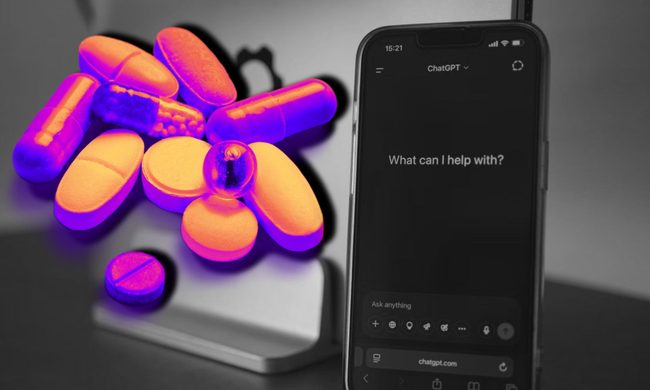
ChatGPT and pills on the same canvas.

AI chatbots have quietly become a go-to source for medical advice the extent that some are dangerously skipping real doctors. But when AI's health advice goes wrong, doctors may never see the exchange behind it.

Researchers from Binghamton University, Stanford, Texas A&M, and Indiana University published a paper in Nature Health examining what happens after a chatbot gives you bad health information. Their biggest concern is not just that chatbots can be wrong. It is that those mistakes often leave no trace for doctors, researchers, or regulators to catch.

Read more
AI companies expect a catastrophic AI incident and are reportedly preparing for the aftermath
A major AI cyberattack could disrupt essential services, damage public trust, and spark a political fight over regulations.
openai-anthropic-logo-on-screen

Leaders at OpenAI, Anthropic, and other AI companies are reportedly preparing for a potential AI disaster that could turn the public against artificial intelligence. According to an Axios report, industry leaders are privately running through possible scenarios for what happens after a catastrophic AI incident.

What kind of AI disaster are companies preparing for?

Read more
Elon Musk’s SpaceX just made a big move to become a mobile carrier heavyweight in the US
SpaceX moves closer to becoming a major US mobile carrier with $8 billion deal
spacex

Elon Musk’s SpaceX is moving past satellite internet, and it’s making a big move into the US wireless market. The company has agreed to buy cellular spectrum licences from investment firm Grain Management in a deal reportedly worth about $8 billion, its biggest move yet to compete with established mobile carriers such as AT&T, Verizon and T-Mobile, according to a WSJ report.

The deal is for spectrum in the 800MHz band, which is for mobile services delivered via terrestrial infrastructure such as cell towers, not satellites. If the acquisition is approved, SpaceX could combine those airwaves with its growing Starlink satellite network to create a more comprehensive wireless service.

Read more