1. Home
  2. Computing
  3. News

Oculus will force you onto Facebook, whether you like it or not

Add as a preferred source on Google

Oculus announced a major, controversial change for new Oculus users: They need to have a Facebook account starting this fall. 

Beginning in October, anyone using an Oculus device for the first time will have to log in with their Facebook account, according to Tuesday’s announcement.

Recommended Videos

Existing users have the option to merge their Oculus account with their Facebook accounts. But by January 2023, Oculus accounts will be disabled and everyone will have to go through their Facebook account. That means if you aren’t on Facebook or are thinking about getting rid of your Facebook because of its many privacy mishaps, you won’t be able to use an Oculus device. 

“Giving people a single way to log into Oculus — using their Facebook account and password — will make it easier to find, connect, and play with friends in VR,” Oculus said in its announcement. “We know that social VR has so much more to offer, and this change will make it possible to integrate many of the features people know and love on Facebook. It will also allow us to introduce more Facebook powered multiplayer and social experiences coming soon in VR.”

The announcement was met with immediate backlash on Twitter, with users saying they wouldn’t be getting an Oculus device anymore. 

https://twitter.com/theskybuscus/status/1295809817085435904?s=20

Seeing as Oculus is making us use Facebook logins, I think it's time to let go of my headset. I have three sensors, two controllers, headset, and box. Will ship.

— EXGEEAR (@EXGEEAR) August 18, 2020

What if you don't want to use facebook? This is a sure way to lose potential users and new sales… you will have to be forced to change this when this happens, mark my words. pic.twitter.com/XP3lbqRXgO

— ★𝓕ⲓꞅⲉⲂꞅⲁⲛⲀ★ (@Nemoticon) August 18, 2020

Facebook bought Oculus in 2014 for $2 billion, and it looks like the social network is working toward making the companies seamless by requiring a Facebook account for login. 

Digital Trends reached out to Facebook to comment on Oculus’ new login requirements. We will update this story when we hear back. 

It’s been a year of changes for Oculus after the company announced it would discontinue its Oculus Go VR headset in June. Oculus said it wants to focus on the Oculus Quest headset, which customers responded more positively to thanks to its six degrees of freedom (6DOF) capabilities. 

Allison Matyus
Former Digital Trends Contributor
Allison Matyus is a general news reporter at Digital Trends. She covers any and all tech news, including issues around social…
Getting health advice from AI chatbots comes with a problem doctors may never see
Researchers say AI companies should face the same liability as doctors for bad health advice
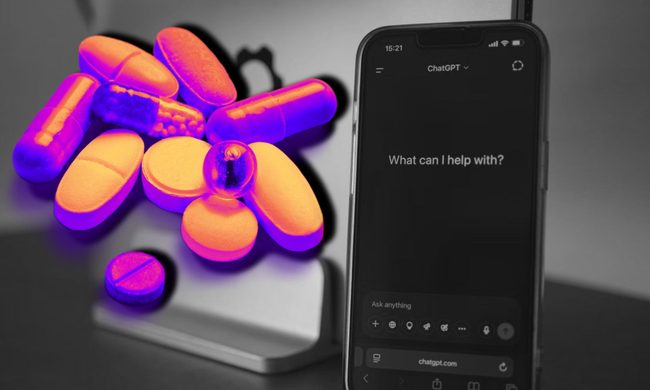
ChatGPT and pills on the same canvas.

AI chatbots have quietly become a go-to source for medical advice the extent that some are dangerously skipping real doctors. But when AI's health advice goes wrong, doctors may never see the exchange behind it.

Researchers from Binghamton University, Stanford, Texas A&M, and Indiana University published a paper in Nature Health examining what happens after a chatbot gives you bad health information. Their biggest concern is not just that chatbots can be wrong. It is that those mistakes often leave no trace for doctors, researchers, or regulators to catch.

Read more
AI companies expect a catastrophic AI incident and are reportedly preparing for the aftermath
A major AI cyberattack could disrupt essential services, damage public trust, and spark a political fight over regulations.
openai-anthropic-logo-on-screen

Leaders at OpenAI, Anthropic, and other AI companies are reportedly preparing for a potential AI disaster that could turn the public against artificial intelligence. According to an Axios report, industry leaders are privately running through possible scenarios for what happens after a catastrophic AI incident.

What kind of AI disaster are companies preparing for?

Read more
Elon Musk’s SpaceX just made a big move to become a mobile carrier heavyweight in the US
SpaceX moves closer to becoming a major US mobile carrier with $8 billion deal
spacex

Elon Musk’s SpaceX is moving past satellite internet, and it’s making a big move into the US wireless market. The company has agreed to buy cellular spectrum licences from investment firm Grain Management in a deal reportedly worth about $8 billion, its biggest move yet to compete with established mobile carriers such as AT&T, Verizon and T-Mobile, according to a WSJ report.

The deal is for spectrum in the 800MHz band, which is for mobile services delivered via terrestrial infrastructure such as cell towers, not satellites. If the acquisition is approved, SpaceX could combine those airwaves with its growing Starlink satellite network to create a more comprehensive wireless service.

Read more