IFA is the largest consumer electronics show in Europe, and its early September schedule makes it a natural launchpad for notebooks that will be released during the holiday season. This year, as in years past, we saw a number of major announcements from Acer, Asus, Lenovo, and Toshiba. Here’s every all-new laptop at this year’s show.
Acer
Predator 15 and 17
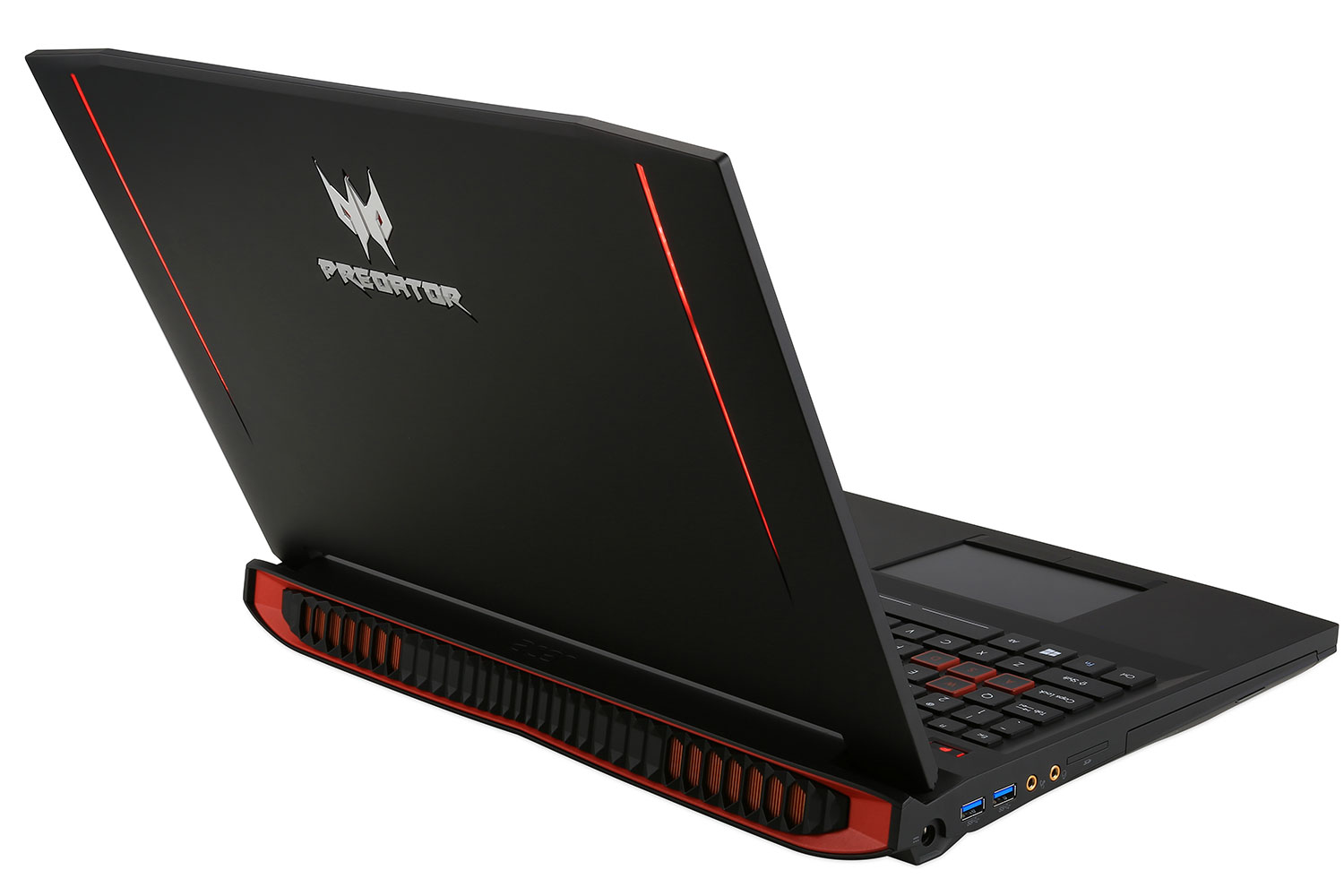
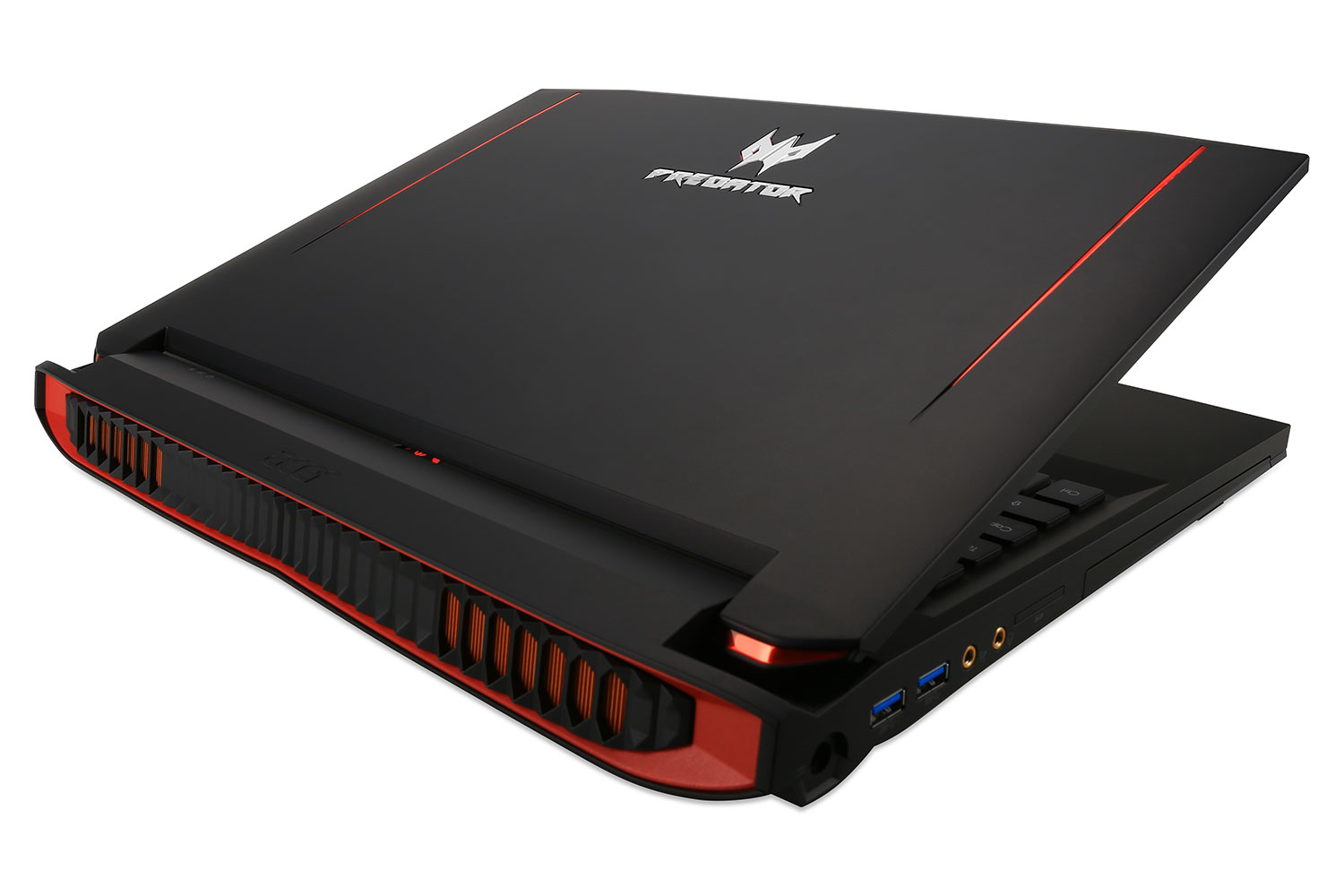
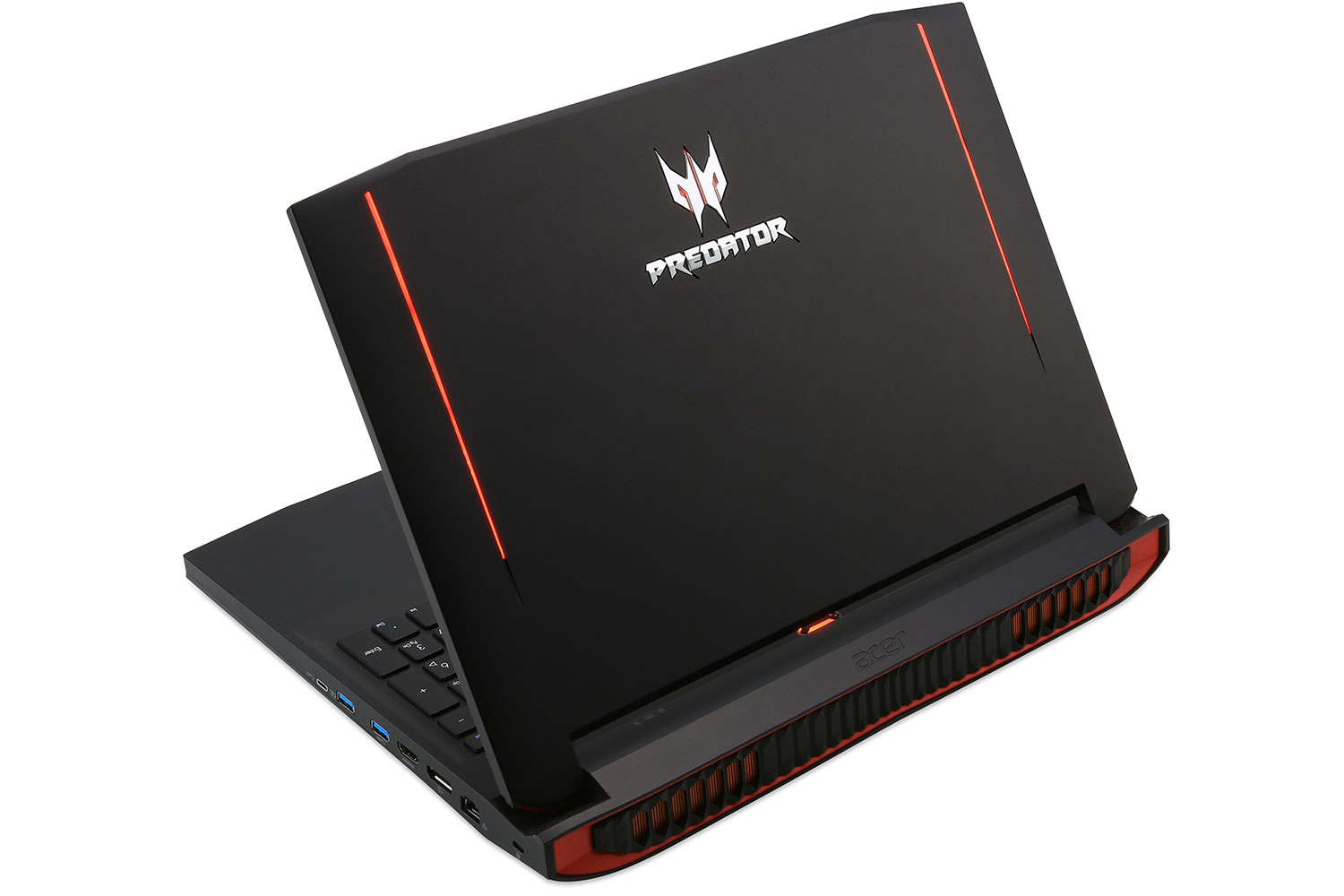

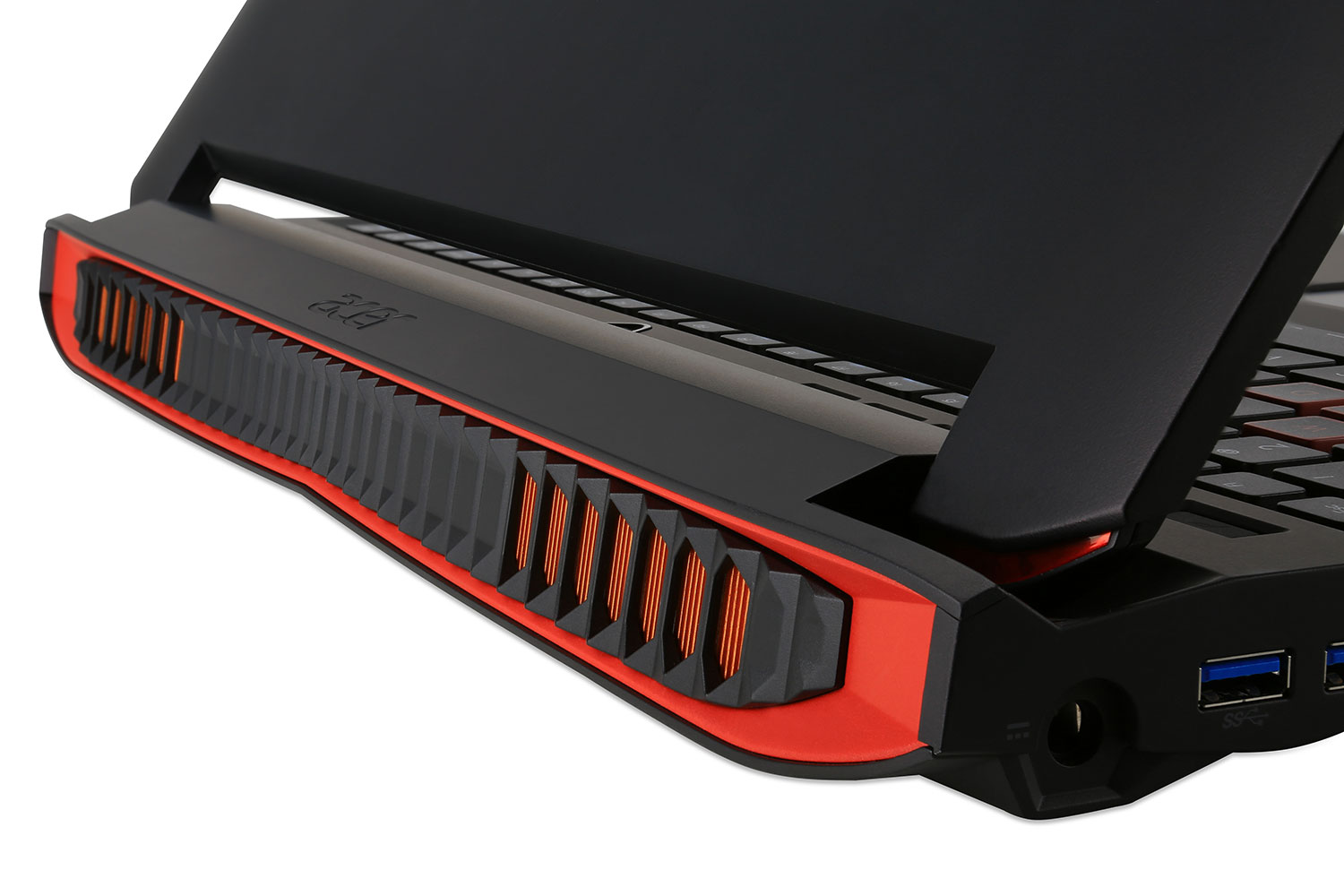
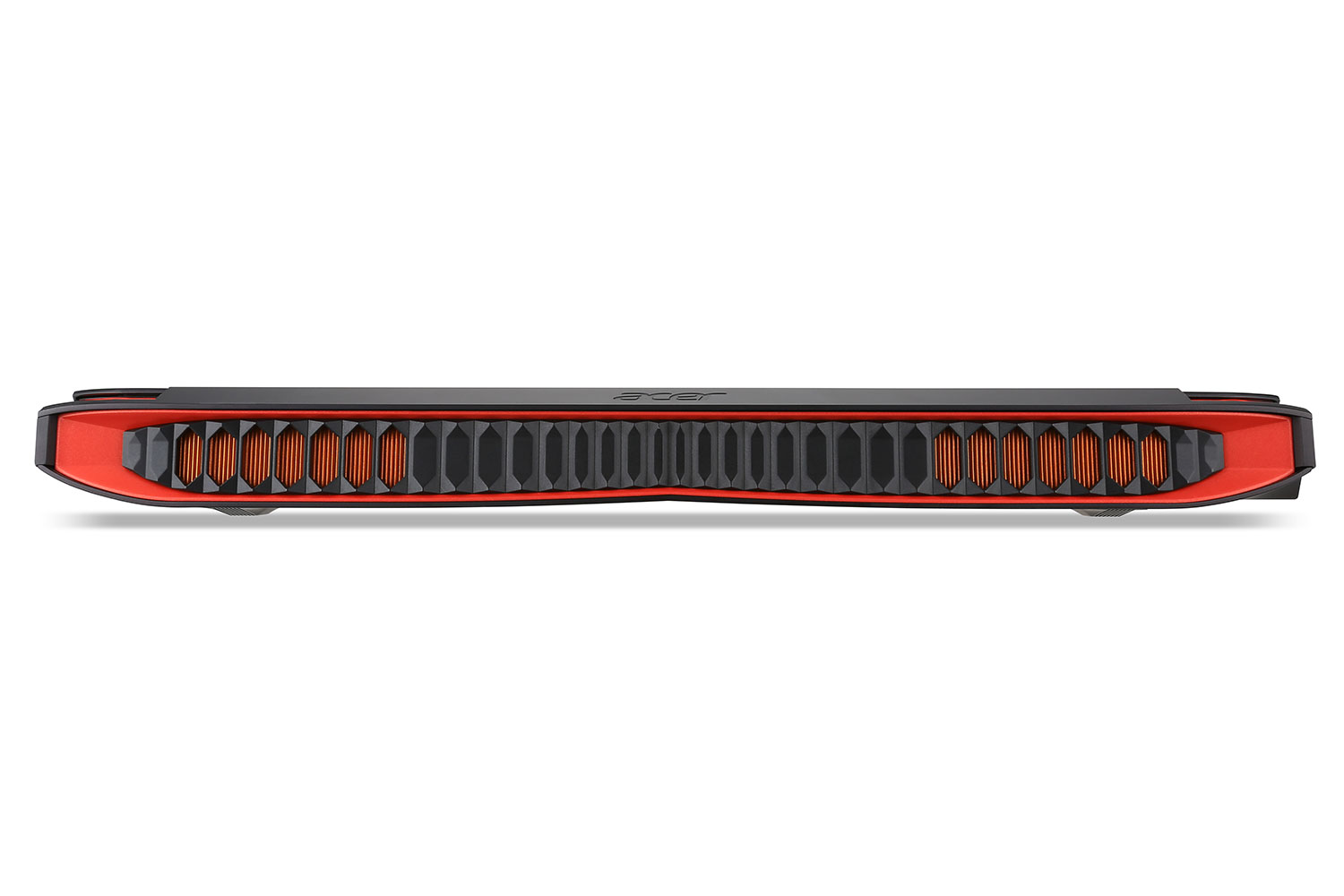
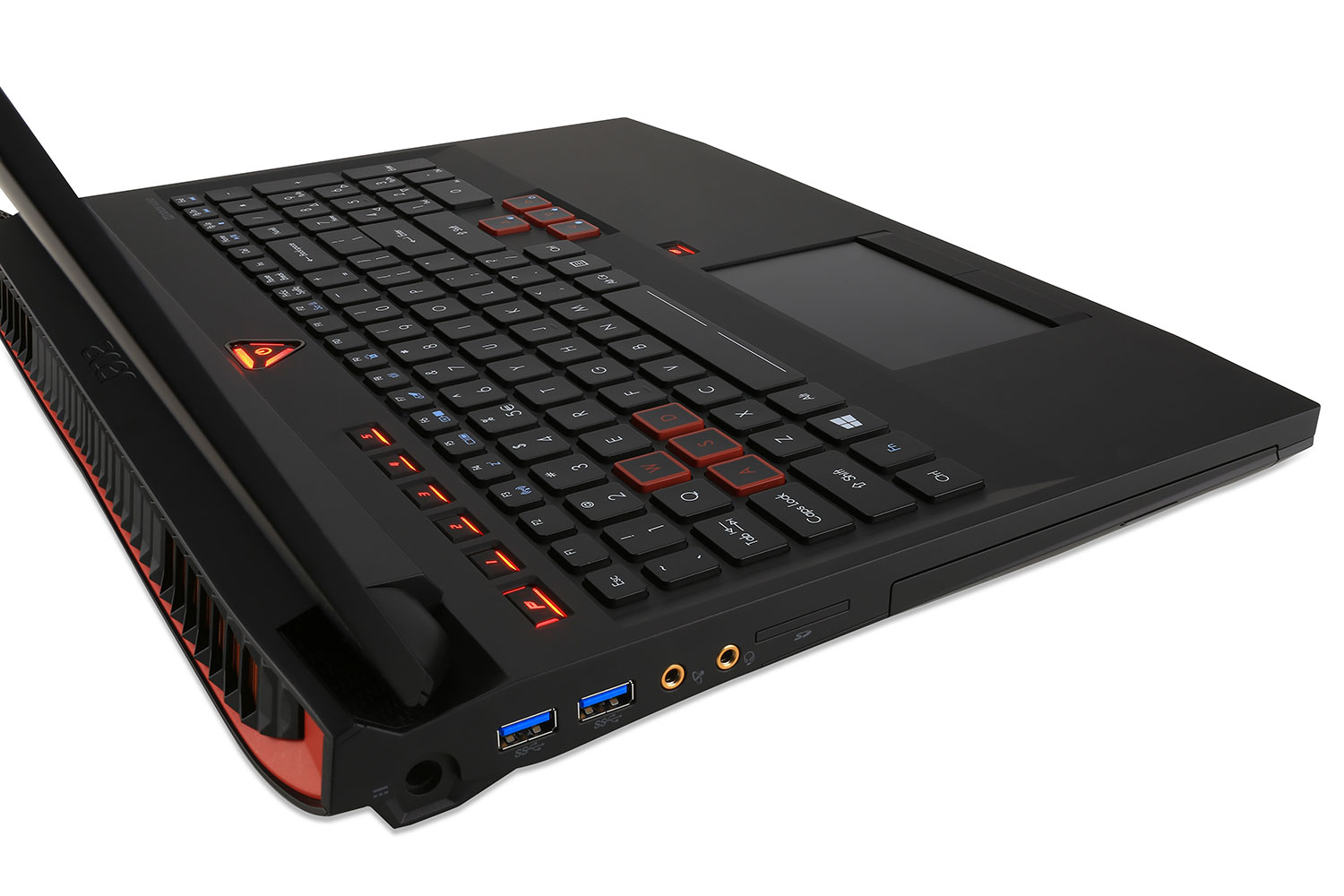
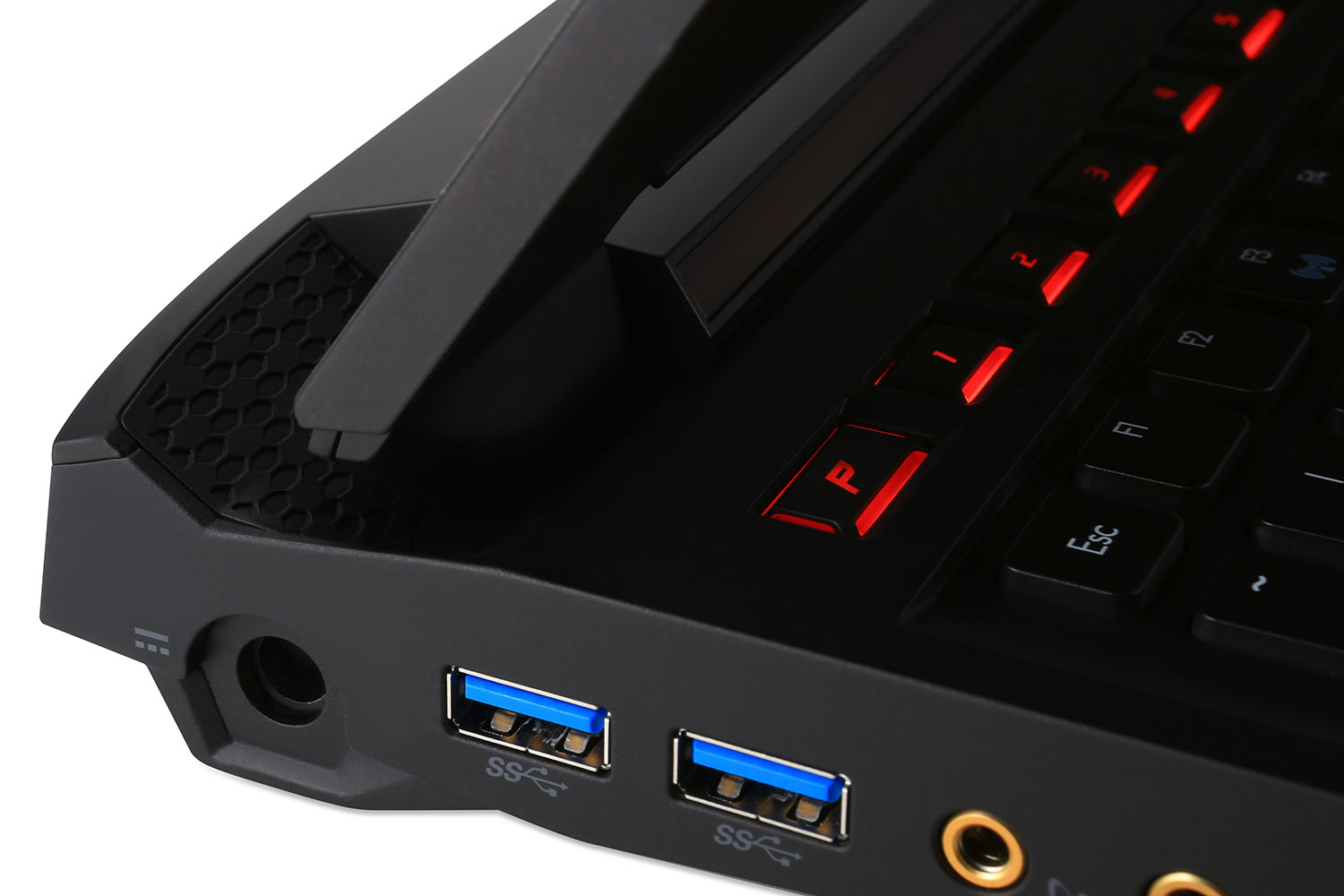
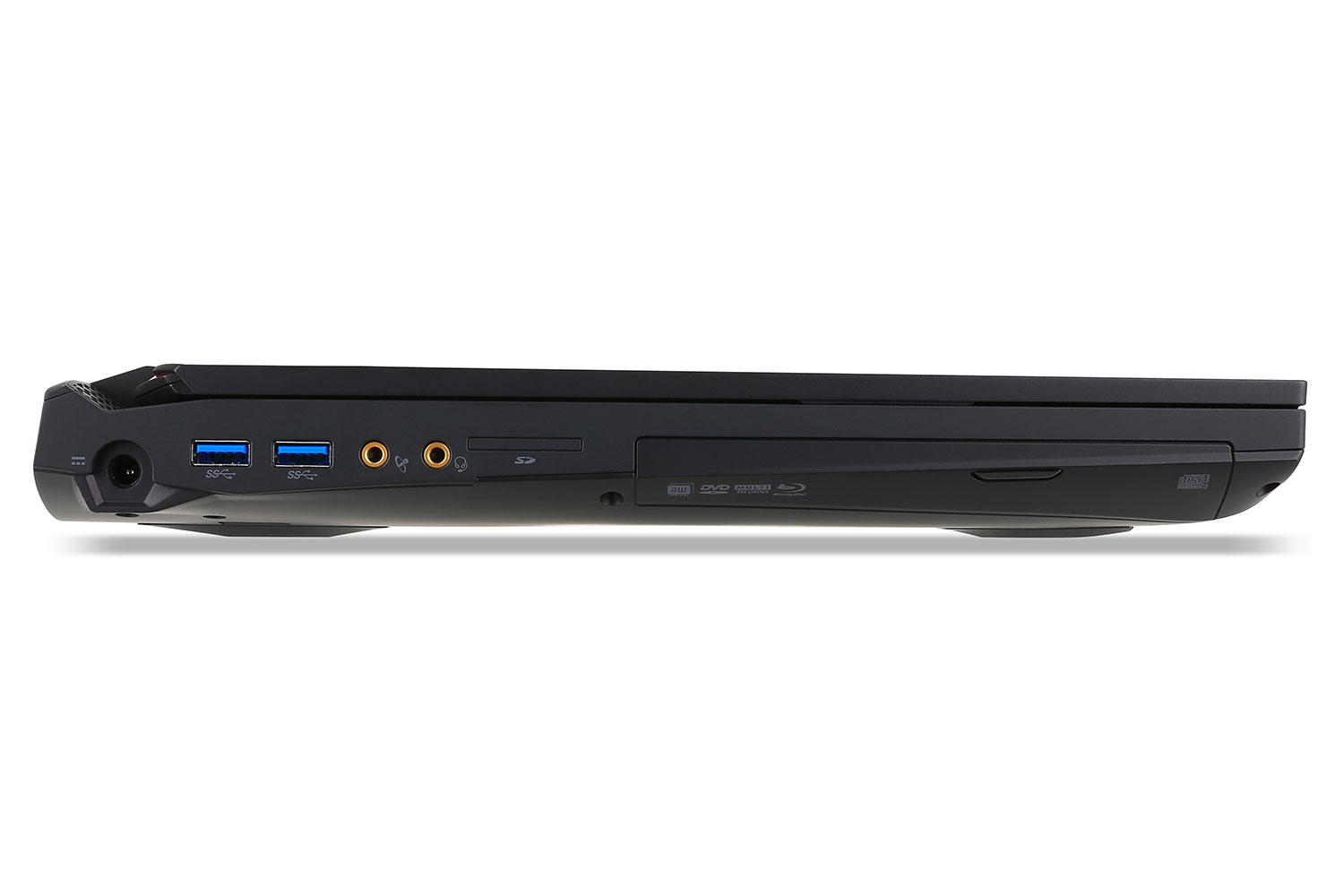

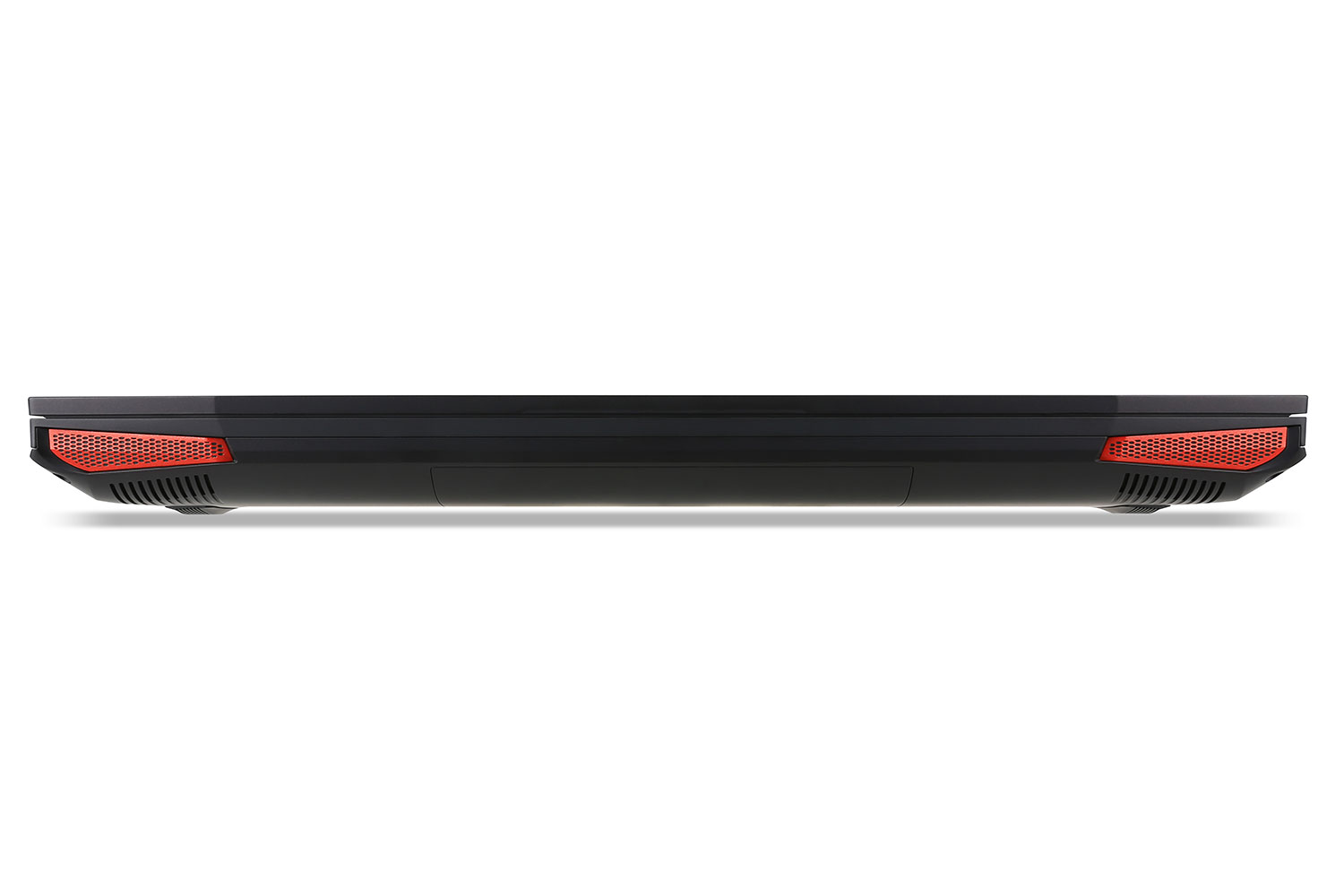
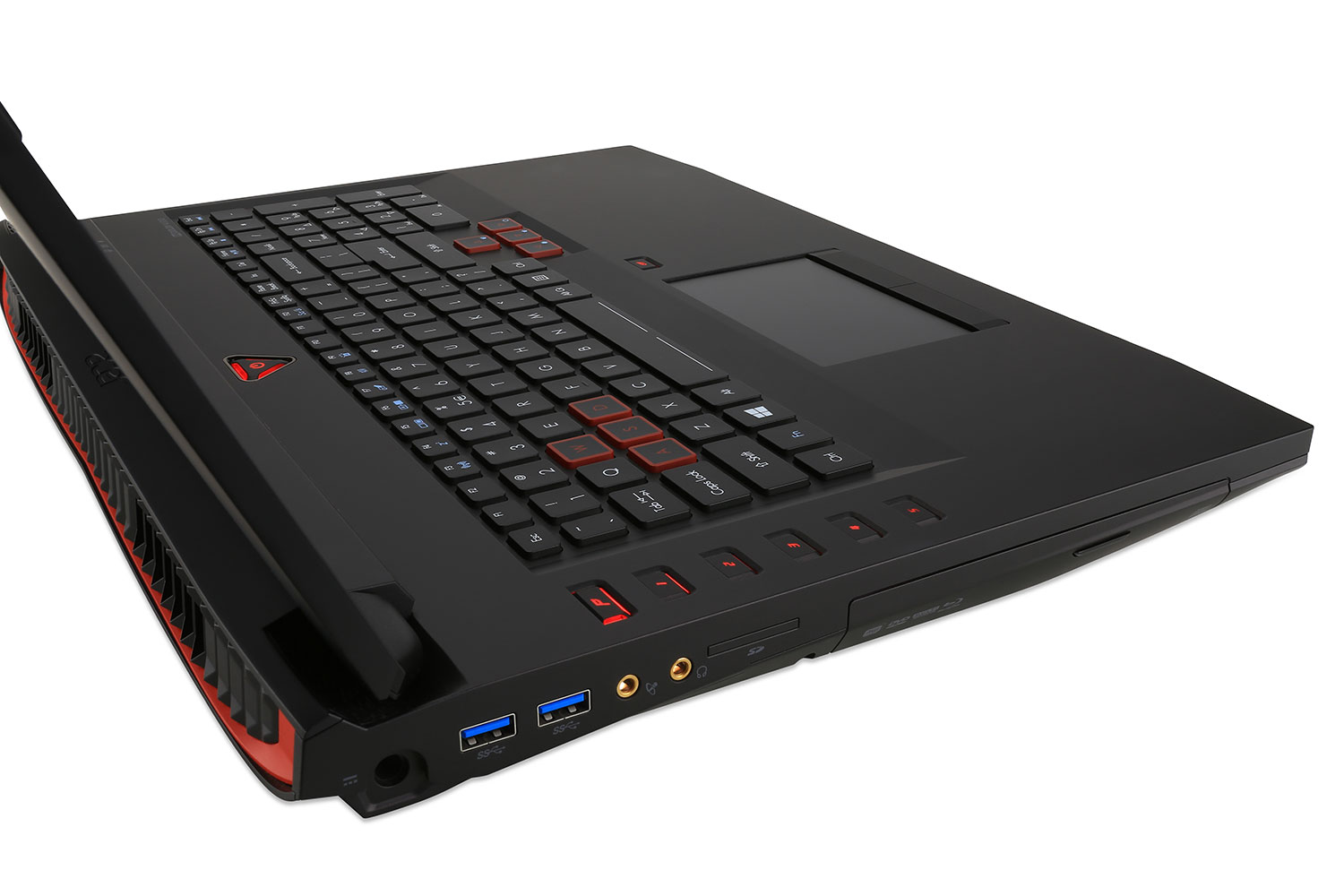
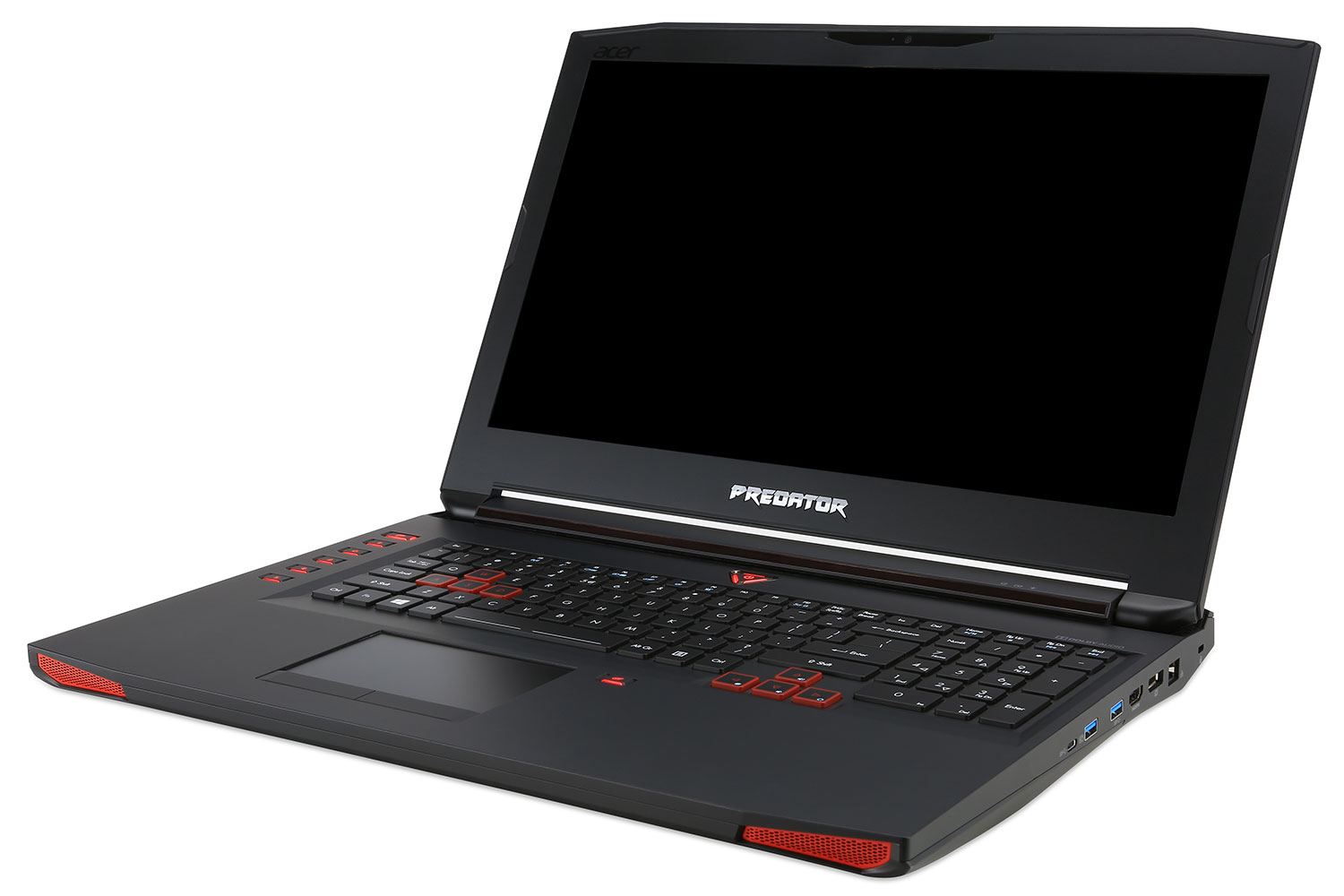
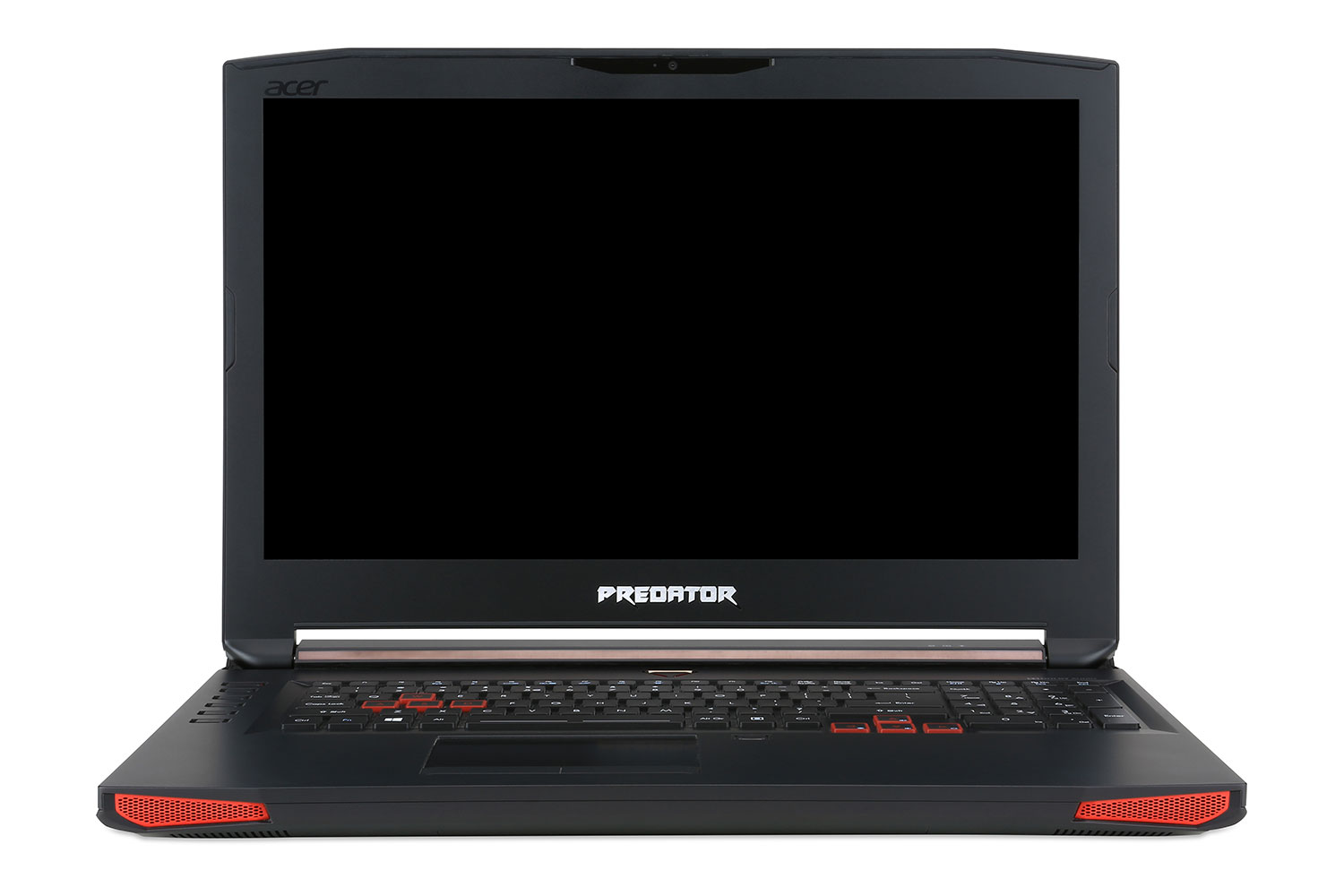
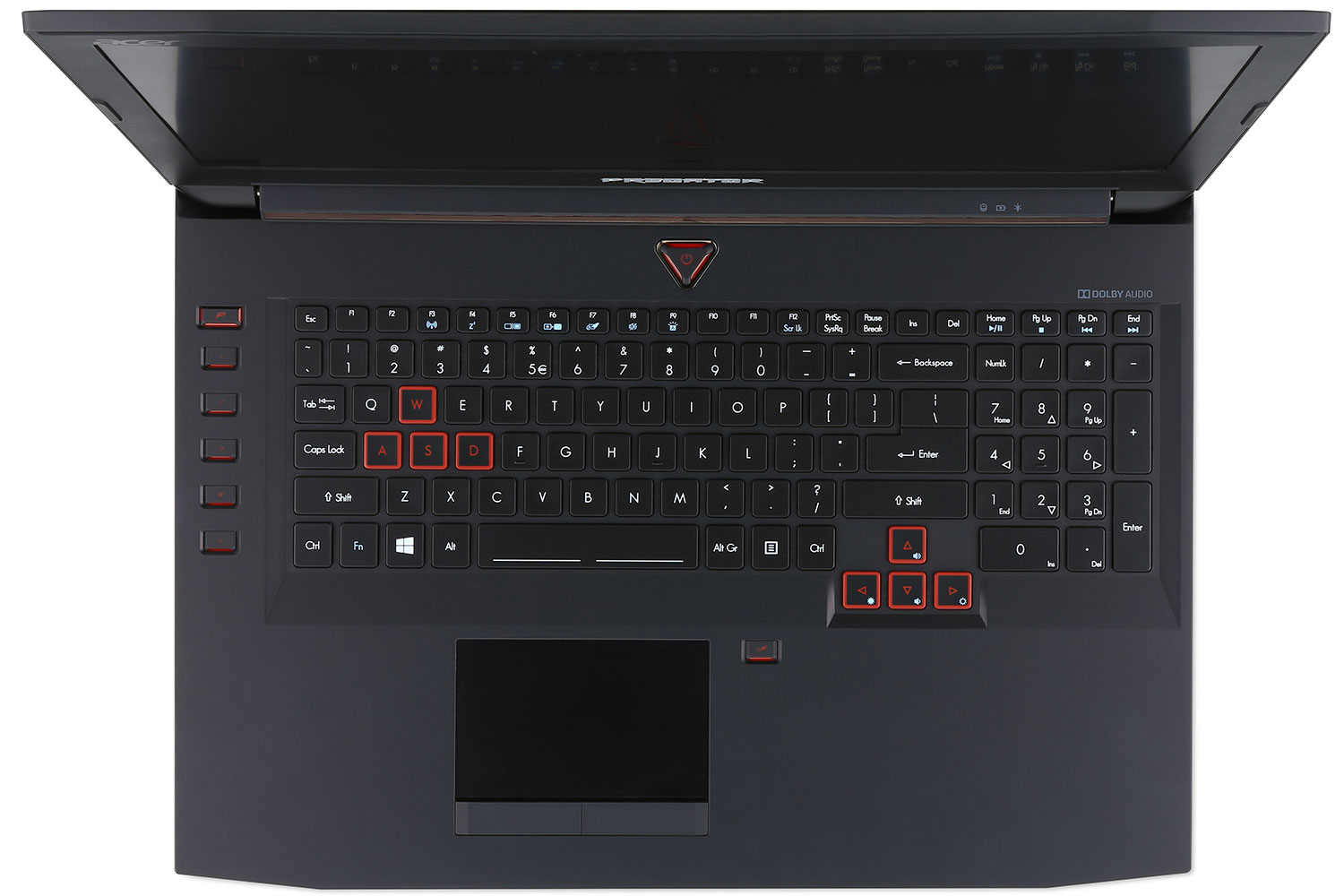
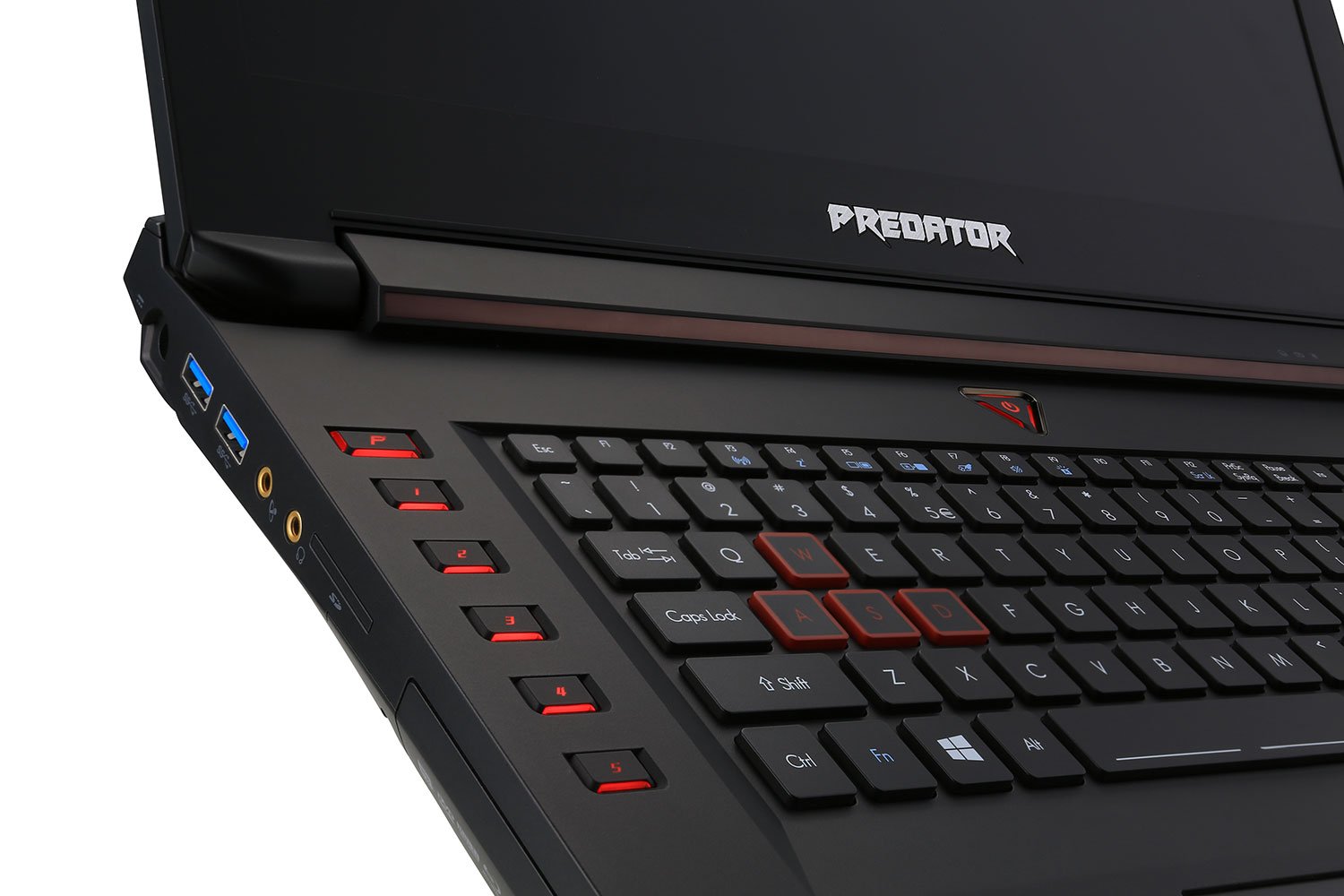

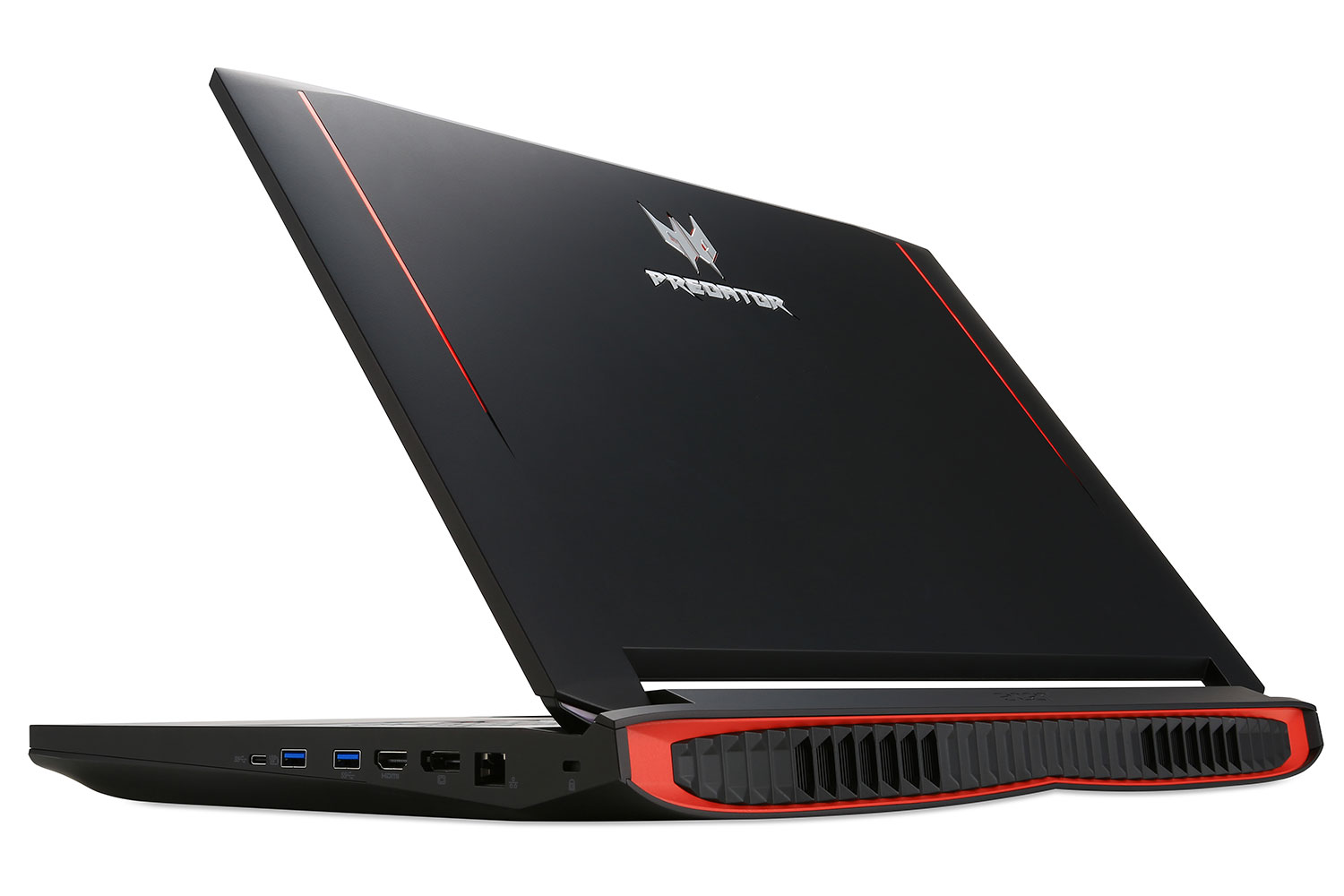
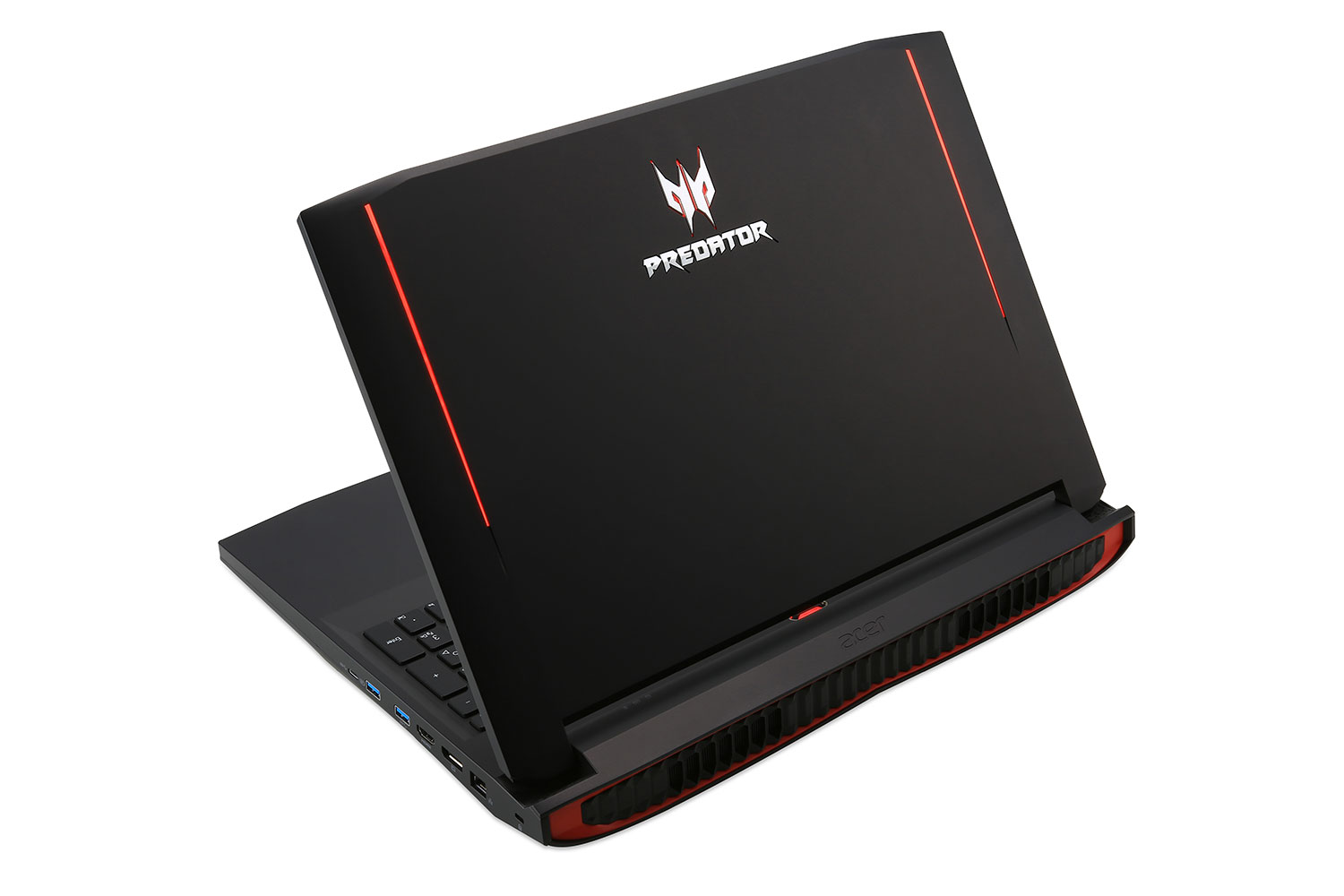
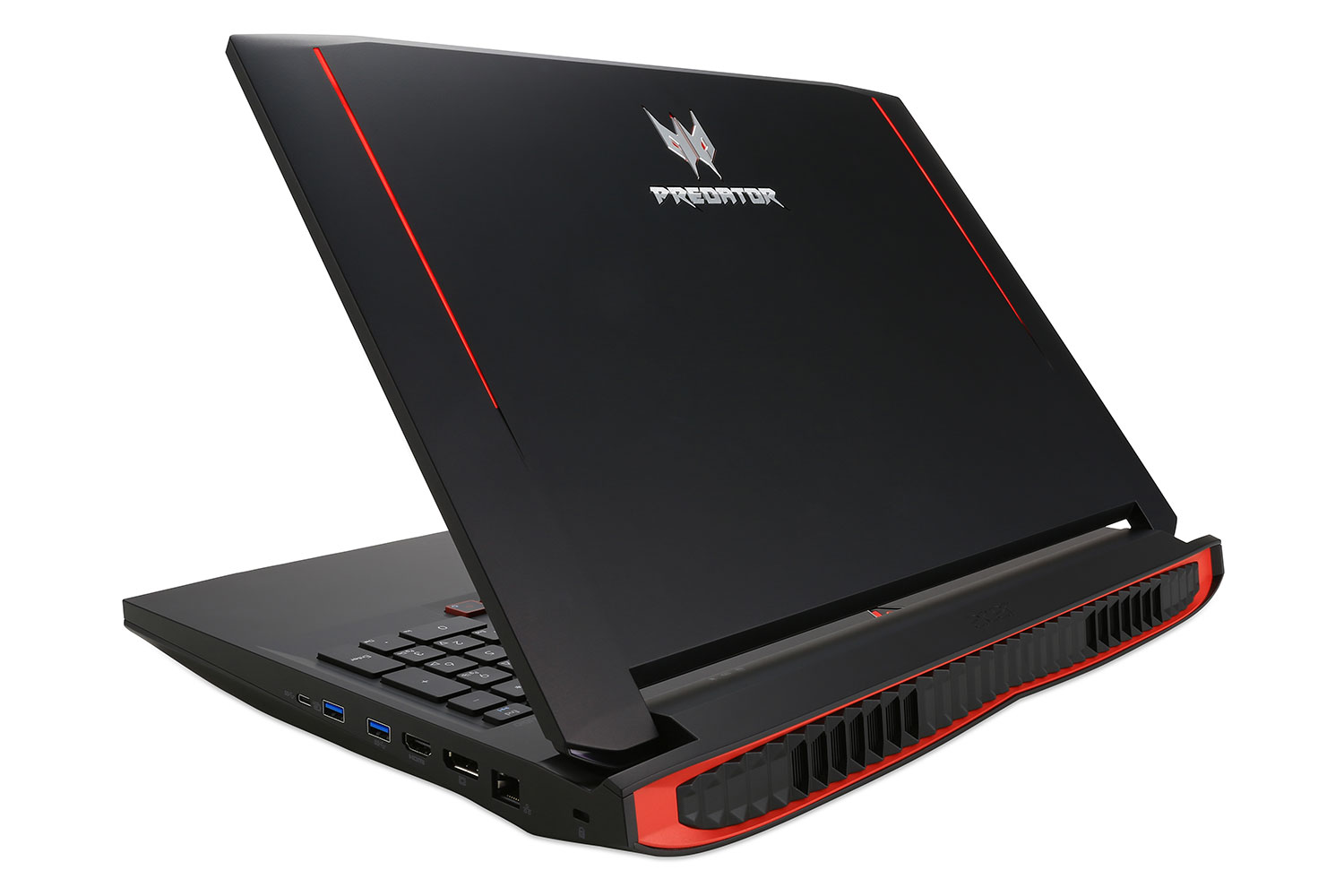
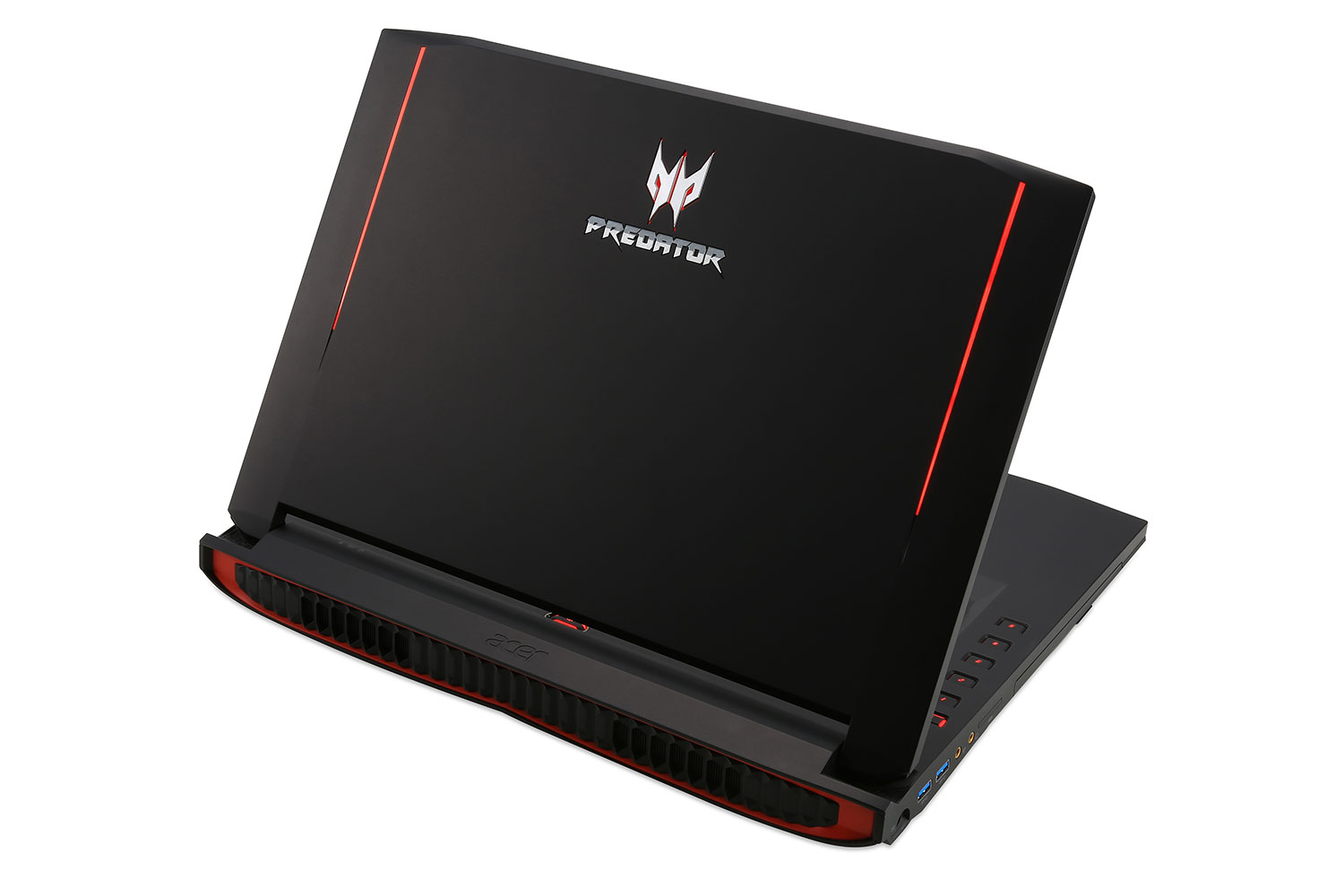
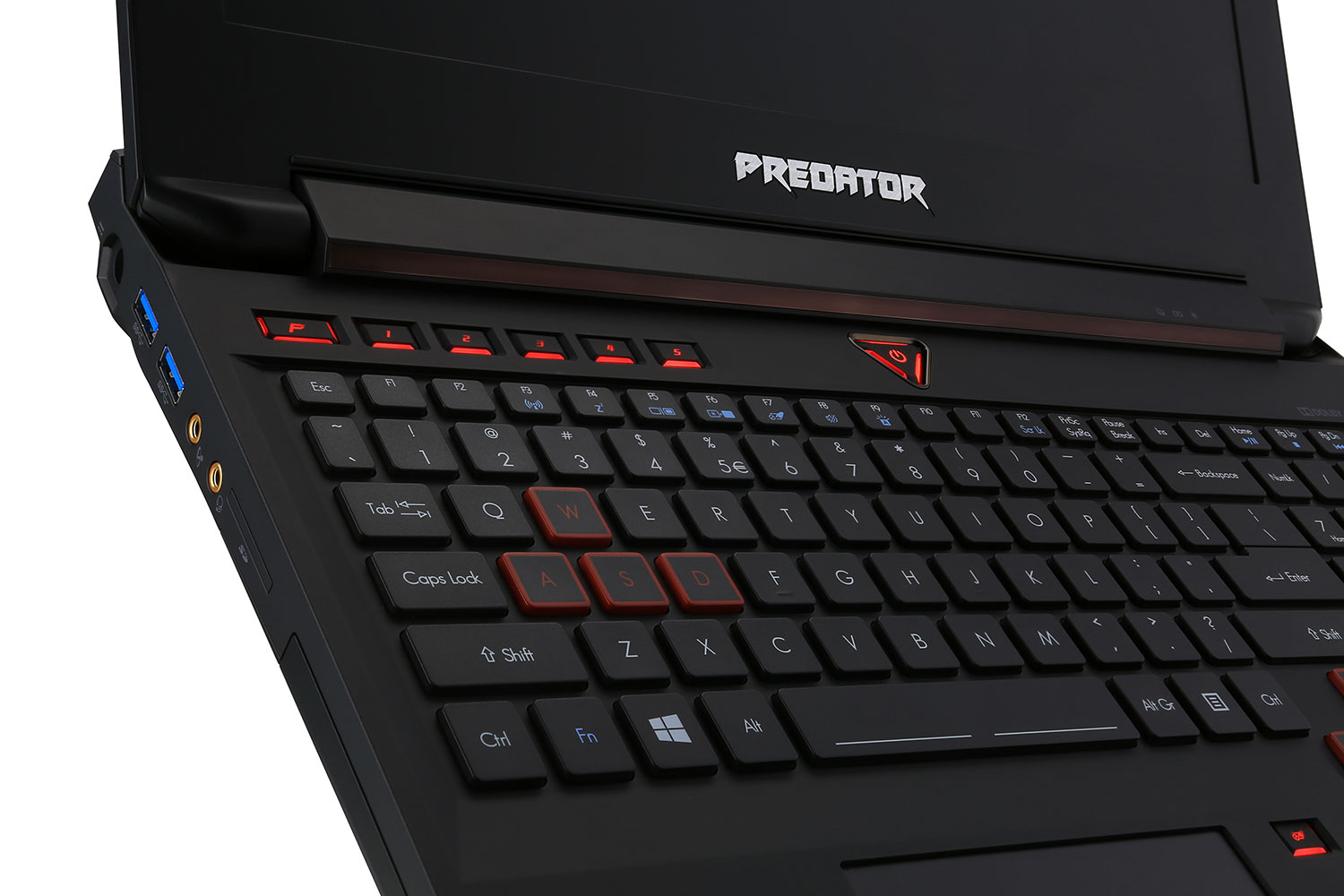
Though Acer has always offered gaming products, its commitment to the space hasn’t been consistent. The company’s new Predator 15- and 17-inch
Asus
Republic of Gamers G752 and GX700
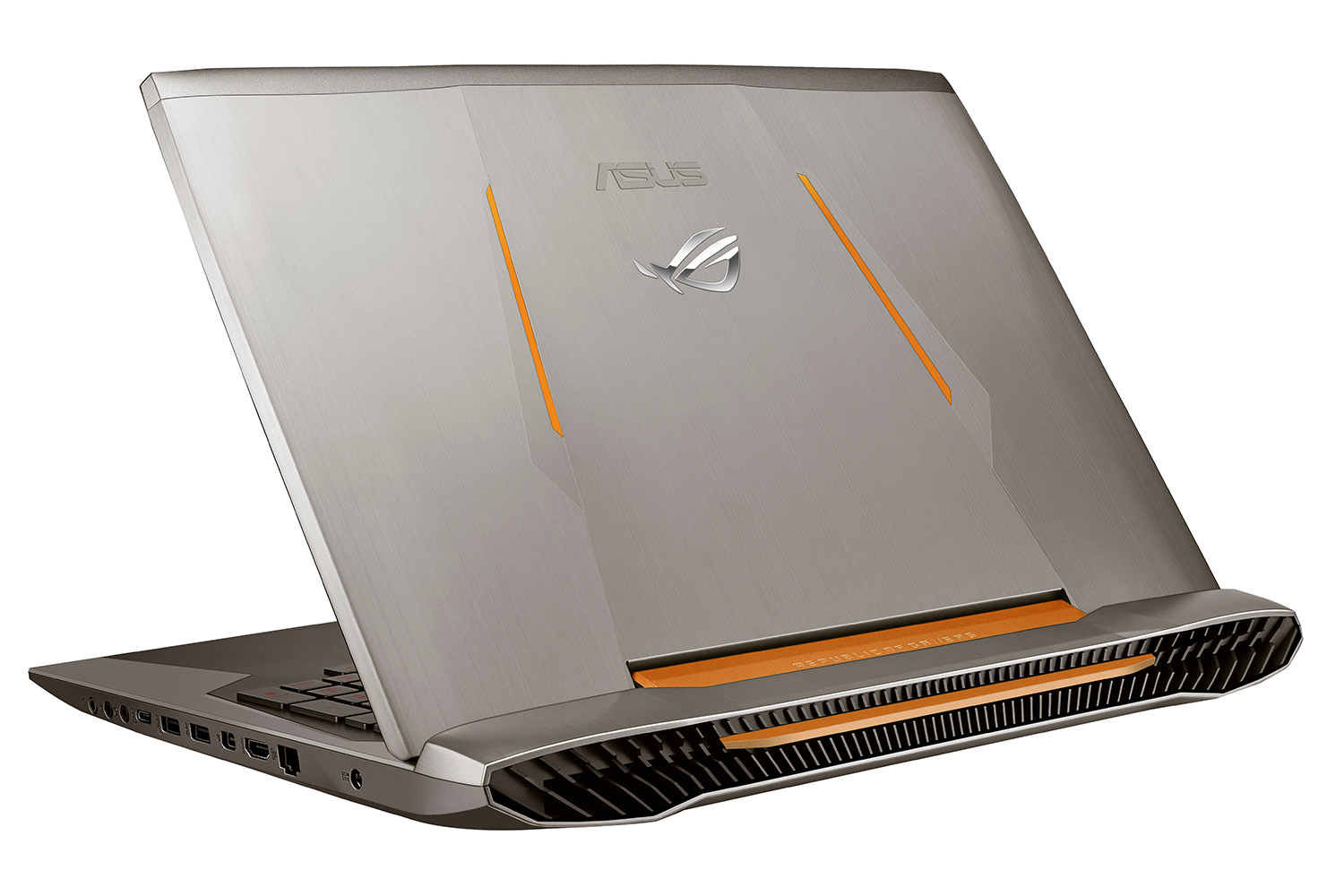

Asus’ entries into the holiday gaming arena are the G752 and GX700, a pair of fresh designs that abandon the company’s traditional, stealthy look for a bolder, glossy finish. While the G752 is a conventional successor to the G751, the GX700 is a more radical liquid-cooled design built for Intel’s upcoming, unlocked K-Series mobile processors. Both system are extremely impressive, and just as powerful as Acer’s Predator line, but the new look is a bit rough around the edges.
Lenovo
ThinkPad Yoga 260 and 460
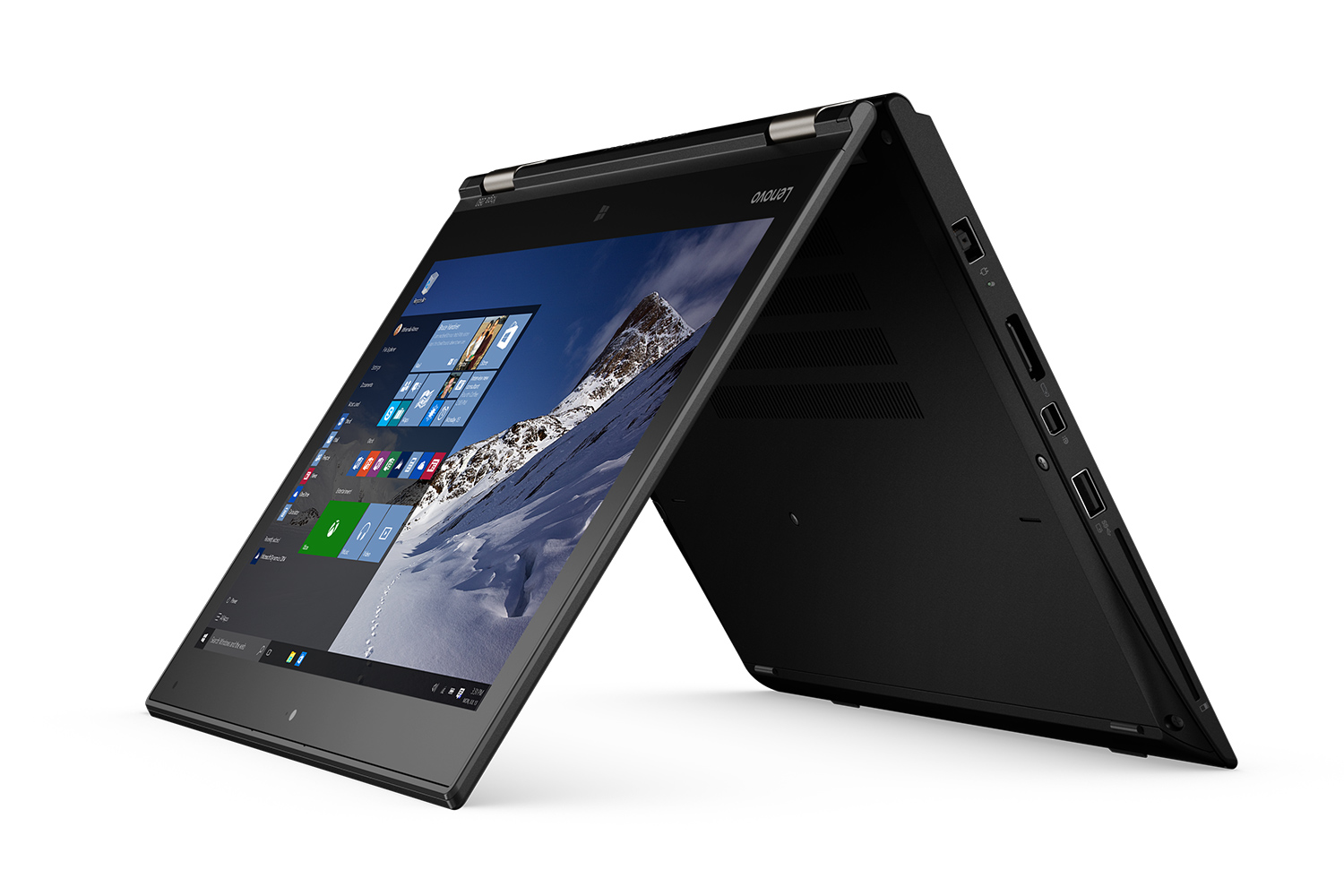
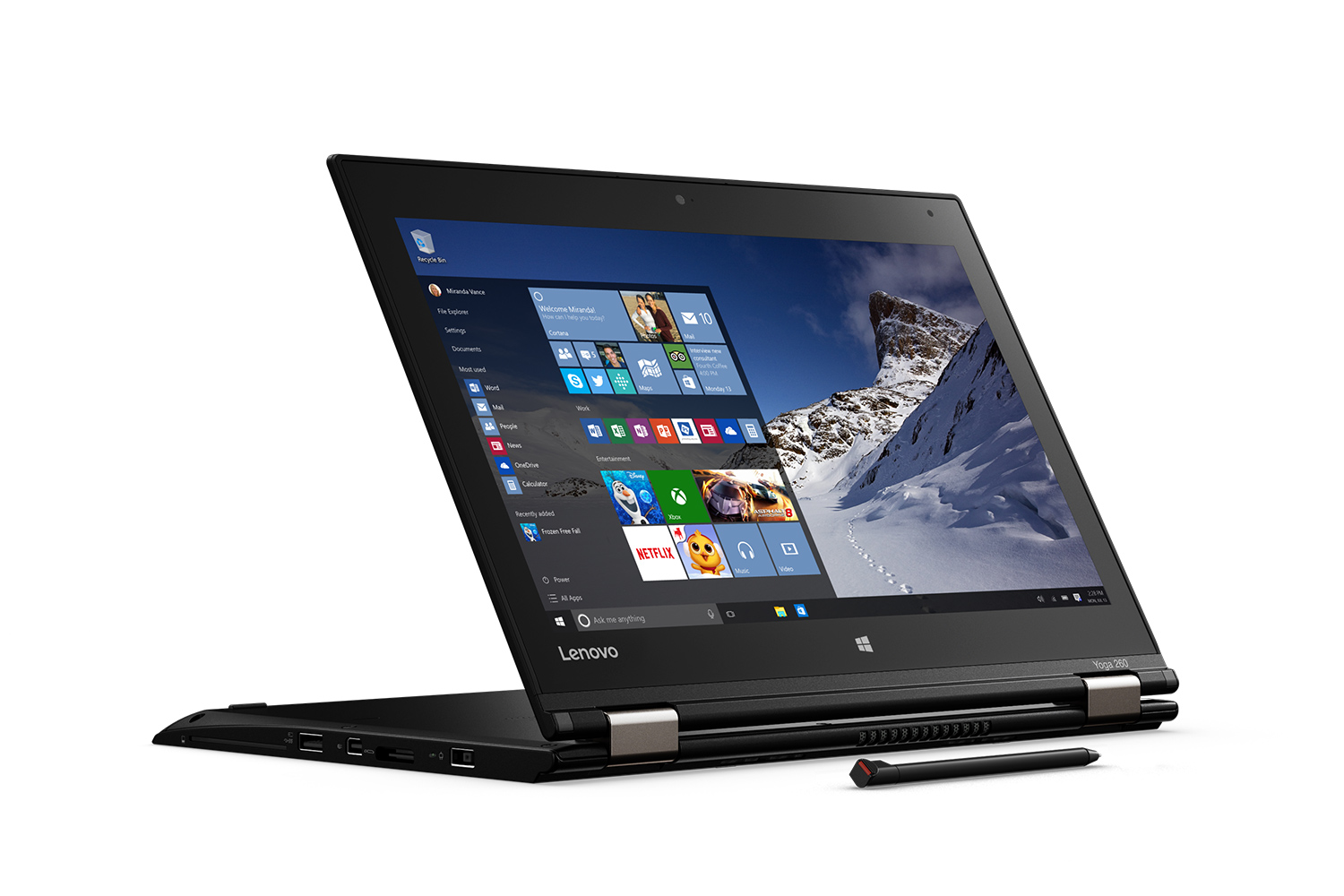
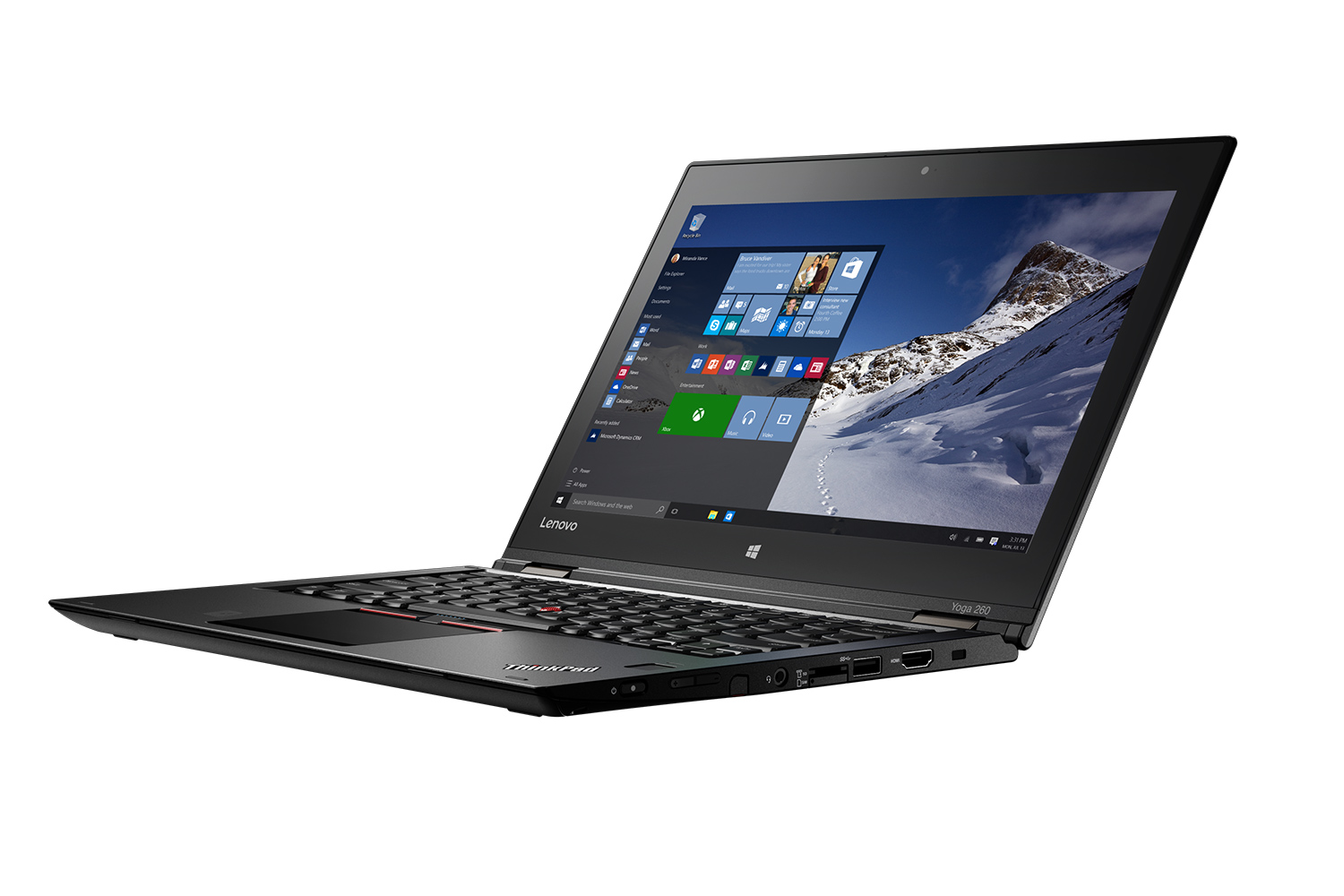
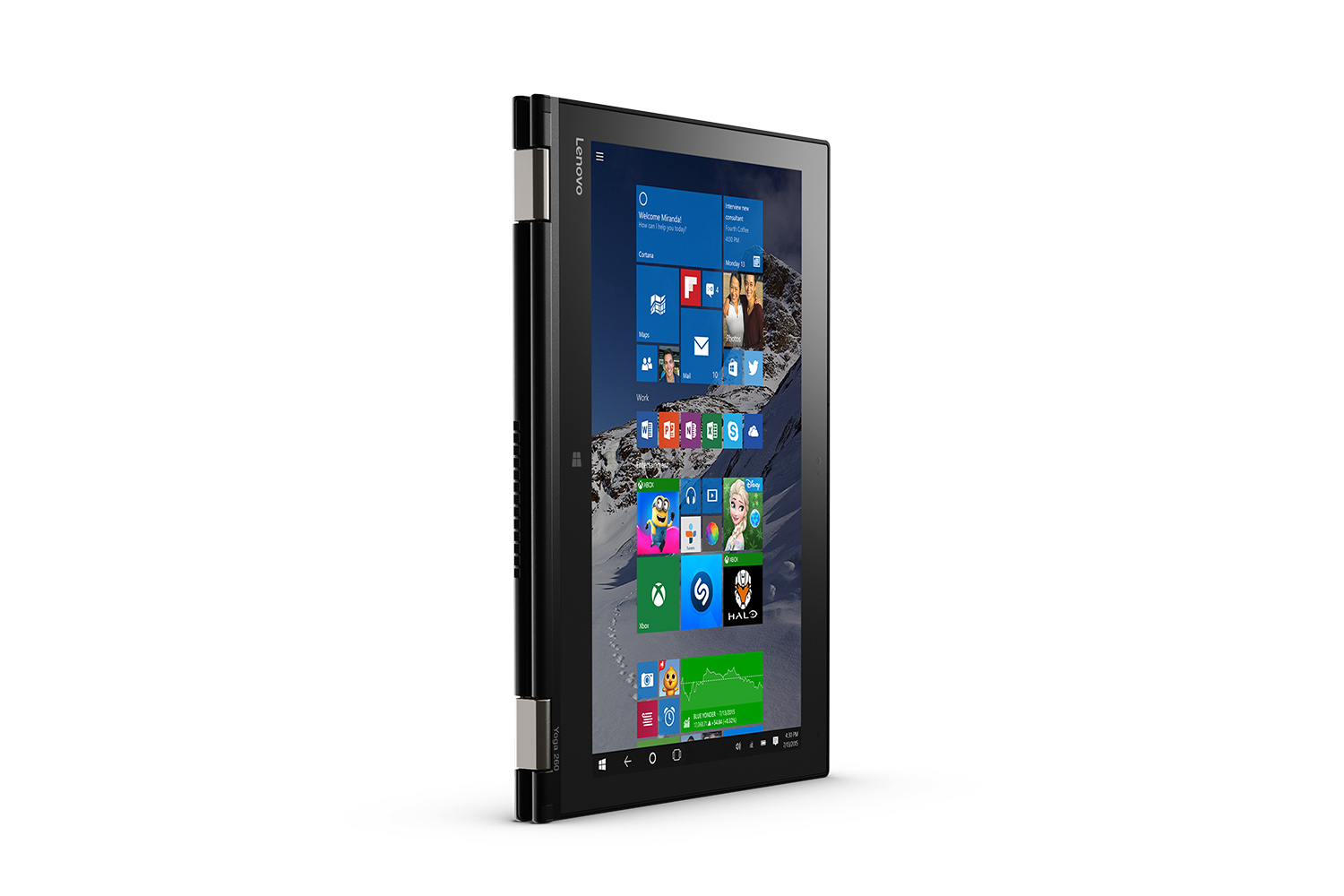
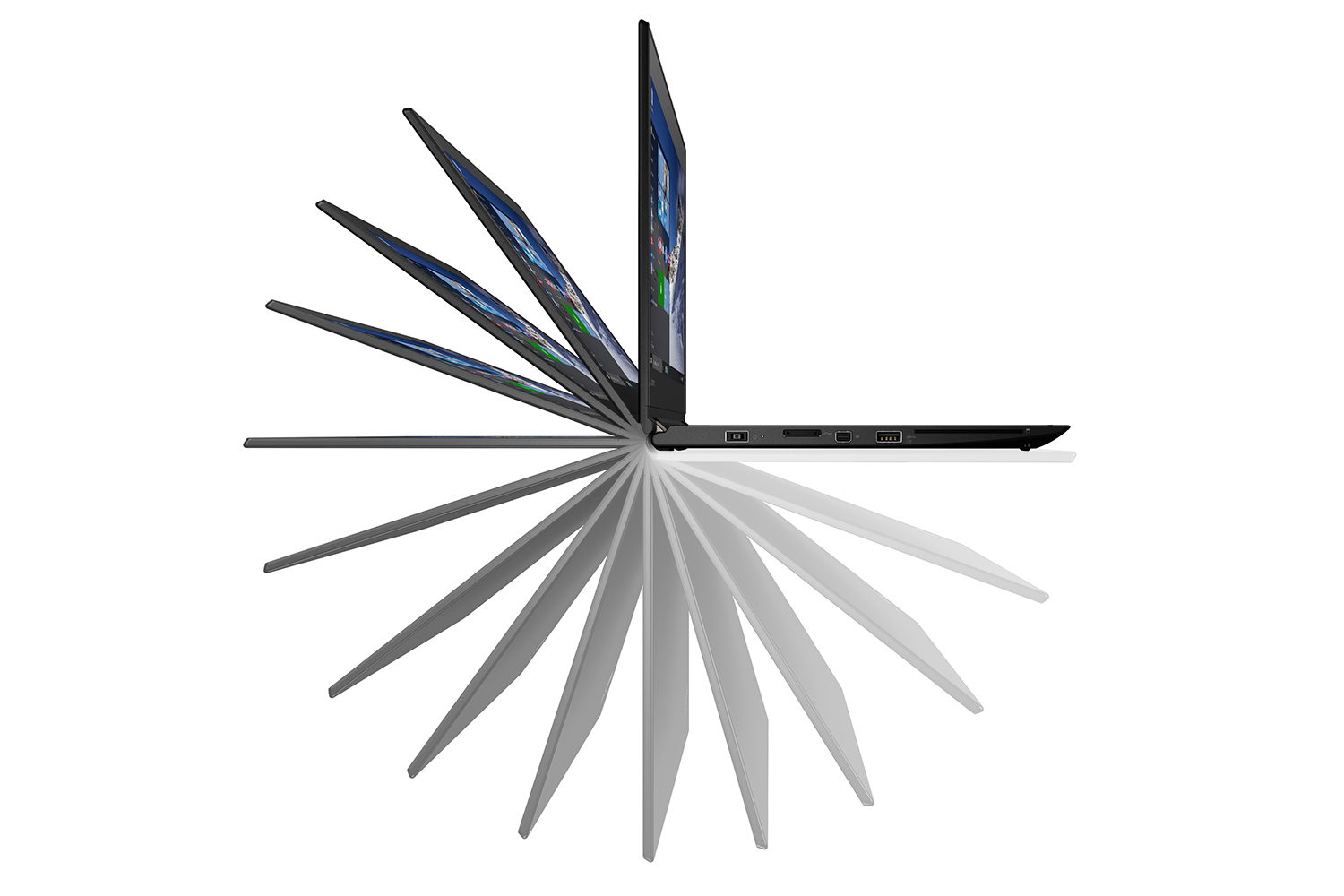
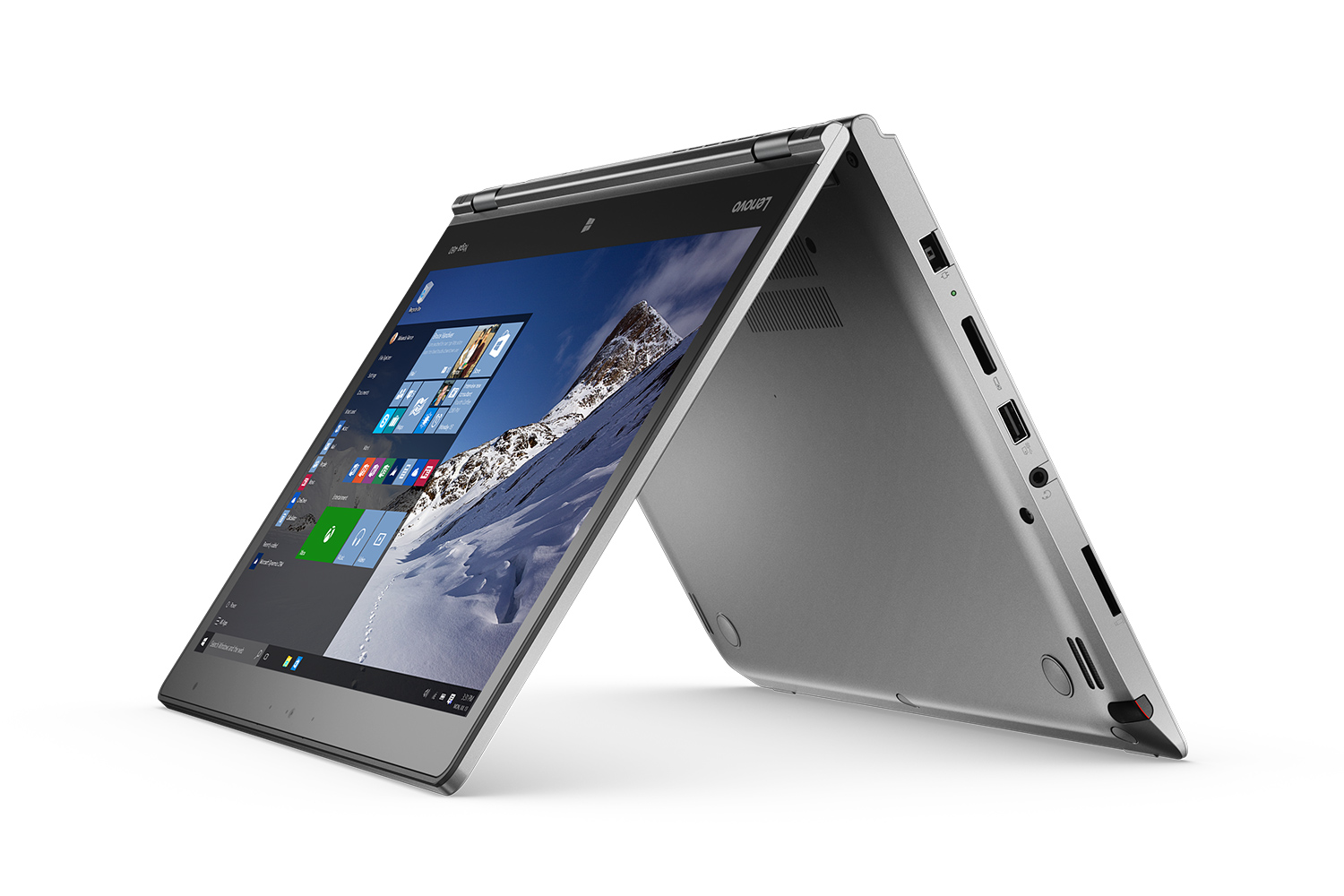
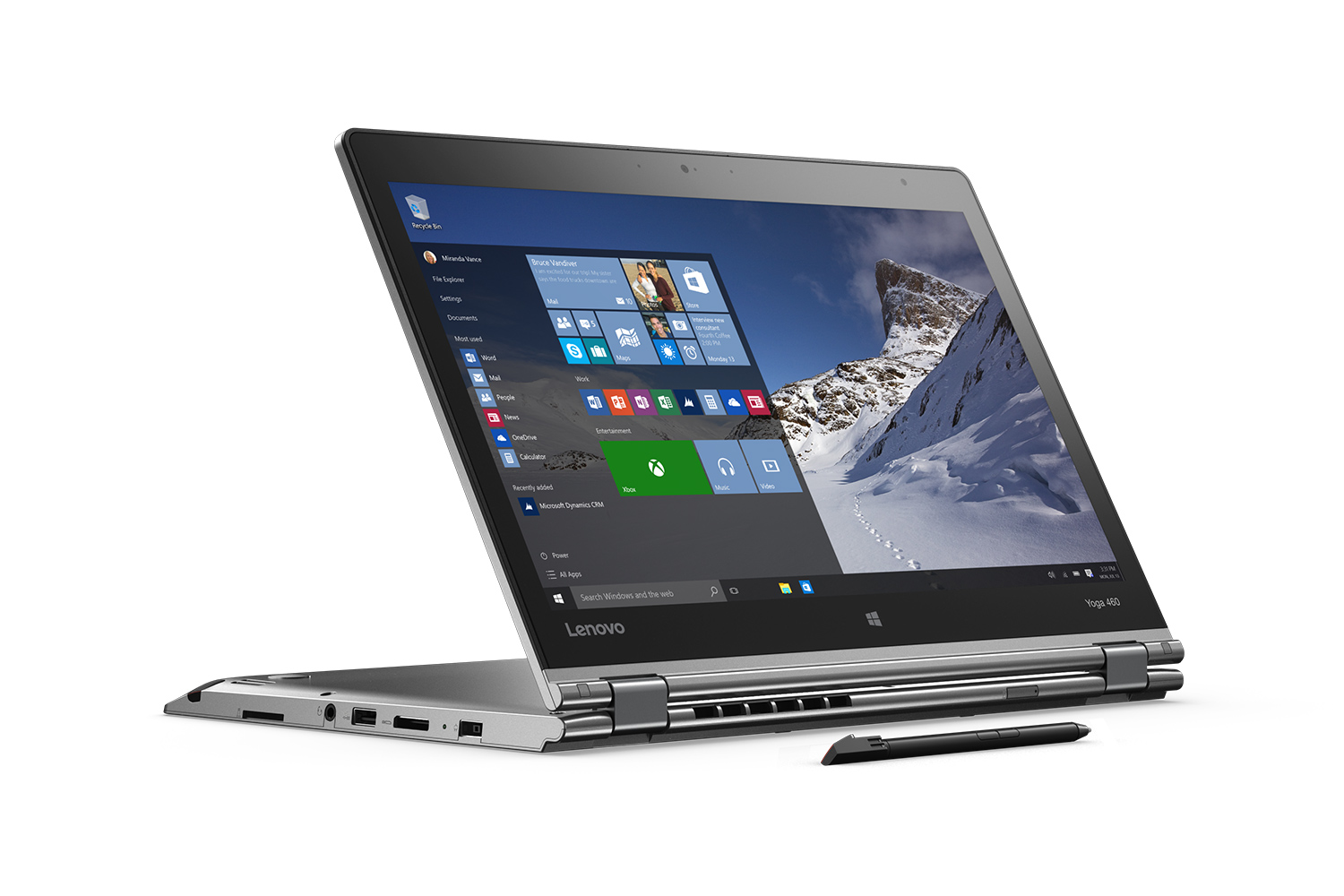
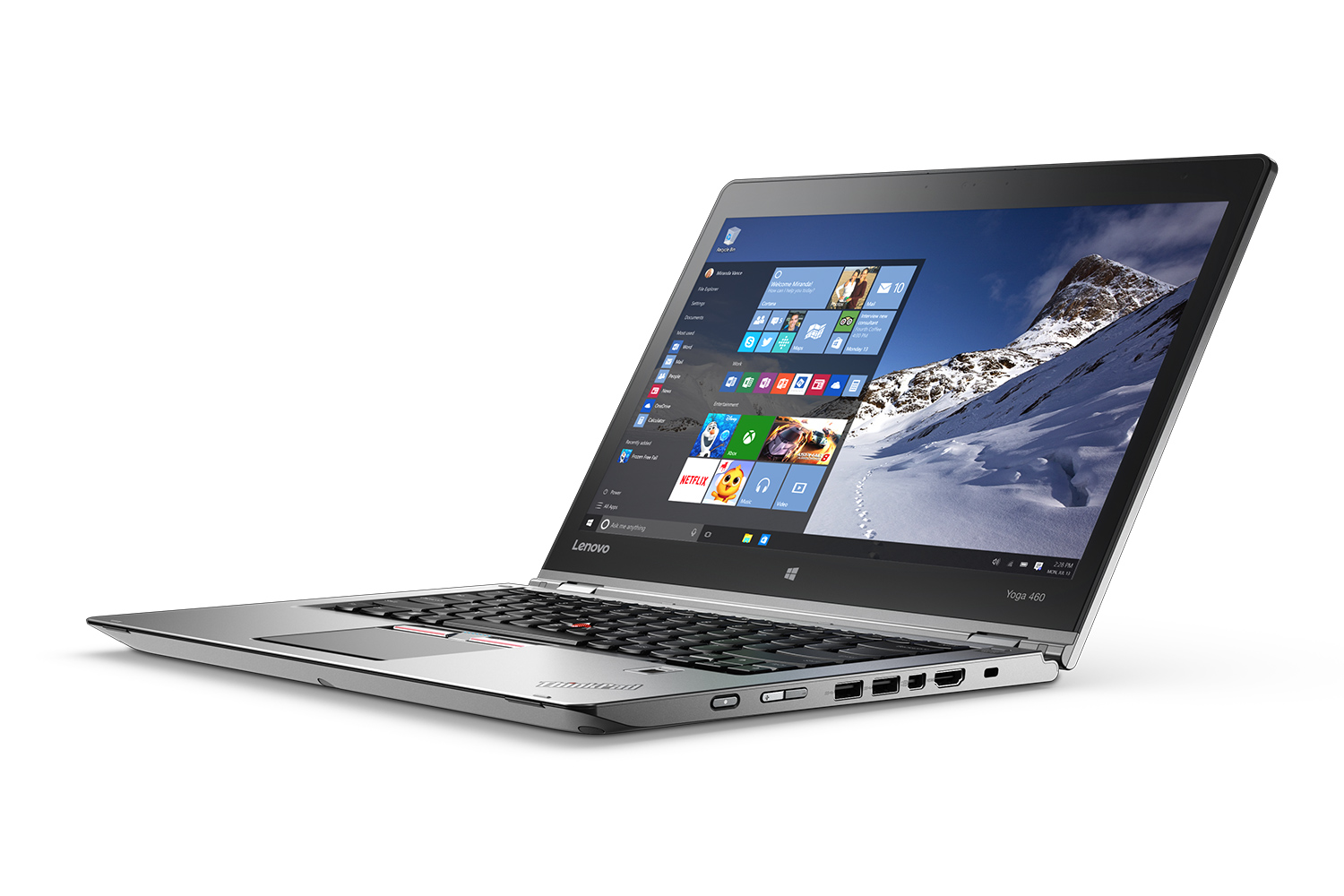
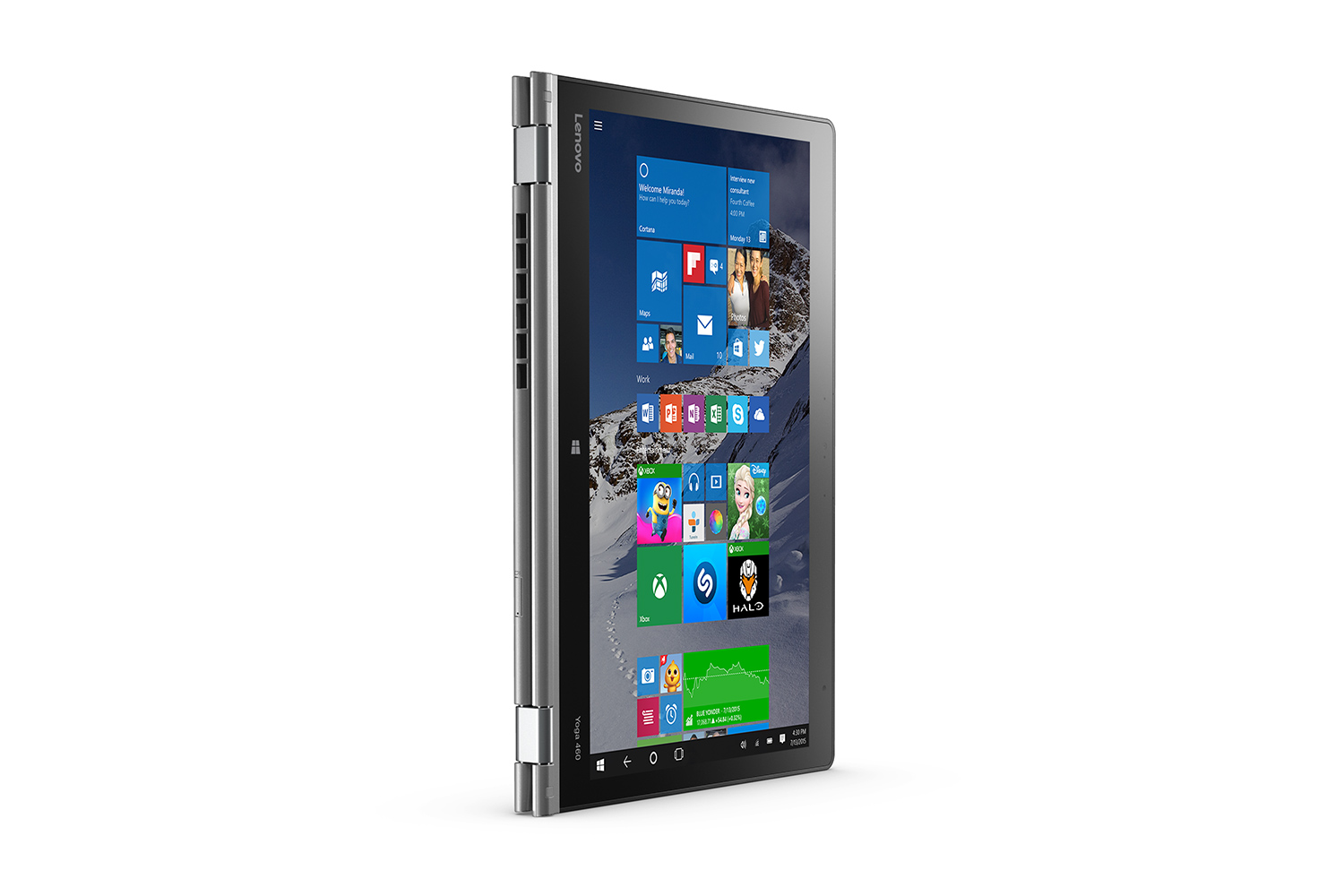
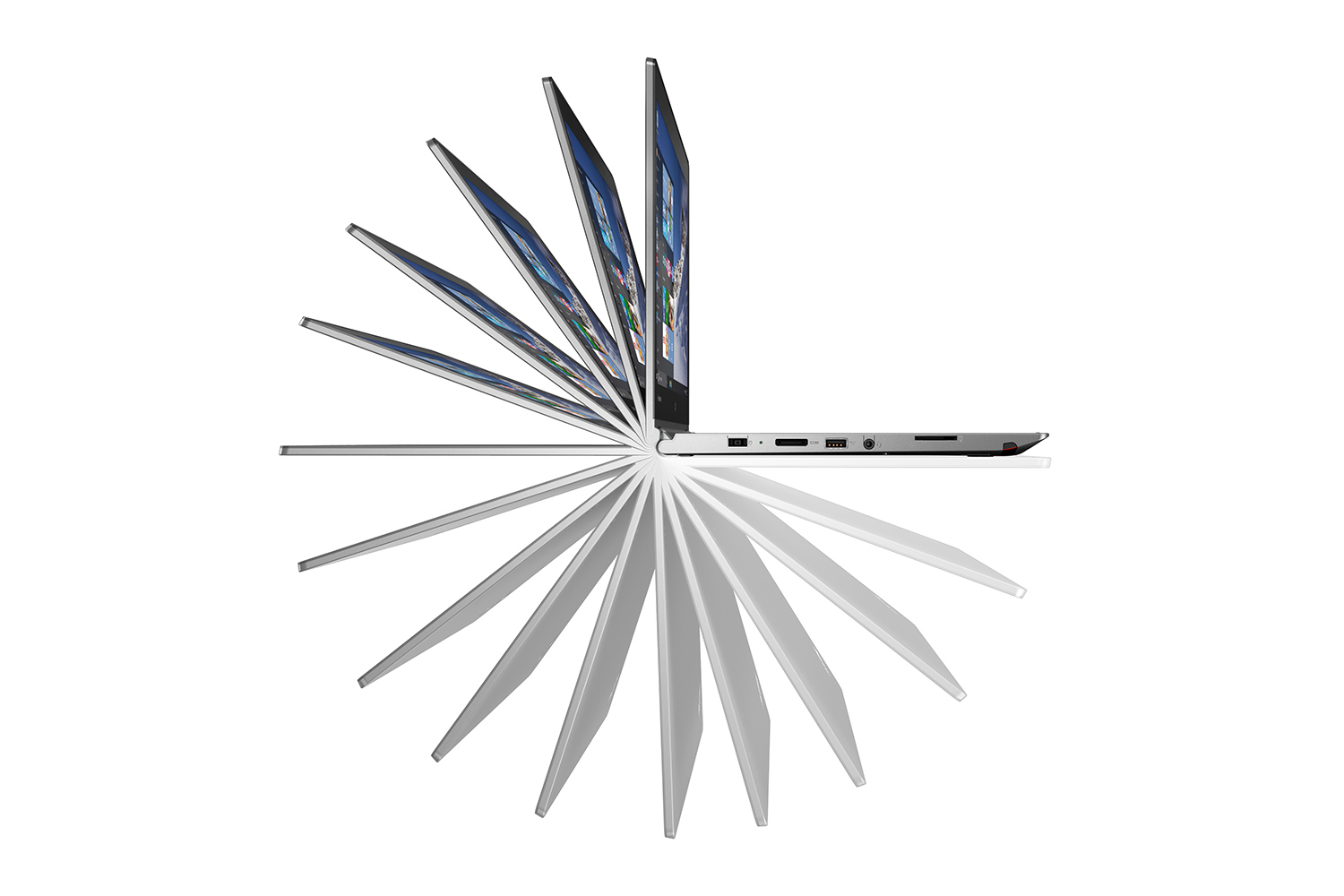
Lenovo brought the most hardware to IFA 2015 by far, and it led with the ThinkPad 260 and 460, a pair of high-end convertibles. The 260 boasts a 12.5-inch display and weighs 2.9 pounds, while the 460 has a 14-inch screen and weighs 3.9 pounds. Both models offer a display that folds backward 360 degrees, converting the laptop into a tablet.
Ideapad Y700

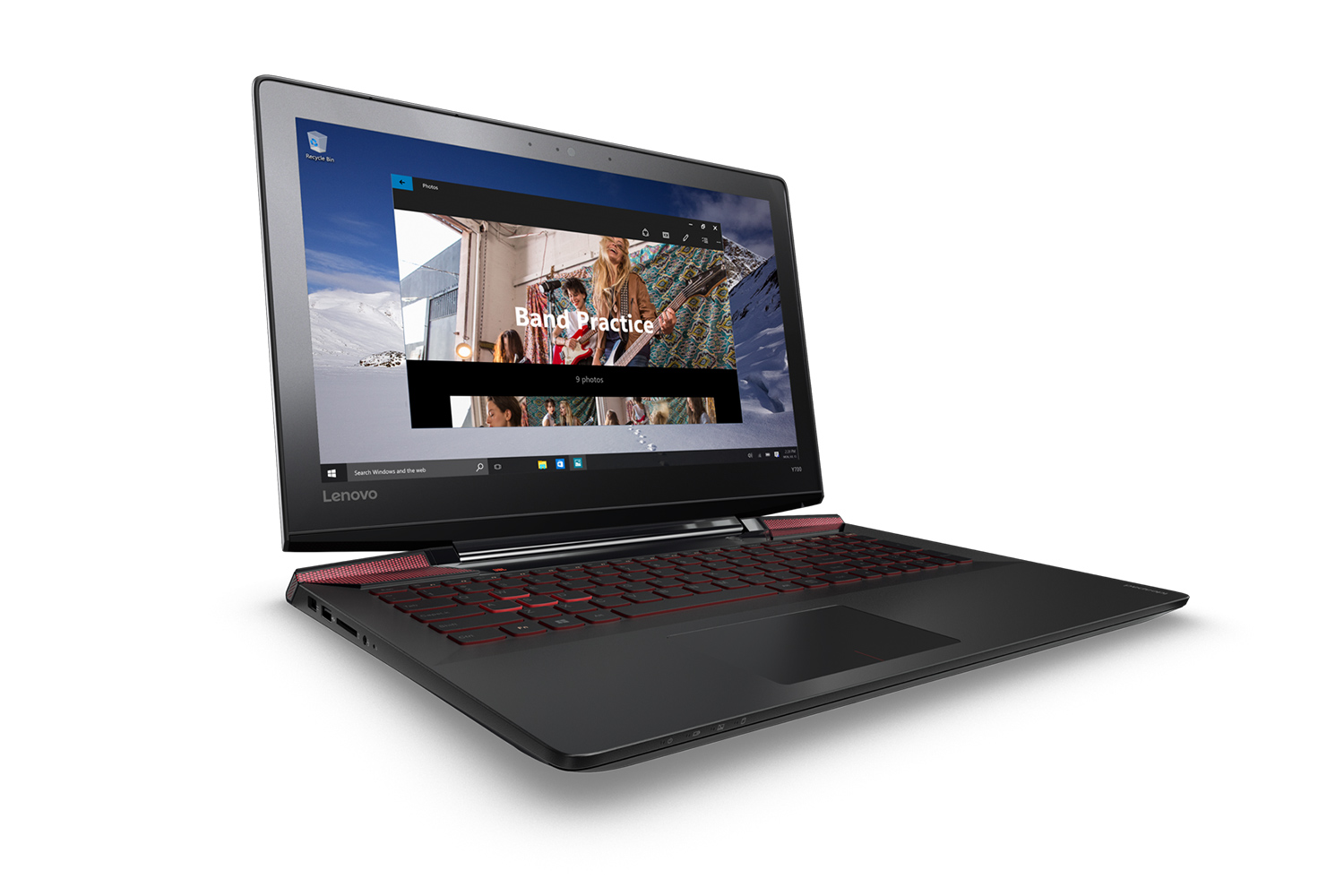


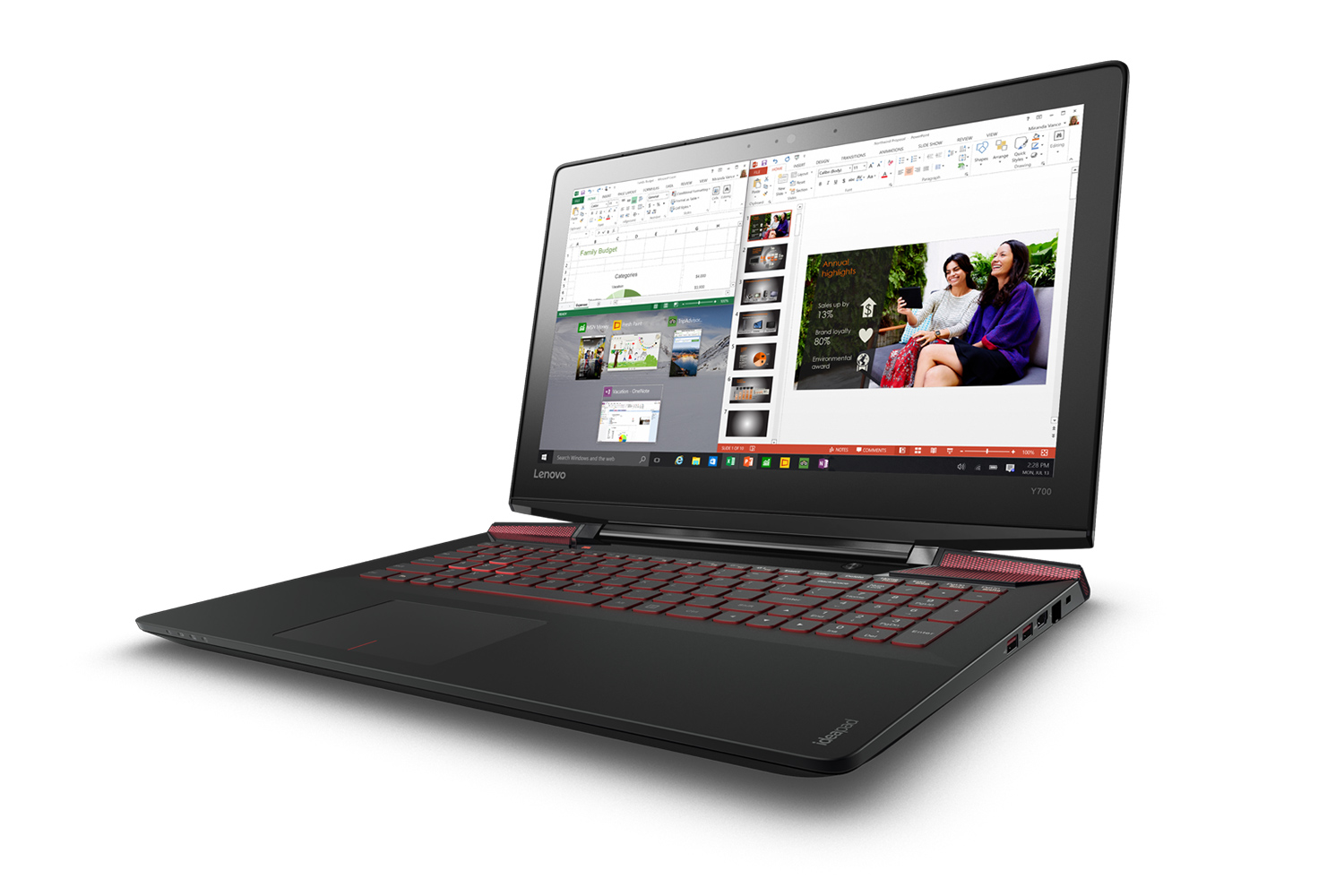

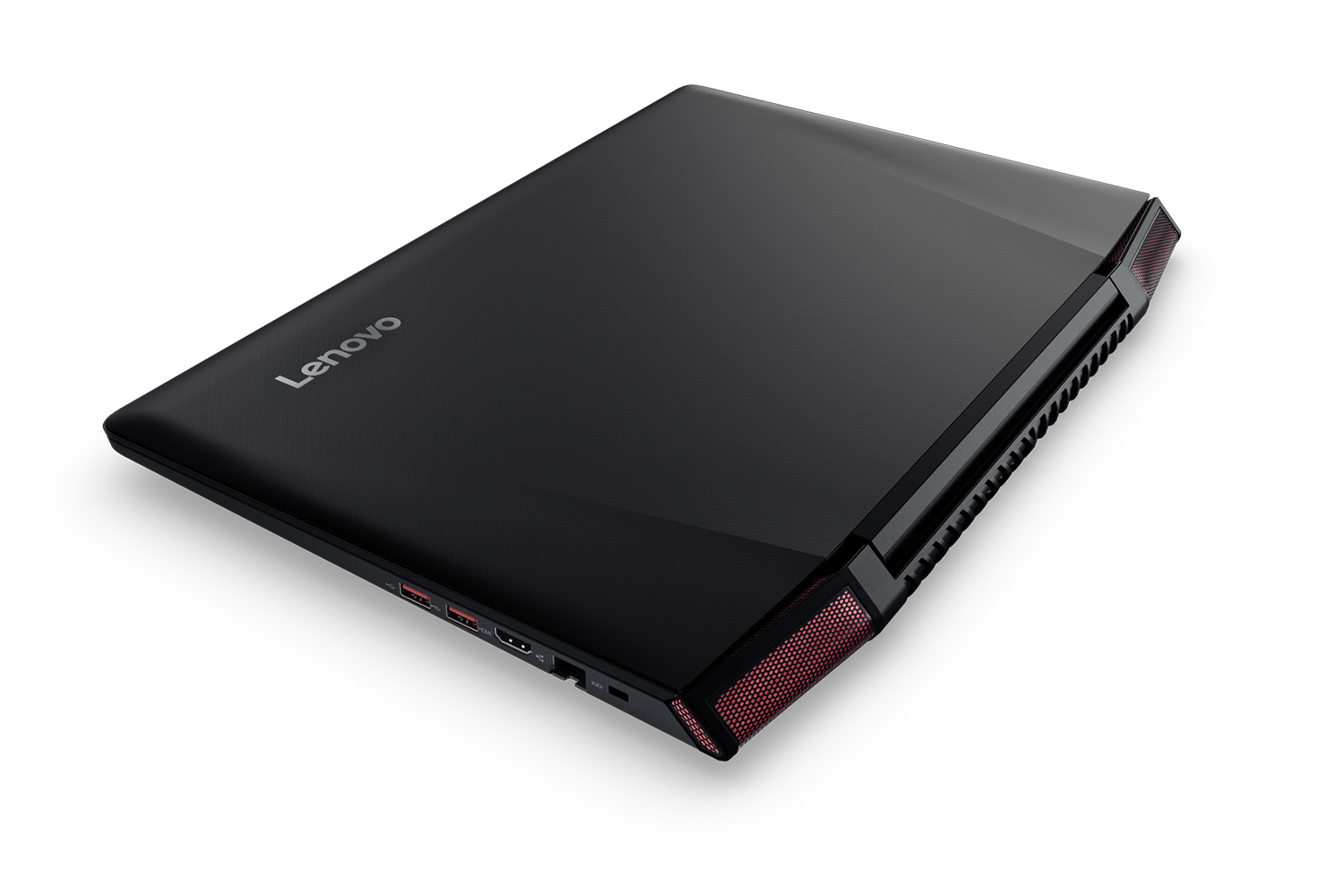
The IdeaPad Y700 is Lenovo’s cross-purpose multimedia and gaming laptop. To that end, it offers a 1080p or optional 4K display, Nvidia GTX 960 graphics and Intel quad-core processors. It frankly isn’t on par with the build quality of “real” gaming notebooks like Acer’s Predator or Asus’ G752, but it does have an affordable entry-level price of just $999.
Ideapad Miix 700
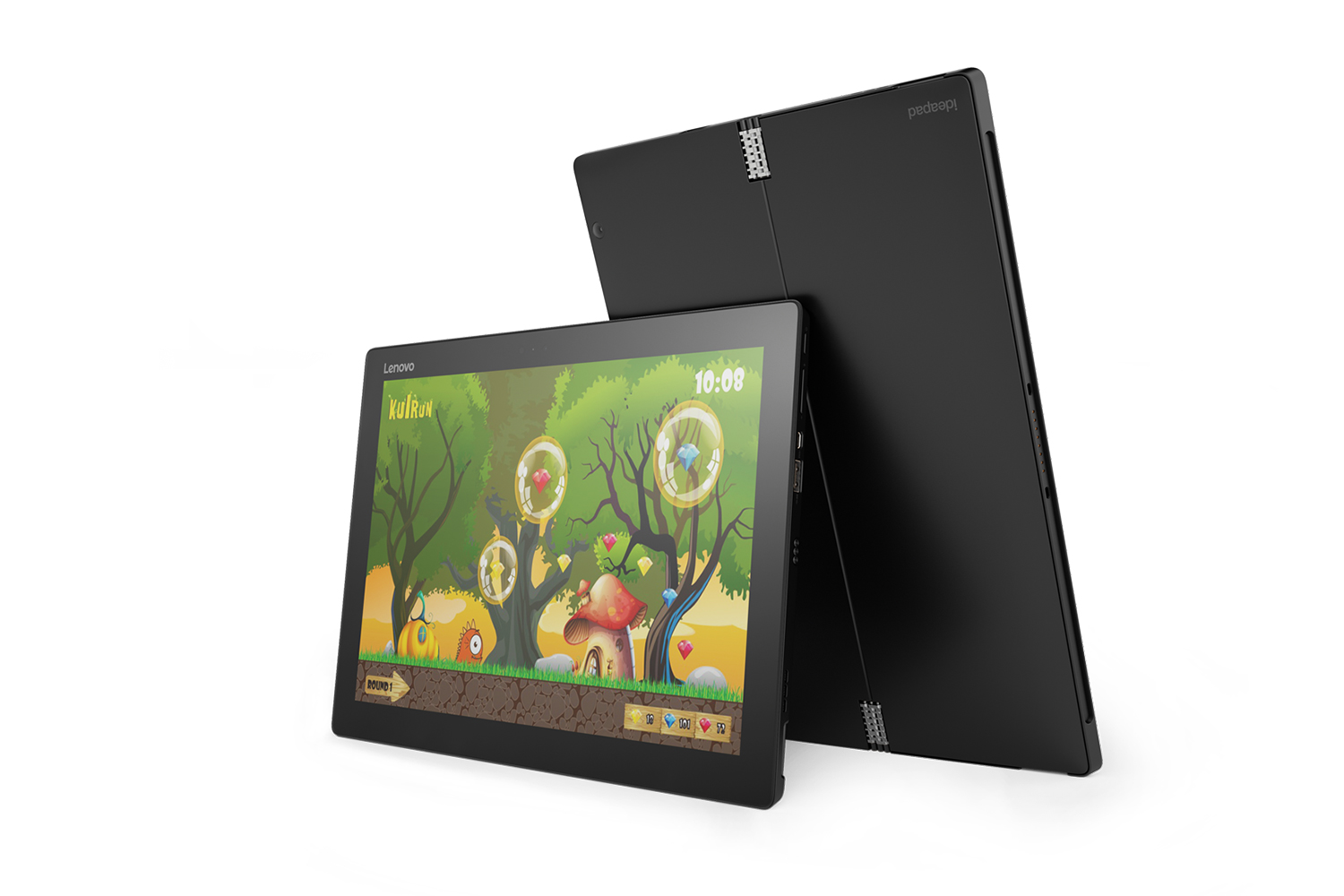
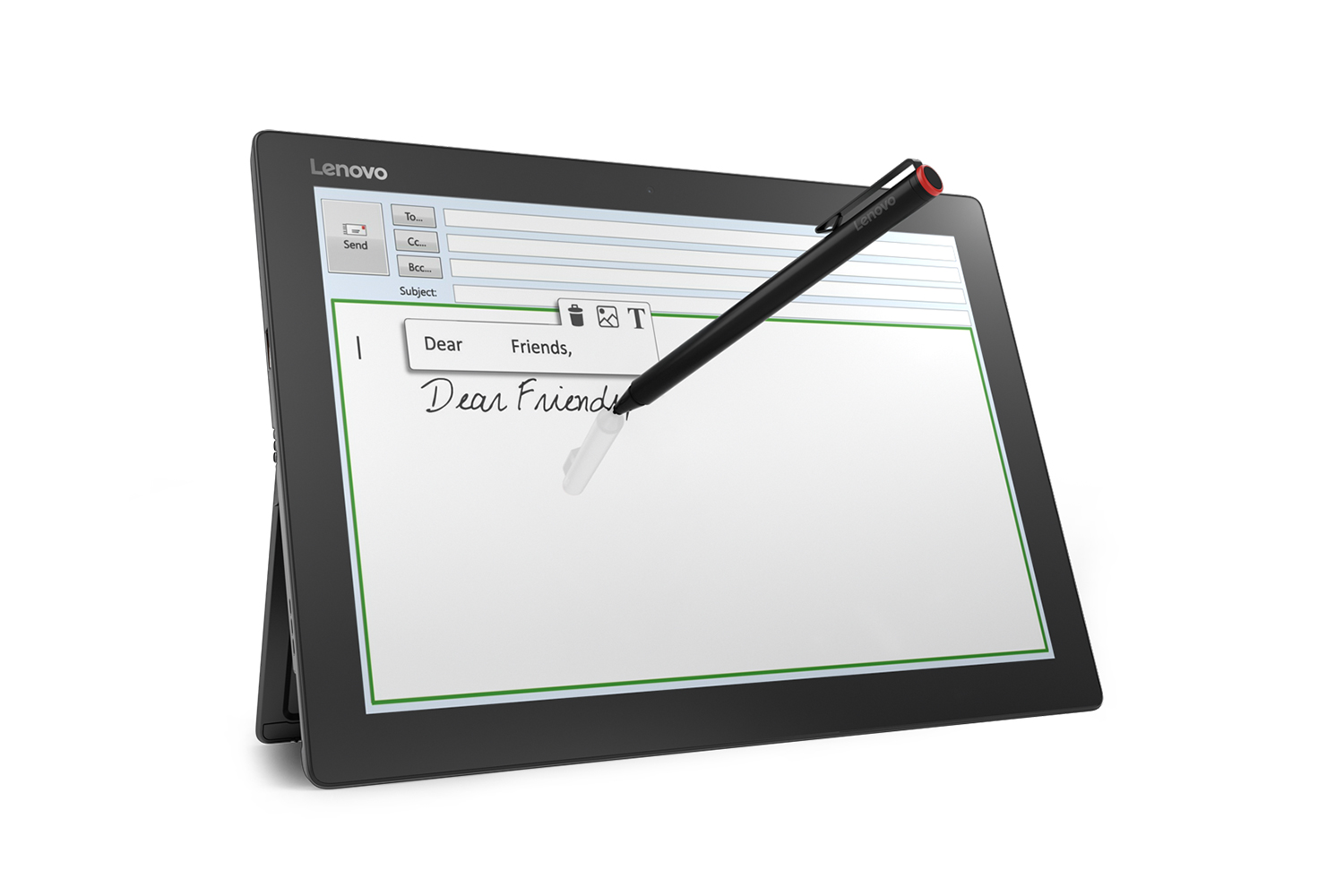
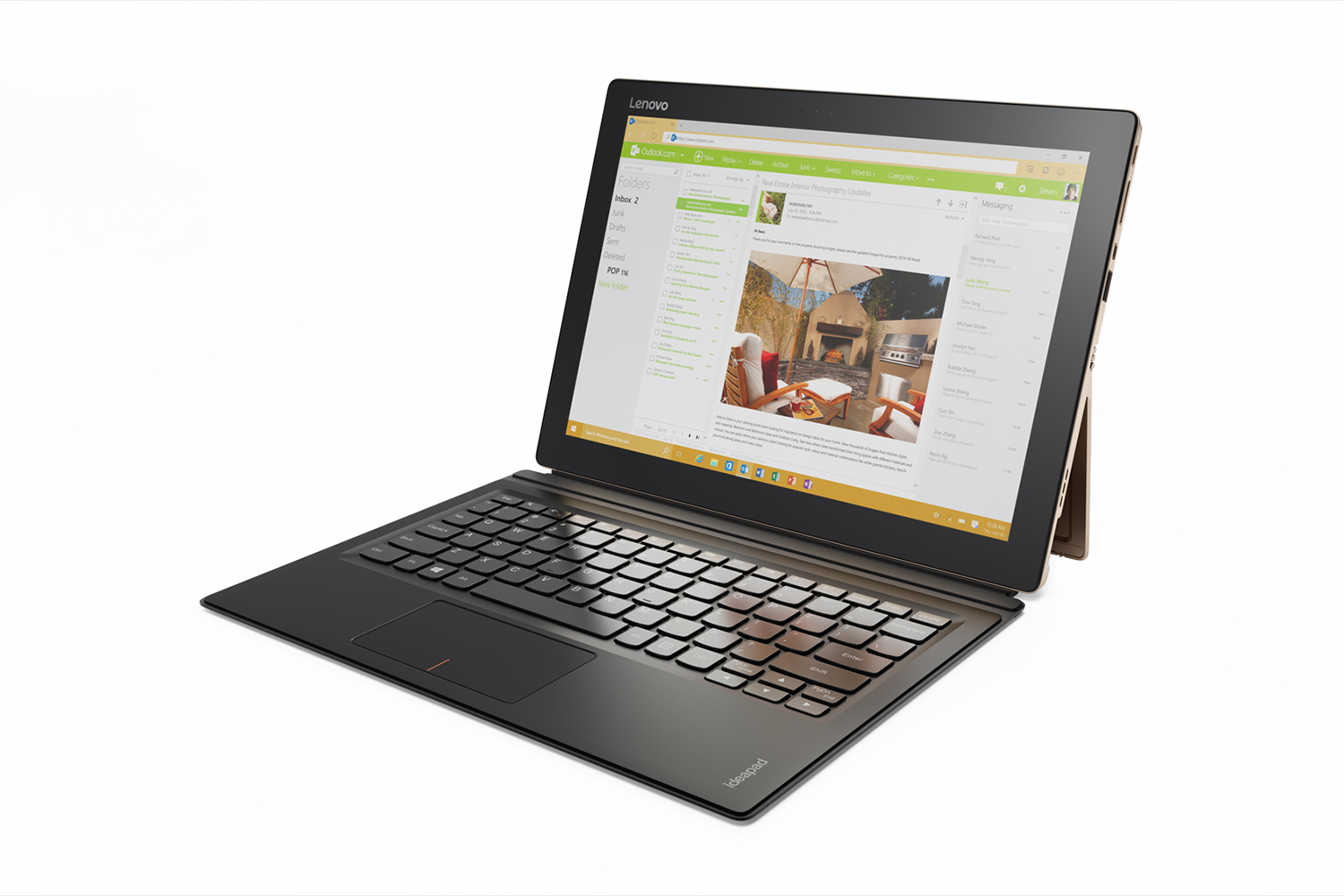
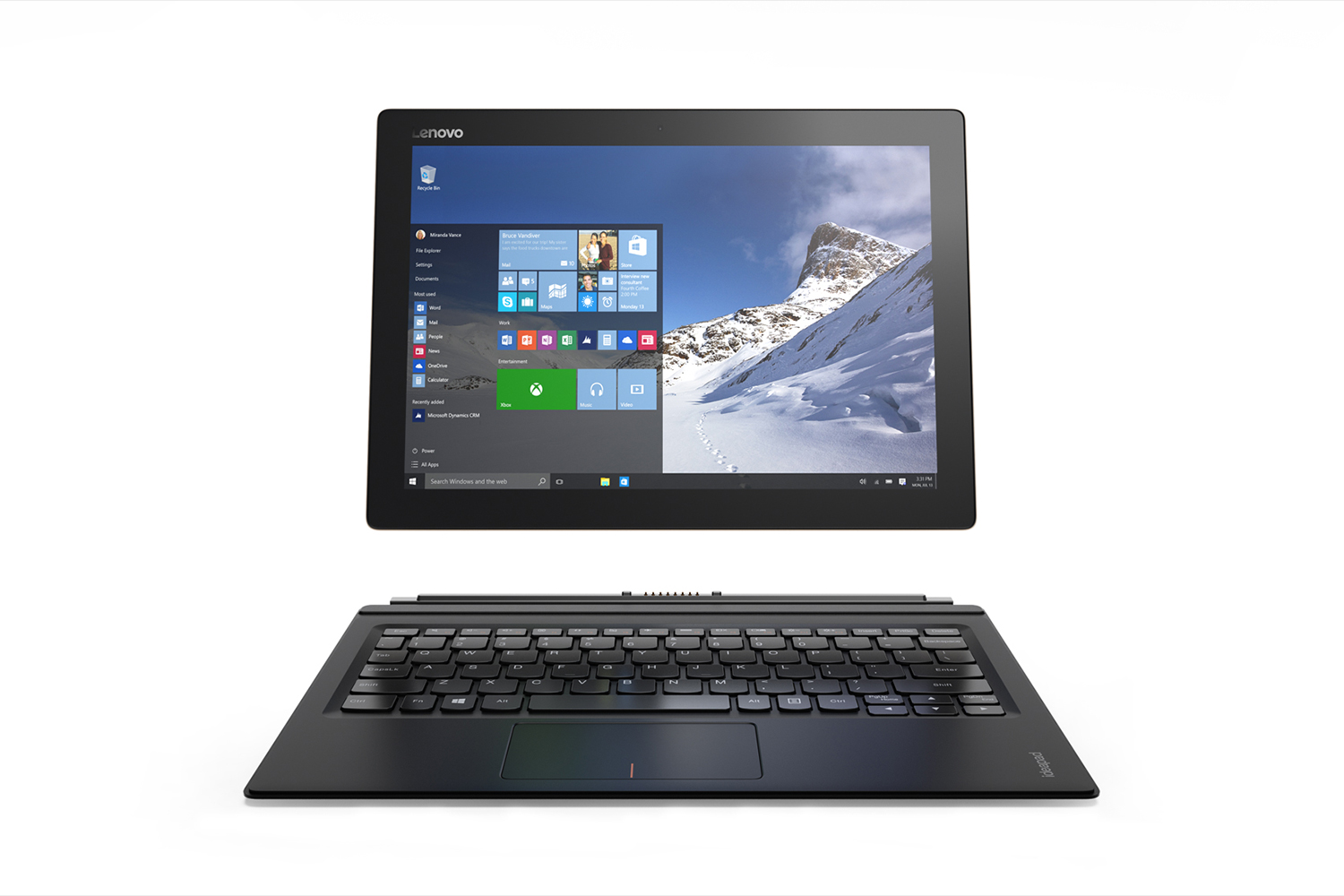

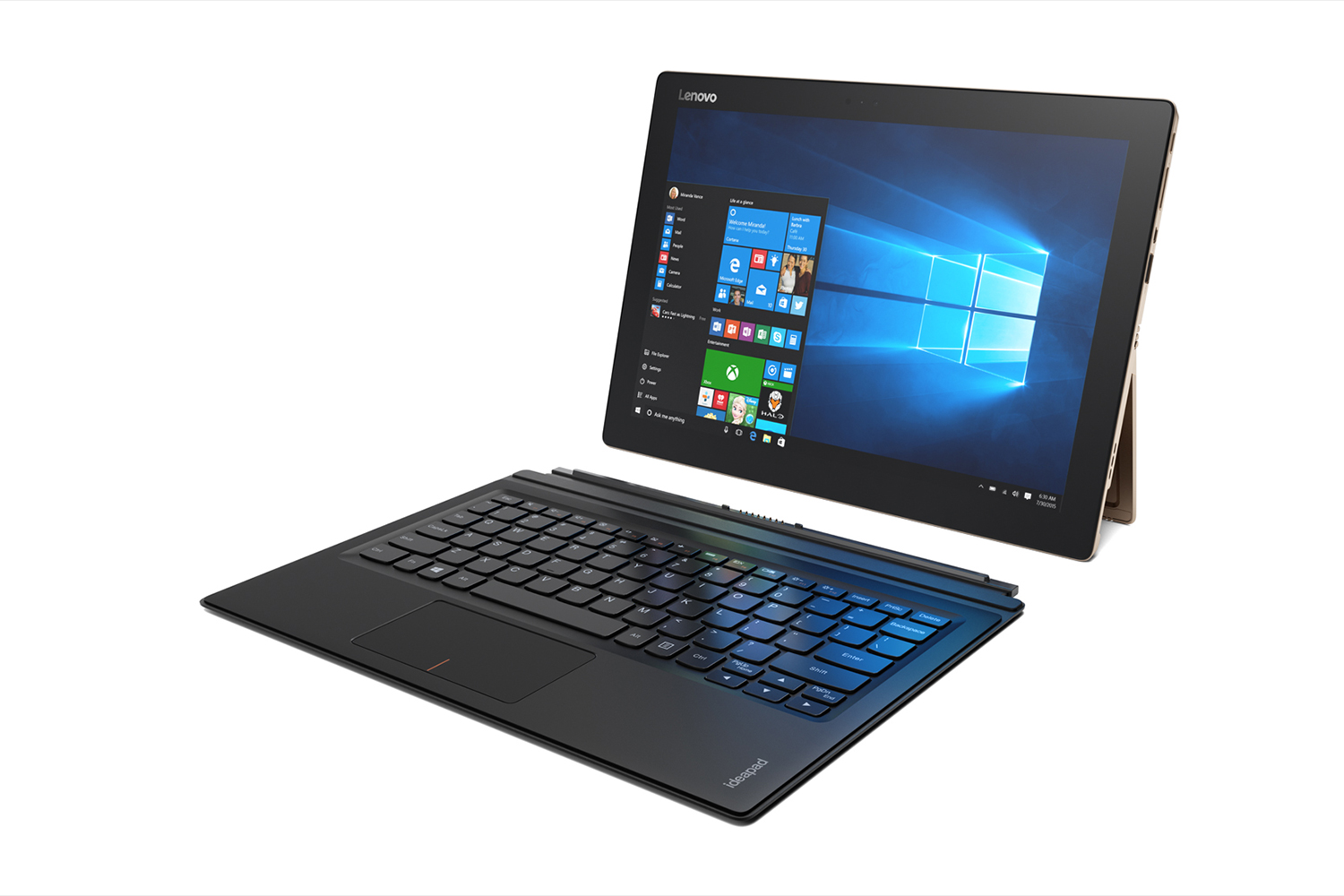
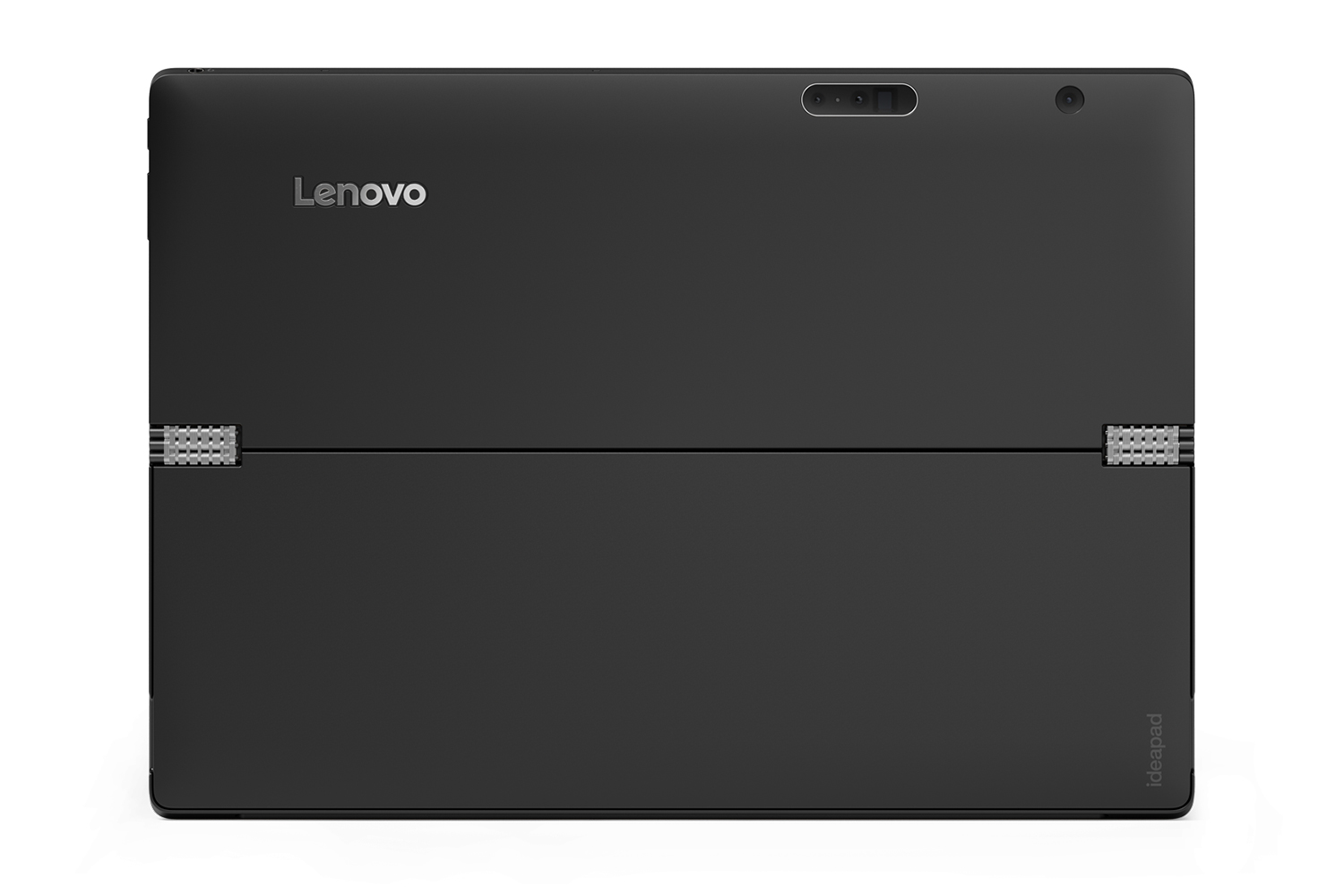
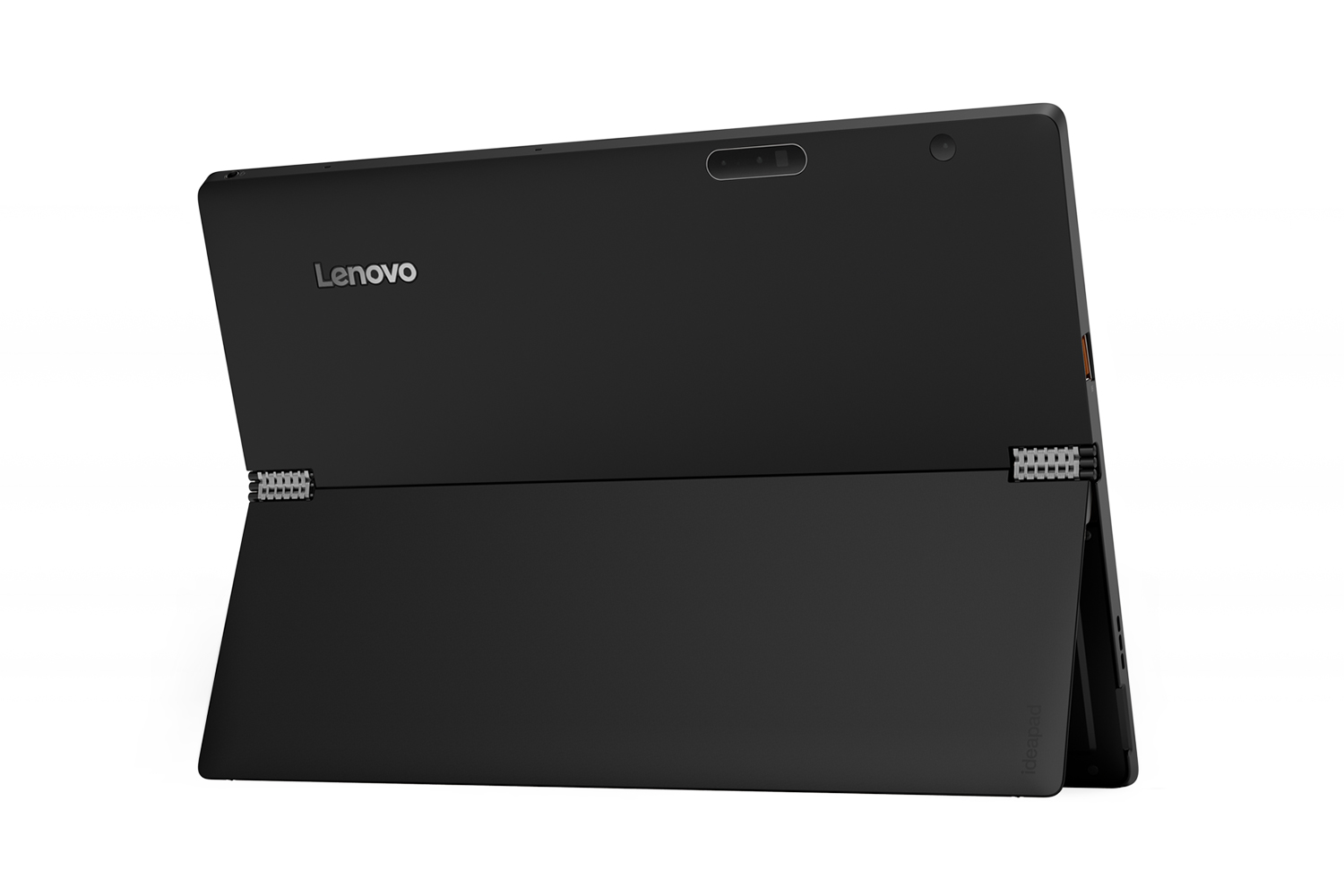
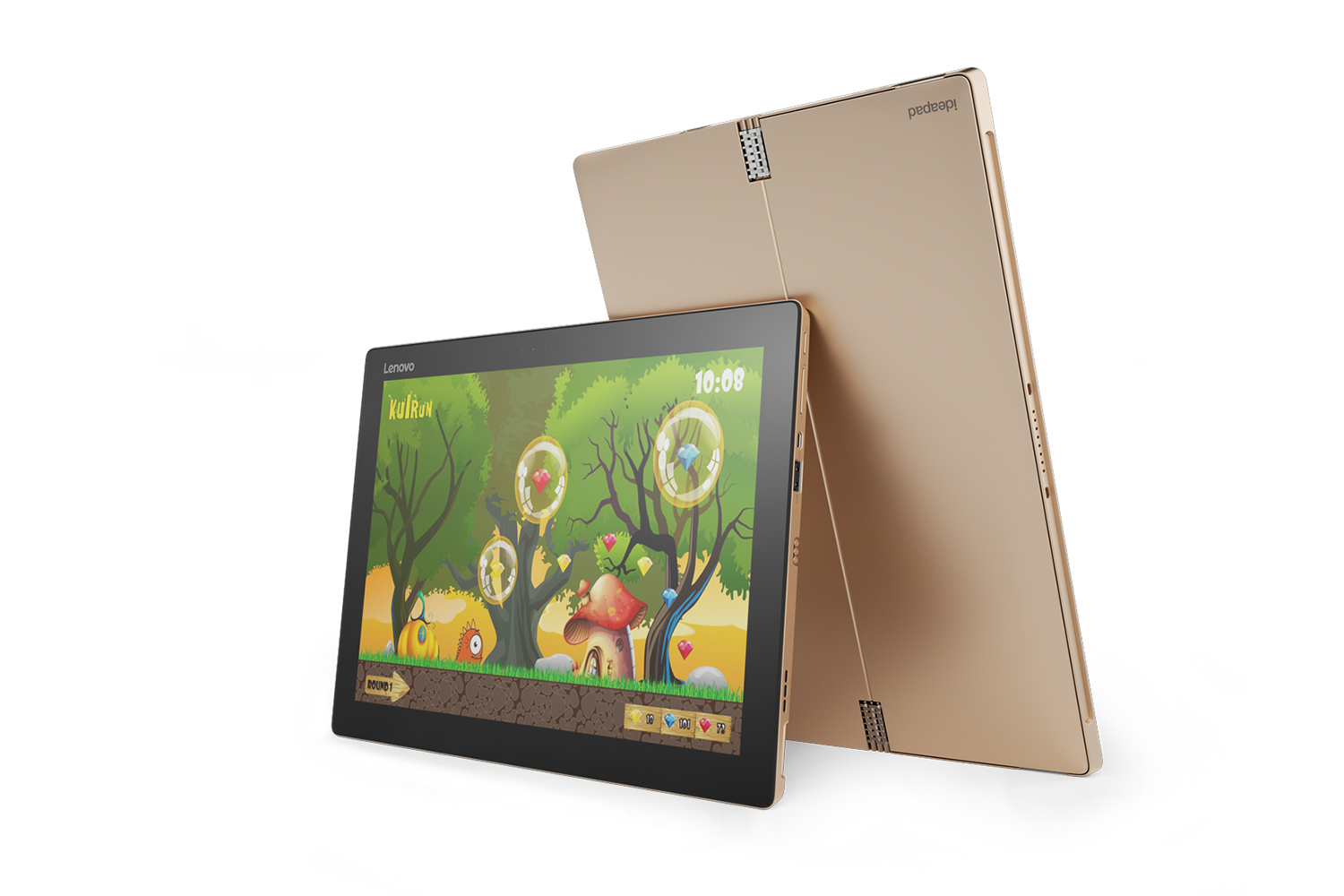
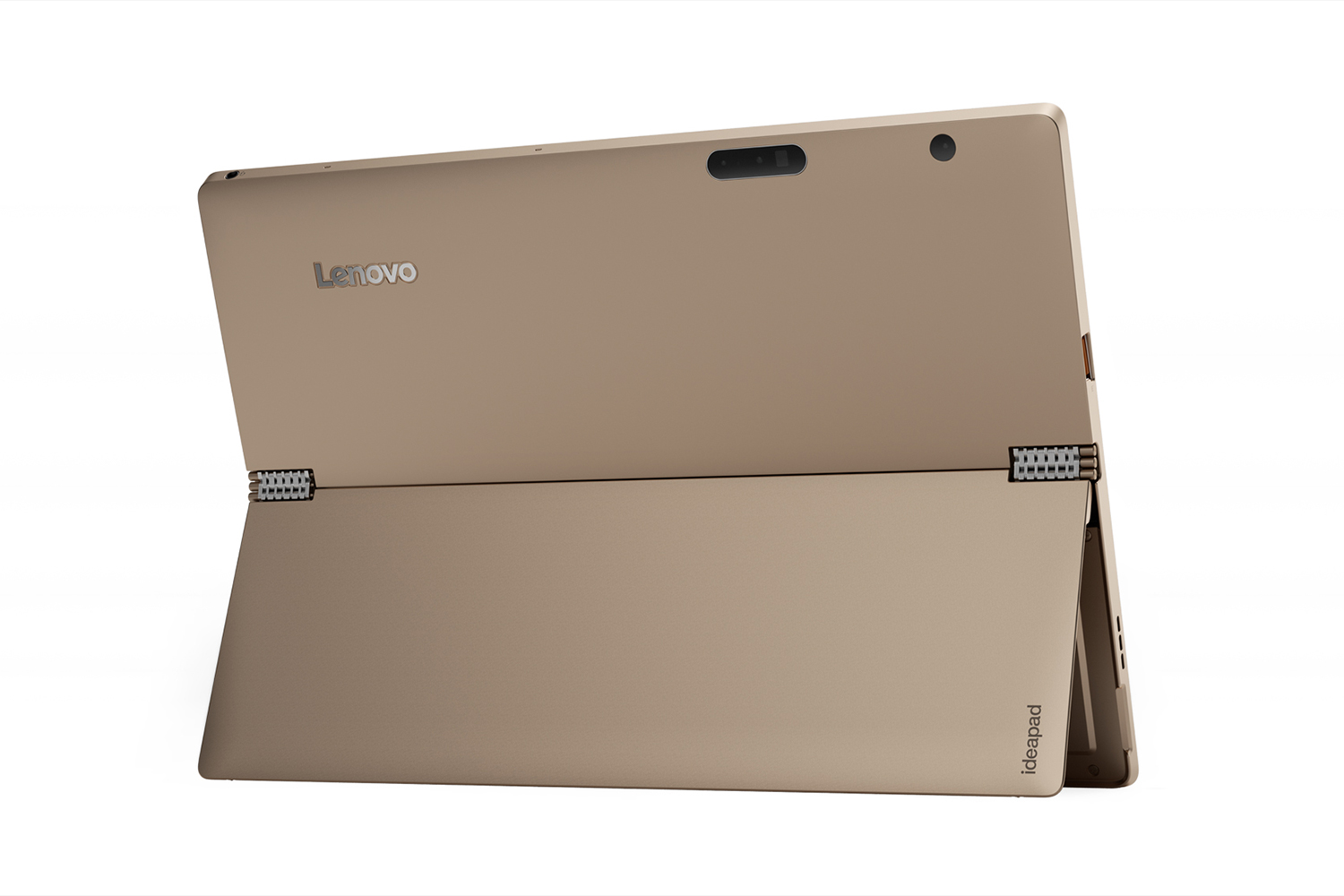
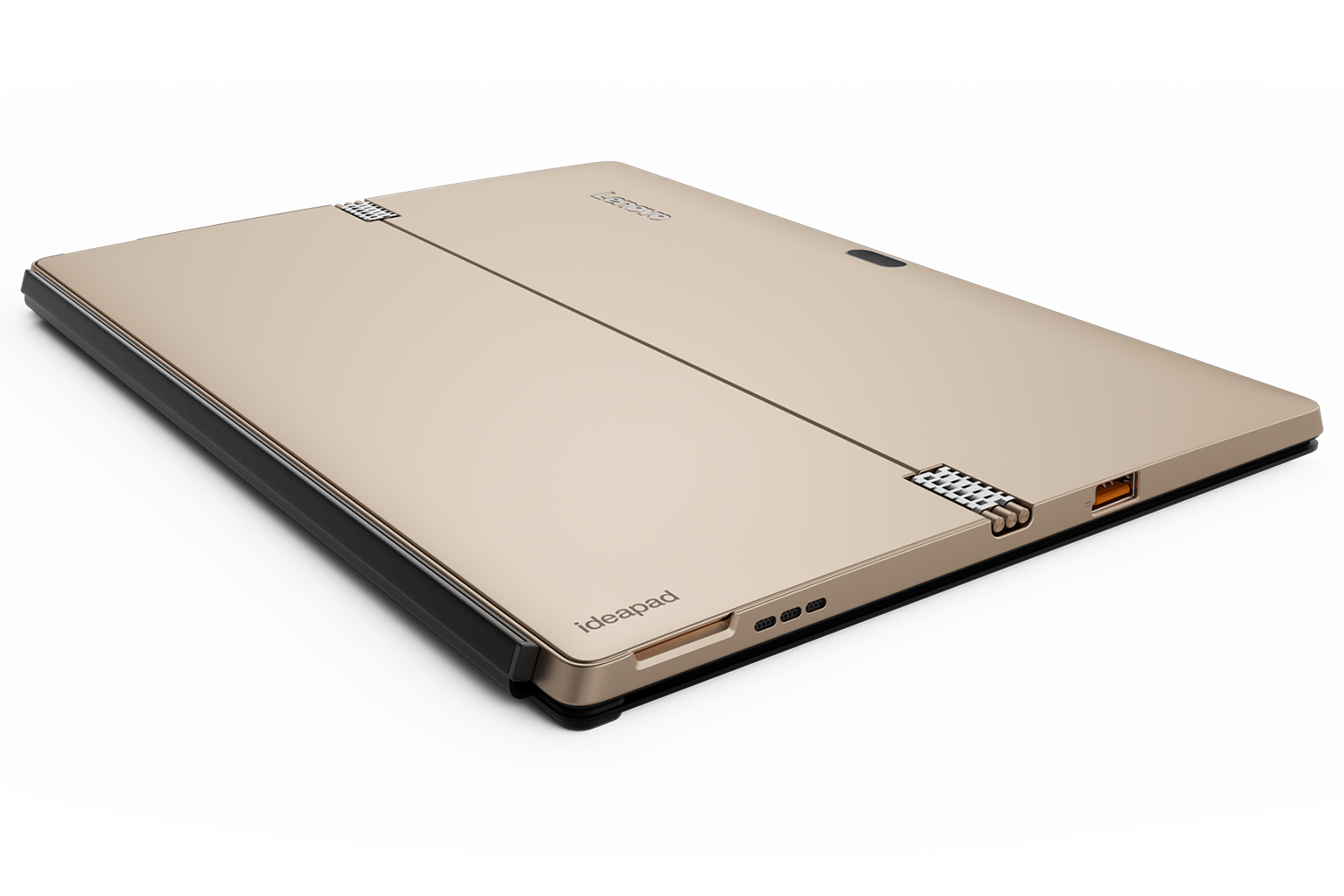
Do you like the Surface Pro 3, but wish it was a big larger? Good news! Lenovo has coped the Surface, enlarged it a bit, and pasted it under the name Miix 700. The system offers a detachable keyboard cover and an infinitely adjustable flip-out kickstand. Size isn’t the only difference between the Miix and the Surface, though. Lenovo’s alternative comes standard with the keyboard, and will sell in November for as little as $749.
Ideapad 100S, 300S, and 500S
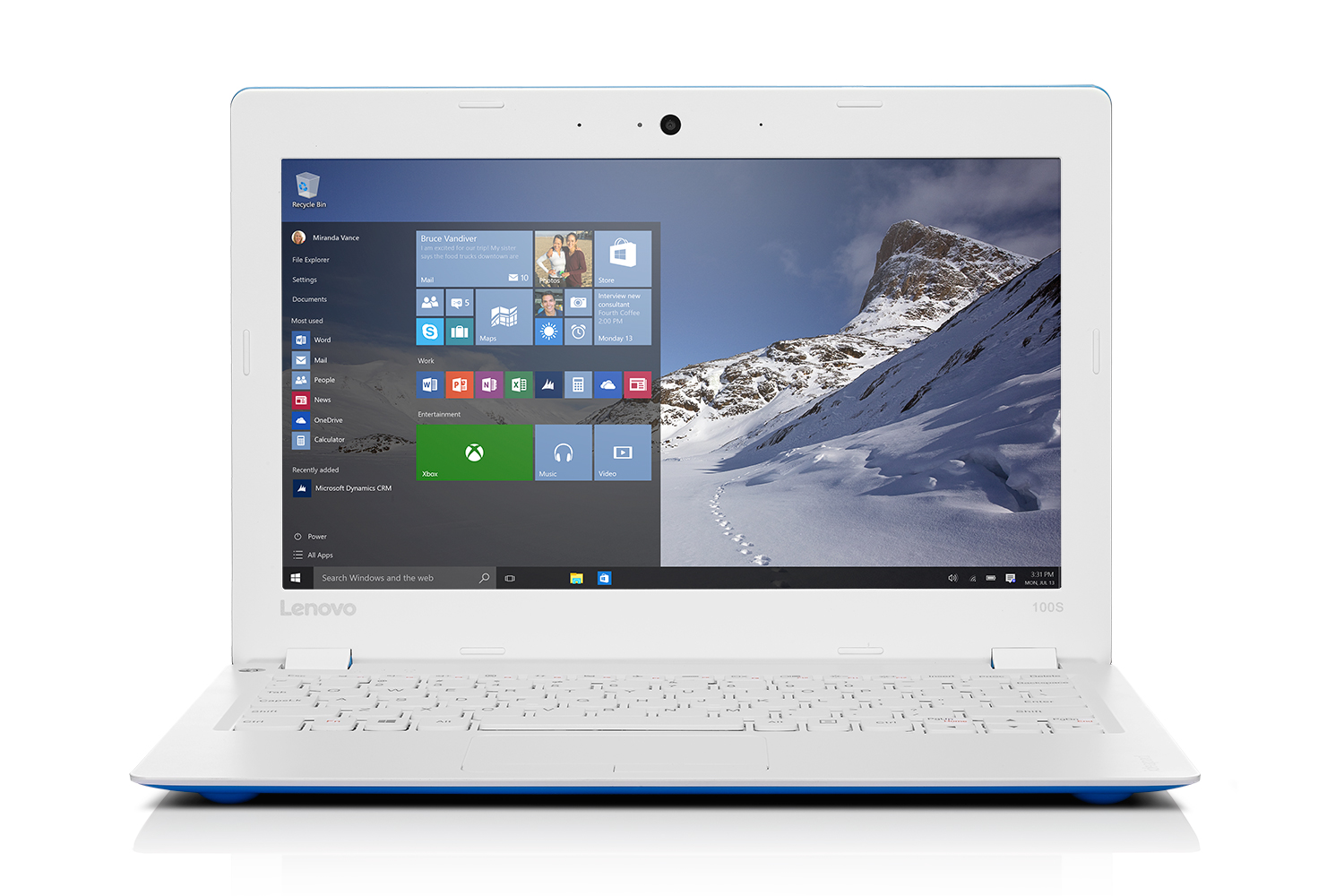
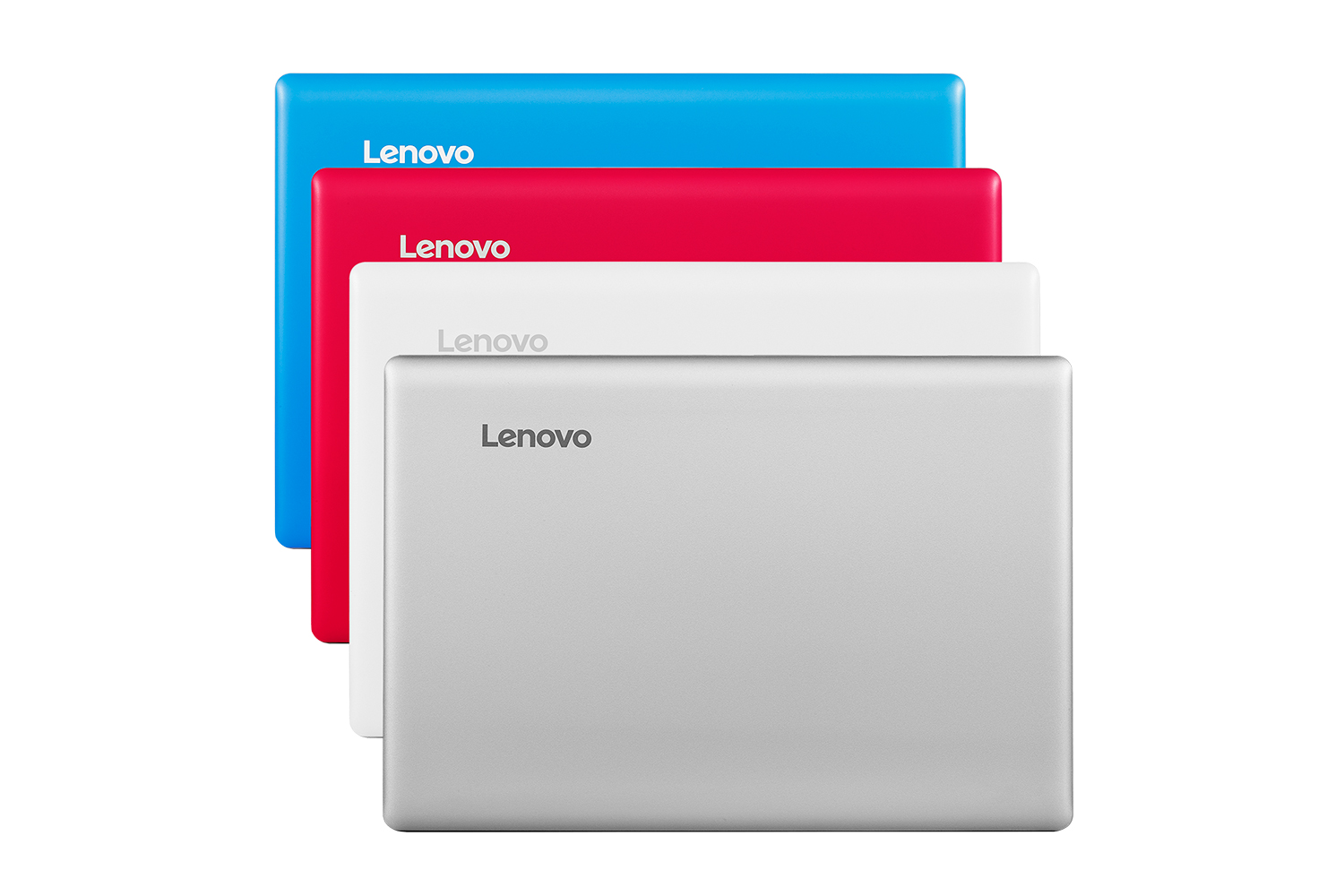
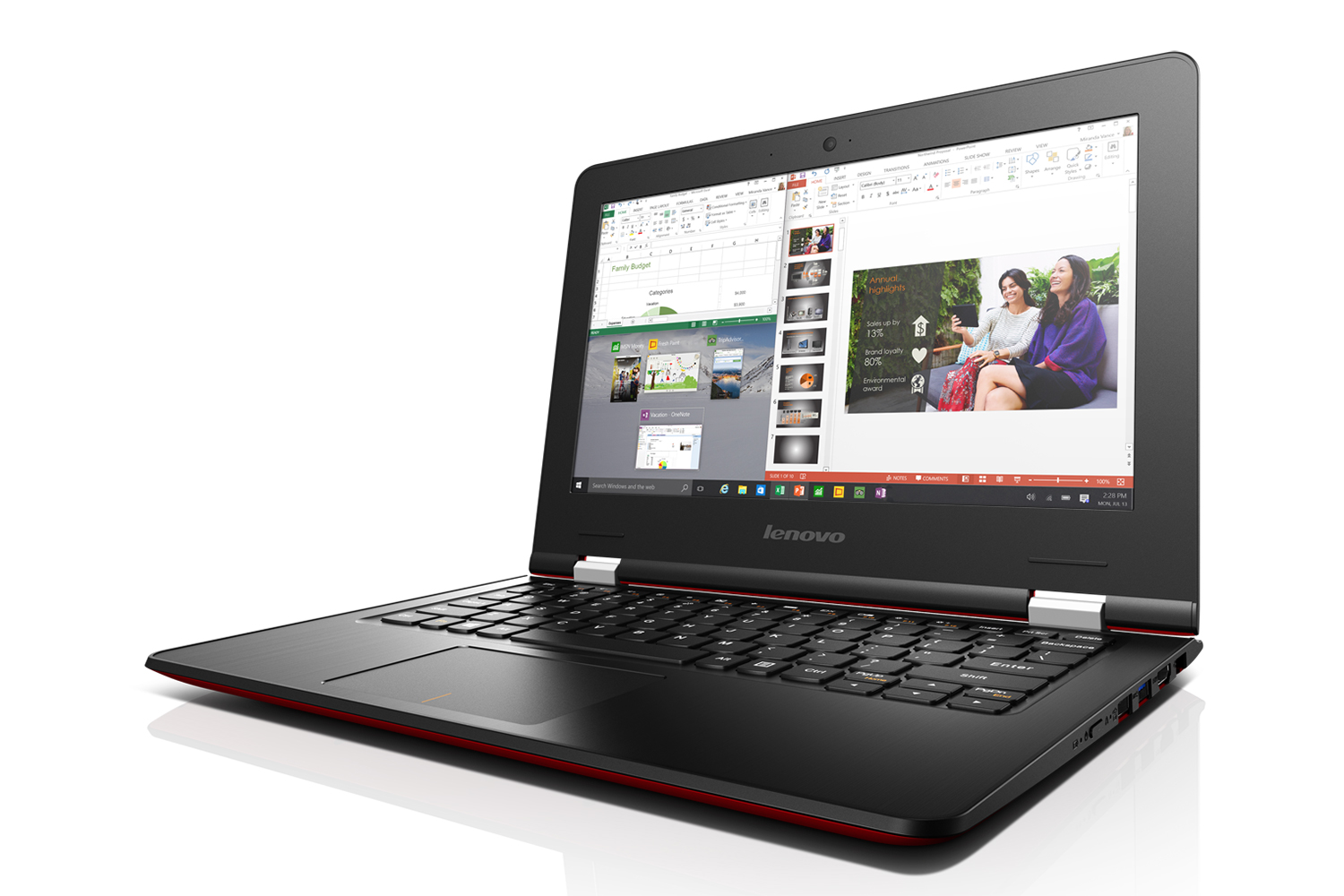
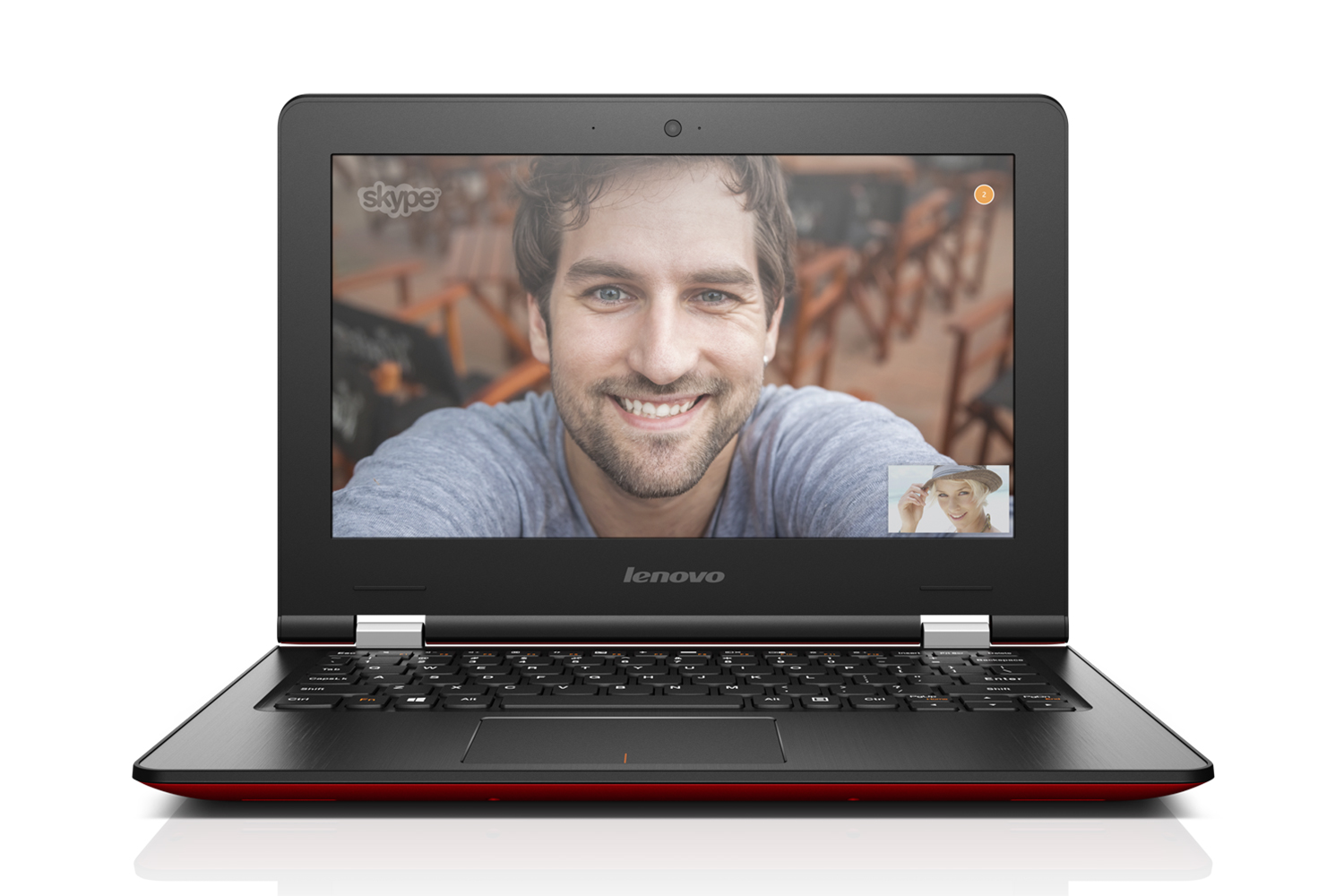
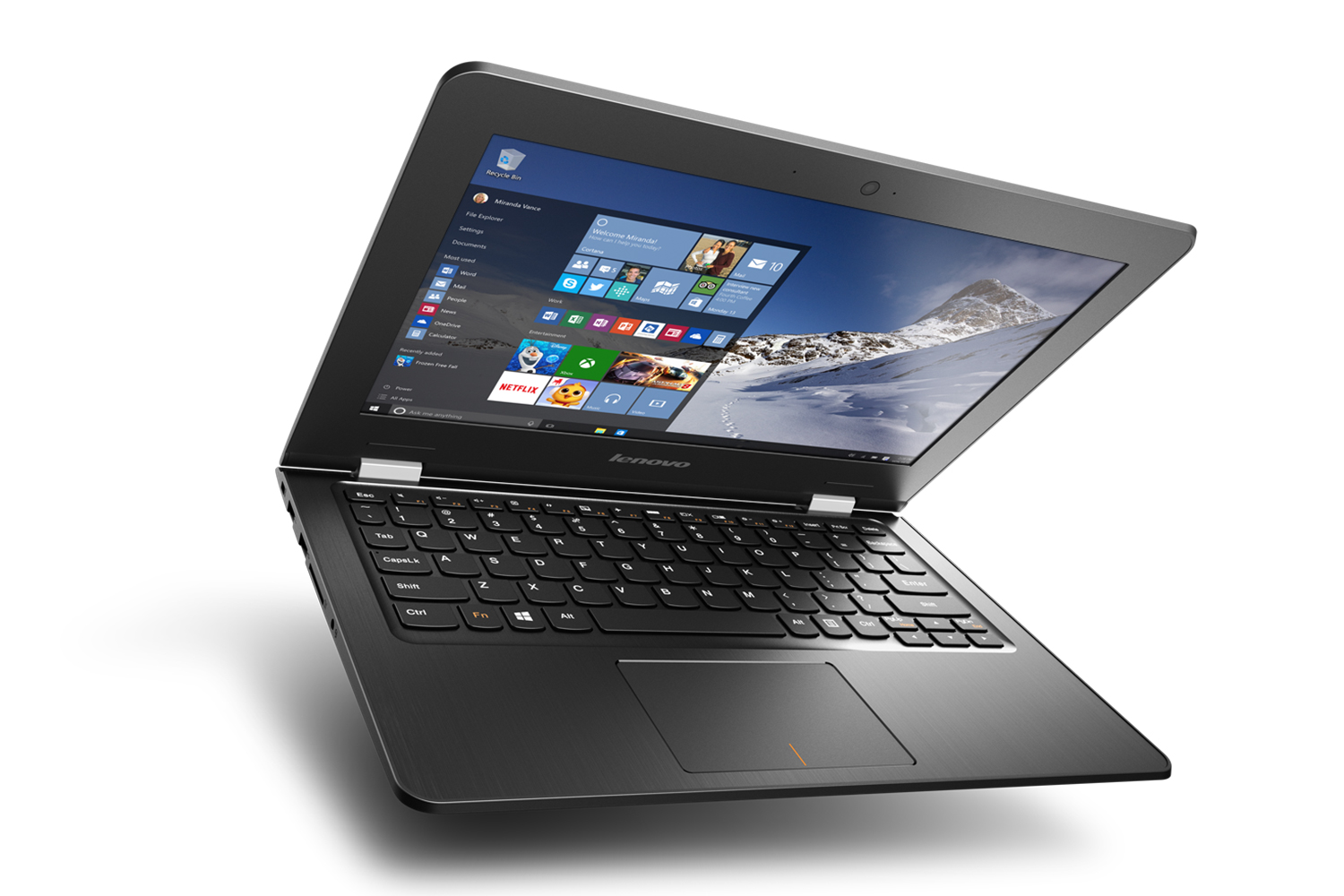
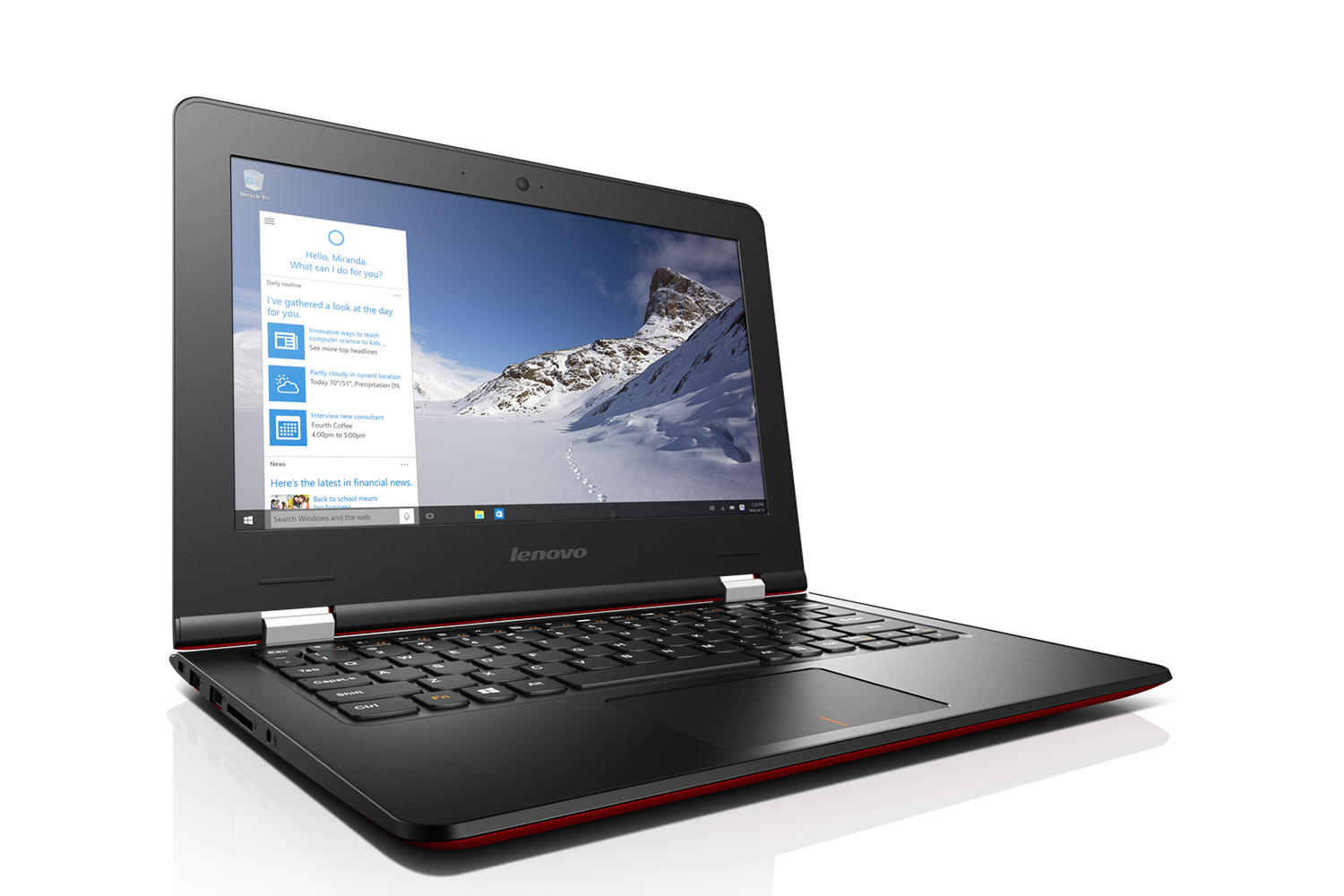
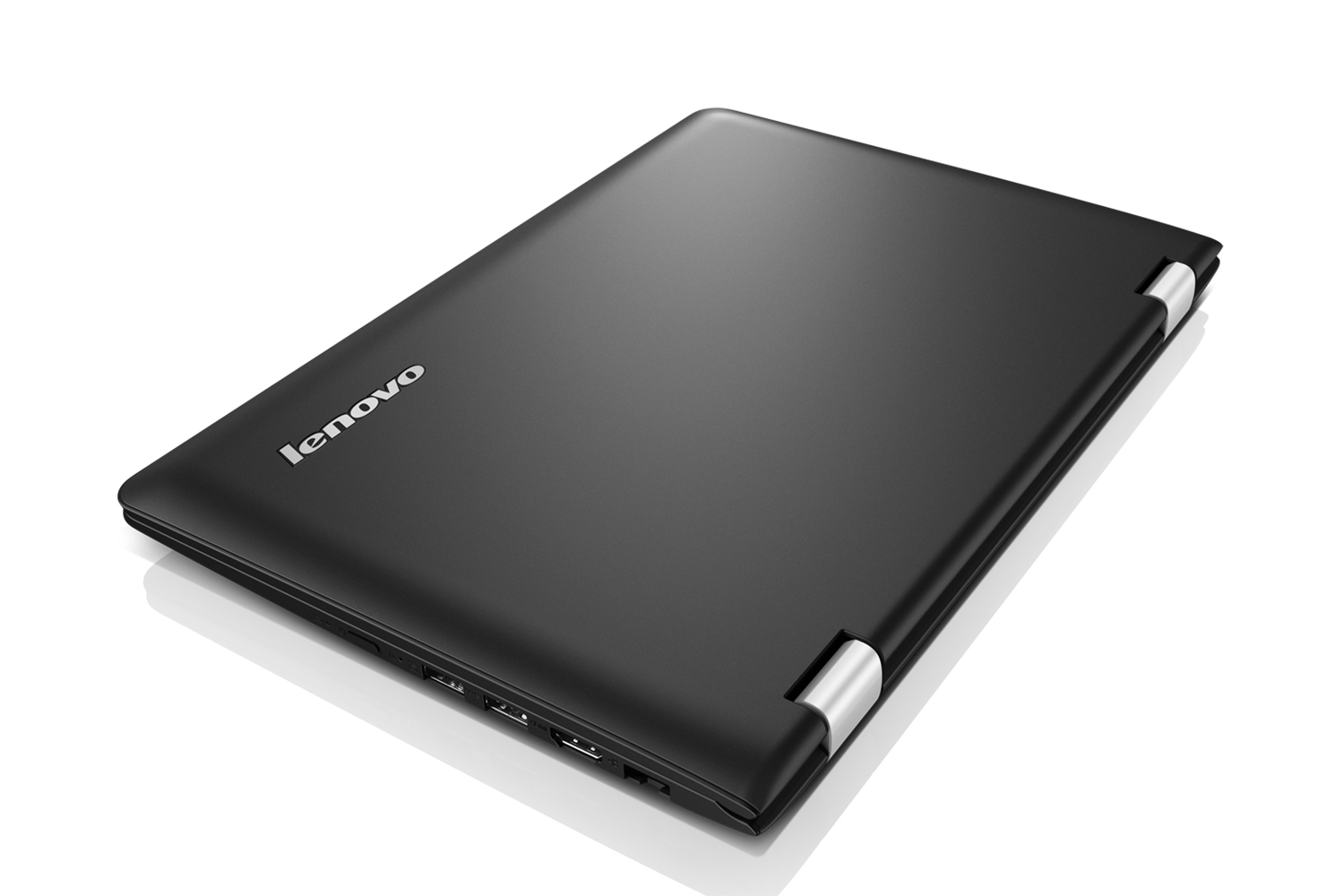
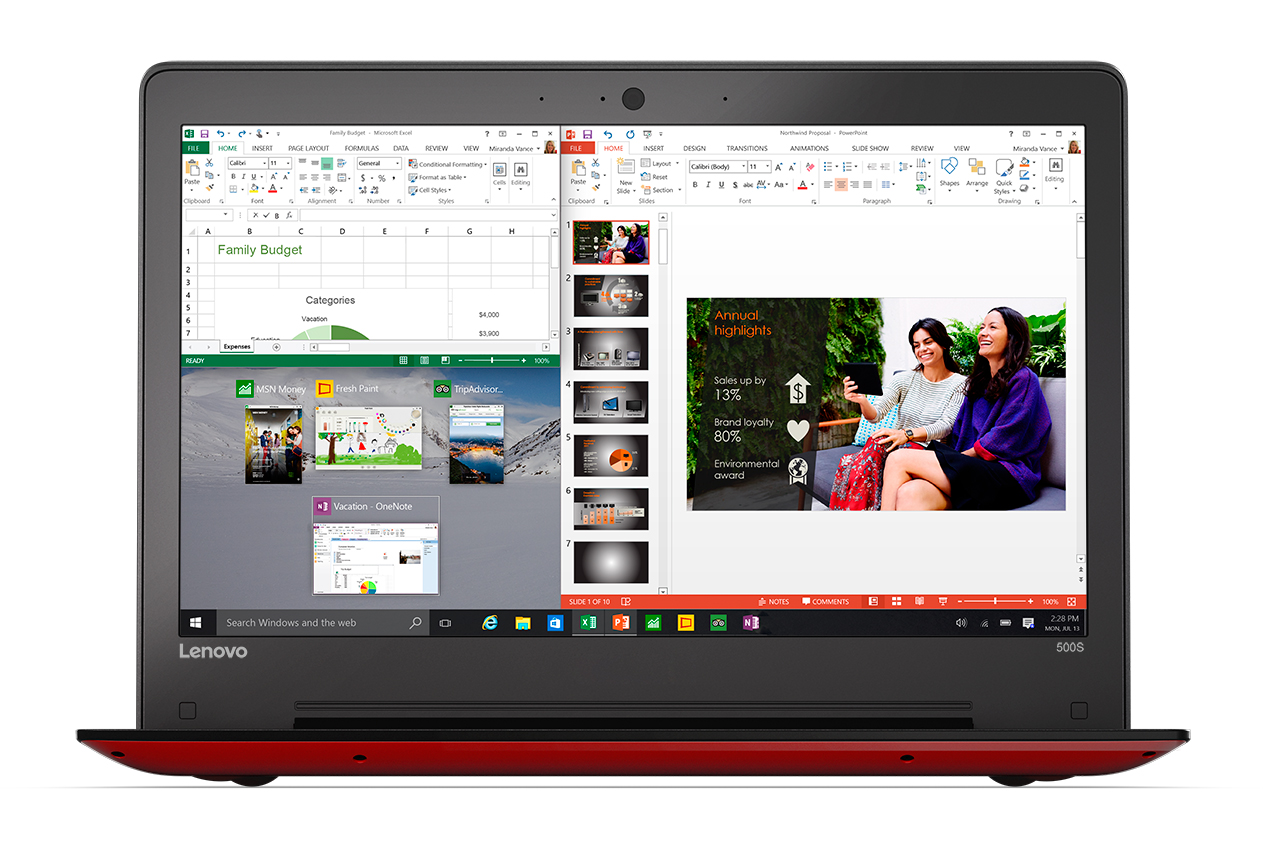

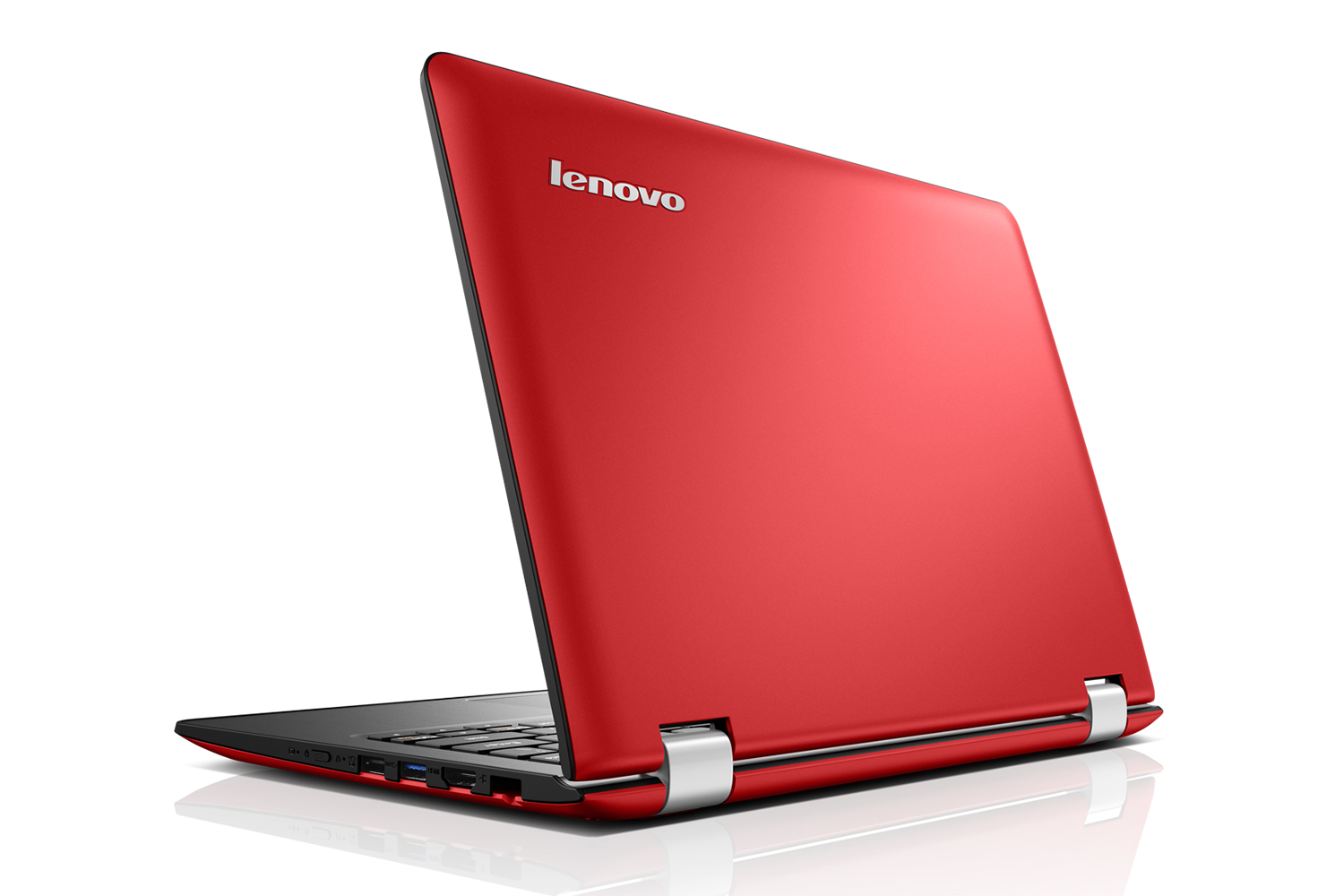
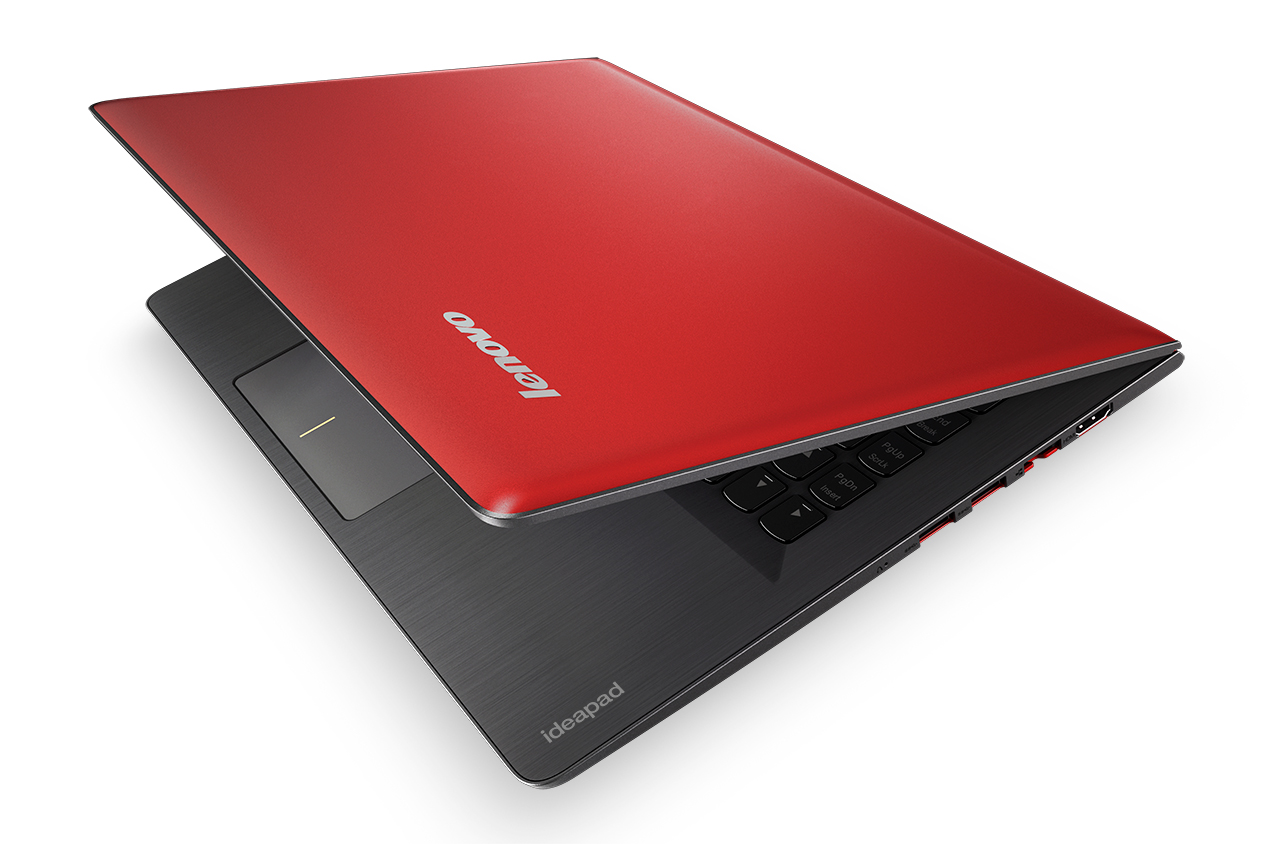
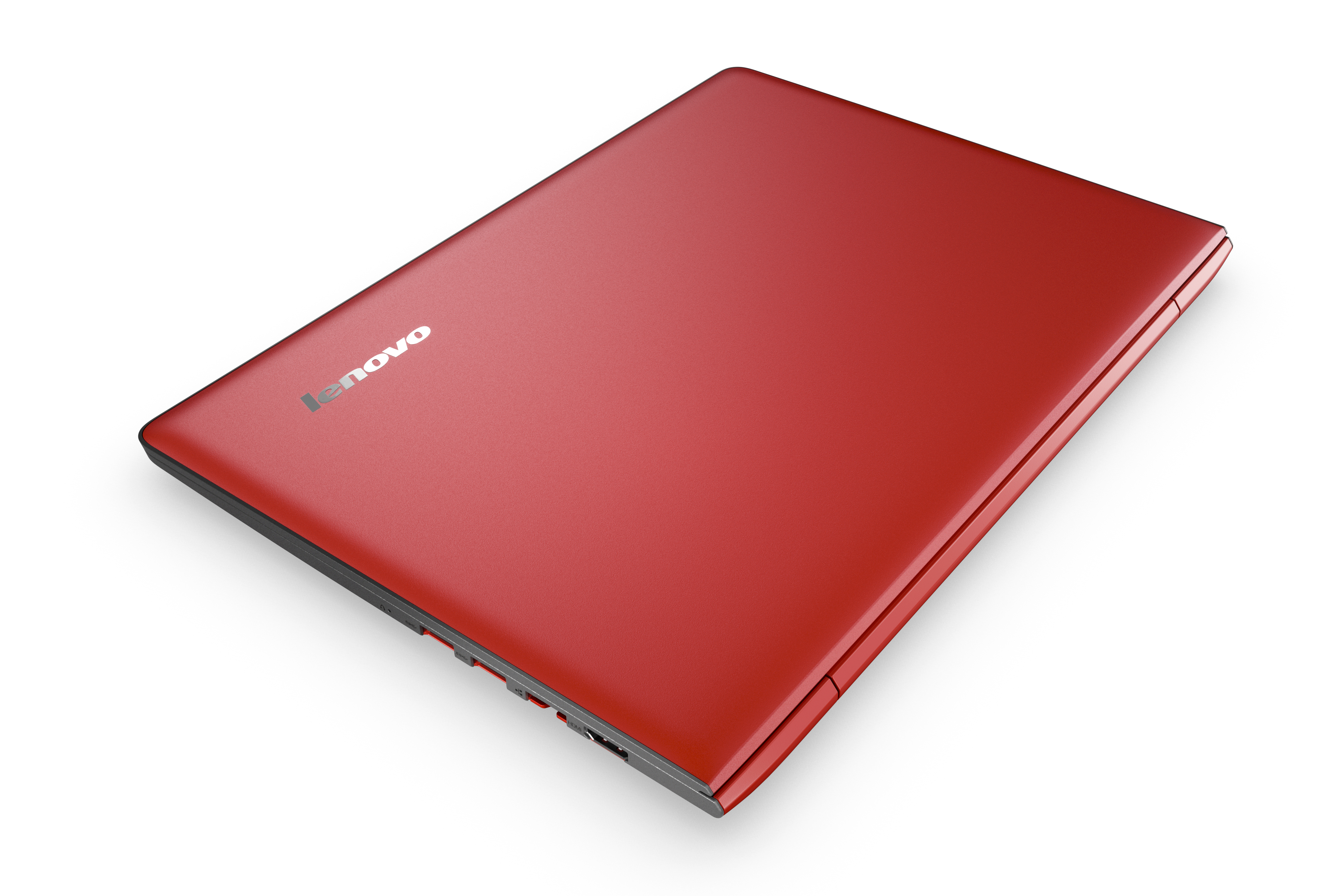
This family of systems is Lenovo’s new set of entry-level ultrabooks. Unlike most systems, the names don’t reflect screen size; each comes in offers several display size options. Instead, the name represents trim level, with 100S the most basic and 500S the most powerful. Starting prices range from $189 for the S100 to $499 for the S500, and all three will arrive in October.
Chromebook 100S
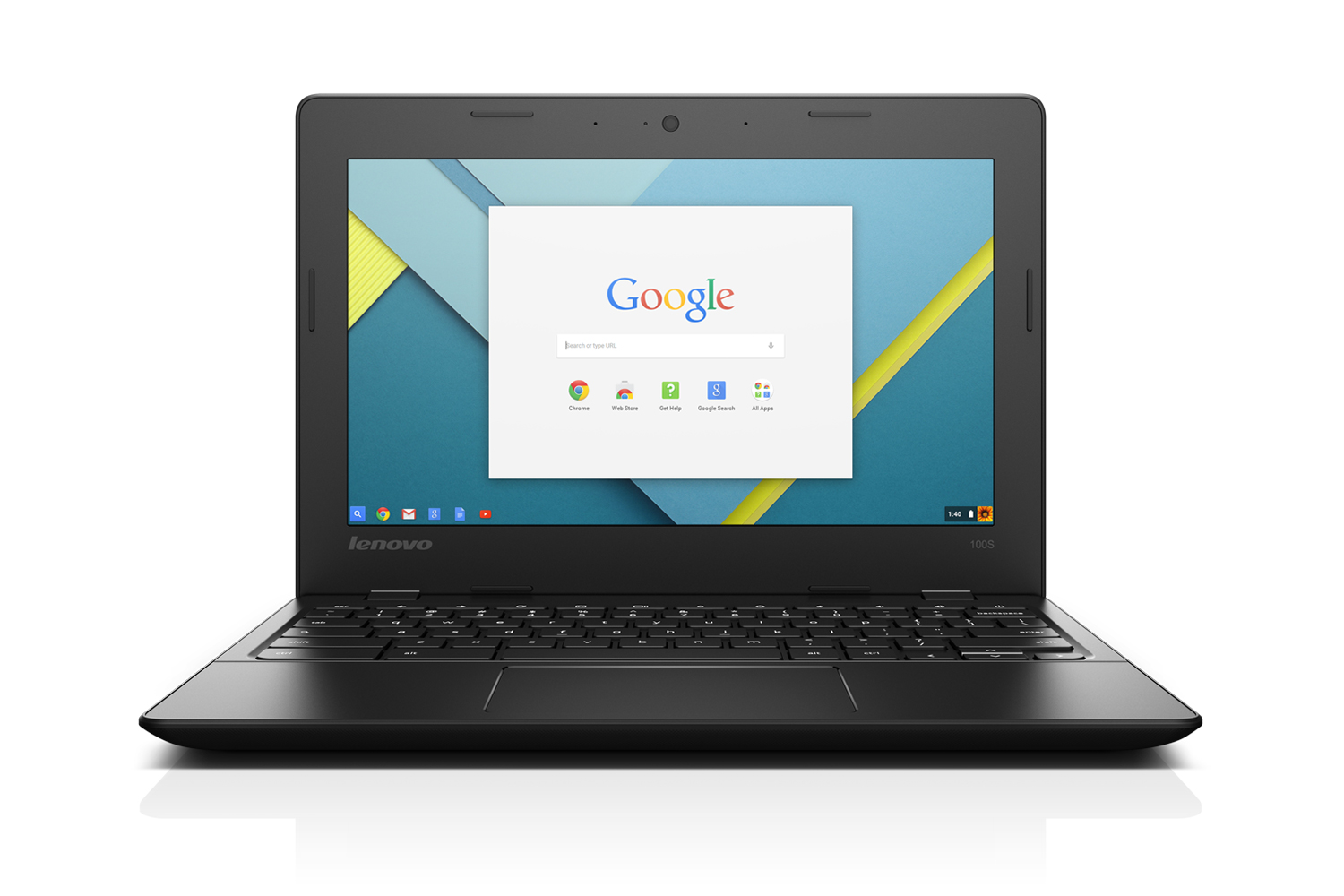

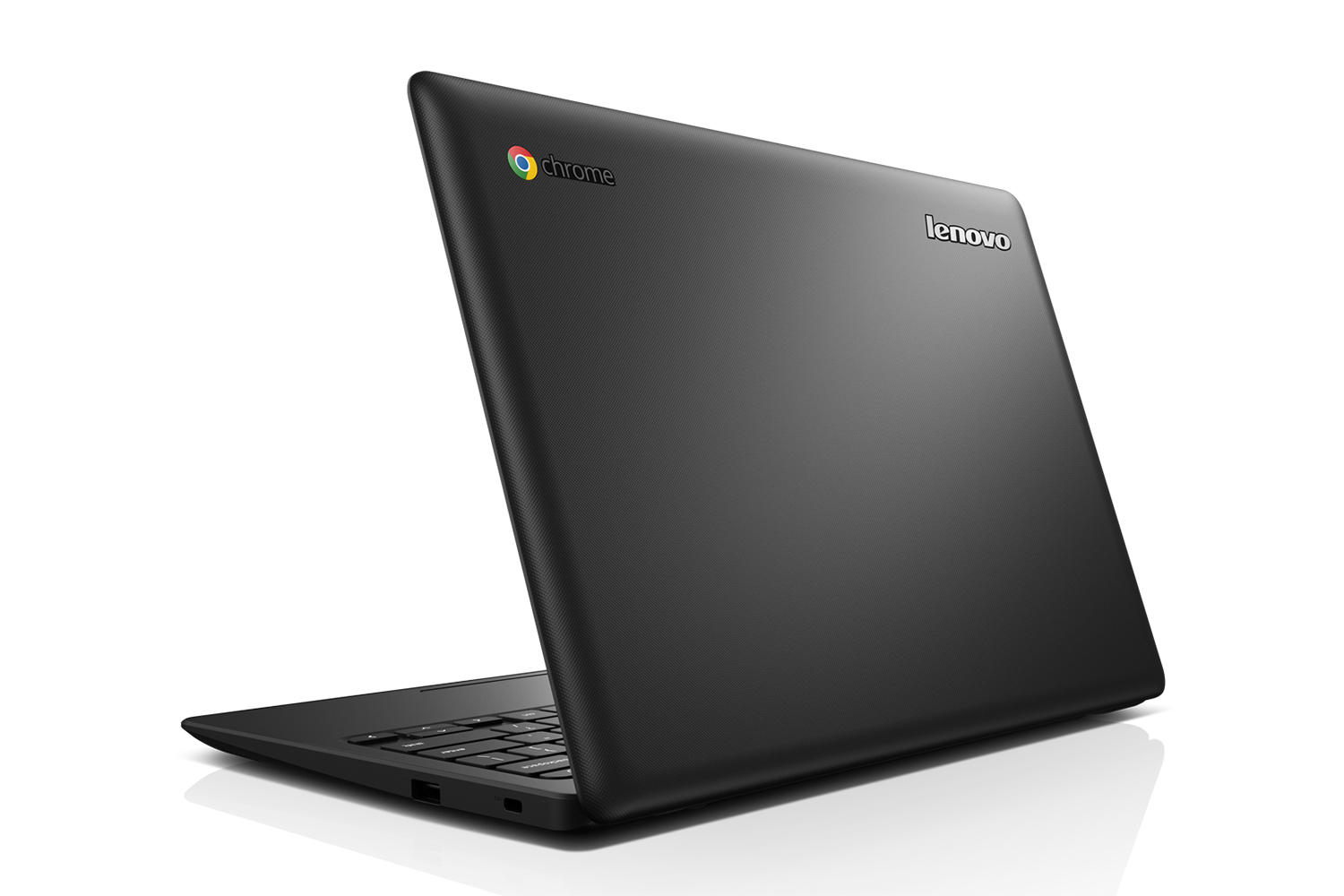
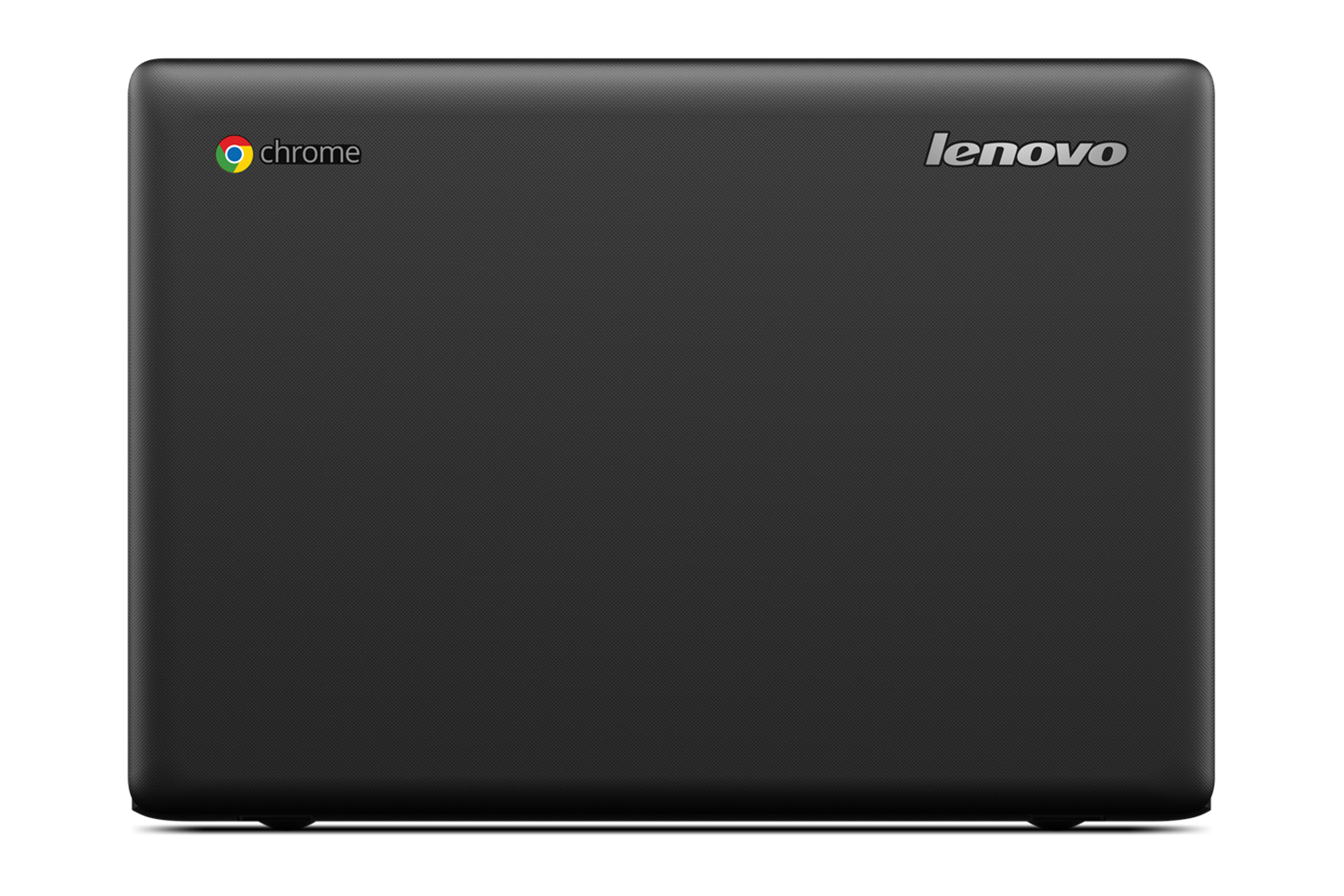
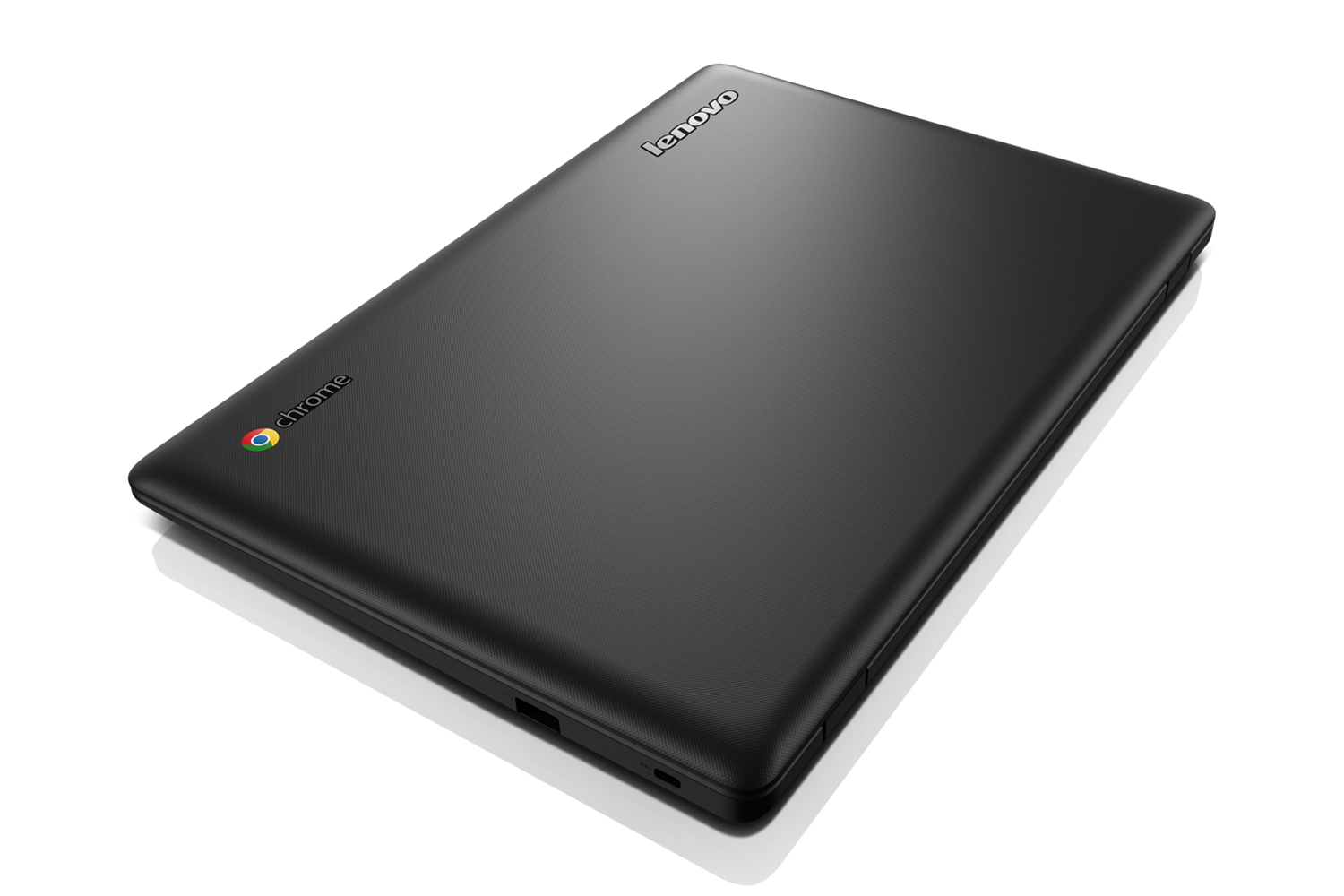
The name really says it all. The Chromebook 100S is essentially identical to the 100S, but runs Chrome OS instead. Surprisingly, going with Google’s free OS doesn’t save much scratch, as the system will retail in October at $179.
Toshiba
Satellite Radius 12
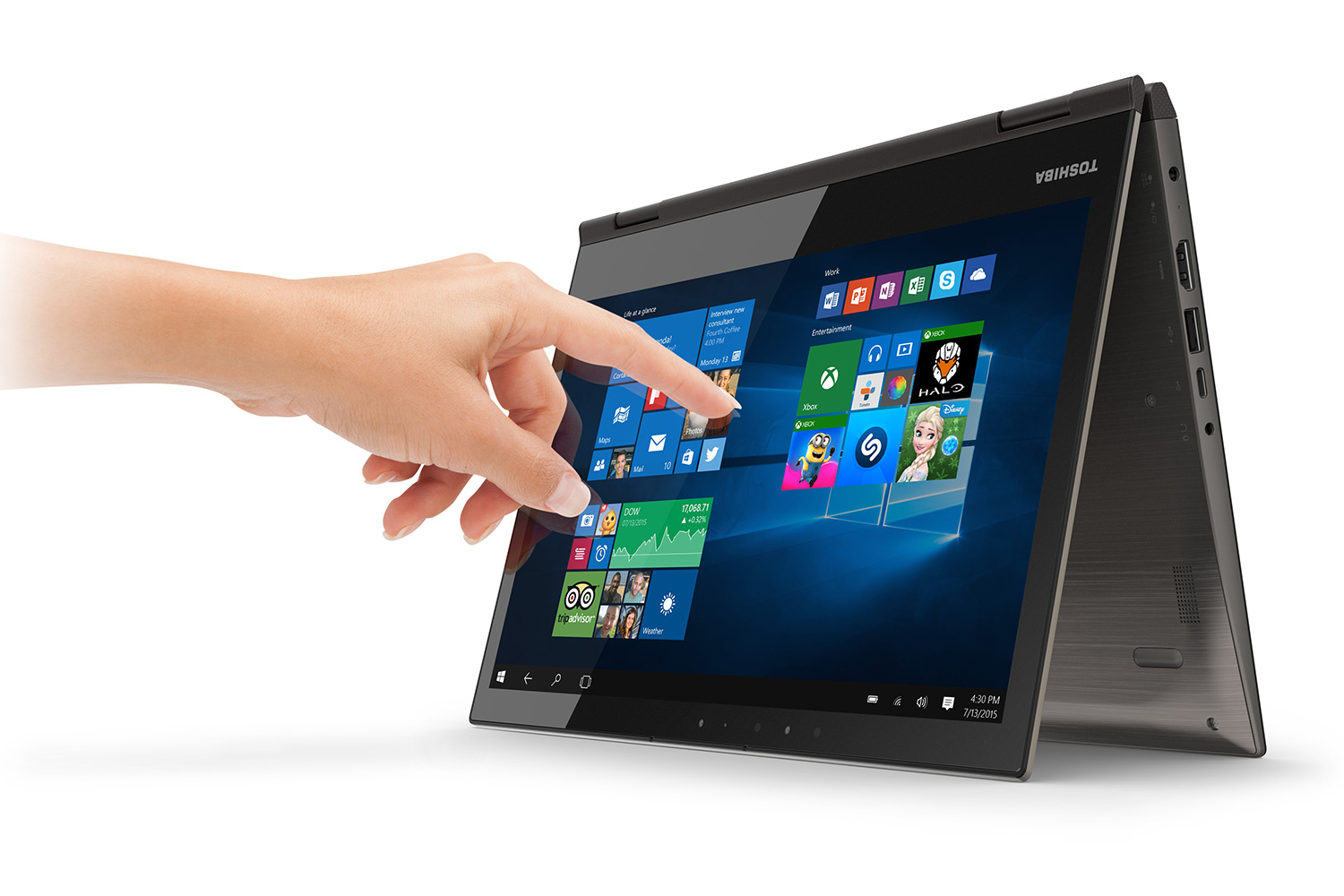
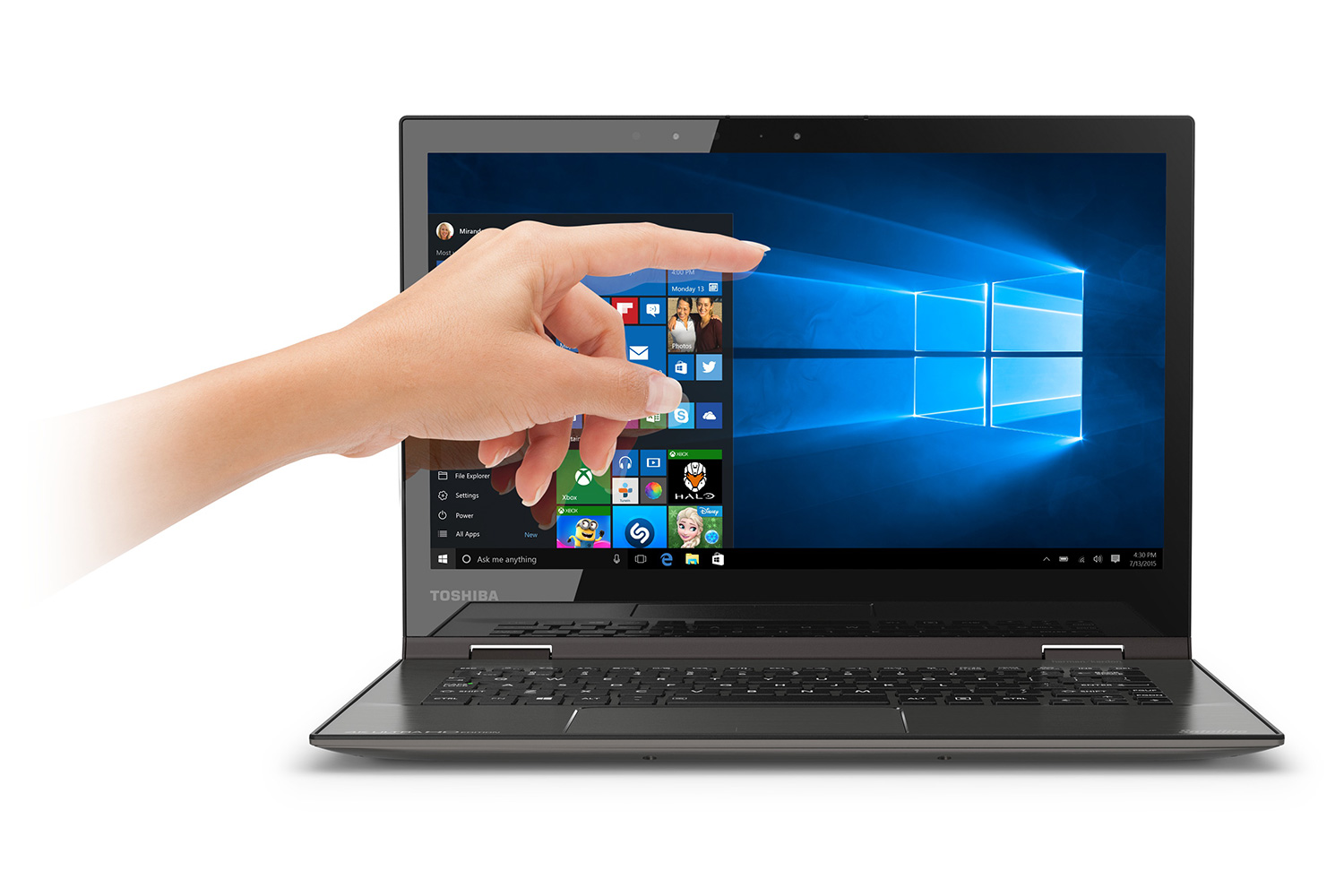
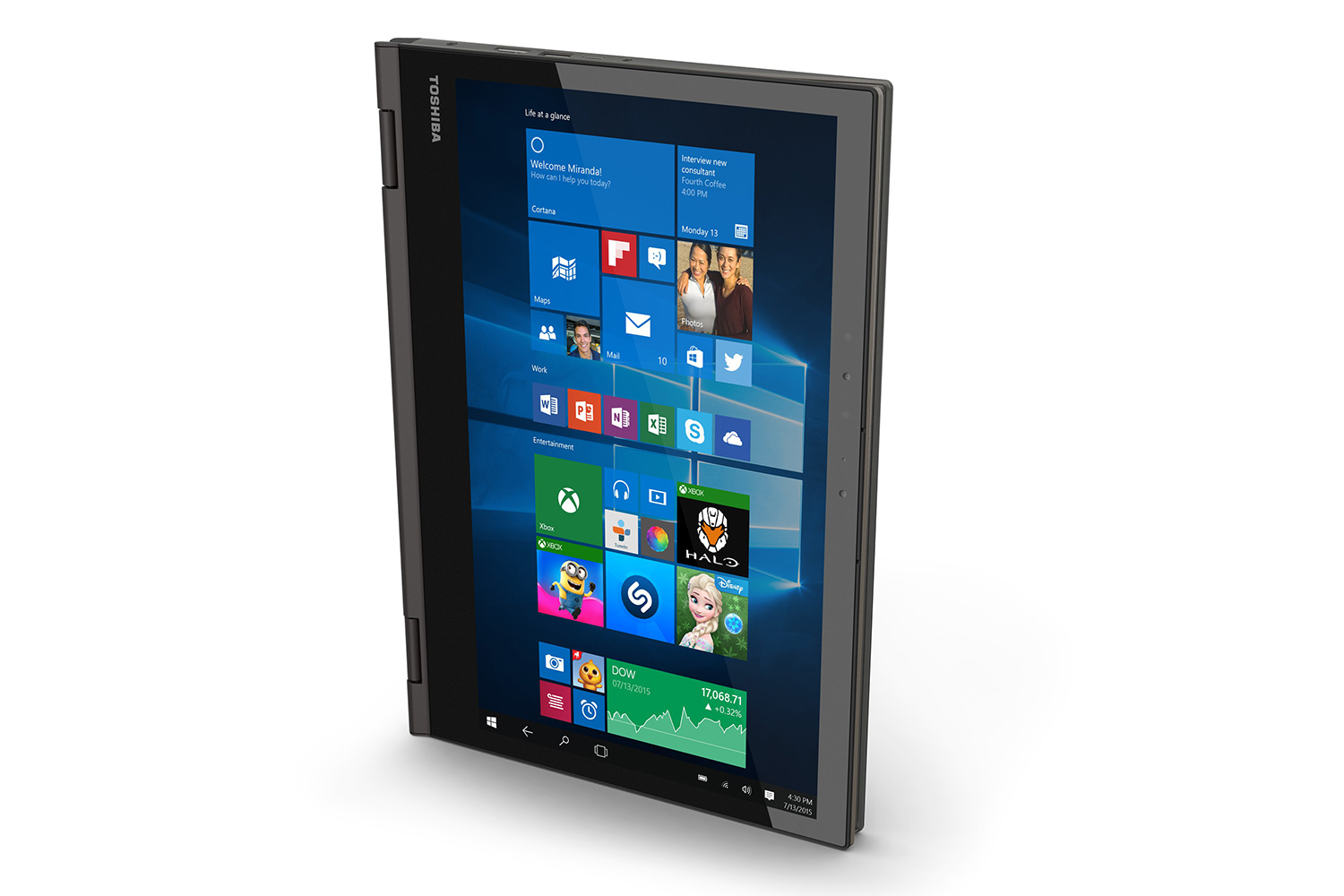
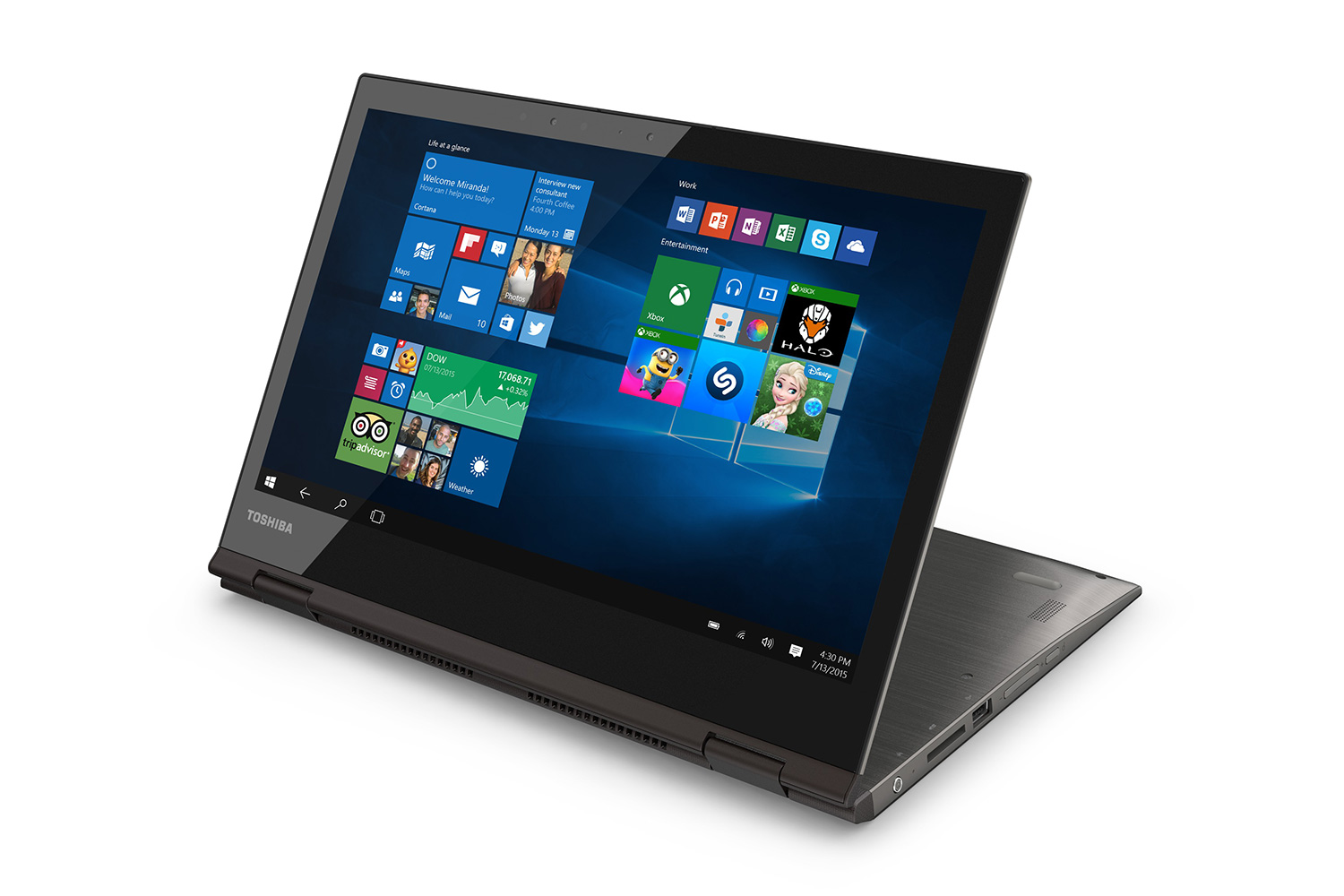
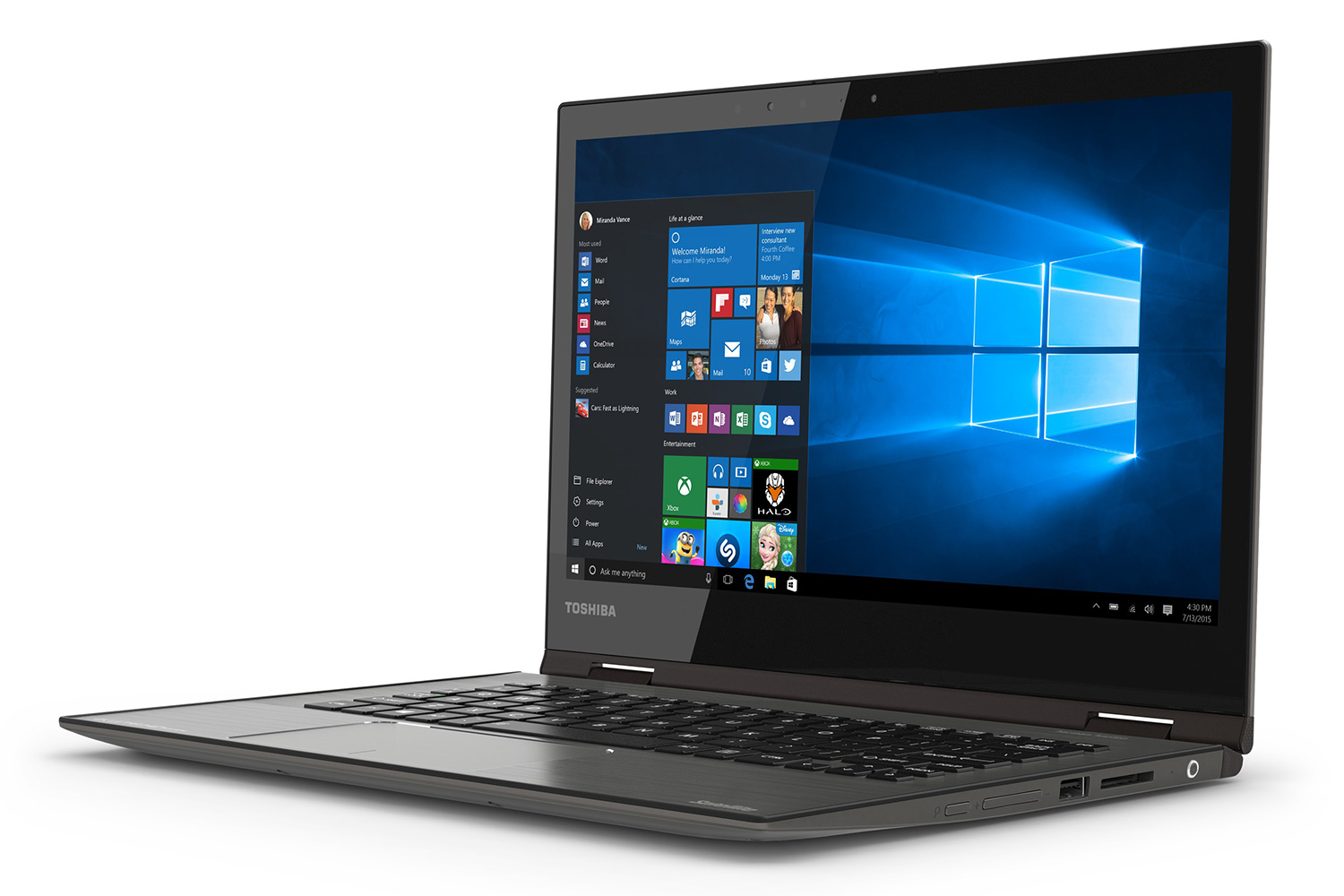
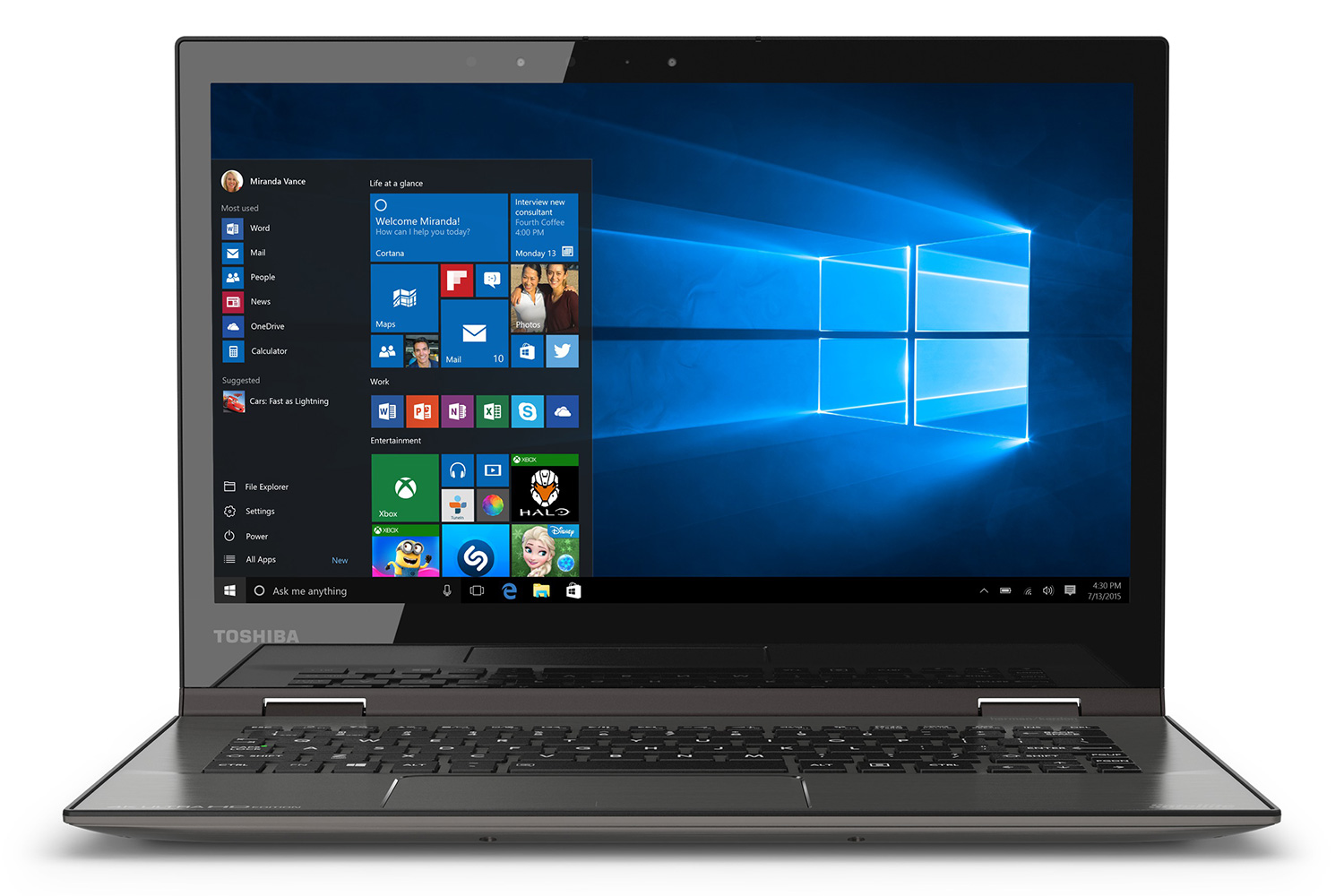
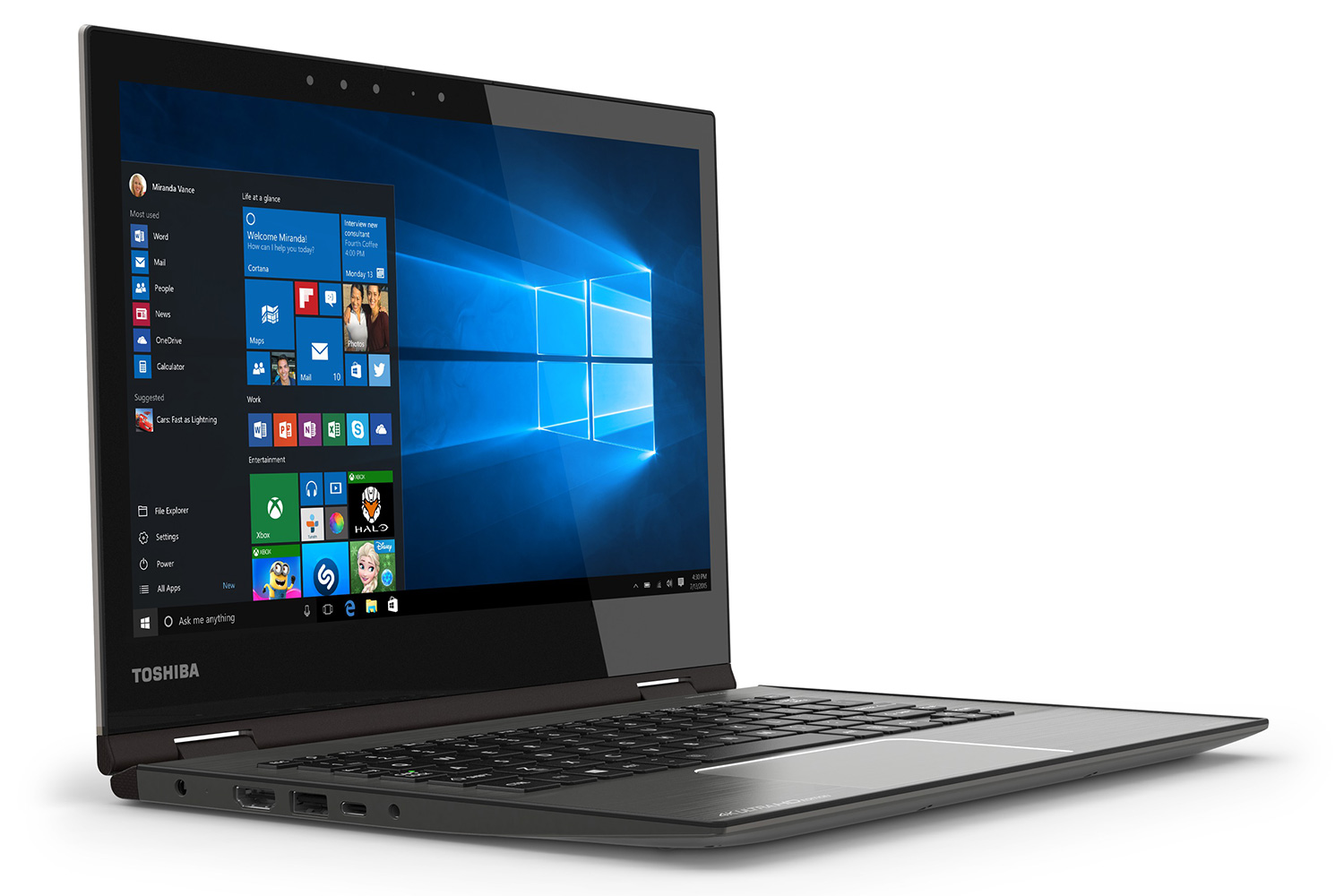

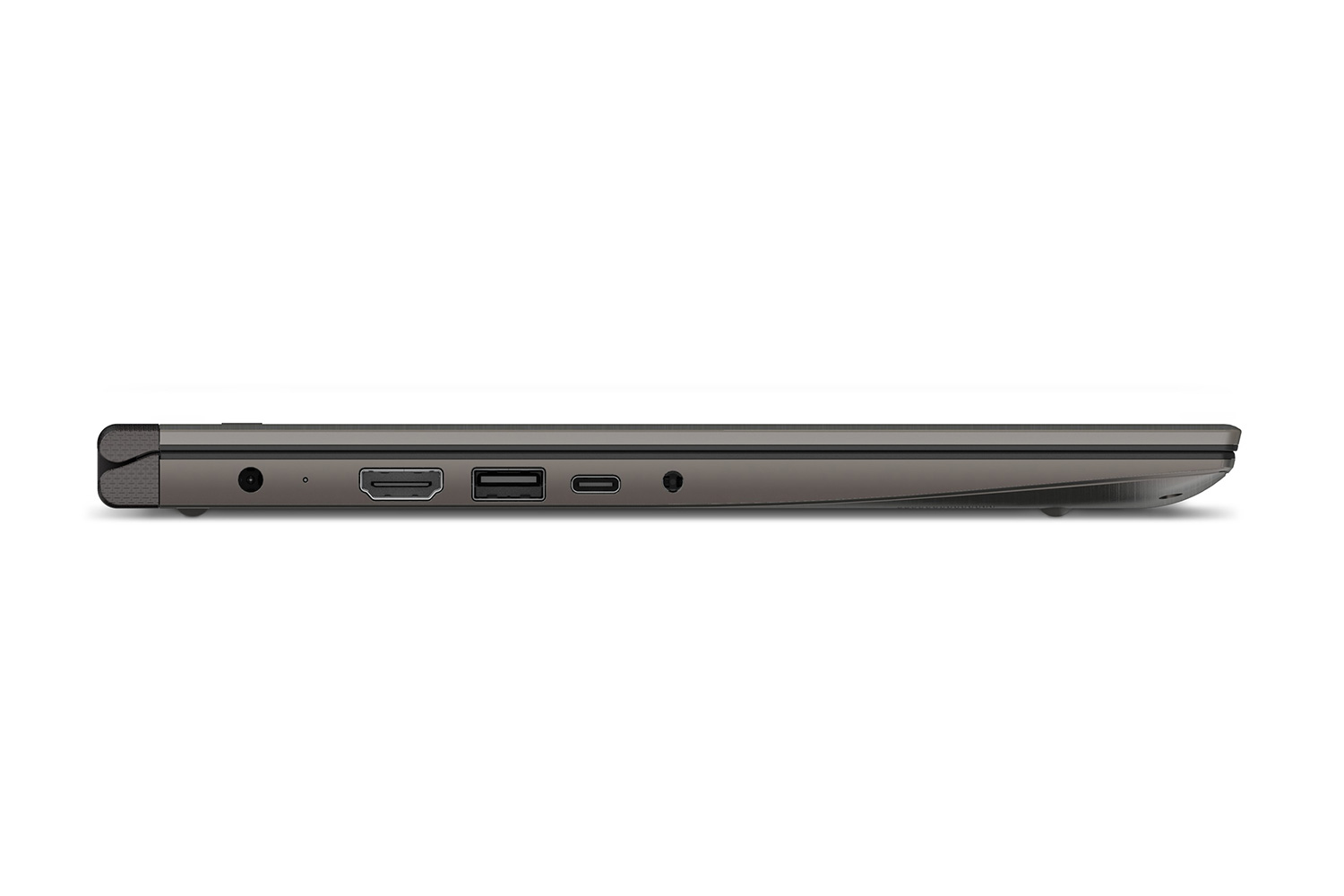

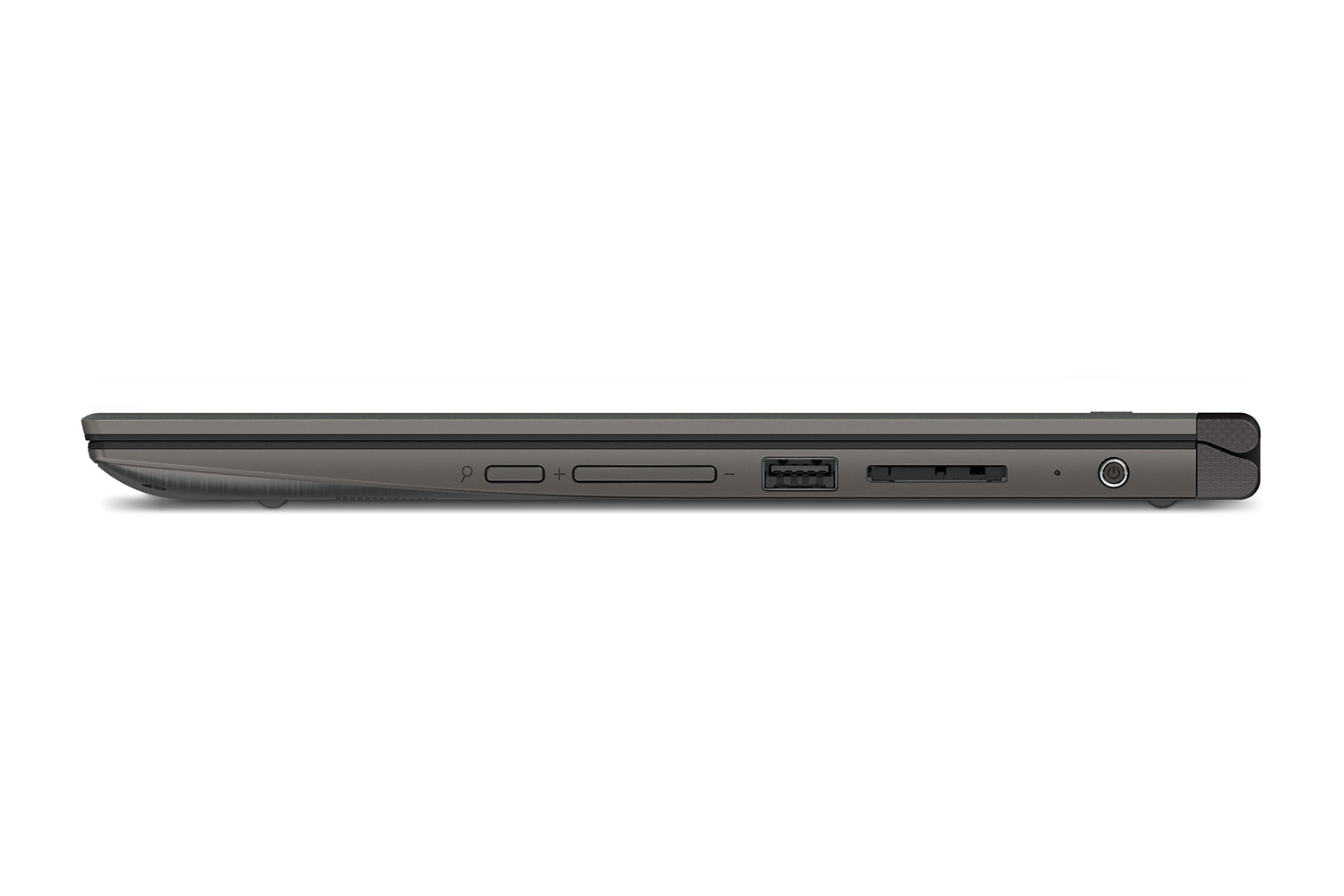
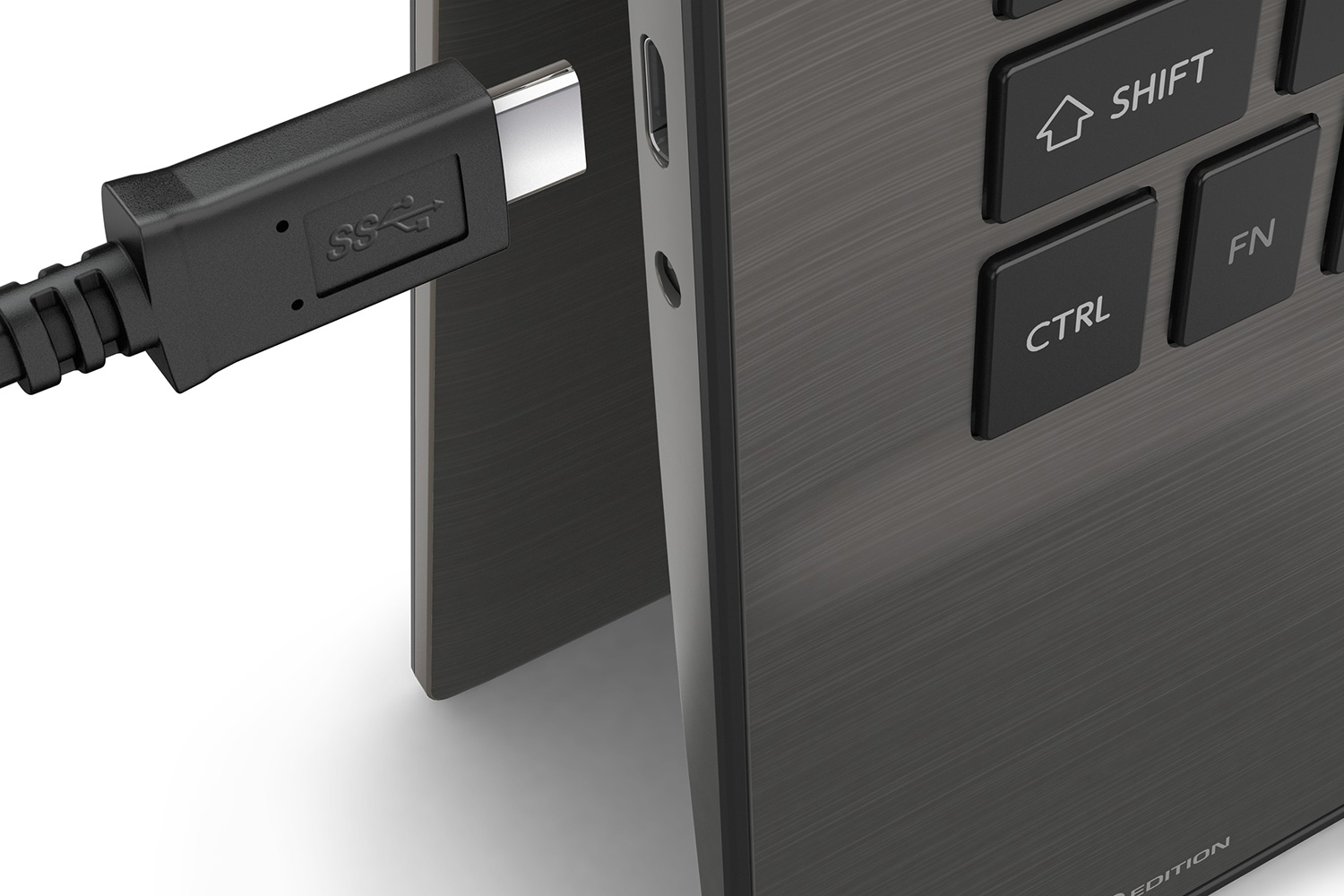
Toshiba is no stranger to the weird world of convertibles, but the Radius 12 is undoubtedly its most serious attempt yet. The main reason is the optional
Dynabook
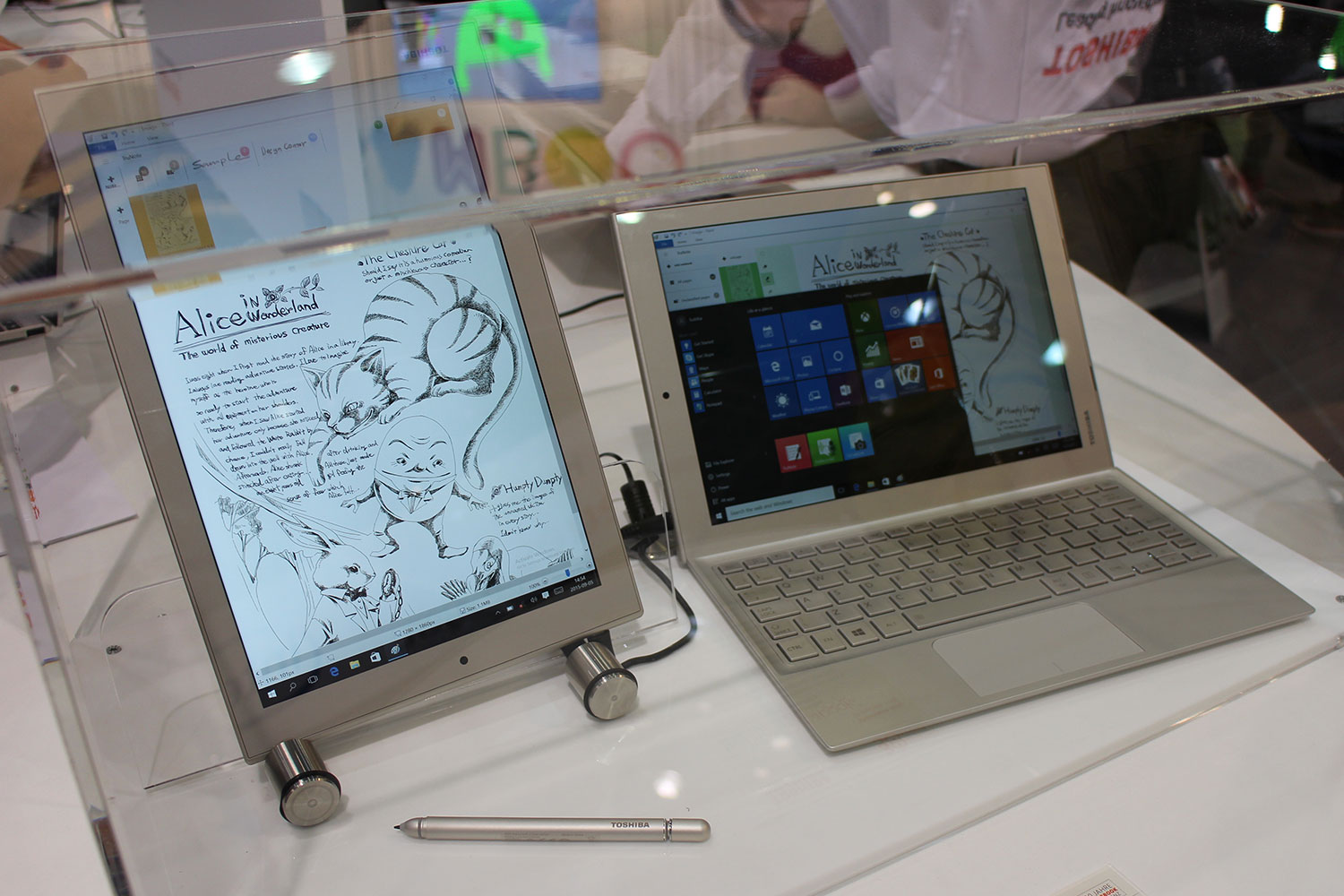
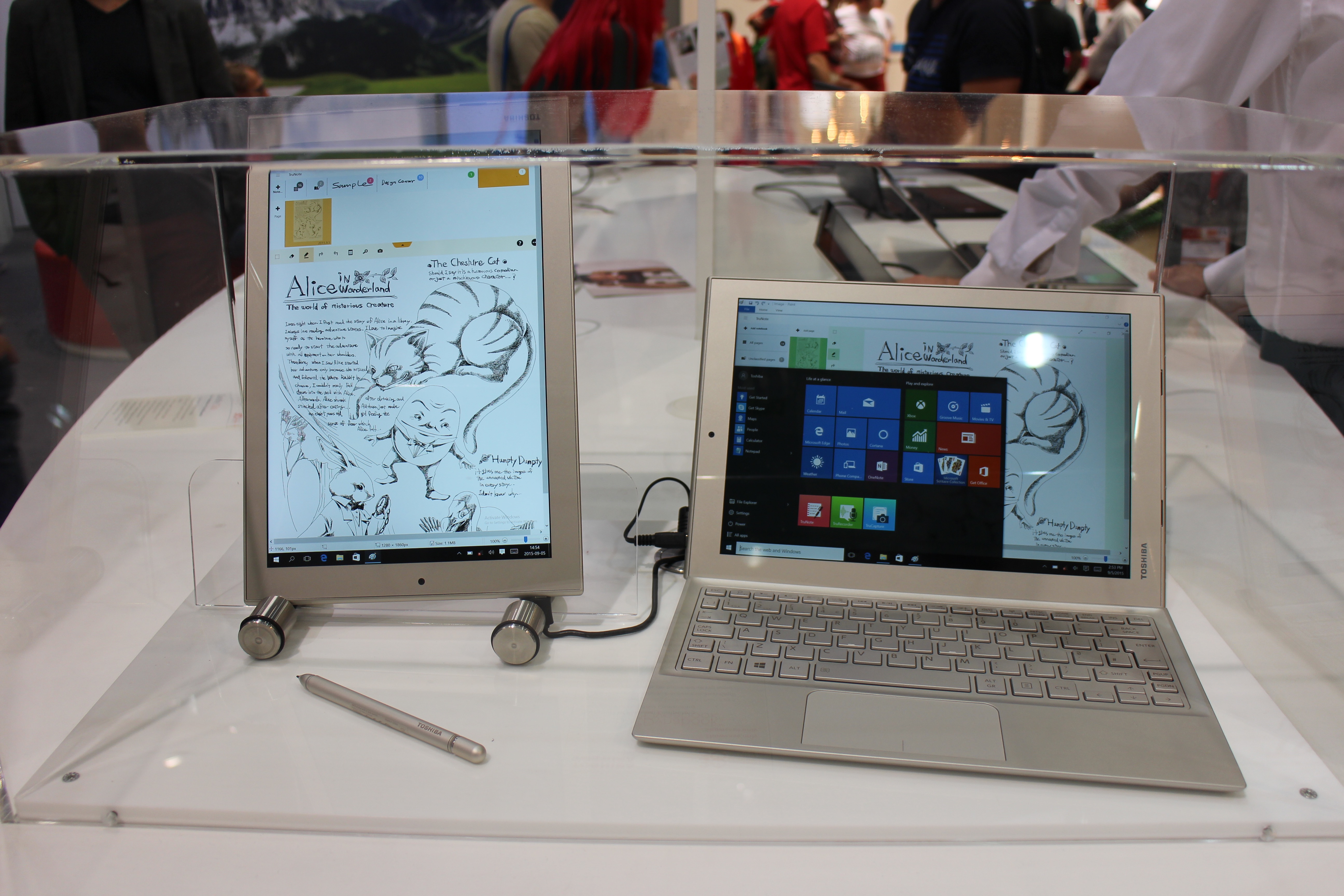

The Dynabook, which is more of an idea than a production laptop, is Toshiba’s vision of what a 2-in-1 should be. Conceptually it’s a dockable Windows notebook like many others available today, but its much thinner and lighter than any on the market. The tablet portion, in fact, is nearly as svelte as an iPad 4. An Intel Atom processor provides power, and a 1080p display serves up stunning visuals. Unfortunately, it’s not clear when the Dynabook will be released, if ever.
Conclusion
These were not the only
Look out for these notebooks this holiday buying season — particularly Acer’s award-winning Predator 15 and 17.
Editors' Recommendations
- The 5 weirdest laptops ever made that you forgot existed
- Here’s how the M3 Max chip compares to the most powerful Windows laptops
- I reviewed 40 laptops in 2023. Here are the 5 that stood out
- I review gaming laptops professionally — these are the only two you should buy in 2023
- This new gaming laptop might have water cooling and an RTX 4090