  1. Home
  2. Computing
  3. News

This website publicly shames popular sites like Instagram, Netflix, and Spotify for being too lazy to add passkeys

Apple, Google, and Microsoft fully support passkeys, while companies like Netflix and Spotify have offered no explanation for the gap.

Add as a preferred source on Google
passkey
Whatsapp

A new website is doing something many frustrated security experts have wanted for years. It is publicly naming big companies that still refuse to support passkeys. Called Why No Passkeys, the site tracks major platforms that continue to rely on old-school passwords even as passkeys become the safer option. If you use apps like Instagram, Netflix, or Spotify, you might be surprised to see them on the list.

The website was created by security researcher Scott Helme, who previously teamed up with Troy Hunt in 2017 to launch WhyNoHTTPS, a site that helped push much of the internet toward encrypted browsing.

A surprising number of tech giants are stuck in the past
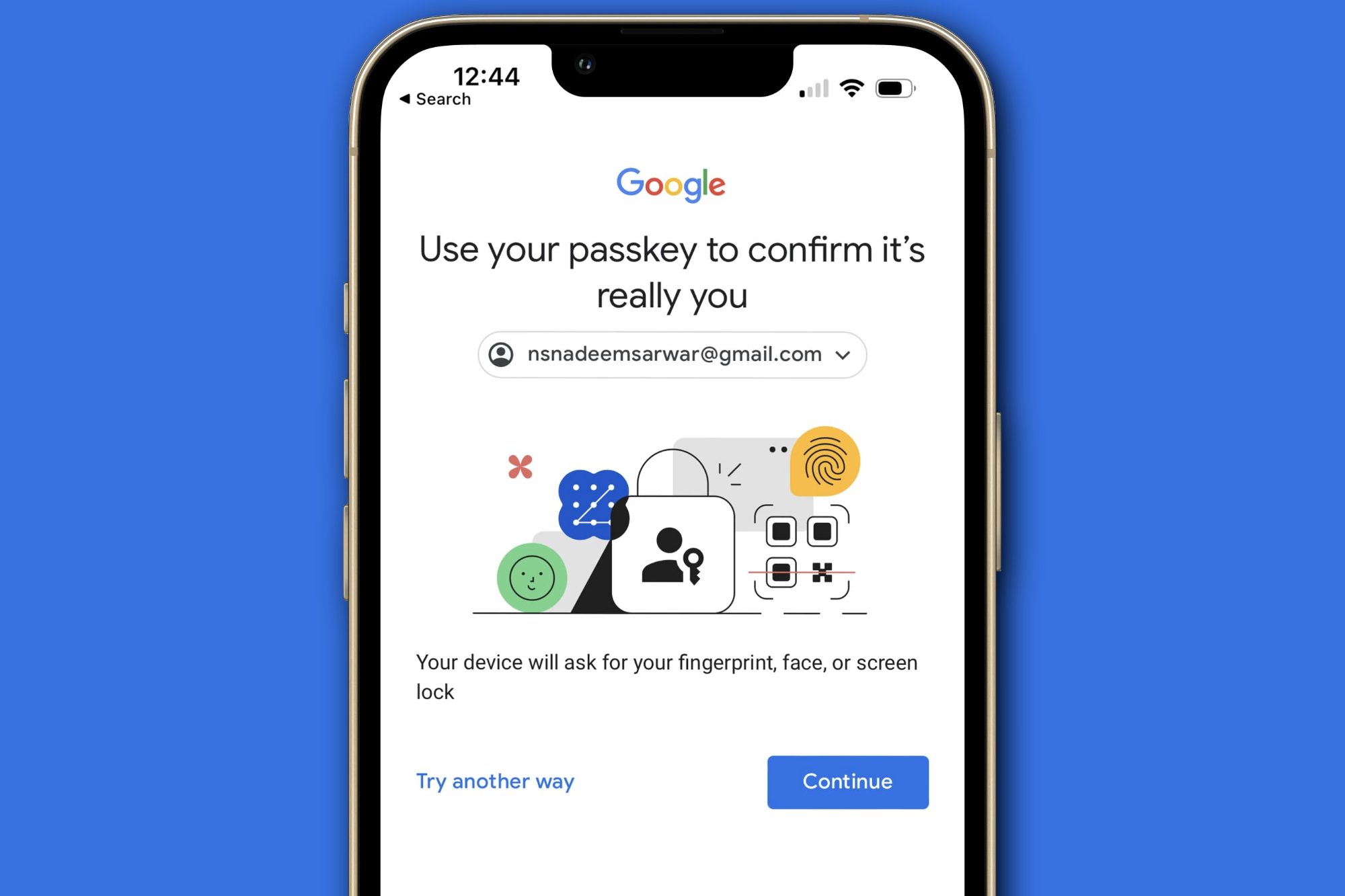
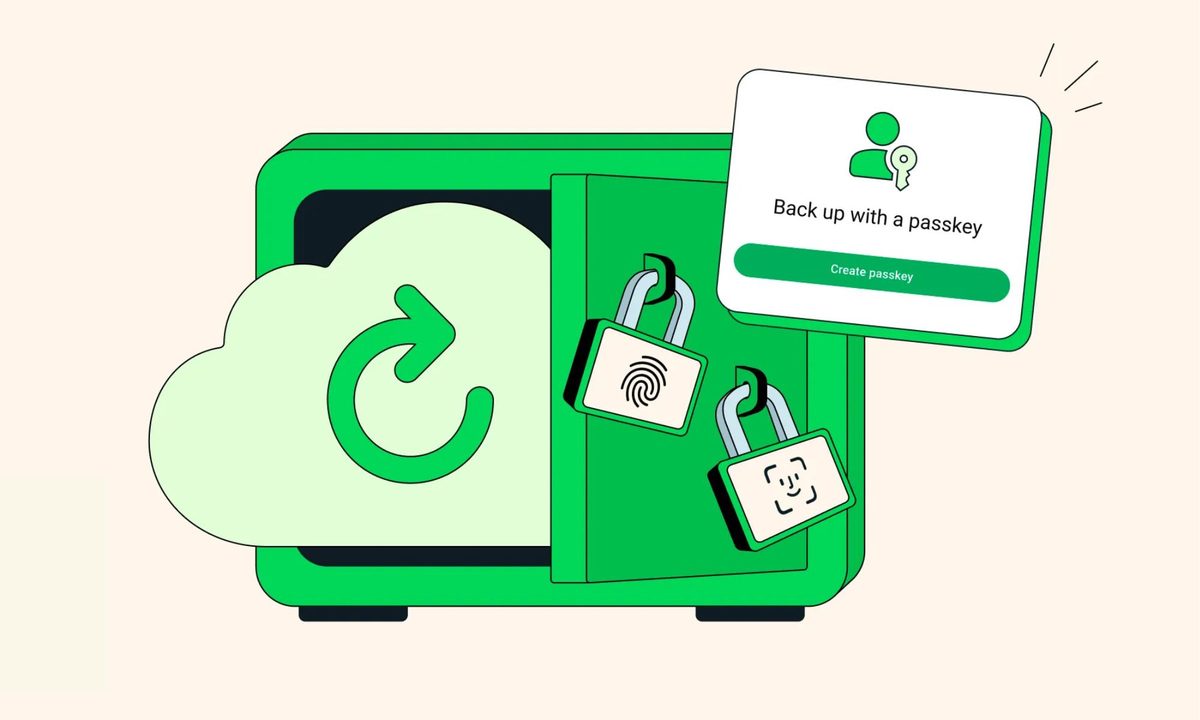
Passkeys are designed to replace passwords with device-based logins like Face ID or fingerprint scans. They are harder to steal, phishing-resistant, and far easier to use. Big names like Google, Apple, and Amazon have already embraced them, but many popular consumer platforms have not.

Recommended Videos

7 of the top 25 most visited sites globally still lack native passkey support, including Instagram, Netflix, Spotify, Samsung, Roblox, and Baidu. These are not small businesses without engineering resources; they are platforms with hundreds of millions, sometimes billions, of users still protected by nothing more than a password.

Interestingly, Meta already offers passkeys on Facebook and WhatsApp, yet Instagram users can only access the feature if they link their account to a Facebook login with passkeys enabled (via TechCrunch).

Why it matters?
The site works like a public leaderboard, separating companies that support passkeys from those that do not. Their goal is to create public pressure and make it harder for companies to ignore better security.

This matters because passwords remain one of the weakest links online. Data breaches, reused logins, and phishing scams still hit users every day, and passkeys eliminate many of those risks. For you, it’s a reminder that even the apps you trust most may still be behind on security. And now, there is a website making sure everyone knows it.

Manisha Priyadarshini
Manisha Priyadarshini is a tech and entertainment writer with over nine years of editorial experience.
MSI put NVIDIA RTX Spark on a flipping laptop, and it’s finally going on sale
The base model of the MSI Prestige N16 Flip AI+ comes with 32GB of RAM, and it costs $3,299.99.
MSI Prestige N16 Flip AI+

MSI announced the Prestige N16 Flip AI+ laptop a few months ago, and today, the company is finally putting it up for grabs. The name is quite generous, but the machine packs quite a punch. A few standout elements of this laptop, however, are its sleek build with a 360-degree hinge, RGB backlit keyboard, and a touch-sensitive display that supports stylus input. Thankfully, you won't have to pay extra cash for the MSI Nano Pen, as it comes included with the retail package.

What's inside?

Read more
OpenAI promised safer ChatGPT for teens, but a 4,000-prompt test found its safeguards falling dangerously short
Testers say parent alerts, tutoring and age checks fall short.
ChatGPT on iPhone

OpenAI put several child safety features in place, including parent alerts, less friend-like chat, and real tutoring. Like everyone else, I took the announcement at face value. However, a recent test has left me in disbelief. 

Nonprofit Common Sense Media's Youth AI Safety Institute says all three fell short. The organization gave ChatGPT for Teens its worst rating, "Unacceptable Risk," on October 7, 2026, after a test with 4,000-plus prompts.

Read more
Microsoft introduces Surface Laptop Ultra powerhouse with Nvidia Spark inside
Surface Laptop is among the first wave of laptops with Nvidia's Spark chip.
Surface Laptop Ultra

Microsoft has just introduced its flagship laptop, the Surface Laptop Ultra, with Nvidia's RTX Spark silicon inside. The sleek laptop, which arrives as a spiritual successor to the Surface Laptop, is the company's most powerful laptop and is directly targeted at users who require extreme workloads.

The laptop comes equipped with a 15-inch miniLED touch-sensitive display and a metallic chassis that is just 18 millimeters thick and tips the scales at under two 4.5 pounds. Notably, it also supports magnetic charging via the USB-C port, which is a neat addition. The star of the show, of course, is the Nvidia silicon at its heart.

Read more