1. Home
  2. Computing
  3. News

Microsoft pulled the newest Windows 10 update over a privacy-related bug

Add as a preferred source on Google

Not long after its initial release, the November update for Windows 10, version 1511, was mysteriously pulled from both the system update software and the media creation tool. With lots of talk swirling about what the reason for its absence might be, Microsoft decided the best thing to do was clarify that it was a simple matter of a bug that changed some privacy-related settings.

The settings change only affected a small subset of users already running Windows 10, not anyone who updated directly to the November version from Windows 7 or 8. Three of the settings, advertising ID, SmartScreen Filter, automatic sync with devices, are on by default, and turning them off required manually doing so in the settings. Background app permissions were also reset to their default state.

Recommended Videos

Fixing the bug is easy enough, as the settings can be changed back to user preference after installing the update. However, there’s no way of knowing whether you’ve been affected or not without checking in the Settings panel under privacy, so many users saw their settings without any notification. It’s not likely to ruffle the feathers of most users, but there’s a vocal group of detractors who are concerned about just this sort of issue.

The Redmond giant has been under attack lately for what some users are claiming are questionable privacy settings in Windows 10. They say the amount of personal data and telemetry the operating system has access to oversteps reasonable bounds, and Microsoft has been agile in its clarification of points of ambiguity in both the privacy documents and posts on the Windows blog.

That hasn’t been enough for a lot of people, but the swift response to this bug is a step in the right direction. Particularly when all of the settings are related to privacy, there will still be some who call foul, but the lack of a major Windows update at the moment is proof that Microsoft is listening.

Brad Bourque
Brad Bourque is a native Portlander, devout nerd, and craft beer enthusiast. He studied creative writing at Willamette…
AI data centers are power hungry, and a startup wants to put them on a clean energy diet
Firma Power is turning multiple renewable energy projects into one power supply for data centers.
datacenter

AI data centers guzzle power at a wild pace, and most of them keep reaching for gas instead of clean energy. A startup called Firma Power thinks it has figured out why, and it isn't about cost or reliability (via Fast Company).

The real problem is that data centers struggle to piece together enough clean power from a scattered mess of wind, solar, and battery projects. This is why Firma built software that can change how these massive facilities get access to power.

Read more
Google is making links in AI answers harder to miss, but referral traffic remains a mystery
Google nudges AI answers toward the open web.
Google AI Mode

Google is making links in its AI answers harder to miss. However, will that send more people to the open web? At least the company is trying. 

The search giant announced changes to AI Mode, its chatbot-style search tab, and AI Overviews, its AI-generated summaries for search queries. The updates make links more prominent, add image previews, and include an experiment for highlighting official websites.

Read more
ChatGPT is coming for your Chrome tabs, and honestly, they need help
ChatGPT can now do your online chores while you pretend to be productive
Electronics, Mobile Phone, Phone

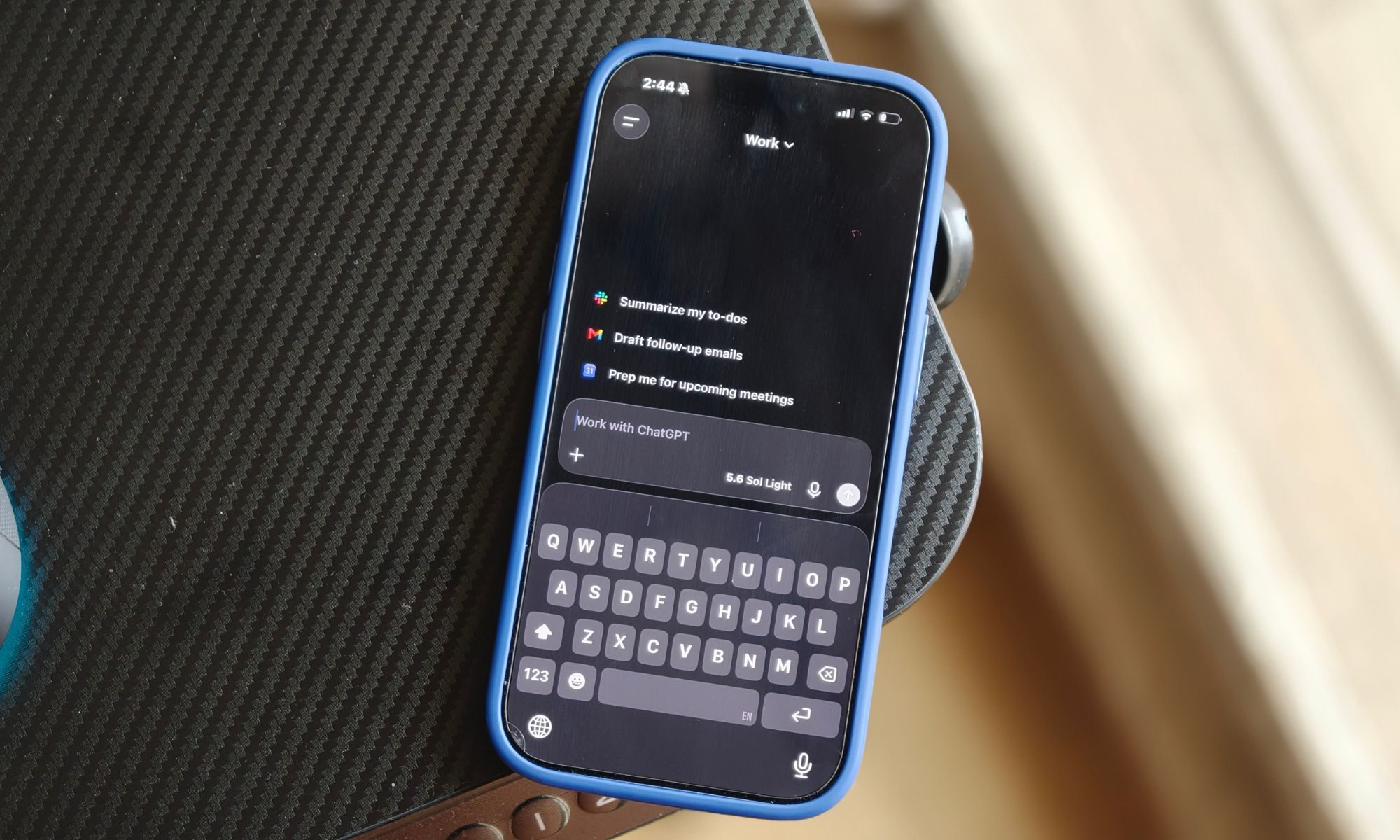
OpenAI wants to do more than answer questions with ChatGPT. The company is developing a browser that can look at open tabs and help users get things done online. The feature aims to simplify routine browsing, letting ChatGPT cross-reference information between websites, summarize content, and do repetitive tasks without users having to keep switching between tabs.

The update is a sign of a wider change in how people use AI assistants. ChatGPT can do more than tell you how to do something – it can increasingly help you do it. It could save people hours spent researching products, managing information or filling out online forms. But browser access also brings up important questions around privacy and how much control users should give up to an AI.

Read more