1. Home
  2. Computing
  3. News

Windows 11 just fixed one of Search’s dumbest limitations, and you’ll wonder how you lived without it

One less character, one less annoyance every time you search your PC.

Add as a preferred source on Google
Person sitting and using a Windows Surface computer with Windows 11.
Windows 11 / Microsoft

If you have ever typed two letters into the Windows 11 search box, paused, and watched nothing useful happen until you added more characters, you already know exactly why this Windows 11 update matters. 

Microsoft’s June 2026 Patch Tuesday update, part of a release Windows Latest calls the biggest of the year (via Windows Latest), quietly fixes that. Windows Search can now find and prioritize files with as few as two characters, down from the old three-character minimum.

So what exactly changed in Windows Search?

Before this update, typing two letters from the file name didn’t do anything useful. You had to add a third or more characters before Windows even started looking. Even then, your file could get buried under web results and app suggestions. 

Recommended Videos

Now, typing two characters is enough to trigger a meaningful search. The update also improves how results are ranked, so your actual file shows up near the top instead of getting lost beneath links and Copilot suggestions.

Why does dropping one character actually matter?

Most of us name files with short, practical labels. Personally, dealing with a couple dozen files on a daily basis, I often name them with a couple of characters like Q3 or V2, exactly the kind of names that used to be functionally invisible to search. 

One fewer required character sounds small at first, but it removes a tiny, constant friction that builds up every single time you search for something on your PC. It is the kind of fix that feels obvious only once you have it, one that should have shipped years ago. 

This change ships in KB5094126 for Windows 11 24H2 and 25H2

Shikhar Mehrotra
For more than five years, Shikhar has consistently simplified developments in the field of consumer tech and presented them…
Back-to-school desk upgrade? Start with one of these monitor arms
Whether you're studying, coding, or gaming after class, these are the monitor arms I'd happily recommend.
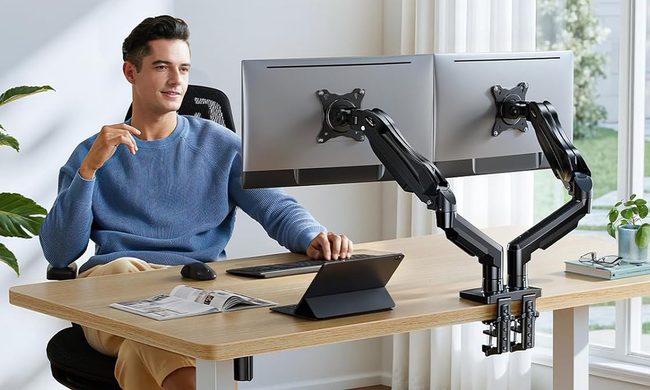
The Best Monitor Arms for Back-to-School That I'd Actually Recommend - HUANUO FlowLift Dual Monitor Stand

Dorm rooms and study desks have one thing in common: they run out of space fast. Between textbooks, notebooks, keyboards, coffee mugs, and laptop chargers, a monitor's stock stand often ends up taking more room than it should. A good monitor arm instantly frees up valuable desk space while also putting the screen at a much more comfortable height, making long study sessions easier on the neck and shoulders. Whether it's a simple single-monitor setup or a dual-screen workstation, these are the monitor arms I'd actually recommend for Back-to-School.

Amazon Basics Single Computer Monitor Stand

Read more
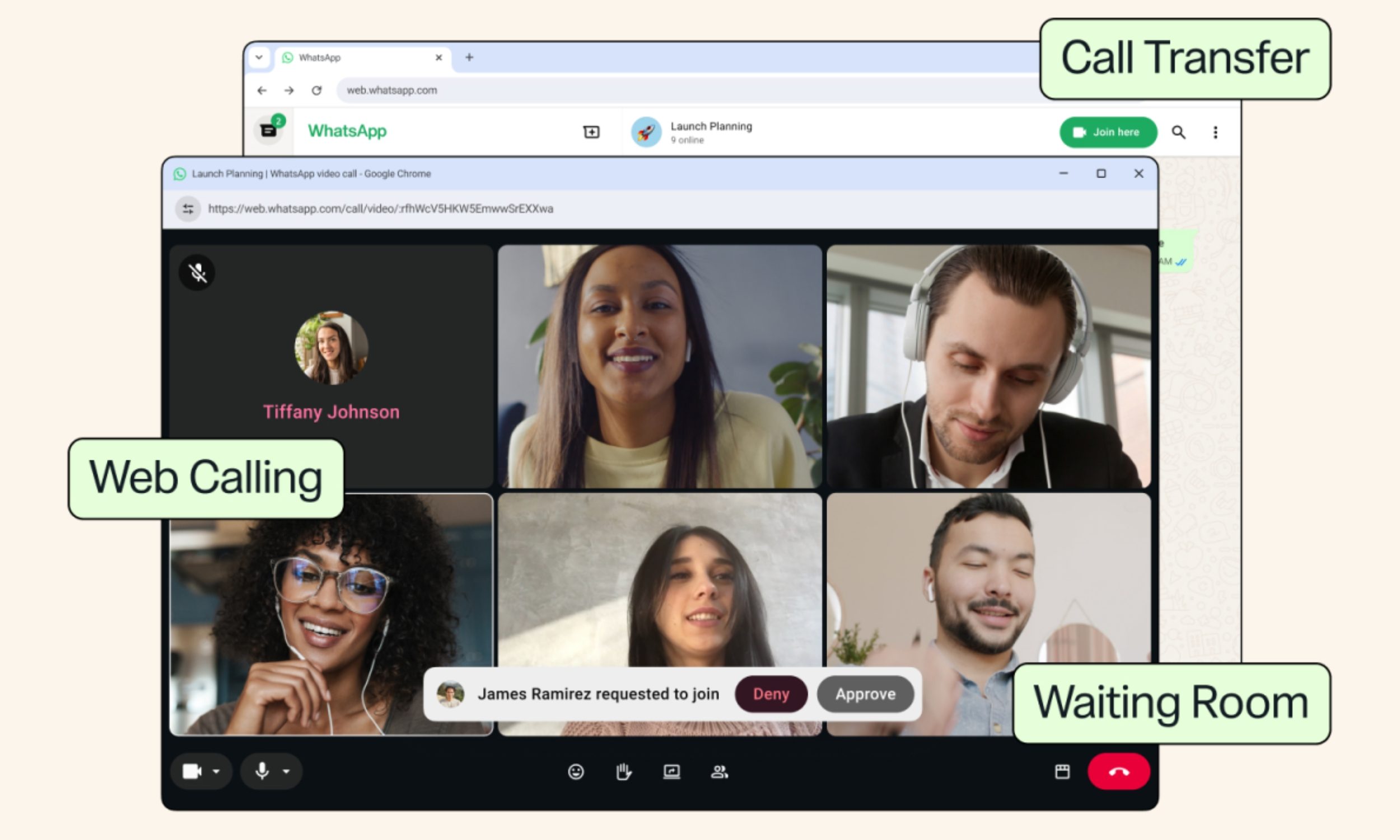
WhatsApp Web finally lets your laptop handle calls instead of forcing you back to your phone
Other new features include Waiting Room, QuickHD, and background Noise Suppression.
Adult, Female, Person

I've lost count of how many times I've had to awkwardly grab my phone mid-task just to take a WhatsApp call my laptop couldn't handle on the web version. Today’s update changes that for good.

So what's actually rolling out today?

Read more
Researchers have built a tool that can identify the AI used to make a fake video
Every AI video generator leaves behind subtle, distinct patterns, and this new tool learned to read them.
fake-ai-video

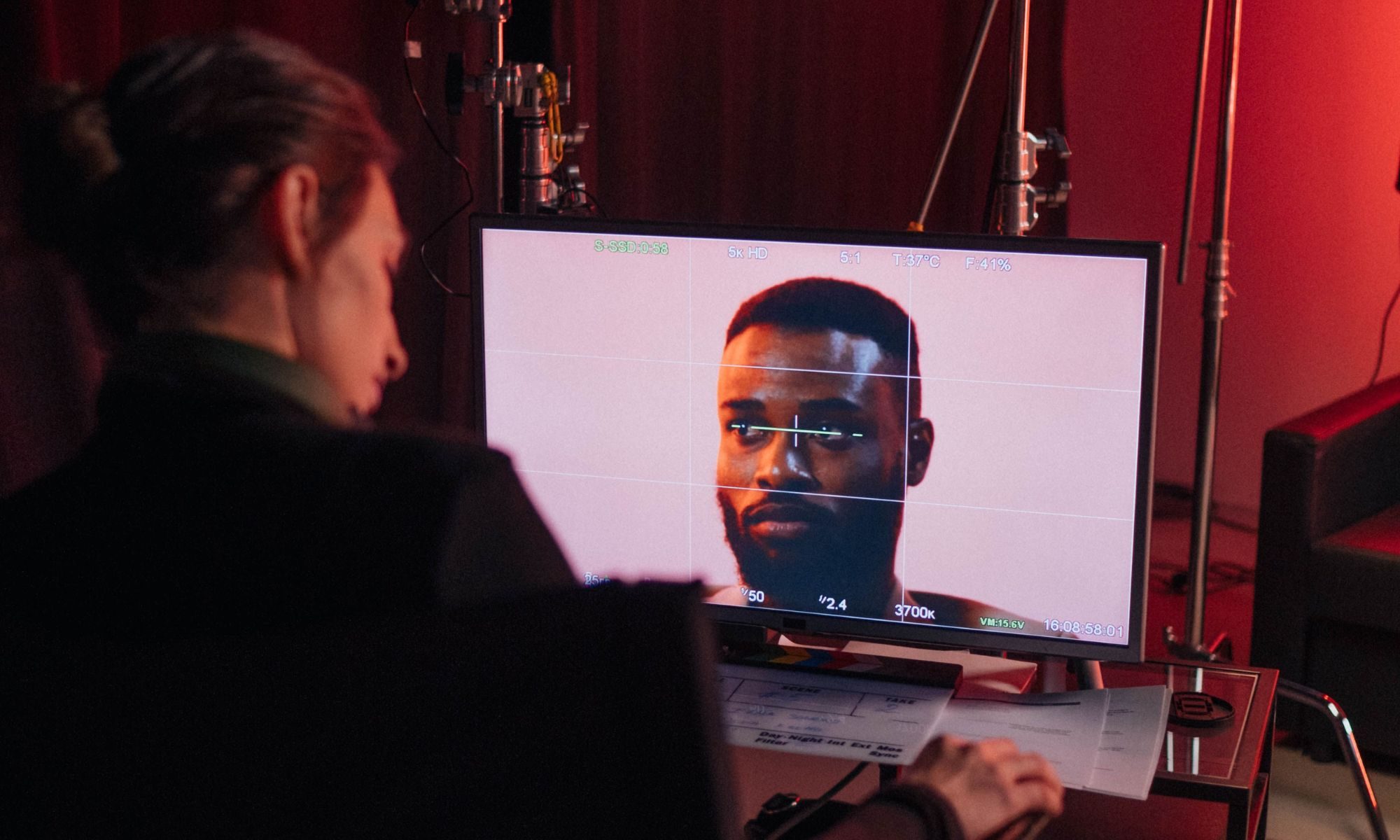
AI-generated videos have gotten so realistic that spotting a fake is difficult enough on its own. Figuring out which AI model actually created it is even harder. That's exactly why researchers at UC Riverside built a tool that can do both. It's called SAGA, and it can trace a fake video back to the specific AI model that generated it.

The project was led by UC Riverside doctoral researcher Rohit Kundu and electrical and computer engineering professor Amit K. Roy-Chowdhury, in collaboration with researchers from YouTube and Google DeepMind.

Read more