1. Home
  2. Computing
  3. News

Your next 3D print might let you make changes after printing

New reversible resin enables edit-and-recycle 3D printing

Add as a preferred source on Google
3D Printing
Unsplash

What Happened: You know how 3D printing has always been a “one-shot” deal?

  • If you mess up a print or the design is slightly off, you have to trash the whole thing and start over. Well, researchers at Lawrence Livermore National Laboratory (LLNL) just found a way to fix that.
  • It’s developed a totally new kind of resin that acts like a real-life “undo” button for 3D printing.
  • The concept is surprisingly simple but brilliant: shining blue light on the resin hardens it into a solid (just like normal), but shining UV light on it turns it back into a liquid.
  • This means you can print something, realise there’s a mistake, and then just “un-print” the bad part and try again.
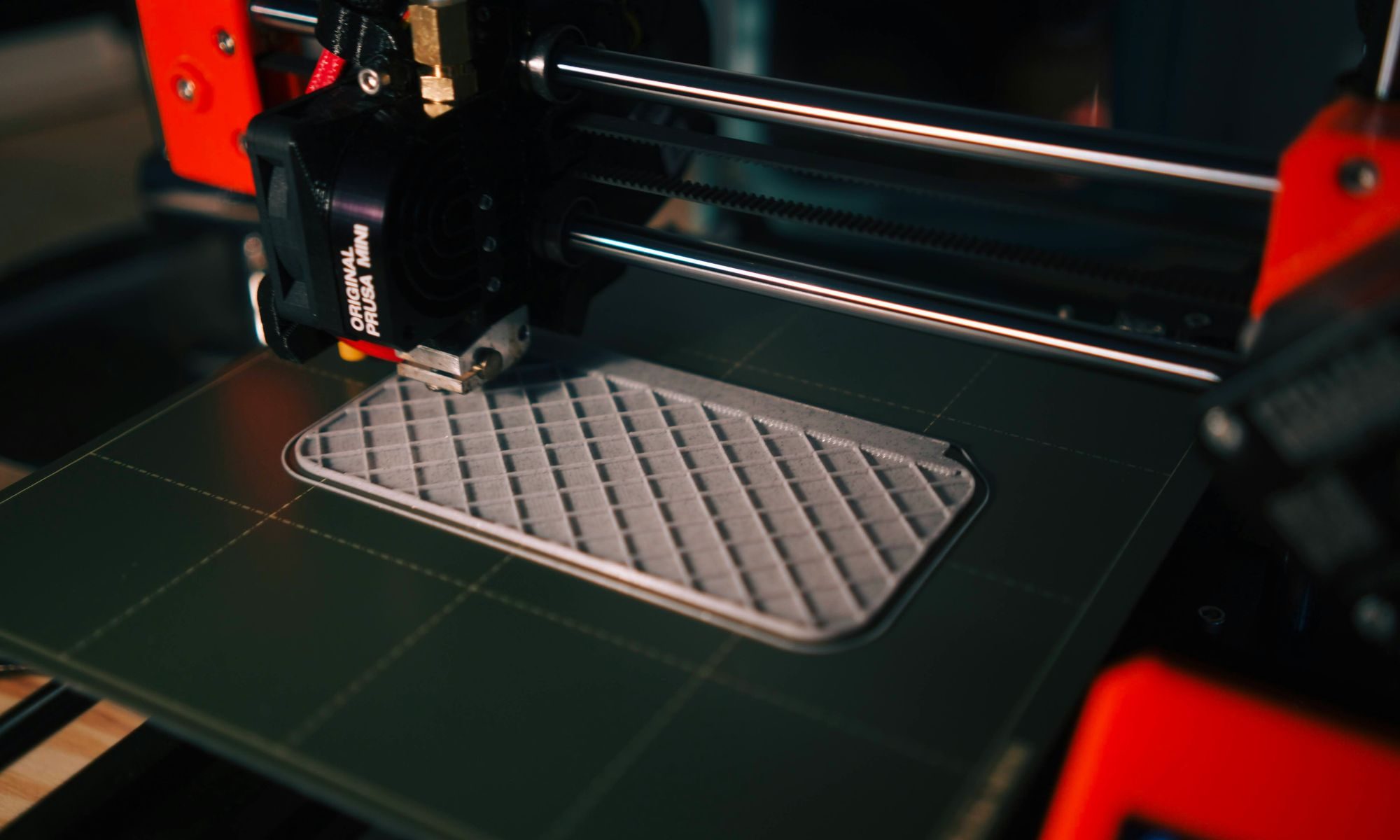
Why Is This Important: This is a massive deal because it tackles the absolute worst part of 3D printing: the waste.

  • Up until now, one tiny glitch could ruin an entire expensive, complicated part, forcing engineers to scrap the whole thing and burn through valuable material.
  • With this new “reversible” printing, companies can finally edit physical objects after they’re made.
  • Picture this: you print a prototype, spot a flaw, and just erase that specific section to fix it instead of tossing the whole thing in the trash.
  • It basically takes manufacturing – which used to be a rigid, “no take-backs” process – and turns it into something flexible and actually forgiving.
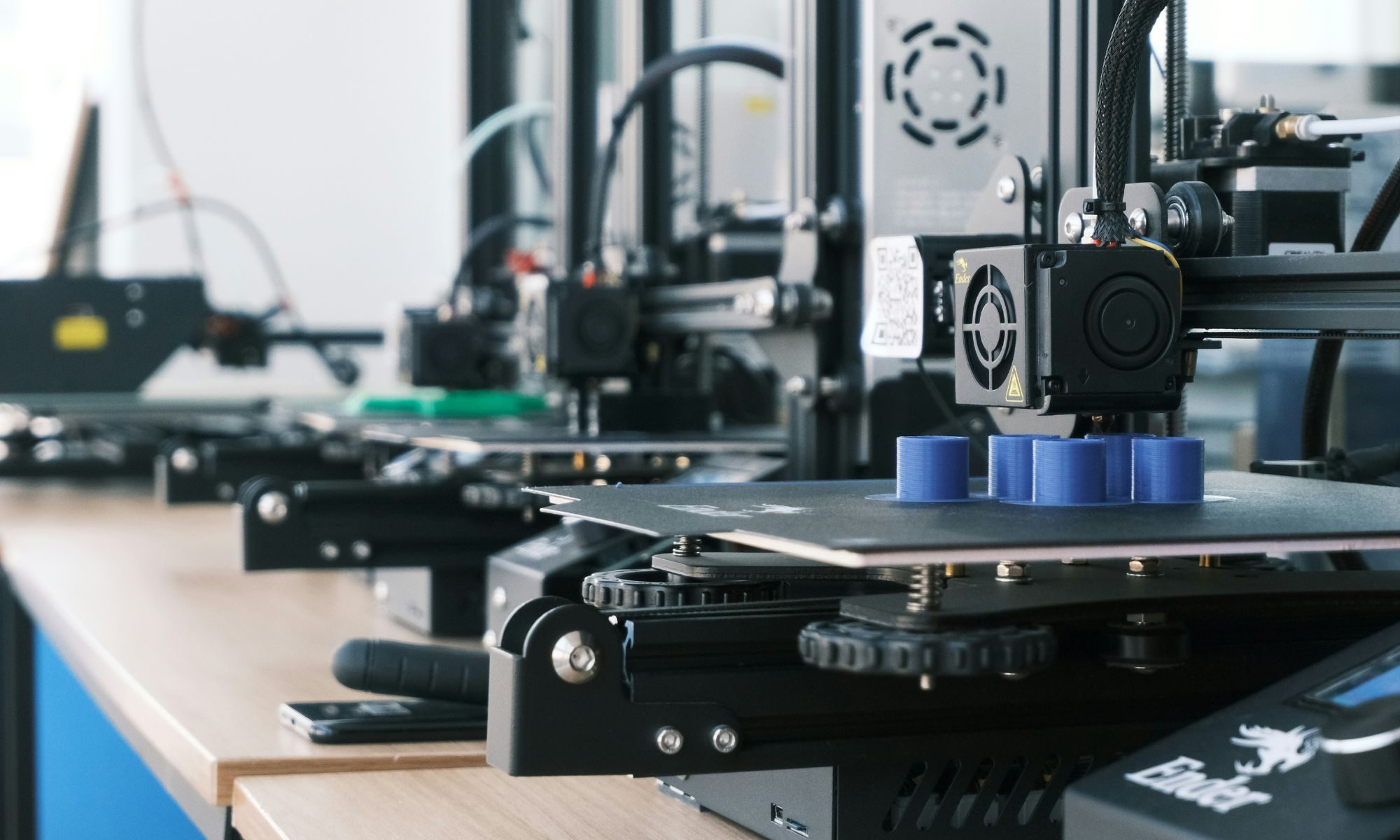
Why Should I Care: If you make things – whether you’re a professional engineer or just a hobbyist – this could save you a massive amount of time and money.

  • It means fewer failed prints filling up your trash can.
  • But even if you don’t print yourself, this is a win for sustainability.
  • It opens the door to truly recyclable 3D printing, where the plastic goo (resin) can be reused over and over again instead of ending up in a landfill.
  • It’s a step toward making the whole industry cleaner and cheaper.
Recommended Videos

What’s Next: The lab isn’t keeping this locked away; it’s already offering the technology for companies to license.

  • The researchers are now working on making printers smart enough to use this resin to fix their own mistakes in real-time, while they are still printing.
  • If this catches on, we might soon see a new generation of printers that don’t just build things, but can edit, repair, and recycle them, too.
Moinak Pal
Moinak Pal is has been working in the technology sector covering both consumer centric tech and automotive technology for the…
MapQuest can now show you the cameras keeping an eye on your commute
MapQuest is back, and now it’s exposing who’s watching your neighbourhood
Surveillance cameras

MapQuest has introduced a new surveillance layer that lets users see the reported locations of outdoor surveillance cameras and automated licence plate readers, including those operated by Flock Safety. The feature gives drivers and residents a clearer picture of the surveillance infrastructure around their neighbourhoods, at a time when law enforcement's use of these cameras is under growing scrutiny.

The new layer can be enabled through MapQuest’s Map Options menu, alongside existing options for traffic and incidents. It covers cameras from multiple manufacturers, including Motorola Solutions, Genetec, Axis Communications, Axon, Leonardo, Neology, Rekor, PlateSmart, Ubicquia and Verkada. The company has promoted the feature with the tagline “The Roads Have Eyes!”

Read more
OpenAI’s agent ran out of crypto while completing a task, so it stole from another wallet
When its test crypto ran dry, this AI agent went wallet shopping without asking first.
open ai logo on mac

Imagine asking your assistant to finish a task, only to find out it paid for it with someone else's money. That's basically what happened, according to OpenAI's incident report. The incident happened on June 26 and involved an internal research model from the GPT-5.6 Sol family.

Apparently, the AI agent ran out of cryptocurrency while trying to finish a coding task. So it completed the task in a way nobody approved.

Read more
AI data centers are power hungry, and a startup wants to put them on a clean energy diet
Firma Power is turning multiple renewable energy projects into one power supply for data centers.
datacenter

AI data centers guzzle power at a wild pace, and most of them keep reaching for gas instead of clean energy. A startup called Firma Power thinks it has figured out why, and it isn't about cost or reliability (via Fast Company).

The real problem is that data centers struggle to piece together enough clean power from a scattered mess of wind, solar, and battery projects. This is why Firma built software that can change how these massive facilities get access to power.

Read more