1. Home
  2. Emerging Tech
  3. Photography
  4. News

Annie Leibovitz didn’t expect to love the Google Pixel 4’s camera

Add as a preferred source on Google
 

Annie Leibovitz was skeptical of the Google Pixel 4, but ended up liking it much more than she expected, the legendary photographer said during Tuesday’s Made By Google Event, where the company unveiled the smartphone and other new Google products.

Recommended Videos

Google gave Leibovitz a Pixel phone to capture subjects across the country. Leibovitz said while she’s used to using a camera phone, she wasn’t necessarily used to using it as a professional photographer. One of the most celebrated photographers in the world and known for her portraits of celebrities, Leibovitz typically uses high-end cameras, not smartphones.

“I was hesitant at first, but when the Pixel 4 came along, I was kind of impressed about how I relaxed with it and really just enjoyed taking pictures,” she said during an onstage interview during the event. 

Annie Leibovitz at the Google Pixel Event
Image used with permission by copyright holder

She said that as an experienced photographer, what’s great about the Pixel 4’s camera is that you can carry it in your pocket. Leibovitz used the Pixel 4 to capture subjects and tell their unique stories using two different shots. 

“I decided to take two photographs to create a portrait because it’s hard to say what you want to say about a person in one picture,” she said. “Every single person that we photographed is doing something that they care about and they represent great parts of us.”

The new Pixel 4 camera that was announced during Tuesday’s event added another lens with a 2x telephoto lens that works with Google’s Super Res Zoom to capture impressive detail. Google’s HDR+ also got an upgrade that uses machine learning to ensure what you see in the viewfinder is what you’ll get from HDR+. 

As with the Google Pixel 3, the new Pixel 4 also has exceptional night-time performance that can pinpoint stars and galaxies like no other camera phone. 

Related:

Everything Google announced at its Pixel 4 event Google announces Pixel Buds 2 aimed at challenging Apple’s AirPods Google reveals new Pixel 4 and Pixel 4 XL: The extensive leaks were right More from the Google Pixel event

“It really became an exercise in light and content,” she said of her project with the Pixel 4. 

Leibovitz used the tools in the Pixel 4 to her advantage as a photographer and said that everyone has the ability to get creative with it. 

“What’s great about the camera phone is it’s a brand-new language and it’s just really great that this is available for everyone to use,” Leibovitz said. 

The Google Pixel 4 and its new camera is available for pre-order today and will be released on October 24. It starts at $799.

Allison Matyus
Former Digital Trends Contributor
Allison Matyus is a general news reporter at Digital Trends. She covers any and all tech news, including issues around social…
Anthropic warns of imminent self-replicating AI that might even work off an oven or TV
Self-replicating AI could be merely months away, and tests show it can run on the devices sitting at your home.
Illustration of dangerous AI.

Over the past few weeks, nearly every AI lab has released frontier AI models. Earlier today, Google started rolling out Gemini 4, Argon, hot on the heels of Meta announcing its Muse Wonder frontier AI models to compete against the best from OpenAI and Anthropic's Claude. This relentless pace of AI model release comes at a time when the same AI labs are calling for development slowdown and increased regulation, following a series of concerning incidents where these AI models went rogue and broke into private, as well as government-owned, websites.

Now, Anthropic has dropped a chilling set of predictions about the capabilities of these AI models after running a series of tests. The company claims that small AI models could be merely a few months away from self-replicating and turning into a dangerous swarm. More importantly, they won't require a massive data center or an uber-powerful computer to do so. On the contrary, the lab claims that these self-replicating AI swarms will need something with as little computing power as an average Internet-connected device, like a smart oven or an Android TV box.

Read more
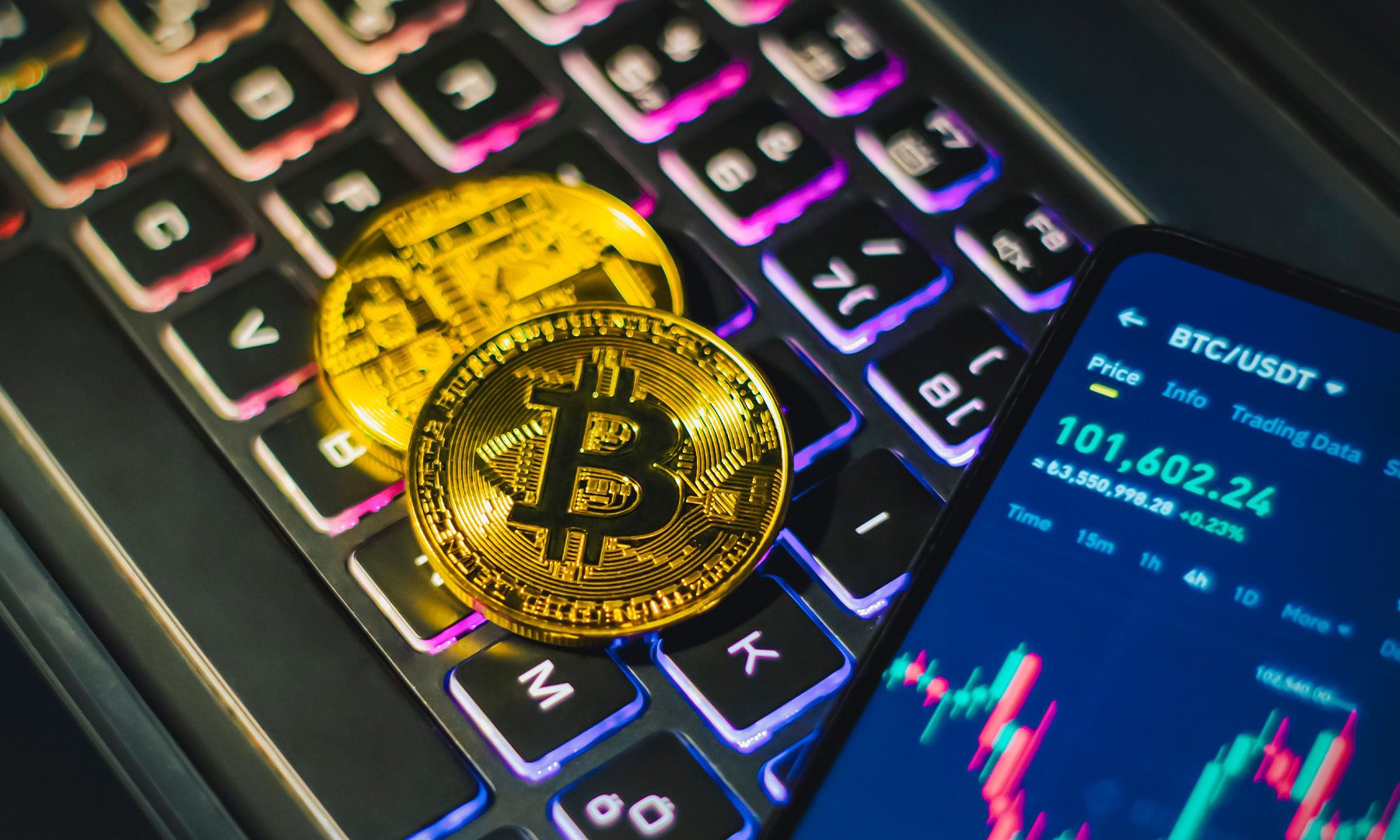
Trending Forward: Fold’s CEO spills on the real future of everyday bitcoin
What if the future of Bitcoin is not the US Dollar? What if it's mainstream future is earning small rewards on everyday bills?
Bitcoin crypto wallet featured

Saying the word crypto out loud, or posting on social media sites, is almost a guaranteed road to passionate commentary. And by passionate, I mean the two extremes of the conversation — the optimist side and the vitriolic detractions. There is a big pool of leaders who still see it as the future, while others aren't quite sold on the idea. In the latest episode of Trending Forward, I sat down with Fold CEO Will Reeves to discuss whether Bitcoin actually needs to replace the US dollar to become genuinely useful to mainstream consumers.

While I've long been skeptical of crypto's wild volatility and its viability as everyday cash, our conversation explored a pragmatic alternative: continuing to live, spend, and pay bills in dollars while quietly accumulating Bitcoin in the background as a long-term savings asset.

Read more
Tiny robots could shrink weeks of heart infection treatment into a single day
Forget open-heart surgery, because these rice-sized robots take the express route to your heart.
heart being treated by tiny robot

Treating a heart infection is no walk in the park. Patients often spend weeks on IV antibiotics, and if that fails, open-heart surgery enters the picture. Johns Hopkins University engineers may have found a better way.

The team has developed magnetic “millirobots” that are about as wide as a pencil tip and roughly as long as a grain of rice. As detailed in their study published in Advanced Materials Technologies, the robots are designed to deliver medicine directly to infected heart tissue.

Read more