InkCase Plus — E-ink smartphone display case
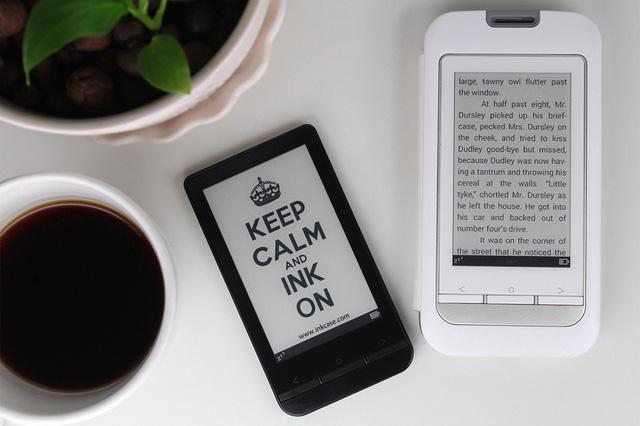 Tired of watching your smartphone’s battery drain away while reading an e-book? Sick of squinting in the sun to read notifications on your glossy screen? Don’t worry, LA-based startup Oaxis has you covered. The company’s new InkCase Plus is a case that adds an E-Ink display to your Android smartphone to help you save power and read in full sunlight. Since it’s merely an attachment, it gives you all the benefits of having an e-ink display on your smartphone without taking away your beautiful, full-color display when you need it. The case essentially looks like a typical folio case, but it has a cut out in the front where you secure the Kindle-like display. Unfortunately the display doesn’t function like a touchscreen, but it does have a few physical buttons on the front for navigation. It mirrors your smartphone display and can be used to control your music, view notifications, read e-books, and more.
Ritot — Wearable projection watch
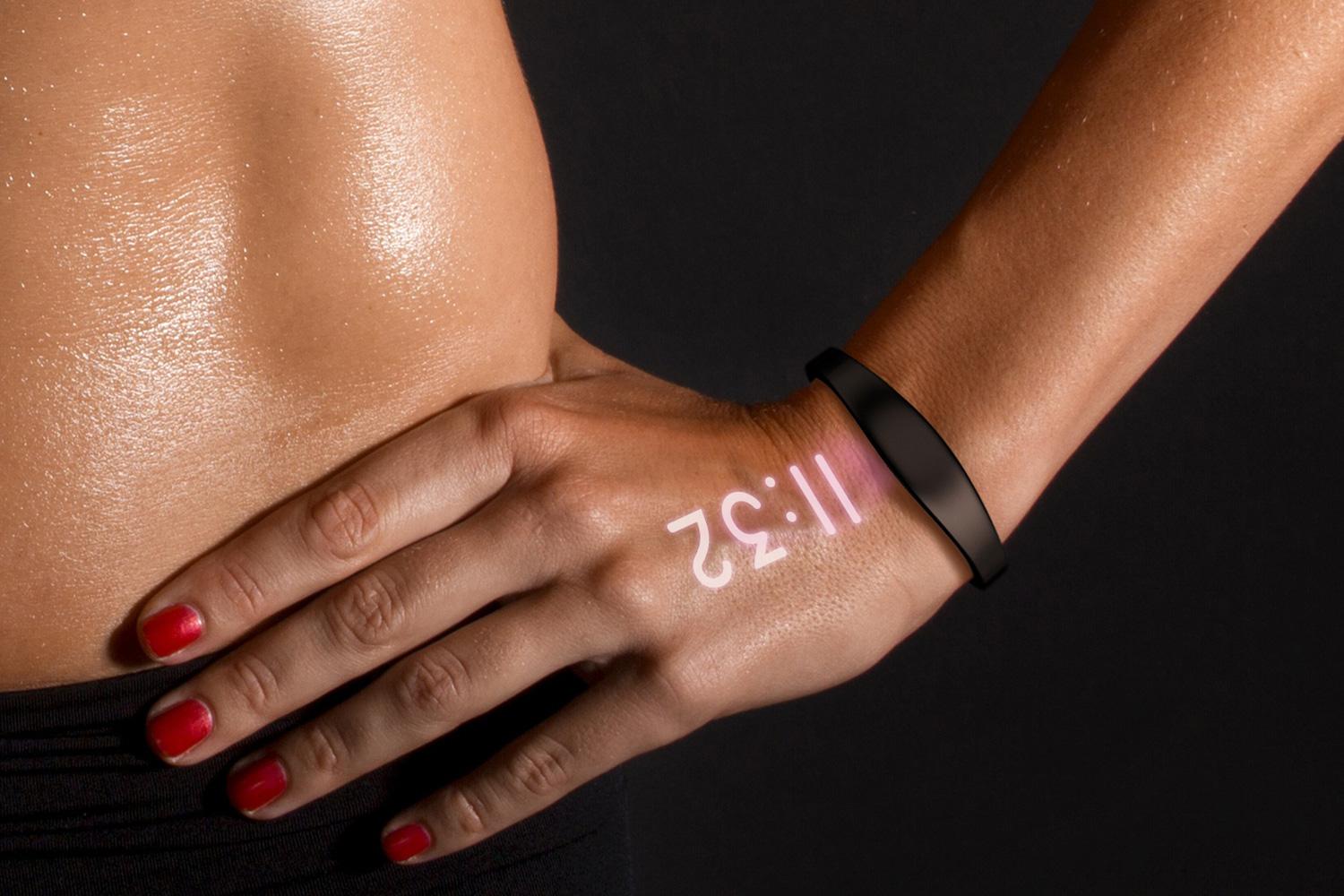 Touting itself as the “World’s first “projection watch,” The Ritot is basically a bracelet that uses a pico projector to display the time and various smartphone notifications on the back of your hand. The functionality fairly is straightforward: Whenever you feel like knowing the hour, just tap the Ritot or shake your hand and the current time will be displayed on your hand for 10 seconds. Sync it with your smartphone and you can see a variety of notifications –a caller’s name, text messages, reminders, social media alerts, weather alerts and emails– all displayed in big, bright letters on the back of your hand. The Ritot can also be set to vibrate when notifications are received or when an alarm goes off. Indiegogo backers can get a Ritot set (watch and free base charger) for $120, which is $40 below what it’ll retail for once it officially launches. Shipments are expected to begin at the end of January 2015.
i-Bell — Smart doorbell
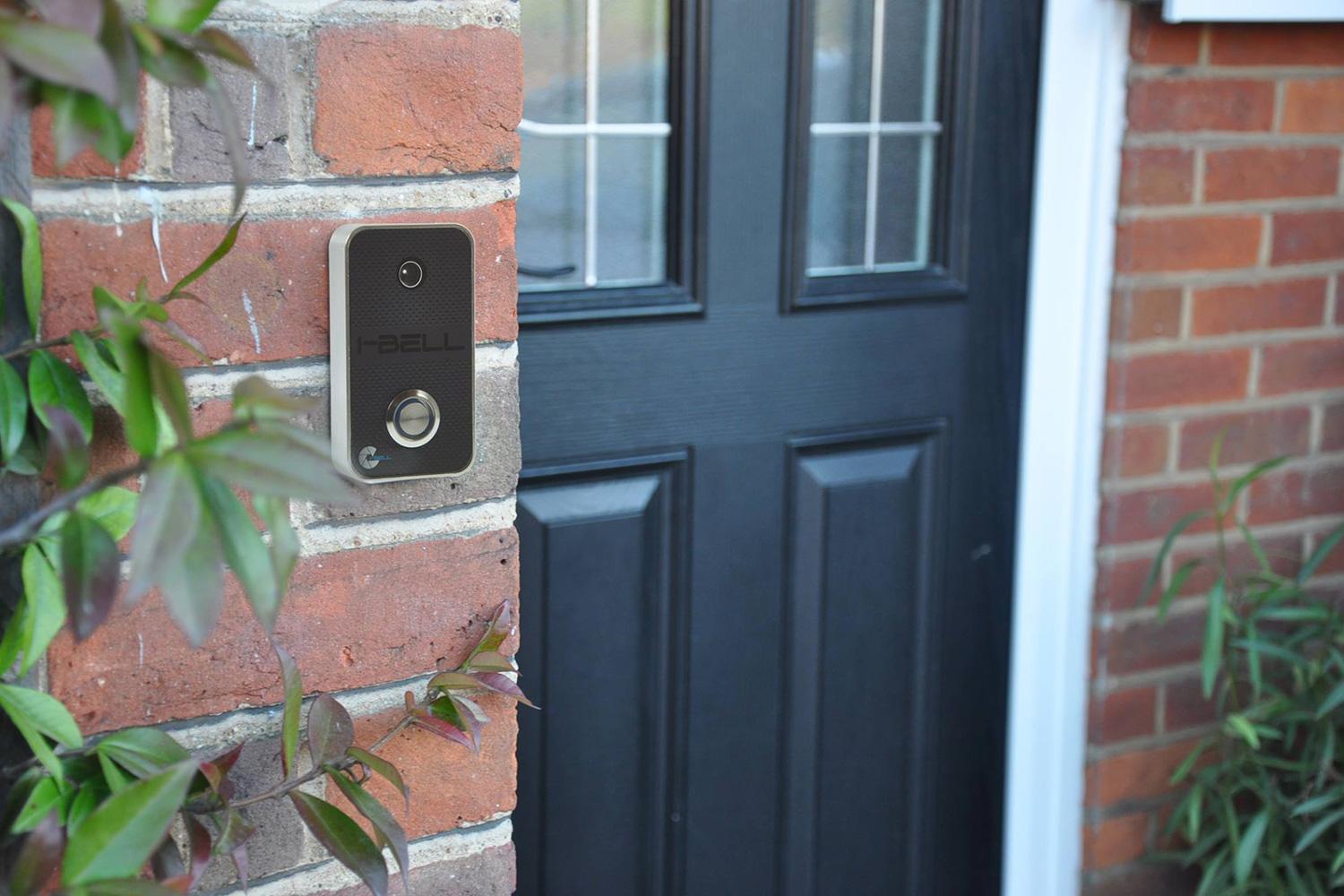 Smart doorbells definitely aren’t a new idea, but even so, there still aren’t too many of them out on the market right now. Between DoorBot, SkyBell, an a small handful of others, consumers don’t have very many options to choose from — at least not for long. i-Bell, makers of a smart doorbell of the same name, are poised to launch their own version before the year is out, and have turned to Kickstarter to make it happen. In terms of functionality, i-Bell doesn’t really do anything different than other intelligent doorbells we’ve seen. Armed with a camera, microphone, a Wi-Fi connection, and an accompanying smartphone app, it’s basically a high-tech intercom system that allows you to answer your door from anywhere in the world. It doesn’t have any nifty tricks up it’s sleeve, but it’s definitely more aesthetically pleasing than DoorBot.
NudeAudio Super-M — Pocket-sized bluetooth speaker
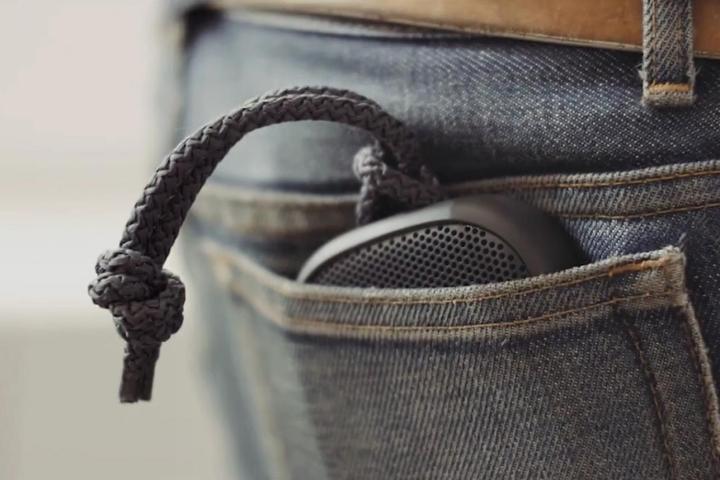
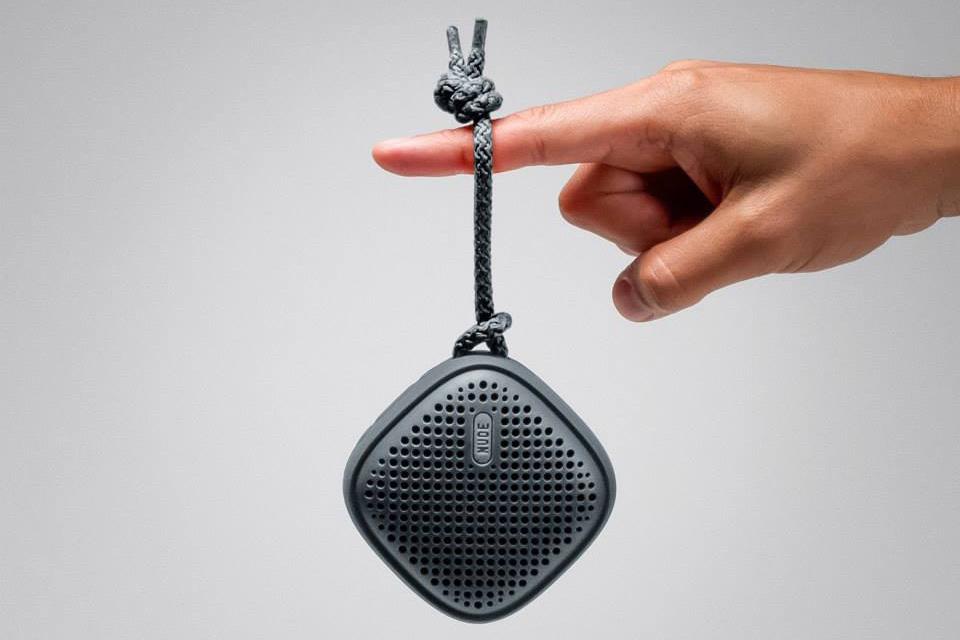 As a category, portable Bluetooth speaker boxes are absolutely exploding. With each passing month, they seem to get bigger, badder, and tougher than before. But in the midst of all this, San Francisco-based NudeAudio decided to go the opposite direction, and has turned to Kickstarter to raise funds for the upcoming miniature, sand-proof and waterproof addition to its “Move” line: the Super-M. The Bluetooth speaker is designed to balance high-quality audio with portability and ruggedness. The device has eight hours of battery life, speakerphone capabilities, and is encased in an IPX-5-rated waterproof housing with a shockproof silicone sleeve for protection. Oh, and did we mention it fits inside of a pocket? This thing is no bigger than the smartphones of yesteryear, so you can take it just about anywhere.
UpRight — Wearable posture trainer
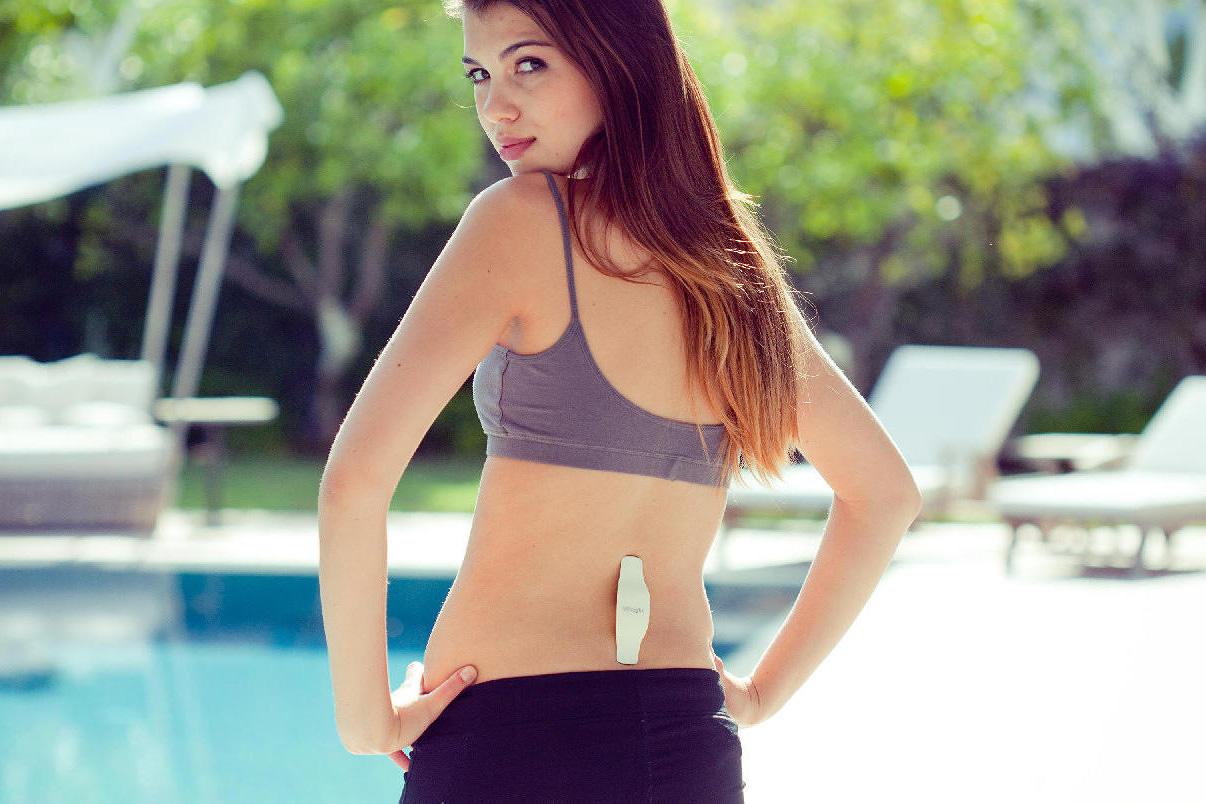 If you work in an office environment and spend the majority of your life hunched over in front of a computer screen, we’re willing to bet that your posture is probably atrocious. But not to worry — thanks to an upcoming device from Tel-Aviv startup UpRight, you’ll soon be able to fix the problem. The team has developed a small wearable gizmo that sticks onto your lower back and monitors your posture. Using an array of embedded sensors, the device can tell when you’re slouching, and will give you a little vibrating alert to remind you to posture up. The idea is that you start by wearing UpRight for short intervals (just 15 minutes per day) to get you started. Then, as your back muscles begin to strengthen, you gradually lengthen the time of your training sessions. In just a few weeks, your back muscles should grow accustomed to the proper position, and sitting upright will start to feel effortless.