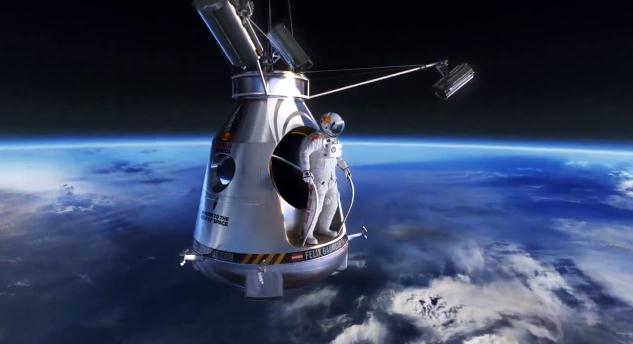
 Daredevil skydiver Felix Baumgartner was forced to postpone his record-breaking jump attempt from the edge of space on Tuesday because of strong winds. It was the second day in a row that the Austrian had to abandon hopes of becoming the first man to travel faster than the speed of sound without the aid of a vehicle. The jump, should he complete it in the coming days, will also be the highest skydive ever done – from 120,000 feet (23 miles) above the planet.
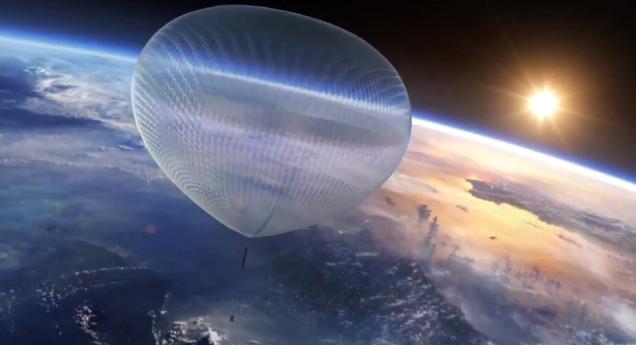
The signs had been promising on Tuesday morning as Baumgartner’s Red Bull Stratos team made preparations in Roswell, New Mexico for the launch of the 750-foot-high helium-filled balloon which would carry the fearless 43-year-old skydiver to his jump position. But a couple of hours before the mission was set to begin, the winds kicked up.
“Today, the launch of the Red Bull Stratos capsule had to be stopped at 11.42am local time in Roswell, New Mexico just before Felix Baumgartner’s giant 30 million cubic foot balloon had been fully inflated and made ready for take off,” the team wrote on its blog. “From early morning the team postponed the launch due to strong winds at 700 feet.”
Baumgartner is now waiting patiently for another chance to freefall from the edge of space in a feat that would see him accelerate to a speed of approximately 690mph (1,110km/h) within 40 seconds, breaking the speed of sound in the process.
It goes without saying that the risks involved are enormous. If the Austrian messes up his launch from the capsule 23 miles up, he could spin wildly out of control and even lose consciousness. If his special space suit tears on his descent his oxygen supply could be affected and lethal bubbles might form in his blood. On top of that, no one is 100 percent sure what might happen if he manages to break the speed of sound. To call Baumgartner an adrenaline junkie is putting it rather mildly.
Baumgartner’s team said his jump “hopes to help improve our scientific understanding of the stratosphere and how the body copes with the extreme conditions so high above the Earth’s surface.”
The weather is being closely monitored in the hope that a window of opportunity will emerge in the coming days. Updates will be posted on the team’s website.
In the meantime, if you’d like to see how the team plans to get the capsule to a height of 120,000 feet, and how it envisions Baumgartner will launch himself into his extraordinary record-breaking attempt, check out the video below.
[via Telegraph]