  1. Home
  2. Emerging Tech
  3. News

Claude now remembers what you told it, wherever you use it

Claude can now remember information as you chat and carry it into Cowork, with users able to inspect, edit or delete individual memories

Add as a preferred source on Google
Claude Chat Memory List
Claude

One of the most annoying parts of working with an AI assistant is having to explain yourself all over again. Claude is trying to fix that. Starting today, the memory Claude uses in chat is also available in Claude Cowork, meaning the context you’ve built up over months of conversations can follow you when you hand Claude a task.
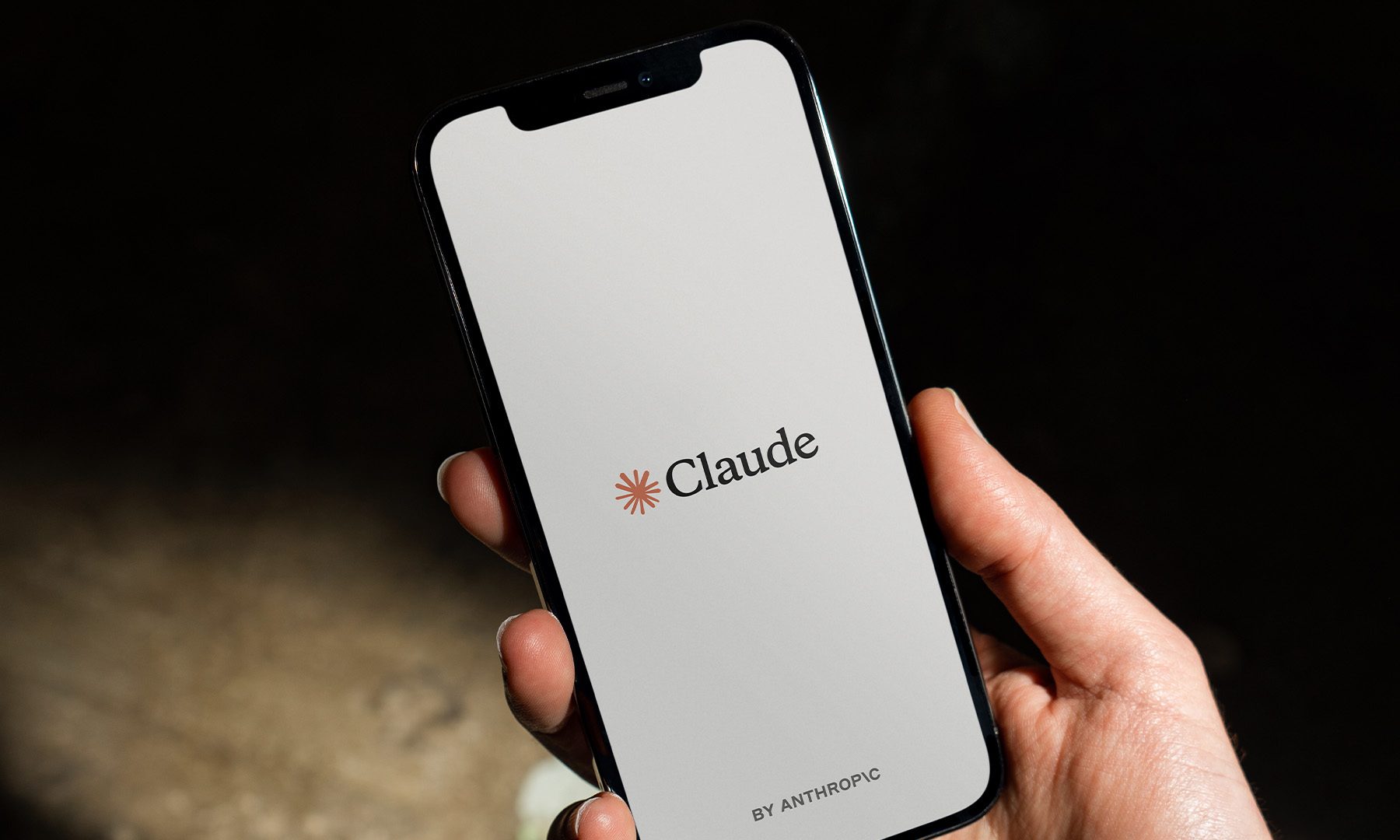
That means Claude can know about your projects, priorities, and preferences without requiring another lengthy briefing. Explain in chat how your team defines its metrics, for example, and Cowork can use that information when building your next quarterly business review. Discuss a conference in chat, and Cowork can carry over details like the city, speakers, and headcount when it works on the logistics.

Claude now remembers as you talk

There’s another change here that’s arguably just as important: Claude’s memory now updates as you chat, rather than waiting until a conversation ends to summarize it. Mention that a project deadline has moved to September, and Claude can carry that information into your next conversation without you having to explicitly tell it to remember.

And crucially, users get to see what Claude actually remembers. Saved memories appear as individual files organized by topic, which users can read, edit, or delete. Correct something once, and the change applies across future conversations and Cowork tasks.

You also get a say in what Claude remembers

By default, Claude won’t save sensitive subjects such as health, race, ethnicity, religious beliefs, politics, or gender identity. But users who want Claude to remember those details can now enable “include sensitive topics in memory.” When Claude saves something involving one of those topics, users will see a notice, and the setting can be switched off at any time.

What’s more, is that there are still some categories Claude won’t store even with sensitive memory enabled, including sensitive identification numbers, criminal history, and immigration status. Additionally, memory can also be paused or reset whenever users want.

Recommended Videos

The broader idea is pretty straightforward: Claude is trying to make memory feel less like a hidden AI trick and more like a personal workspace you actually control. And by making that memory follow you from chat to Cowork and back again, Anthropic is removing one of the biggest annoyances of working with AI: having to tell it the same thing for the 47th time.

Varun Mirchandani
Varun is an experienced technology journalist and editor with over eight years in consumer tech media. His work spans…
The camera on my smart glasses gives me the ick. The people around me feel the same.
Hey, stranger, you won't know it, but I just captured you in a picture and recorded you in a video!
Person wearing glasses with a camera

"Dude, I feel like a creep every time I press the camera button and the LED lights up." That was the blunt verdict from a friend who tried my camera-equipped smart glasses earlier today. My own feelings aren't too different. There's also a functional friction here, which I'll rant about soon enough.

I've used plenty of smart glasses. For the past four years or so, even before Meta flooded the market with its Ray-Ban-branded camera glasses, I've been playing around with another breed that lacked a camera but still offered plenty of fun. Brands like Rokid, XREAL, and Viture have been selling smart glasses with a built-in display unit, promising a private screen that sits right on your face. Immersive entertainment, or spatial computing on the go, all of it without a monitor in sight.

Read more
E Ink’s new color screen could make PDFs and digital notebooks easier on the eyes
Color e-paper wants a day job beyond reading books.
Advertisement, Poster, Animal

Color e-paper has always felt like a compromise to me. You get color, but the text loses some of its crisp, printed-page look. That’s always been my biggest gripe with color e-readers.

Turns out, E Ink has a solution called Kaleido 4, the latest version of its color e-paper platform, and it already ships on Hanvon’s M10C II notebook.

Read more
Xreal’s latest AR glasses fix the brightness problem, but leave the rest largely untouched
Accessories, Sunglasses, Glasses

AR glasses sound magical until I imagine wearing them somewhere bright. That’s why a new pair launched today caught my eye.

Xreal's 1 Pro Plus refreshes its One Pro glasses (which float a virtual screen in front of your eyes). It packs a much brighter display than the outgoing model and smoother 2D-to-3D conversion. You can buy it now for $599.

Read more