1. Home
  2. Emerging Tech
  3. Social Media
  4. News

Finally, a machine that turns tweets into cocktails

Add as a preferred source on Google

While it’s a safe bet the vast majority of Twitter users have never wondered what a tweet tastes like, the peculiar thought evidently crossed the mind of one Clément Gault.

Working with Koi Koi Design, Gault came up with an ingenious contraption that examines recent posts on the social media service before transforming them into a tasty cocktail drink.

Recommended Videos

Confused? Let Gault (try to) explain: “When a cocktail is desired, the machine will look for the five latest messages around the world quoting one of the available ingredients. These messages will define the drink composition.”
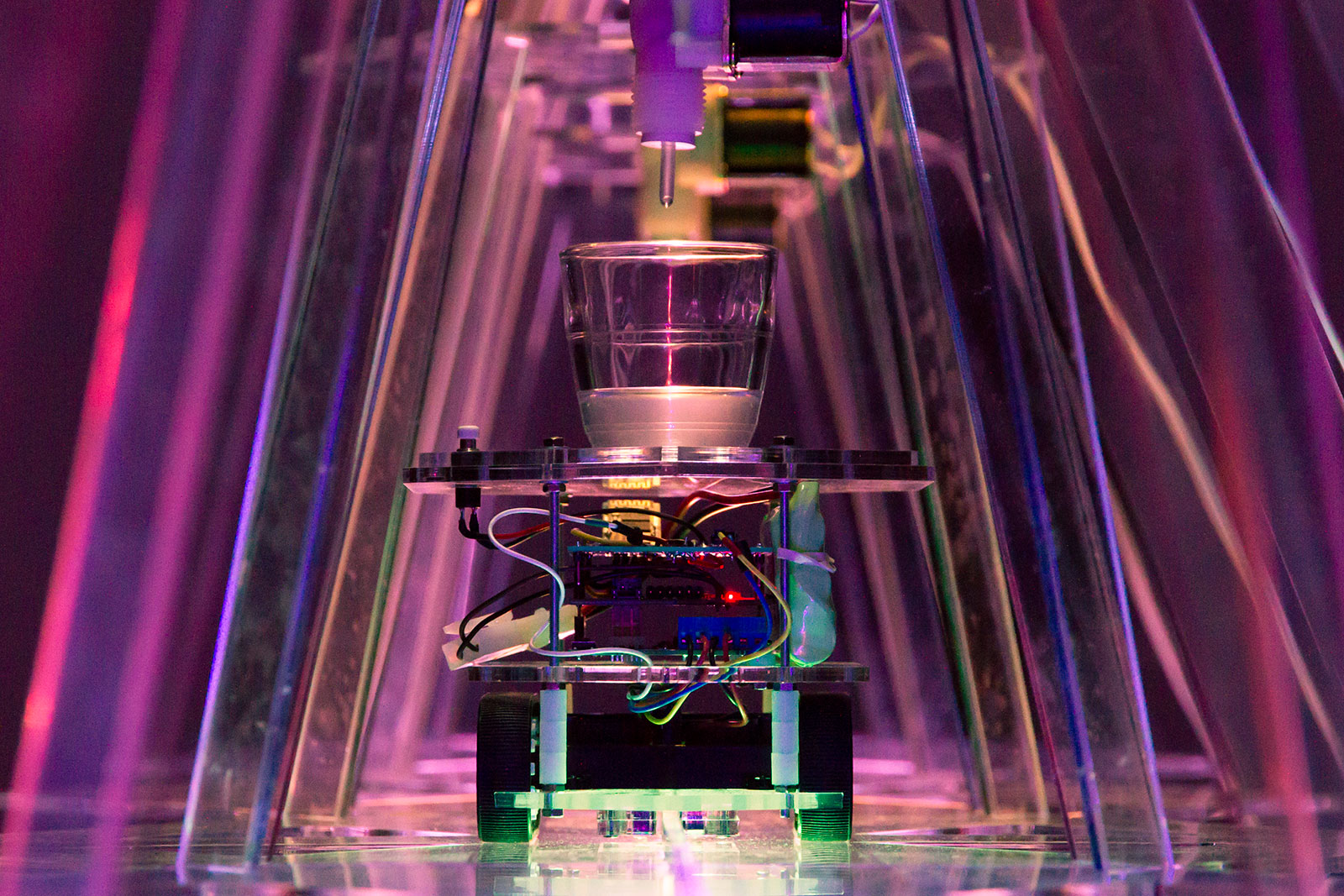
Besides creating “a unique kind of drink,” the so-called Data Cocktail machine also offers the imbiber a printout of the beverage’s recipe together with the tweets that helped produce it. And to top it all off, it’ll even give a shout-out on Twitter to the kind folks who unknowingly contributed to the creation of the one-off refreshment.

Although it’s not likely to put any cocktail-shaking bartenders out of a job anytime soon, the Arduino-powered machine is rather a work of art, and with a few tweaks could perhaps act as a stand-in should an overworked mixologist be unfortunate enough to succumb to a nasty bout of repetitive strain injury.
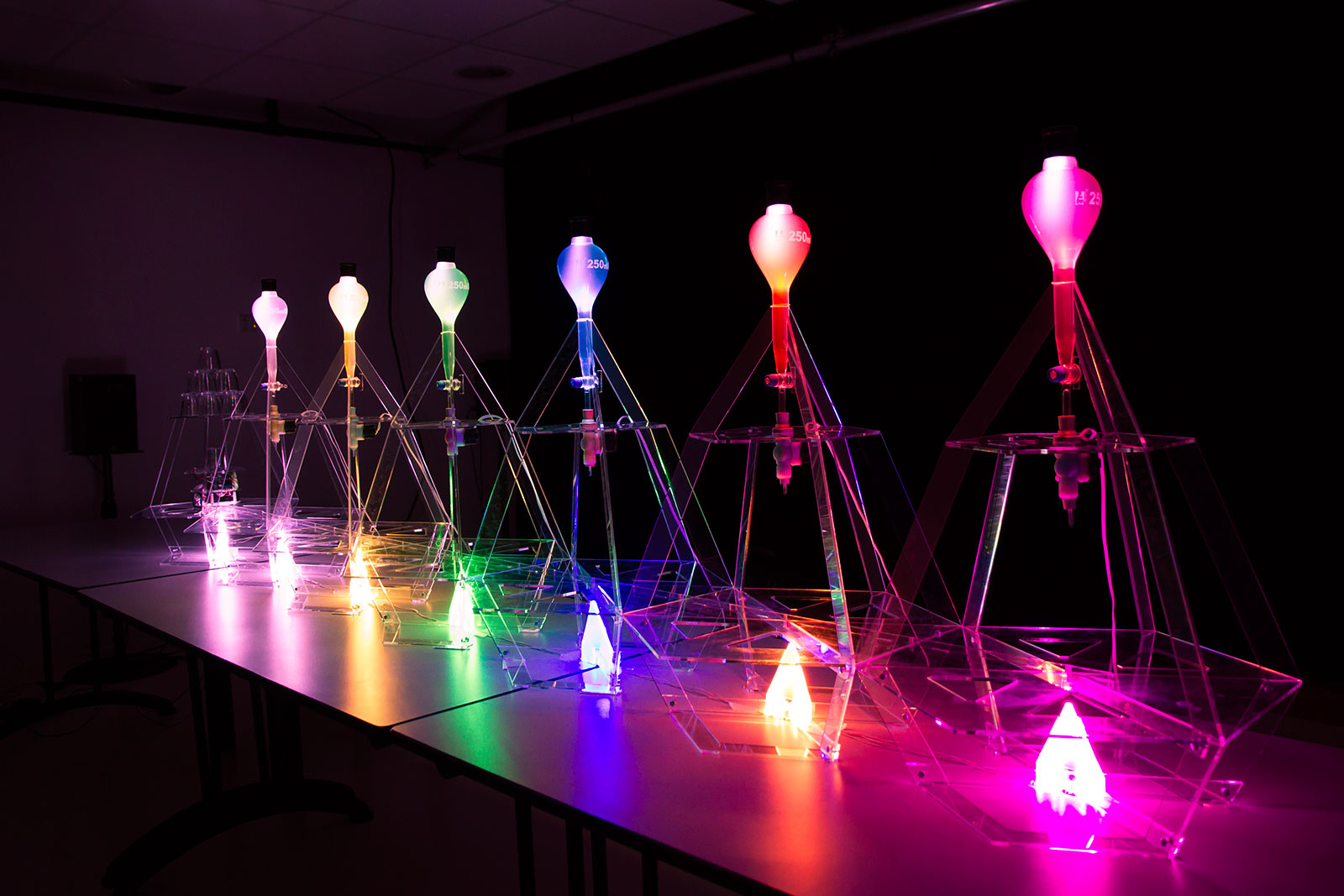
To mix things up a bit introduce a bit of variety, you can alter the keywords that the software uses as the basis for the drink, and also change the ingredients for a completely different taste.

Sadly, there aren’t any plans to commercialize the Data Cocktail device, though the creators’ suggestion that the machine could be tailored for special events certainly sounds like a tasty idea worth exploring.

Trevor Mogg
Contributing Editor
Not so many moons ago, Trevor moved from one tea-loving island nation that drives on the left (Britain) to another (Japan)…
XPENG just put its humanoid robot on the production line, and it walked itself out
IRON clocks in for its first shift
XPENG Iron

XPENG’s humanoid robot has officially joined the workforce, and it even got an employee badge. The Chinese automaker announced on September 8 that its next-generation IRON had completed assembly and autonomously walked off its newly commissioned humanoid robot production line in Guangzhou.

CEO He Xiaopeng then pinned a staff badge onto the robot, symbolically welcoming it to the XPENG team. It is a charming little ceremony for a machine that the company hopes will eventually become a regular part of everyday life. XPENG is moving IRON beyond R&D prototypes toward production-line manufacturing, applying the quality-control systems and manufacturing experience it has developed through its electric vehicle business.

Read more
An AI-designed drug might help slow aging, but we’re not there yet
The results hint at a possible anti-aging effect, but there’s still a long way to go before we know what it means.
medical test tubes

Rentosertib, a drug Insilico Medicine designed almost entirely using AI, was created to treat idiopathic pulmonary fibrosis, a disease that scars and stiffens the lungs over time. But fighting lung disease was only half the plan from the start.

According to a new study published in Nature Biotechnology, the drug's target was chosen specifically because it overlaps heavily with the biology of aging, and the whole trial was designed to test whether treating the lungs could also mean turning back the body's biological clock.

Read more
Google and Cathay Pacific are using AI to tackle aviation’s overlooked climate problem
A third of aviation's climate impact comes from contrails most people never think about.
Aircraft, Flight, Transportation

Those wispy white lines trailing behind airplanes (called contrails) sure look harmless from the ground, but they're doing more damage to the climate than we realize.

As part of Operating Blue Skies, Google has partnered with Cathay Pacific, one of the major international airlines operating both passenger and cargo flights, to test and deploy AI-driven contrail mitigation technology across a region where air travel is growing faster than anywhere else: Asia Pacific. 

Read more