
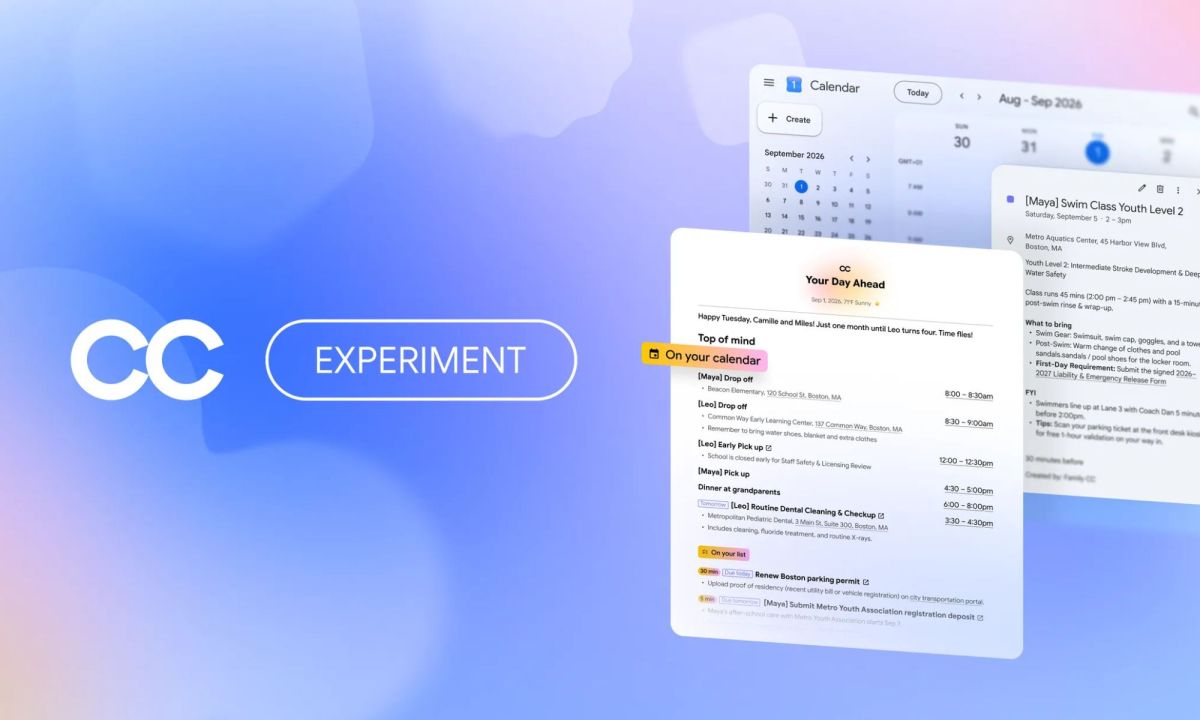
Keeping track of your own calendar can already be a headache. Add school events, appointments, sports practices, bills, grocery runs, and everyone else’s plans into the mix, and suddenly running a household feels like a full-time job. Google thinks AI could take some of that work off your hands. Google Labs is expanding CC, its experimental AI agent that originally started as a way to help individuals organize their day. The big change is that CC can now work with an entire household, with up to six people sharing information and managing things together.
Each person decides what the agent can see. For example, someone could share school emails, while another family member could share information from the vet or an activity center. CC can then bring those scattered details together into a shared daily brief, while also working with Google Calendar and Tasks to keep everyone on the same page.
It can do more than remind you about soccer practice
Every morning, CC can create a shared “Your Day Ahead” briefing showing what everyone has coming up and what needs to get done. More importantly, it can turn information it receives into something actionable. For example, send CC a photo of a birthday invitation or a schedule received over text, and it can add the relevant details to the family calendar. You can also share individual Drive files or folders, calendars, and emails with it.

There’s an option to automatically share emails from specific senders as well. That could be useful for things such as school emails or travel bookings that you know CC will regularly need. The agent can also take on some of the more tedious jobs. Google says CC can help pre-fill registration and permission forms, put together school supply lists, create weekly meal plans, and check current driving times between activities.
Google is putting some boundaries around its family AI
Giving an AI access to family information naturally raises privacy questions, so Google is giving CC its own verified Google account. It has a separate identity within the household and only responds to members of the group. Google also says it won’t share information or take actions outside that group without permission. Individual members remain in control of what they share and can change those permissions later. CC also maintains a shared memory, distinguishing household-wide information, such as a regular grocery list, from details associated with individual people.
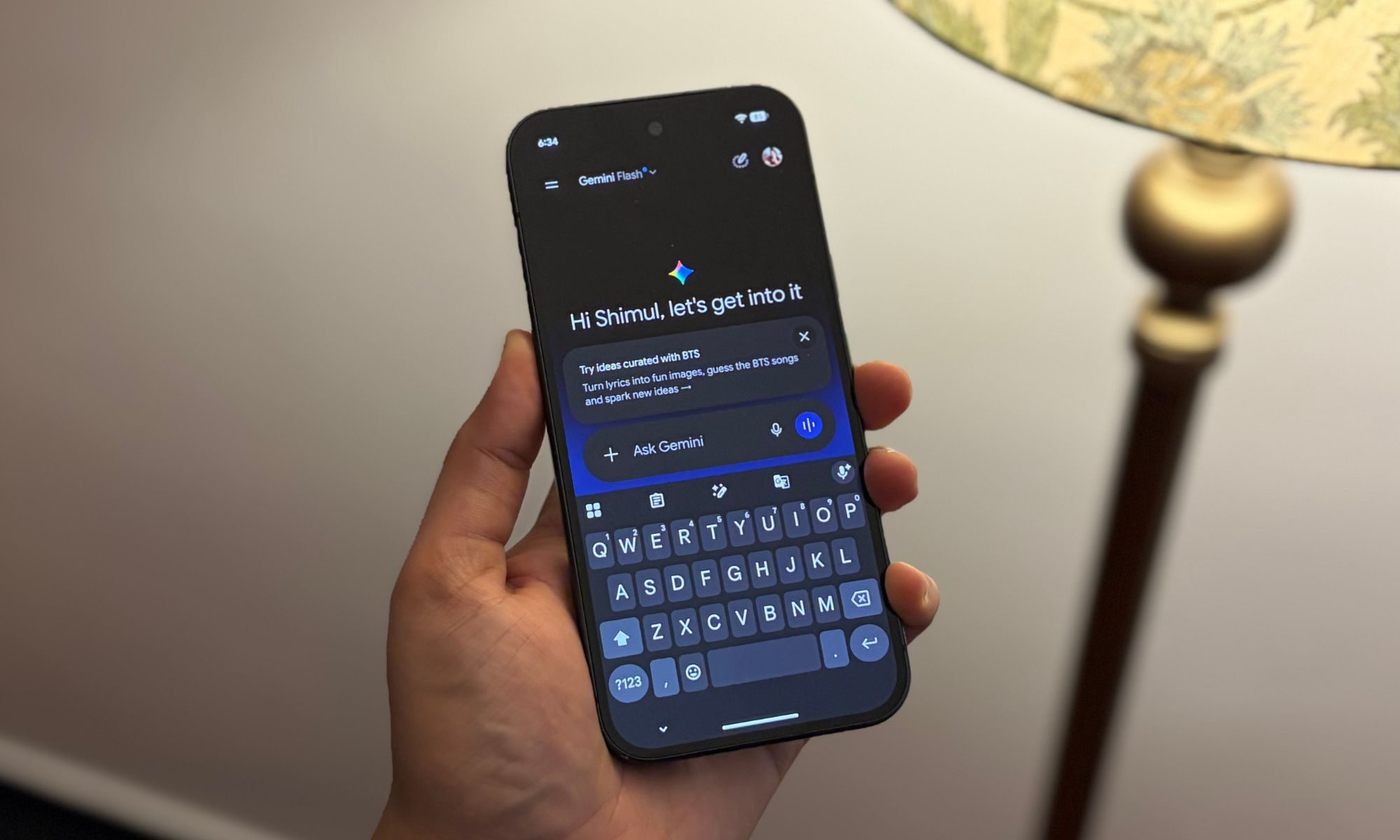
Behind the scenes, CC runs using Google’s Antigravity agent infrastructure and Gemini models, while connecting with familiar services including Gmail, Google Chat, Docs, Drive, and Calendar. For now, CC remains a Google Labs experiment rather than a feature everyone can switch on immediately. It’s available on the web and mobile to adults in the US with personal Google accounts. Existing testers will be invited to upgrade, while everyone else can join the waitlist.


