

What happened: This is one of those stories that sounds like pure science fiction, but it’s real. Blind patients in the UK are actually able to read again after getting a revolutionary new eye implant.
- First reported by the BBC, the report reveals it was all part of a clinical trial led by doctors at Moorfields Eye Hospital in London. They tested a tiny microchip called PRIMA, which was created by a company in California.
- The chip is designed for people who have dry age-related macular degeneration (AMD), one of the most common causes of blindness that robs you of your central vision.
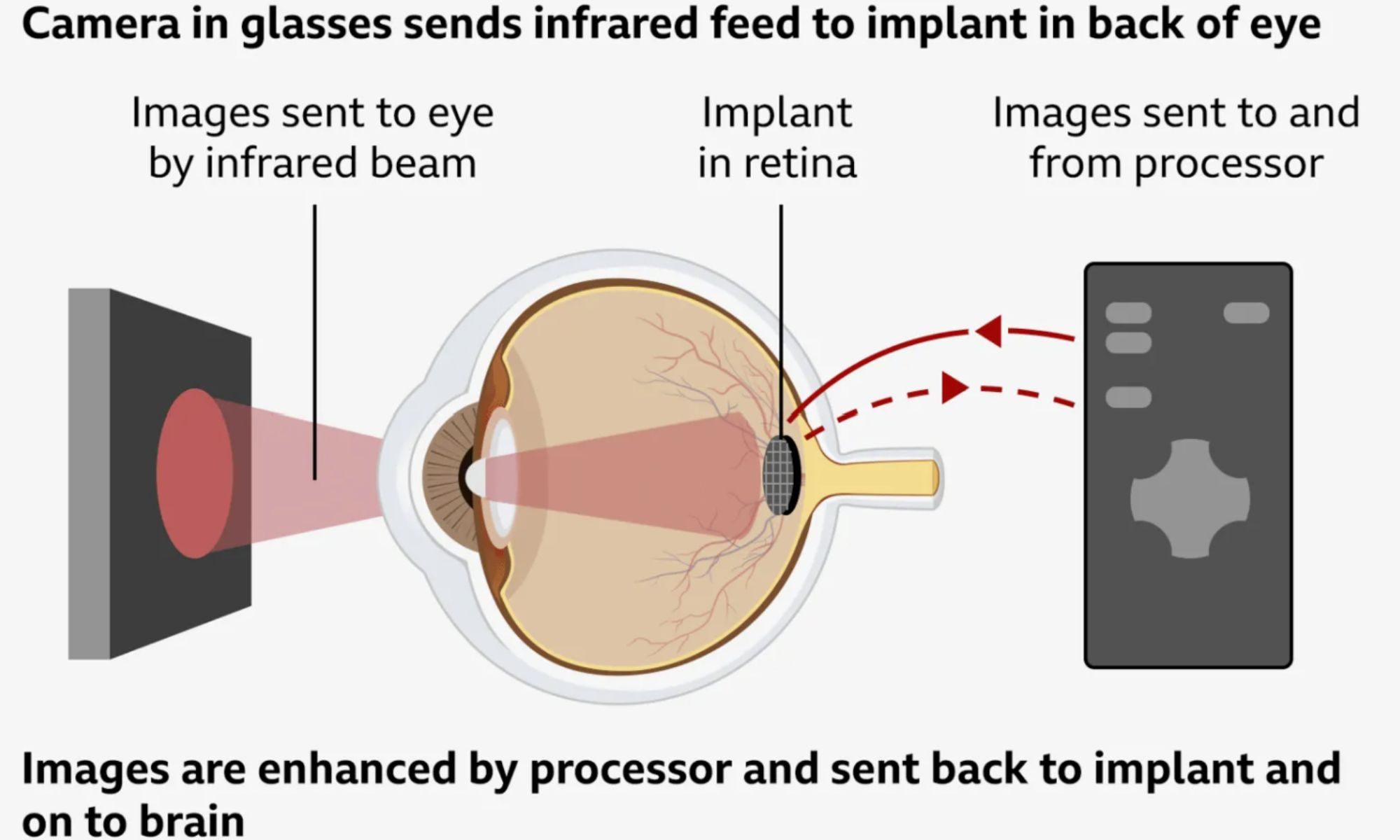
- So, here’s how this “miracle” works: A surgeon carefully places the tiny chip – which is thinner than a human hair – under the retina.
- The patient then wears a pair of special augmented-reality glasses that have a camera on them. The camera sees what’s in front of the person and sends that visual info to the chip as an infrared light signal. A small computer (that you wear on your body) translates that signal into electrical impulses that your brain can understand.
- It’s basically a high-tech “detour” around the damaged part of the eye.
- The results are just mindblowing. The study involved 38 patients, and an astonishing 84% of them could read letters, numbers, and words again. One patient, a 70-year-old woman named Sheila Irvine, said the experience was “out of this world.” She’s now able to read, do crosswords, and even see small print again.
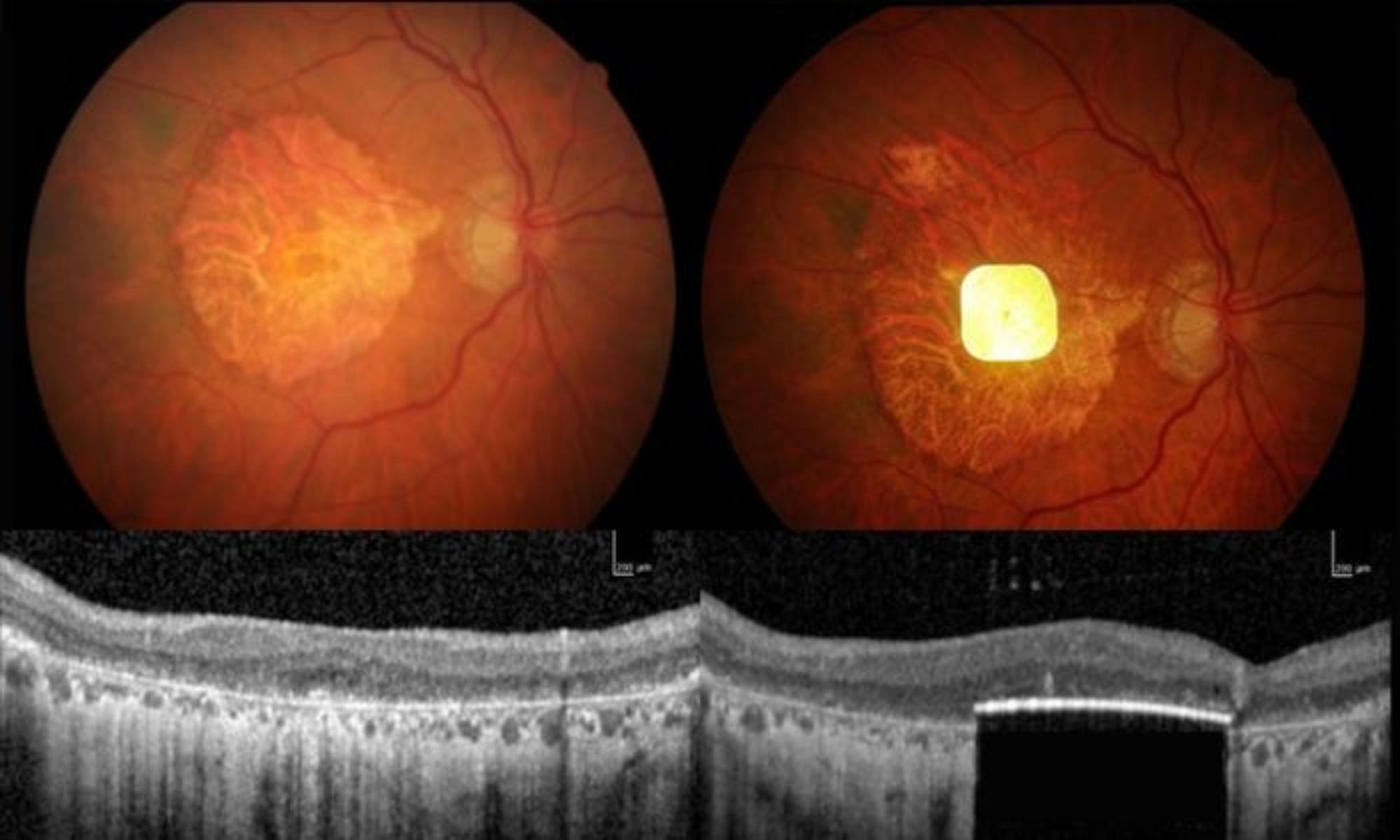
Why this is important: This is a massive, massive deal.
- This specific type of blindness, which affects over 5 million people, has had no treatment. Nothing.
- This is the very first time any implant has been able to bring back central reading vision to people who were completely blind in one eye. It’s a complete game-changer.
Why should I care: This is just real, tangible hope for millions of people living with vision loss.
- The operation itself is surprisingly quick, taking under two hours. And unlike super-complex gene or stem-cell therapies, this is a piece of hardware.
- That means it’s something that can be manufactured and distributed around the world, making it much more accessible.
- This isn’t just about restoring sight; it’s about giving people back their independence and confidence—the ability to read their own mail, to do hobbies they loved, and to connect with the world in a way they thought was gone forever.
Recommended Videos
What’s next: Okay, so it’s not available to everyone just yet. The implant still needs to get its official license, but approval could come within the next few years. One of the top doctors from the trial is calling this “a new era in artificial vision.” If it gets the green light, this device could eventually be available through the NHS, giving thousands of people a second chance to see.


