  1. Home
  2. Emerging Tech
  3. News

Luka’s new AI drawing projector puts kids in charge of the creativity

Luka Kids has unveiled an AI-powered drawing projector at IFA 2026 that turns children’s ideas into outlines they can trace, color, and build upon themselves.

Add as a preferred source on Google
Luka Kids Drawing Projector Featured
Varun Mirchandani / Digital Trends

AI toys for kids can be a tricky proposition. Give the technology too much control, and it risks doing the fun and potentially the learning for them. Luka Kids is taking a different approach with its new Drawing Projector, which uses AI to get children started but still expects them to pick up a pencil and do the rest.

Unveiled at IFA 2026, the Luka Kids Drawing Projector lets a child describe a character, story, or idea out loud. AI then turns that prompt into a simple outline and projects it onto a sheet of paper, ready to be traced, colored, changed, or expanded however they like. There are also 384 templates available at launch for kids who don’t know where to start. Importantly, these aren’t meant to be finished pieces of artwork. The outlines deliberately leave space for children to add their own details and ideas.

AI starts the drawing, but kids have to finish it

That distinction is what makes the Drawing Projector interesting. Instead of asking AI for a picture and getting a polished image seconds later, the technology effectively acts as a creative prompt. Once a child starts drawing, they can introduce more ideas or have the projector suggest another outline based on what they’ve made. Luka is also building interactive stories around the same concept. A story might ask a child to draw a character, object, or next scene, and the AI can then adjust what happens next based on their creation.
It creates a loop where the story inspires the drawing and the drawing can, in turn, change the story. Luka is starting with its own INKO characters and plans to expand the selection over time. The Drawing Projector is expected to become available later this year, although Luka hasn’t announced pricing yet.

Luka is putting AI into reading and exploring, too

The projector isn’t Luka’s only AI-focused device at IFA. The company’s existing Luka Kids Reading Robot is also getting a substantial upgrade with large language models. The screen-free robot can already read picture books aloud, but the update lets it recognize and read books it hasn’t encountered before. Children can also ask questions about what’s happening on a page, with the robot using visual recognition to understand the image and respond with relevant explanations. It supports English, Spanish, German, and Chinese.
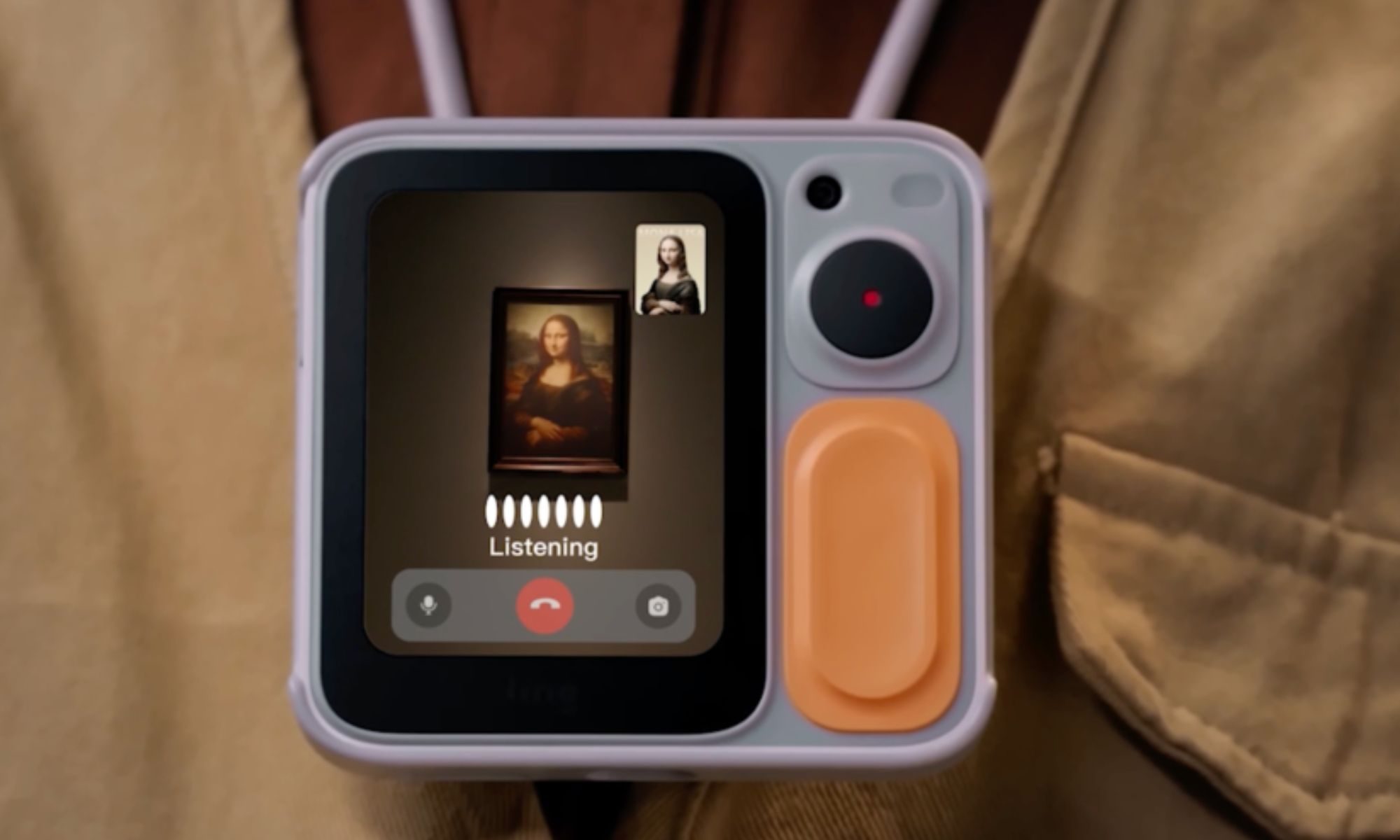
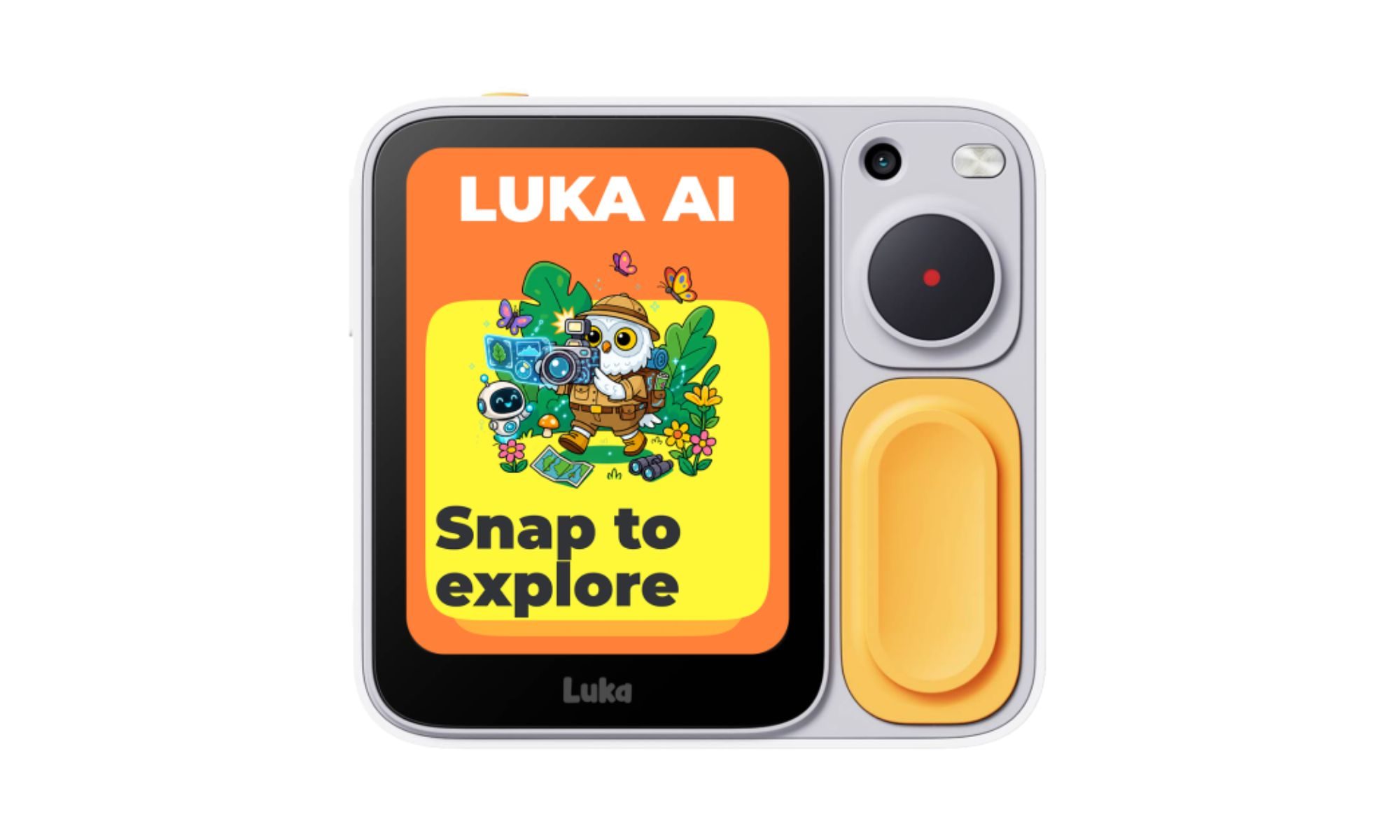
There’s also the Luka AI Cube, first unveiled at CES 2026 and now available in APAC markets. It’s designed more around exploration, using cameras and multimodal AI to identify objects around a child and answer questions about them. Together, the three devices show an interesting direction for AI aimed at children. Instead of putting another chatbot on a screen, Luka is trying to use AI as a nudge toward drawing, reading, asking questions, and exploring the real world. For parents wary of adding yet another screen to the household, that could be the more interesting part of the pitch.

Shimul Sood
Shimul is a contributor at Digital Trends, with over five years of experience in the tech space.
Intelligent UI turns ChatGPT answers into interactive tools while GPT-6 rolls out to a broader audience 
Plain text answers just got a very interactive rival.
Intelligent UI in ChatGPT.

Would you rather read instructions for splitting a dinner bill or tap a bill splitter and let it do the math? I'd pick the latter. 

OpenAI's SOl-6 rollout, starting October 7, 2026, adds Intelligent UI. Basically, it lets the chatbot assemble interactive answers instead of replying in plain text.

Read more
Checking body medication levels may now be as easy as sucking on a peach-flavoured lollipop
Forget the clinic swab; this lollipop wants a lick
Lollylab

Checking your body’s medication levels is usually no one’s idea of fun. Now researchers are trying to change that with Lollylab, a candy-coated, lollipop-like device that can collect saliva and measure levels of acetaminophen in under two minutes.

The prototype created by researchers whose work was published in ACS Sensors transforms a familiar object into a miniature testing device. In a pilot study, six adults ingested the peach-flavored Lollylab before and one hour after a standard 650-milligram dose of acetaminophen. The device repeatedly detected the pain reliever in their saliva, and participants reported it was more comfortable and easier to use than traditional saliva swabs.

Read more
A US state just approved an AI doctor. For now, it’ll only prescribe acne cures.
Aside from acne, Nolla's AI can also handle redness, fine lines and wrinkles, hyperpigmentation and dark spots, and under-eye bags.
Nolla Derm AI doctor app.

The first AI doctor is here. Despite all the skepticism and risks associated with AI models going haywire, the state of Utah just approved Nolla Health, a company that is providing an AI healthcare expert capable of writing prescriptions without any human in the chain. For now, it will only write acne prescriptions for Utah residents over 18 years of age, willing to pay a token monthly subscription fee that's lighter than your Spotify bill.

The big push here is that the Nolla Derm app will reduce the costs of medical consultation, save users the hassle of clinic visits, and take out the problem of waitlisting from the entire healthcare equation. “Unlike telehealth platforms that use AI only to collect information before handing patients off to clinicians, Nolla's AI system is designed to independently issue initial prescriptions within tightly defined, physician-approved treatment protocols,” writes the company. 

Read more