  1. Home
  2. Emerging Tech
  3. News

Meta’s newest AI features aren’t here yet, but you can try them early

Meta is inviting Muse users to request early access to upcoming features, including some of the major additions it revealed at Connect 2026.

Add as a preferred source on Google
Meta muse charm stage demo
Meta

Meta showed off a bunch of new things coming to Muse at Connect 2026 earlier this week. If some of those features caught your attention, you might not have to wait for the wider rollout to try them. Meta has opened an early access program for upcoming Muse features, and signing up is very simple. All you need to do is ask Muse.

The company shared a prompt on X that users can send directly to the AI assistant: “Can you let the Muse team know I want to be part of the Muse early access program?” Send that message, and the team will receive your interest in joining the program. That doesn’t necessarily mean you’ll immediately get every new Muse feature Meta is developing. But it does put you in line to potentially try some of them before they’re released more widely.

There’s a lot coming to Muse

The timing makes sense, given just how much was announced at Connect. One of the more unusual additions is a digital avatar, which will let you have an actual video conversation with the AI instead of being limited to text or voice. But the bigger changes are about what it can do for you. More shopping partners and connectors are on the way, while the Mac app will soon be able to interact with your computer and complete tasks on your behalf. The idea is to make the assistant feel like something you can give a job to and leave it.

And you won’t necessarily need your phone or computer to use it, either. Muse is also headed to Meta’s AI glasses, where a wake word will be enough to get its attention before giving it a command. Put it all together, and it’s a pretty substantial expansion for an AI assistant that only arrived earlier this month.

Meta wants the AI crowd to try it first

Early access programs are nothing new. What makes this one a little more interesting is who Meta seems to be looking for. Instead of testing these features with a random group of people, the company is inviting users to put their hands up themselves. That naturally attracts people who are already curious about AI, probably use several different assistants, and have a pretty good idea of what works and what doesn’t.
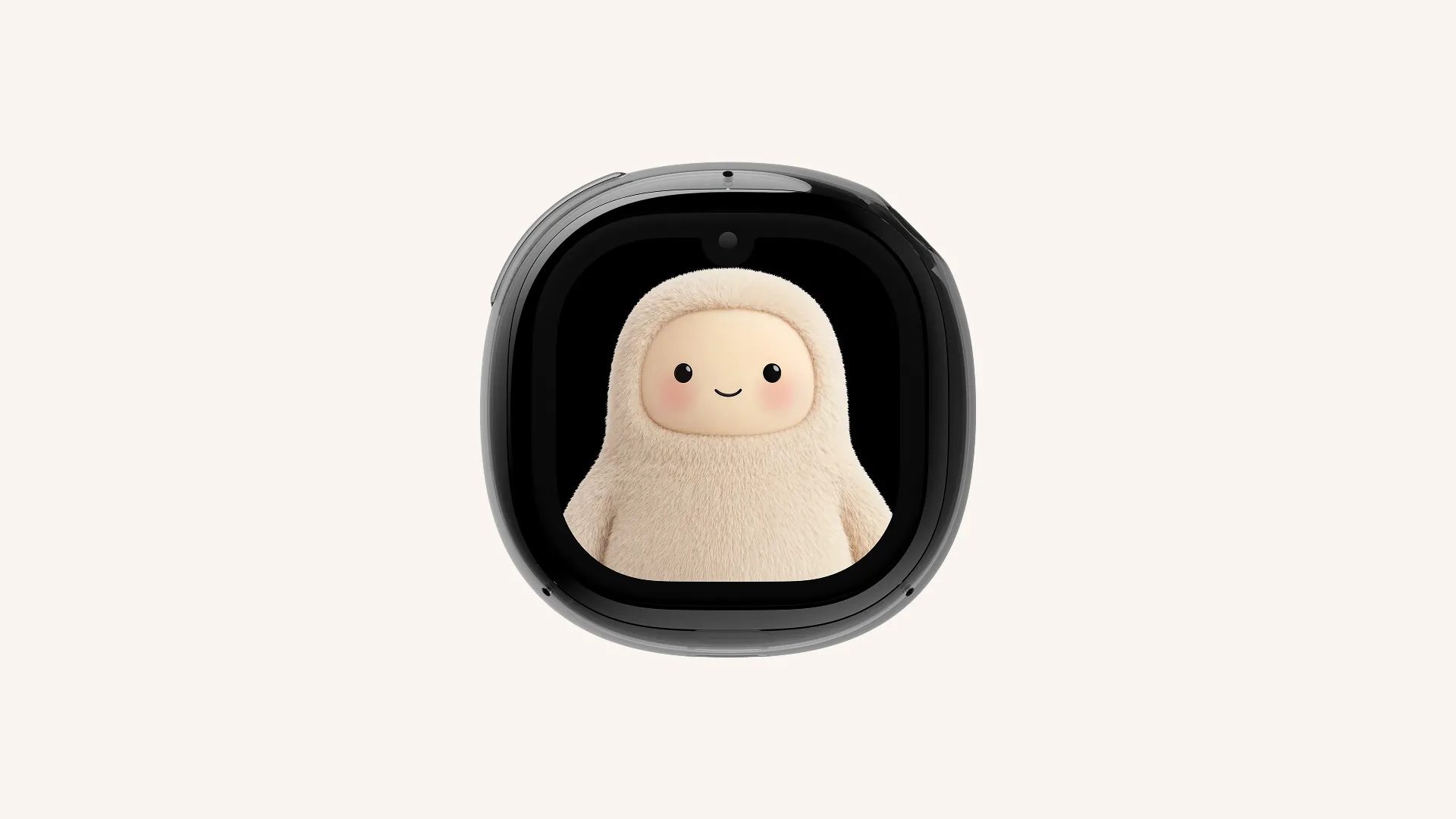
That could be particularly useful when you’re trying to catch up in an increasingly crowded space. We’ve already seen how Muse compares with ChatGPT and Gemini in areas like AI image generation. Getting upcoming features in front of that same AI-savvy crowd could give the team genuinely useful feedback before everyone else gets them. And if you happen to be part of that crowd, there’s no complicated sign-up process to worry about. All you have to do is ask.

Shimul Sood
Shimul is a contributor at Digital Trends, with over five years of experience in the tech space.
A US state just approved an AI doctor. For now, it’ll only prescribe acne cures.
Aside from acne, Nolla's AI can also handle redness, fine lines and wrinkles, hyperpigmentation and dark spots, and under-eye bags.
Nolla Derm AI doctor app.

The first AI doctor is here. Despite all the skepticism and risks associated with AI models going haywire, the state of Utah just approved Nolla Health, a company that is providing an AI healthcare expert capable of writing prescriptions without any human in the chain. For now, it will only write acne prescriptions for Utah residents over 18 years of age, willing to pay a token monthly subscription fee that's lighter than your Spotify bill.

The big push here is that the Nolla Derm app will reduce the costs of medical consultation, save users the hassle of clinic visits, and take out the problem of waitlisting from the entire healthcare equation. “Unlike telehealth platforms that use AI only to collect information before handing patients off to clinicians, Nolla's AI system is designed to independently issue initial prescriptions within tightly defined, physician-approved treatment protocols,” writes the company. 

Read more
AI’s massive appetite could make cheap smartphones much harder to find
The smartphone aisle is getting pricier, and AI may be partly to blame.
Electronics, Mobile Phone, Phone

Buying a genuinely cheap smartphone could soon become a lot harder, and the reason has little to do with what’s happening inside the smartphone industry itself. The enormous amount of hardware being poured into AI data centers is pressuring global memory supplies. That has helped drive up the cost of making phones, and manufacturers appear increasingly reluctant to absorb those extra costs at the cheapest end of the market.

According to Counterpoint Research, prices of existing smartphones have increased by around 15% globally this year, while newly launched devices are roughly 25% more expensive than comparable models from last year. The impact hasn't been equal everywhere, either. Smartphone prices have climbed 21% in India and 19% across Asia-Pacific, compared with just 5% in the US.

Read more
ChatGPT is taking ads into image generation, and your conversations could decide what you see
ChatGPT's ads reach image generation, and Brussels is watching.
ChatGPT Image ads.

I've never loved ads turning up where I go to think, so this one makes me wince. 

OpenAI is testing visual ads in ChatGPT image generation. The software will decide whether you should actually see one.

Read more